

Poncho Vs Rain Suit For All-Day Camping Storms
Poncho vs rain suit: which works better for all-day camping storms?
Poncho vs rain suit decisions depend on weather intensity, hiking pace, and campsite needs. A rain suit offers stronger wind resistance and better full-body sealing during cold storms, while a multifunction camping poncho provides ventilation, backpack coverage, and shelter flexibility for emergency rain protection backpacking trips often require.
⏱ 9 min read
Poncho Vs Rain Suit For All-Day Camping Storms
Heavy rain can turn an amazing camping trip into hours of wet socks, cold hands, and miserable shelter setup. Many campers struggle with the same question before a stormy adventure: should you pack a poncho or a full rain suit? This guide breaks down the real-world differences between both options, including comfort, pack weight, breathability, campsite usability, and storm performance. You’ll also discover why many experienced hikers now prefer multifunction rain ponchos for extended outdoor trips.
👉 Curious which rain setup handles storms without adding bulky weight?
Explore the 3-in-1 Waterproof Rain Poncho before your next wet-weather trip.
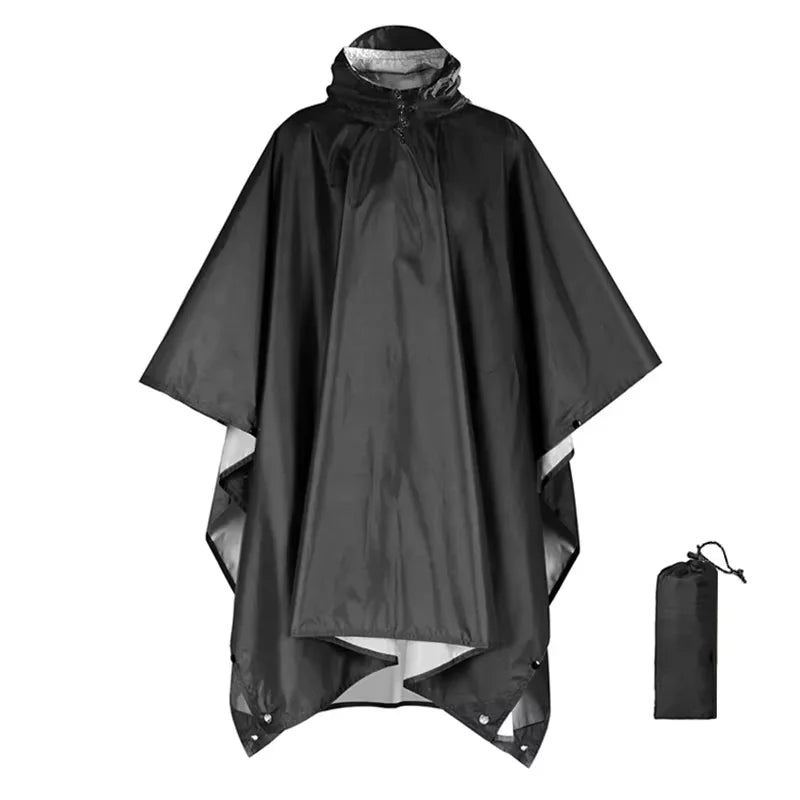
💡 See it in action
Why Your Rain Gear Choice Matters During Long Storms
Rain gear affects far more than staying dry. Your setup changes how easily you hike, cook, pitch shelter, and sleep during bad weather.
A poor choice can trap sweat inside your layers, soak your backpack, or leave you struggling to move around camp comfortably.
What gear actually makes camping easier during nonstop rain?
- Breathable outer protection
- Fast shelter setup
- Reliable pack coverage
- Freedom of movement
- Low packed weight
- Quick drying materials
Campers preparing for unstable weather often pair rain protection with gear from Weather Protection & Environment and backup shelter options from Ground Sheets & Tarps.
Poncho vs Rain Suit Side-by-Side Comparison
Poncho vs rain suit performance changes dramatically depending on hiking intensity and campsite conditions. Rain suits provide superior sealing against wind-driven rain, while ponchos excel in ventilation, backpack coverage, and multipurpose use. For extended wet-weather camping, multifunction ponchos often reduce overall pack weight and simplify shelter setup.
| Feature | Camping Poncho | Rain Suit |
|---|---|---|
| Ventilation | Excellent airflow | Moderate |
| Backpack Coverage | Usually covers pack | Requires pack cover |
| Wind Resistance | Moderate | Excellent |
| Weight | Very lightweight | Heavier |
| Shelter Function | Can double as tarp | No shelter function |
| Mobility While Climbing | Less stable in wind | Better movement control |
| Heat Management | Cooler during hikes | Warmer in cold rain |
| Packability | Compact | Bulkier |
Pros of a Camping Poncho
- Protects both body and backpack
- Works as emergency shelter
- Excellent for humid climates
- Reduces overheating during hikes
- Fast to deploy during surprise rain
Pros of a Rain Suit
- Better in strong mountain winds
- Superior storm sealing
- More efficient for technical terrain
- Warmer during cold exposure
- Improved movement while scrambling
How Multifunction Ponchos Simplify Wet Weather Camping
A detailed review multifunction camping rain poncho setups reveals why ultralight campers increasingly favor them during unpredictable weather.
Instead of carrying separate rainwear, pack covers, and emergency tarp systems, one poncho can handle all three jobs.
Benefits That Matter on Real Trips
- Protects your backpack without extra covers
- Converts into a temporary rain shelter
- Improves airflow during steep climbs
- Reduces total pack weight
- Creates emergency ground coverage
Many backpackers combine ponchos with compact gear from Backpacking & Carry and moisture-safe storage from Waterproof & Dry Bags.
Campers using ponchos during humid summer storms often report feeling less sweaty compared to fully sealed rain suits.
“Our ponchos stayed surprisingly comfortable during six straight hours of rain in the Smokies. The airflow made a huge difference while hiking uphill.” — Weekend backpacking group from Tennessee
👉 Looking for lighter storm gear that handles hiking and campsite protection together?
When a Rain Suit Performs Better
Rain suits still dominate in certain environments.
If you're facing freezing temperatures, exposed alpine ridges, or intense wind-driven rain, a full suit creates stronger weather sealing.
Rain Suits Are Better For:
- Cold-weather expeditions
- Motorcycle camping trips
- Strong wind exposure
- Technical climbing terrain
- Extended winter camping
Cold-weather campers often combine sealed rain suits with insulation gear from Wind & Cold Protection and nighttime comfort products from Blankets & Sleeping Comfort.
Still, many campers underestimate how quickly sweat builds inside sealed rainwear during humid storms.
That trapped moisture can leave base layers damp even if rain never penetrates the shell.
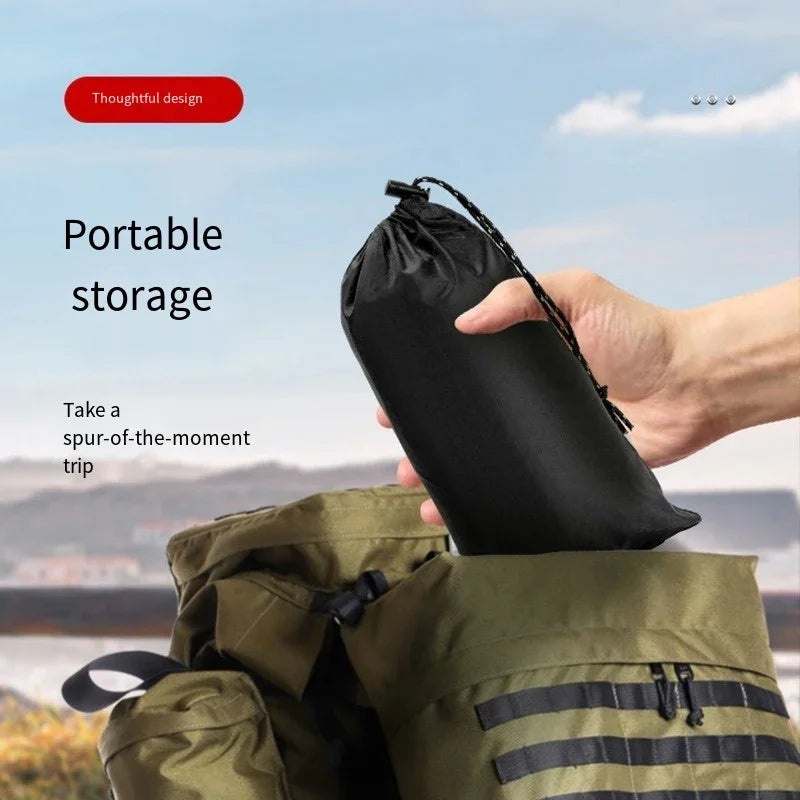
💡 See it in action
Camping Poncho vs Lightweight Rain Tarp Setups
Camping poncho vs lightweight rain tarp discussions usually focus on versatility.
A dedicated tarp gives stronger campsite coverage, but a poncho-tarp hybrid offers speed and simplicity when sudden rain hits.
| Situation | Poncho-Tarp Hybrid | Dedicated Rain Tarp |
|---|---|---|
| Fast emergency setup | Excellent | Moderate |
| Group shelter space | Limited | Excellent |
| Weight savings | Excellent | Moderate |
| Storm durability | Good | Excellent |
| Versatility | Excellent | Limited to shelter use |
Where Poncho-Tarps Shine
- Solo backpacking trips
- Minimalist hiking setups
- Emergency shelter needs
- Fast-moving trail days
- Warm-weather camping
Many hikers pair poncho shelters with lightweight sleep systems from Sleeping Bags & Sleeping Pads and compact campsite gear from Camping Tents & Shelter.
Best Emergency Rain Protection Backpacking Trips Need
Emergency rain protection backpacking trips demand should prioritize speed, flexibility, and reliability.
Storms rarely arrive at convenient times. You may be crossing streams, cooking dinner, or setting camp when weather changes suddenly.
Essential Rain Emergency Gear
- Multifunction poncho or rain suit
- Dry storage bags
- Backup fire-starting tools
- Headlamp for storm visibility
- Waterproof shelter layer
Smart campers also carry compact backup equipment from Fire Starters & Ignition, Headlamps & Wearable Lights, and Safety, Survival & Emergency.
During severe weather, maintaining visibility and dry sleeping gear often matters more than staying perfectly dry while walking.
Storm Camping Packing Checklist
Use this checklist before heading into unpredictable conditions.
| Gear Category | Recommended Item |
|---|---|
| Rain Protection | Poncho or rain suit |
| Shelter Backup | Emergency tarp |
| Dry Storage | Waterproof stuff sacks |
| Lighting | Rechargeable headlamp |
| Warmth | Dry insulating layers |
| Cooking | Storm-safe stove setup |
Camp kitchens become especially difficult during heavy rain. Many campers use compact solutions from Camping Stoves & Cooking and weather-resistant meal storage from Food Storage Bags & Containers.
👉 Preparing for your next rainy adventure?
Real Camping Experiences in Heavy Rain
Experienced campers often discover that comfort matters more than maximum waterproof ratings alone.
One Appalachian Trail hiker reported switching from a premium rain suit to a poncho after repeated overheating issues during humid summer climbs.
Another car camper preferred a rain suit because windy coastal storms kept lifting loose poncho fabric while setting up camp.
Common Lessons From Wet-Weather Campers
- Ventilation matters during long hikes
- Pack coverage saves time and gear
- Wind changes rain gear performance dramatically
- Multifunction gear reduces clutter
- Comfort improves decision-making during storms
Campers building versatile storm kits often browse Rain Ponchos & Capes, Camping & Picnic, and Weather Accessories for adaptable outdoor setups.
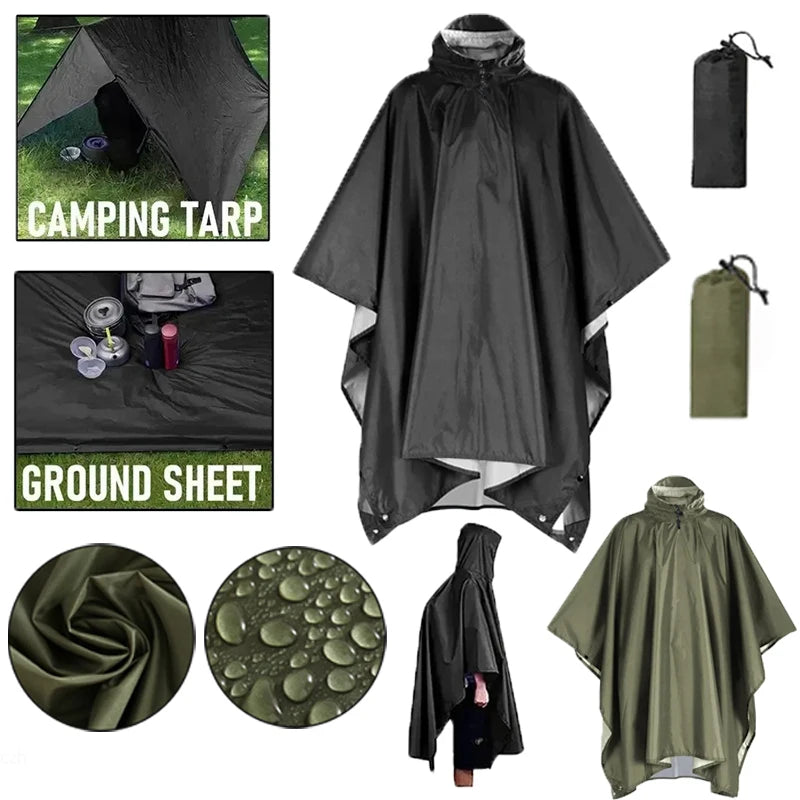
💡 See it in action
Which Option Should You Choose?
If you mainly hike in warm, humid, or mixed conditions, a multifunction camping poncho often delivers better comfort and versatility.
If your trips involve freezing temperatures, strong alpine winds, or technical movement, a rain suit usually provides stronger protection.
For many campers, the ideal solution is surprisingly simple:
- Choose a poncho for lightweight flexibility
- Choose a rain suit for maximum storm sealing
- Use layered shelter systems during severe weather
- Prioritize dry sleeping gear above everything else
The growing popularity of poncho-tarp hybrids shows how modern campers value gear that performs multiple jobs without adding unnecessary weight.
FAQ
Is a poncho better than a rain suit for backpacking?
A poncho is often better for backpacking in warm or humid conditions because it improves airflow and covers both your body and backpack. Rain suits perform better in cold, windy environments where stronger weather sealing matters more.
Can a camping poncho replace a tarp?
Some multifunction ponchos can double as lightweight emergency tarps. They work well for solo shelter coverage or quick rain protection, though dedicated tarps usually provide better storm durability and larger covered areas.
What is the biggest advantage of a rain suit?
The biggest advantage of a rain suit is full-body protection in strong wind and cold weather. It stays secure during movement and blocks wind-driven rain more effectively than loose poncho designs.
What gear should I pair with rain protection for camping?
Waterproof storage bags, emergency lighting, dry insulation layers, and backup shelter systems are essential companions for storm camping. Keeping sleeping gear dry is one of the highest priorities during extended rain exposure.
Pillar Article: Ultralight Rain Gear Compared For Fast-Packing Trips
Other Related Articles:
- Ripstop Nylon Poncho Review For Backpacking In Heavy Rain
- Salomon X Ultra 5 Gtx Review For Rainy Mountain Hikes
- Best Packable Rain Poncho For Travel In 2026
- Rain Poncho Vs Rain Jacket For Wet Trail Adventures
Explore More:





