

Osprey Backpack Rain Cover Features Worth Paying For
Osprey Backpack Rain Cover Features Worth Paying For
⏱ 9 min read
Does an osprey backpack rain cover really keep gear dry during heavy hiking rain?
An osprey backpack rain cover helps protect gear from soaking rain, trail mud, and sudden weather changes by combining waterproof materials, secure fit systems, and high-visibility details. For hikers dealing with a backpack getting wet in rain hike conditions, premium rain covers reduce moisture exposure, improve trail safety, and support reliable outdoor survival rain protection methods during unpredictable adventures.
Nothing ruins a trail faster than opening your backpack and finding soaked clothing, wet electronics, and damp sleeping gear. If you have ever dealt with a backpack getting wet in rain hike conditions, you already know how difficult it becomes to stay warm, organized, and comfortable outdoors. What gear actually makes hiking in storms easier? A high-quality osprey backpack rain cover can protect expensive equipment, improve visibility, and help you stay dry hiking rain trails even during rough weather shifts.
Storms can appear fast on exposed trails. Stay protected with reliable rain gear before your next trip.
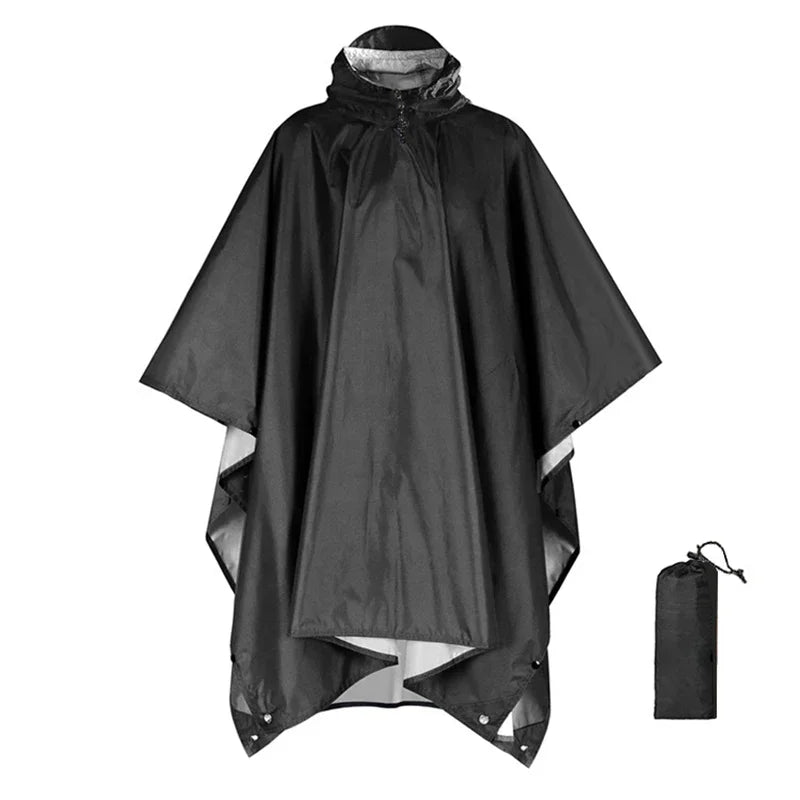
💡 See it in action
Why Premium Rain Covers Matter in Heavy Rain
An osprey backpack rain cover creates a protective barrier that reduces water penetration during extended hikes, windy storms, and muddy terrain. Better materials and fit systems help keep critical gear dry while improving comfort and reducing the risk of cold-weather exposure on the trail.
Cheap rain covers often fail in three major ways:
- Loose fit allows water to enter from the sides
- Thin fabrics tear against branches or rocks
- Poor elasticity slips during movement
- Weak seams leak after repeated use
That becomes a serious problem when carrying:
- Dry clothing
- Sleeping systems
- Emergency supplies
- Food and electronics
- Navigation equipment
Many experienced hikers combine rain covers with gear from Waterproof & Dry Bags to create layered protection during long-distance trips.
Backpackers frequently underestimate how quickly soaked gear impacts morale. Wet socks cause blisters. Damp insulation loses warmth. A soaked sleeping bag can turn a comfortable overnight trip into a miserable experience.
Which Osprey Backpack Rain Cover Features Matter Most?
An osprey backpack rain cover stands out because it combines waterproof fabric coatings, reinforced stitching, adjustable retention systems, and visibility features into a lightweight design that remains stable during movement. These features help hikers stay dry hiking rain conditions without adding unnecessary bulk.
1. Waterproof Fabric Coatings That Resist Saturation
The biggest upgrade in premium rain covers is fabric quality. Advanced coatings help water bead off the surface instead of soaking through after prolonged exposure.
High-performing materials typically include:
- Ripstop nylon construction
- PU-coated waterproof layers
- DWR-treated outer surfaces
- Reinforced stress points
This matters during:
- Mountain storms
- Multi-day backpacking trips
- Dense forest trails
- Cold rain exposure
Some hikers also pair covers with equipment from Weather Protection & Environment for full-body storm readiness.
2. Full-Coverage Fit Prevents Side Water Entry
One overlooked issue with budget rain covers is poor coverage around the sides and bottom of the pack.
Premium models use:
- Elastic perimeter systems
- Compression straps
- Adjustable buckles
- Contoured shaping for larger packs
These features reduce shifting while climbing, scrambling, or hiking in strong winds.
3. Reinforced Durability for Rough Trails
Rain covers often scrape against rocks, brush, and tree branches. Thin materials wear out quickly.
Durable covers last longer because they include:
- Double-stitched seams
- Tear-resistant fabric
- Abrasion-resistant panels
- Heavy-duty elastic retention
Outdoor travelers who frequently carry heavy gear also benefit from organizing supplies with Gear Organizers & Pouches.
How Secure Fit Systems Prevent Water Exposure
Fit matters more than many hikers realize. A rain cover that shifts during movement exposes vulnerable areas of the backpack.
Secure retention systems help prevent:
- Wind lift during storms
- Bottom-edge water intrusion
- Cover slippage on steep climbs
- Mud spray contamination
Experienced hikers often mention how frustrating it feels to stop repeatedly in rain just to readjust loose gear.
One backpacker described finishing a six-hour rainy ridge hike with dry spare layers, protected electronics, and zero leakage after switching to a premium cover with dual retention straps. That kind of reliability matters during changing mountain weather.
| Feature | Budget Rain Cover | Premium Osprey-Style Cover |
|---|---|---|
| Water Resistance | Moderate | High |
| Wind Stability | Loose fit | Secure retention |
| Durability | Thin material | Ripstop reinforced |
| Visibility Features | Minimal | Reflective detailing |
| Long-Term Reliability | Lower | Designed for repeated storms |
Rain protection works best when your entire kit stays organized and waterproof.
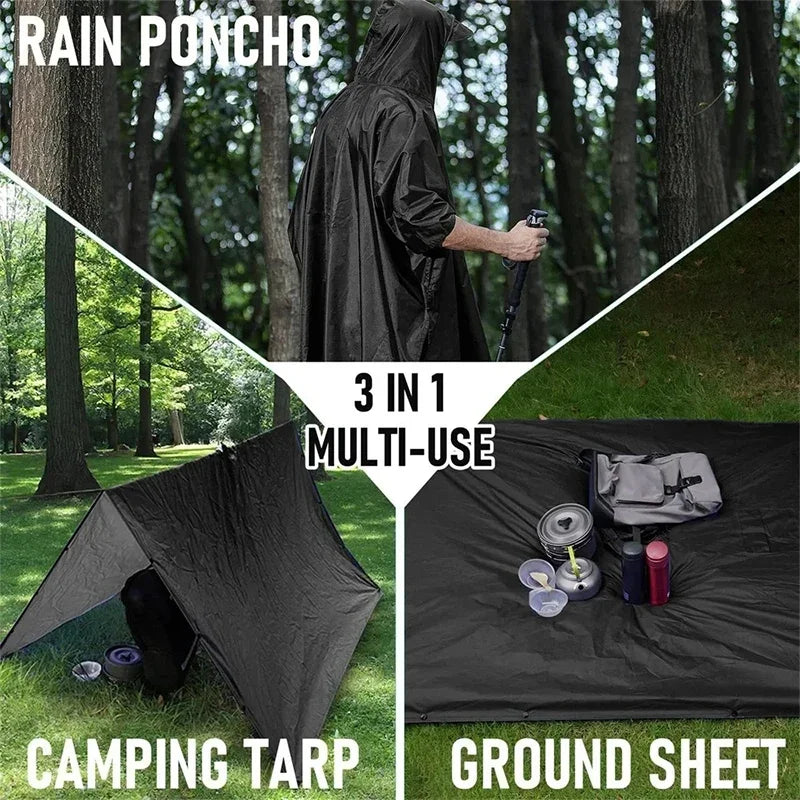
💡 See it in action
Why Reflective Details Improve Trail Safety
An osprey backpack rain cover with reflective elements increases visibility in fog, storms, and low-light conditions. Reflective panels help hikers remain visible near roads, campsites, and crowded trails while improving safety during sudden weather shifts or evening descents.
Rain reduces visibility quickly, especially during:
- Foggy mountain mornings
- Forest canopy hiking
- Stormy dusk descents
- Roadside trail crossings
Reflective accents improve visibility to:
- Other hikers
- Search teams
- Drivers near trailheads
- Camp members
Pairing rain protection with lighting gear from Headlamps & Wearable Lights creates even better visibility during emergencies.
Visibility features may seem minor until weather conditions deteriorate rapidly. In heavy rain, every safety advantage matters.
Feature Comparison for Wet Weather Hiking
What Features Are Actually Worth Paying Extra For?
| Premium Feature | Why It Helps | Best Use Case |
|---|---|---|
| Ripstop Waterproof Fabric | Prevents tears and leaks | Backpacking trips |
| Compression Retention Straps | Stops shifting in wind | Mountain hiking |
| Reflective Panels | Improves visibility | Low-light conditions |
| Full Coverage Design | Blocks side water entry | Extended storms |
| Compact Storage Pouch | Saves pack space | Fast-moving hikes |
Hikers preparing for extended wet-weather adventures often combine rain covers with storage from Compression & Packing Bags to separate dry and wet gear efficiently.
How Rain Covers Support Outdoor Survival Rain Protection Methods
Outdoor survival rain protection methods focus on maintaining body warmth, preserving dry insulation, and protecting emergency equipment. A backpack rain cover helps reduce moisture exposure that can compromise safety during extended storms, cold-weather hikes, and unexpected overnight situations.
Staying dry outdoors directly affects:
- Body temperature regulation
- Energy conservation
- Sleep quality
- Emergency preparedness
When essential gear becomes soaked, survival risks increase quickly.
That is why many hikers also carry:
Layered weather protection creates a more reliable outdoor system than relying on a single item alone.
Best Gear to Pair With a Backpack Rain Cover
A rain cover works best as part of a complete wet-weather hiking system.
Recommended Rain Hiking Setup
- Waterproof backpack cover
- Rain poncho or shell layer
- Dry bags for electronics
- Backup insulation layers
- Trail lighting and emergency gear
Useful additions include:
One common mistake is assuming waterproof backpacks alone provide enough protection. In reality, seams, zippers, and prolonged exposure often allow moisture inside over time.
A properly fitted rain cover adds a critical extra layer.
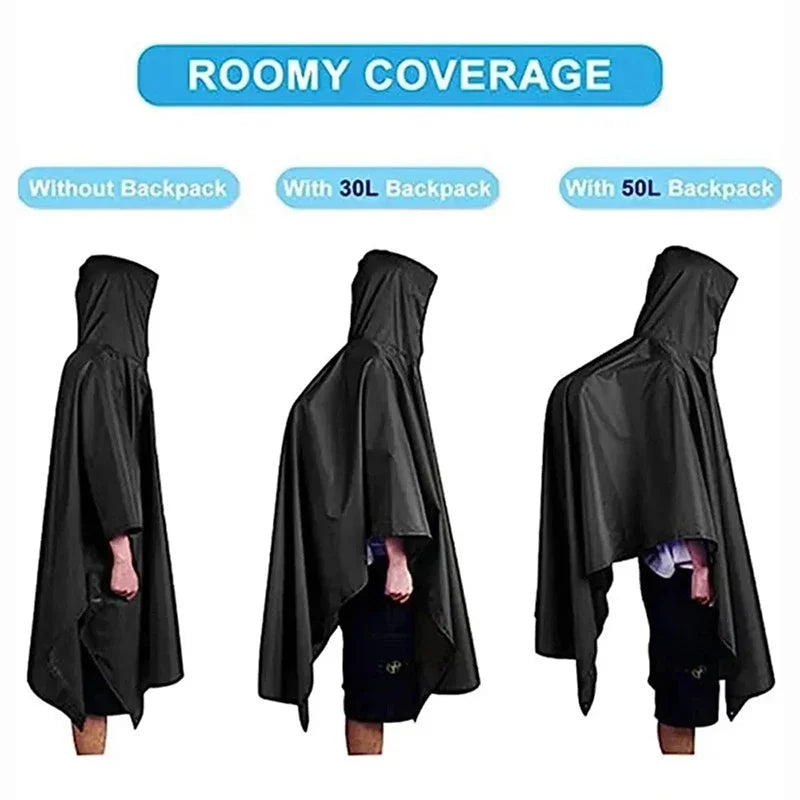
💡 See it in action
Are Premium Rain Covers Worth the Higher Price?
An osprey backpack rain cover is worth paying for when you regularly hike in changing weather, carry expensive gear, or need reliable protection during longer outdoor trips. Better waterproofing, stronger retention systems, and improved durability reduce gear damage and improve comfort during difficult trail conditions.
The value becomes obvious during:
- Multi-day backpacking trips
- Cold-weather hiking
- Mountain rainstorms
- Long-distance trekking
- Travel adventures with sensitive gear
Replacing soaked electronics, damaged insulation, or ruined clothing costs far more than investing in reliable weather protection from the beginning.
For hikers who frequently face wet trails, premium rain covers become less of a luxury and more of a dependable outdoor essential.
Protect your gear before the next storm hits the trail.
FAQ
Do backpack rain covers work in heavy rain?
Yes. High-quality rain covers with waterproof coatings, reinforced seams, and secure fit systems help reduce water penetration during heavy storms and windy hiking conditions.
Can a backpack still get wet with a rain cover?
Water can still enter through exposed areas, seams, or shifting covers during severe storms. Combining rain covers with dry bags improves overall protection.
Why are premium rain covers better for hiking?
Premium covers typically offer stronger materials, better wind stability, improved durability, and more reliable waterproof performance during extended outdoor use.
What size rain cover should I buy?
Select a cover designed for your backpack volume. A proper fit prevents slippage and improves water protection during movement.
What other gear helps during rainy hikes?
Helpful additions include waterproof bags, emergency lighting, rain ponchos, dry clothing storage, and survival supplies for unexpected weather changes.
Pillar Article: Waterproof Camping Gear Features That Actually Keep You Dry
Other Related Articles:
Explore More:





