

How Rope Swivels Improve Safety In 5 Easy Steps
How rope swivels improve safety?
How rope swivels improve safety by allowing controlled rope rotation, reducing twists, lowering friction, and helping distribute loads more evenly during climbing activities. A quality swivel supports smoother movement, helps prevent rope wear with swivels, improves rope management, and reduces the likelihood of tangles that can affect performance and safety.
⏱ 12 min read
How Rope Swivels Improve Safety In 5 Easy Steps
How rope swivels improve safety is a question every climber should understand before heading onto a rock face, training wall, rescue scenario, or mountaineering route. Rope twists, tangles, and excessive friction can create unnecessary hazards that affect efficiency and equipment lifespan. This practical guide explains safe rope rotation for climbing, preventing rope wear with swivels, and how to choose climbing swivels that match your setup.
Have you ever reached a belay station only to discover your rope has become a tangled mess? What gear actually makes climbing safer and more efficient without adding complexity? A rope swivel is one of the simplest upgrades that can make a noticeable difference.
A properly matched swivel can help reduce twists, improve rope handling, and extend equipment life while supporting smoother movement throughout your climbing system.
💡 See it in action
Why Rope Swivels Matter for Safety
How rope swivels improve safety starts with one simple function: rotation. When ropes, carabiners, harnesses, pulleys, or anchors move during climbing, twisting forces can build up. Over time, these forces increase rope stress, create handling problems, and contribute to equipment wear.
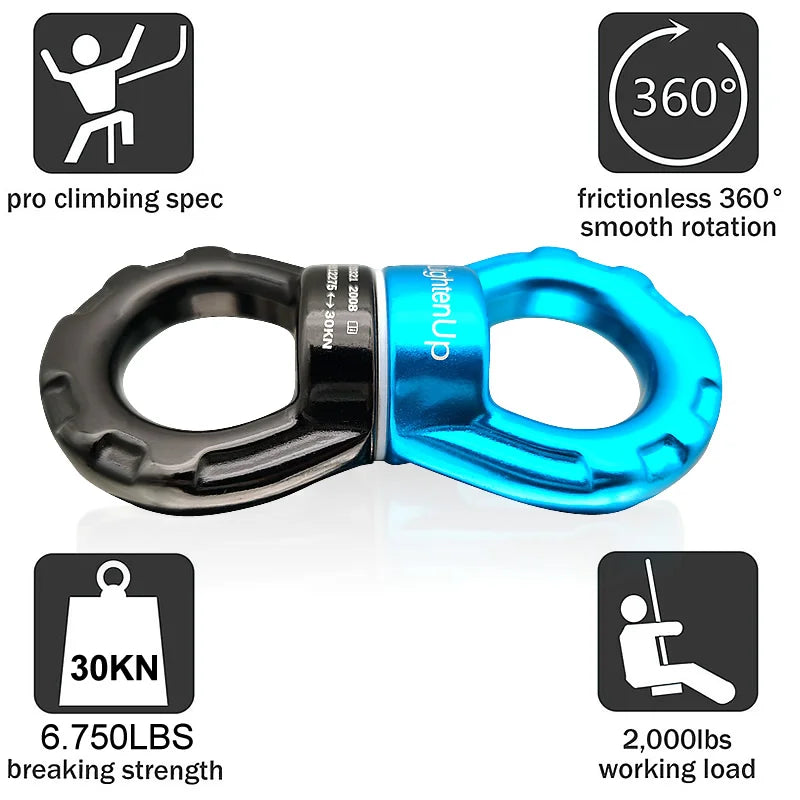
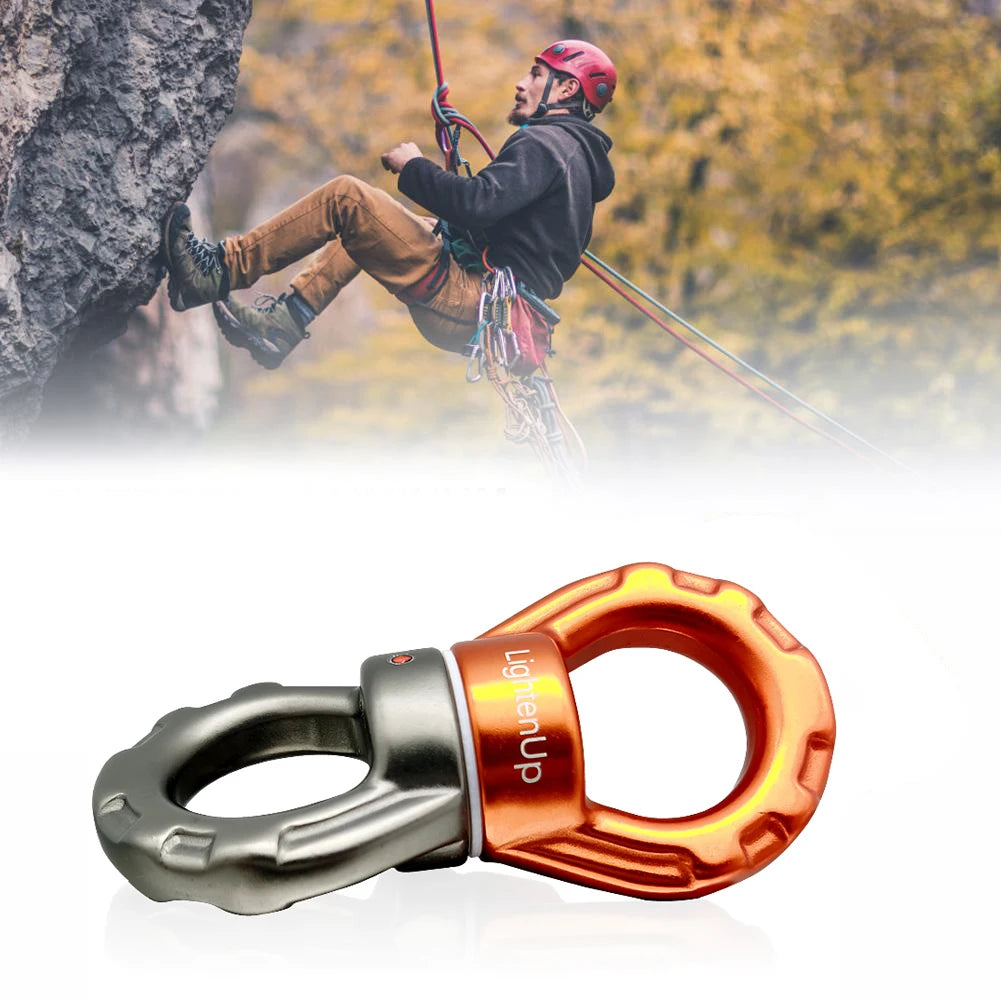
A swivel is designed to rotate freely under load. Instead of transferring twisting energy into the rope, the swivel absorbs and redirects rotational movement. This keeps the system aligned and functioning more smoothly.
- Reduces rope twisting
- Supports safe rope rotation for climbing
- Improves rope handling
- Helps prevent rope wear with swivels
- Reduces tangles and knots
- Enhances efficiency during movement
- Supports better load alignment
| Challenge | Without Swivel | With Swivel |
|---|---|---|
| Rope Twist | Builds quickly | Reduced significantly |
| Rope Handling | Less predictable | Smoother operation |
| Equipment Wear | Higher friction | Reduced friction |
| Efficiency | More interruptions | Better workflow |
Step 1: Eliminate Dangerous Rope Twists
One of the most immediate examples of how rope swivels improve safety is their ability to minimize rope twists.
Rope twists often develop gradually. Repeated lowering, rappelling, hauling, ascending, and directional changes can introduce rotational forces. Eventually, the rope begins coiling, kinking, and tangling.
These twists create several problems:
- Reduced rope handling performance
- Higher friction through devices
- Increased inspection difficulty
- Potential snagging hazards
- Faster wear on rope fibers
A swivel interrupts this cycle by allowing the connected system to rotate independently. Instead of storing twist inside the rope, movement is released through the swivel mechanism.
Many climbers notice easier rope feeding, cleaner rappels, and smoother transitions immediately after adding a quality swivel to their system.
Real-World Example
Imagine descending multiple pitches during a long alpine route. Without rotational relief, each rappel can add small amounts of twist. By the final descent, rope management becomes increasingly frustrating. A swivel helps maintain cleaner rope orientation throughout the day.
Step 2: Reduce Friction and Rope Wear
Preventing rope wear with swivels is one of the most valuable long-term benefits. Rope replacement is expensive, and excessive wear can reduce performance and confidence in your equipment.
When ropes twist excessively, friction increases. Friction creates heat, abrasion, and uneven stress distribution. While no swivel eliminates all wear, it can reduce unnecessary rotational stress that contributes to premature deterioration.
How Swivels Help Protect Rope Fibers
- Reduce rotational strain.
- Minimize rope kinking.
- Support straighter rope paths.
- Decrease friction accumulation.
- Improve overall load distribution.
This benefit becomes especially important in rescue systems, rope access work, and extended climbing trips where equipment experiences repeated use.
Many outdoor enthusiasts also organize supporting gear using Hooks, Clips & Carabiners to create cleaner and more efficient setups before entering technical terrain.
Understanding load ratings, materials, and intended applications can help you build a safer and more efficient climbing system.
Step 3: Improve Rope Management
Poor rope management contributes to delays, frustration, and avoidable mistakes. Whether you're climbing indoors or tackling remote routes, keeping ropes organized matters.
A rope swivel improves management by reducing the amount of twist entering the system. Cleaner rope paths mean fewer interruptions and fewer situations where climbers must stop to untangle equipment.
Benefits of Better Rope Management
- Faster transitions between climbing phases
- Less time fixing tangles
- Improved rope inspection visibility
- More predictable device operation
- Reduced frustration during long sessions
When preparing for multi-day adventures, many climbers also rely on Backpacking & Carry solutions and Gear Organizers & Pouches to keep critical equipment accessible.
💡 See it in action
Step 4: Support Efficient Movement
Safe rope rotation for climbing is about more than convenience. Smooth movement helps climbers focus on technique, communication, and route decisions rather than constantly correcting equipment problems.
Swivels support efficient movement by reducing resistance caused by accumulated twists.
Where Efficient Rotation Helps Most
- Multi-pitch climbing
- Rescue systems
- Industrial rope access
- Tree climbing
- Canyoneering
- Training environments
During repeated directional changes, rotational forces can build quickly. A swivel helps maintain smoother movement patterns and better equipment alignment.
User Experience Feedback
Many experienced climbers report that swivels make rope systems feel more predictable. Less twisting often translates into cleaner device operation and more efficient workflow throughout the climb.
| Activity | Benefit from Swivel |
|---|---|
| Rappelling | Reduced rope twist |
| Rescue Operations | Improved load management |
| Training Sessions | Less rope tangling |
| Tree Climbing | Smoother rotational movement |
Step 5: Enhance Long-Term Equipment Reliability
The final step in understanding how rope swivels improve safety involves long-term system reliability.
Every piece of climbing equipment experiences wear. While routine inspection remains essential, reducing unnecessary stress can help equipment perform more consistently over time.
A quality swivel may help:
- Reduce twisting stress
- Promote smoother movement
- Limit rope kinking
- Support consistent handling characteristics
- Improve overall system efficiency
When rotational forces are managed effectively, equipment components often work together more smoothly. This contributes to a more predictable climbing experience.
How to Choose Climbing Swivels
A guide to climbing rope swivels would not be complete without discussing selection criteria.
How to choose climbing swivels depends on your intended application, equipment compatibility, and safety requirements.
1. Verify Load Rating
Always select a swivel designed for the loads associated with your activity. Load ratings should comfortably meet or exceed expected requirements.
2. Evaluate Material Construction
Common materials include:
- Aluminum alloys
- Stainless steel
- High-strength steel
Each offers different advantages regarding weight, corrosion resistance, and durability.
3. Check Rotation Quality
A good swivel should rotate smoothly under expected conditions. Consistent rotation helps maximize the benefits of safe rope rotation for climbing.
4. Consider System Compatibility
Ensure the swivel integrates correctly with your rope, connectors, pulleys, and harness components.
5. Inspect Certifications and Specifications
Review manufacturer specifications carefully before use. Follow all instructions and inspection guidelines.
Recommended Option
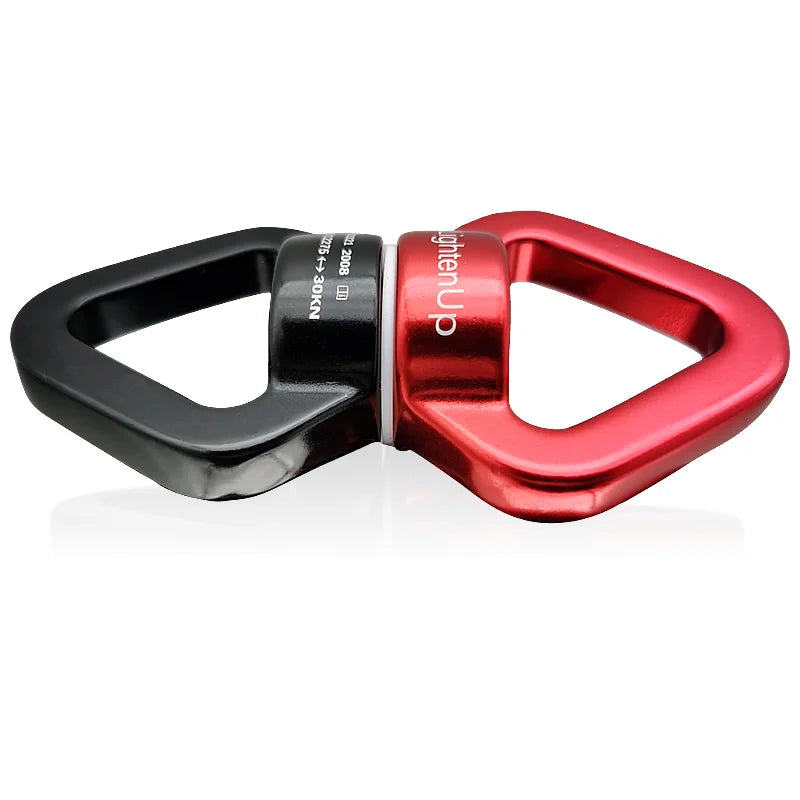
For climbers seeking an integrated rotating solution, the 30KN Climbing Carabiner Swivel Rotating Hook combines connection and rotation functionality in a compact design suitable for a variety of rope-management applications.
Swivel vs No Swivel Comparison
| Feature | Using a Swivel | No Swivel |
|---|---|---|
| Rope Rotation | Managed effectively | Twist accumulation |
| Rope Wear | Reduced rotational stress | Higher stress potential |
| System Efficiency | Smoother | More interruptions |
| Tangle Prevention | Improved | Less effective |
| User Experience | More predictable | Can become frustrating |
Common Mistakes to Avoid
- Using equipment without understanding load requirements.
- Skipping regular inspections.
- Ignoring compatibility concerns.
- Assuming swivels replace proper climbing practices.
- Failing to maintain equipment cleanliness.
- Using damaged connectors or ropes.
A swivel is designed to complement safe climbing habits, not replace them. Proper training, inspections, and equipment selection remain essential.
Supporting Gear for Outdoor Adventures
Many climbers and outdoor enthusiasts also benefit from related equipment categories including Safety, Survival & Emergency, Gloves & Protective Gear, Lightweight Daypacks, and Headlamps & Wearable Lights for improved preparedness on extended trips.
💡 See it in action
Practical Safety Checklist Before Every Climb
- Inspect rope condition.
- Check swivel operation.
- Verify connector integrity.
- Review load ratings.
- Confirm system compatibility.
- Inspect anchor points.
- Perform partner checks.
- Remove unnecessary twists before climbing.
Conclusion
Understanding how rope swivels improve safety can help climbers build more efficient and reliable rope systems. By supporting safe rope rotation for climbing, reducing tangles, improving rope management, and assisting in preventing rope wear with swivels, these compact devices address several common challenges faced by climbers and outdoor professionals.
Whether you are learning the basics or refining an advanced setup, selecting the right swivel and integrating it correctly can contribute to smoother operation and a better overall climbing experience. For those seeking a rotating connection solution, the 30KN Climbing Carabiner Swivel Rotating Hook is worth considering before your next adventure.
Reduce rope twists, improve handling, and build a more efficient climbing setup before your next outdoor challenge.
Frequently Asked Questions
What is a rope swivel used for?
A rope swivel is used to allow controlled rotation between connected components. This helps reduce rope twisting, improve rope handling, and support smoother movement within a climbing or rope-access system.
Do rope swivels make climbing safer?
When used correctly within a properly designed system, rope swivels can help reduce twist-related issues, improve rope management, and support more predictable equipment performance.
Can a swivel prevent rope wear?
A swivel cannot eliminate wear entirely, but preventing rope wear with swivels is possible because rotational stress and unnecessary twisting are reduced.
How do I choose climbing swivels?
Consider load ratings, material construction, compatibility, intended application, and manufacturer specifications when deciding how to choose climbing swivels.
Is a swivel necessary for every climbing setup?
Not every system requires a swivel. However, activities involving frequent rotation, rappelling, rescue operations, or repetitive movement often benefit the most from swivel integration.
Related Articles:
- Tips For Aerial Yoga Rigging To Prevent Tangles Fast
- Using Swivel Carabiners For Hammocks Like A Pro
- Setting Up A Rescue Rope Swivel The Right Way
- Prevent Hammock Rope From Twisting Without Re-Rigging
Pillar Articles:





