

Why Rock Climbing Swivel Design Delivers Smoother Descents
What is a rock climbing swivel and why does it improve rope handling?
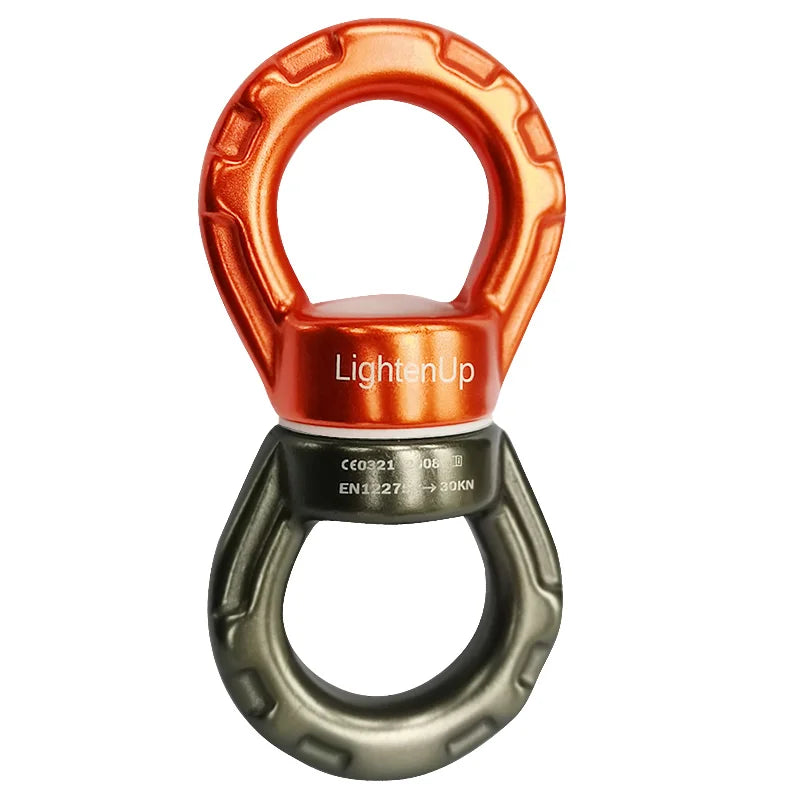
A rock climbing swivel is a rotating hardware device used in climbing systems to prevent rope twisting and tangling during movement and descent. A rock climbing swivel improves rope flow by allowing smooth 360-degree rotation between connectors, reducing friction, minimizing wear on gear, and helping climbers maintain better control during rappels, multi-pitch climbs, and rope-intensive routes.
- Reduces rope twisting and knot buildup
- Improves safe rope rotation for climbing systems
- Enhances descent control and stability
- Extends rope and hardware lifespan
Have you ever finished a climb only to spend more time untangling your rope than enjoying the view? That frustration is exactly what swivel design aims to solve.
How does a rock climbing swivel improve descents?
A rock climbing swivel improves descents by allowing the rope system to rotate freely under load, preventing twisting that can cause jams, uneven friction, or unstable rappels. The rock climbing swivel carabiner device keeps alignment smooth, reduces rope stress, and enhances control during lowering or multi-directional movement on vertical terrain.
- Enables smoother rope rotation under load
- Prevents dangerous rope twisting during rock climbing
- Reduces friction during controlled descent
- Improves consistency in multi-direction rope movement
Why Rock Climbing Swivel Design Delivers Smoother Descents
⏱ 10 min read
If you’ve ever felt your rope tighten awkwardly mid-descent or watched it coil into frustrating knots at the worst possible moment, you’re not alone. Rope twisting during rock climbing is one of the most common challenges climbers face on both indoor and outdoor routes. So what actually makes descents smoother and more controlled?
The answer often lies in small but powerful hardware design improvements—especially the rock climbing swivel. This compact device changes how your rope interacts with your system, allowing controlled rotation that reduces stress, improves flow, and enhances safety in real climbing conditions.
👉 Discover must-have climbing gear designed for smoother rope handling and safer adventures.
💡 See it in action
👉 Learn how to choose the right climbing gear for safer, smoother outdoor performance.
Why rope twisting happens during rock climbing
Rope twisting during rock climbing is often caused by repeated rotation under load, uneven belay transitions, and natural motion during descent. When a climber rappels or lowers repeatedly, the rope accumulates torque that builds into coils, knots, and unpredictable tension points.
Environmental factors also contribute. Wind, rock edges, and uneven anchor setups can force the rope into irregular motion. Over time, this creates resistance that affects both safety and performance.
- Repeated rappelling without rotation control
- Multi-directional rope movement on anchors
- Uneven load distribution during descent
- Friction from rock surfaces and gear contact
These issues may seem minor at first, but they can quickly escalate into safety concerns when managing long routes or technical terrain.
How rock climbing swivel design works in climbing systems
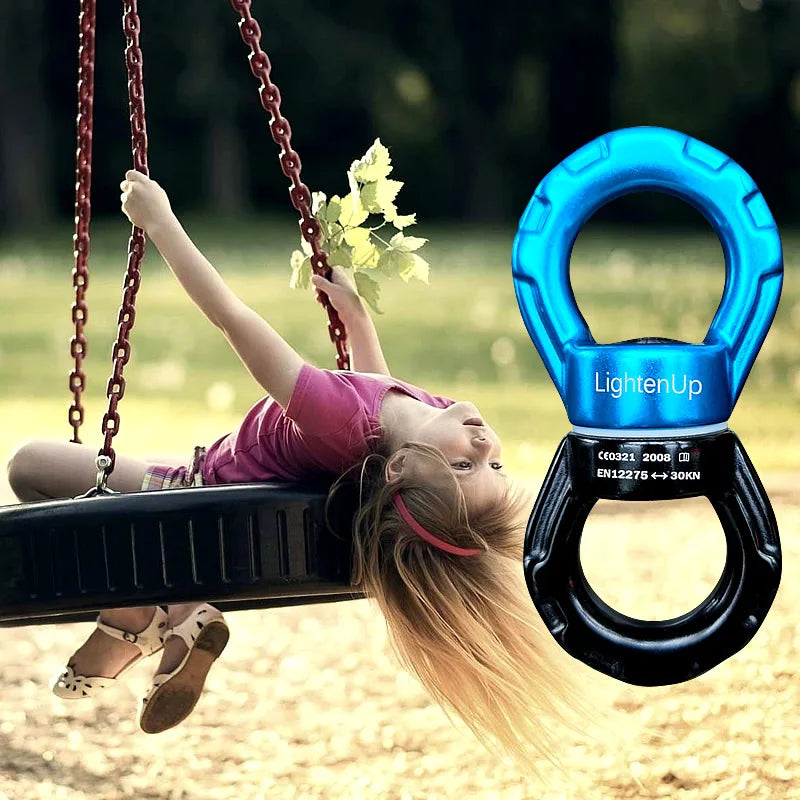
A rock climbing swivel works by introducing a controlled rotational joint between connection points in your climbing system. This allows hardware and rope segments to rotate independently without transferring torque through the entire system.
Instead of forcing the rope to absorb twisting forces, the swivel absorbs and releases them naturally through rotation. This leads to smoother rope movement and less mechanical resistance during descents.
💡 See it in action
Core mechanics of swivel performance
- 360-degree rotation: Allows full directional movement
- Load-bearing pivot: Maintains strength under tension
- Torque isolation: Prevents rope twist transfer
- Friction reduction: Improves rope glide efficiency
This combination creates a system where rope movement feels more natural, especially during long descents or repetitive climbs.
Key benefits of using a rock climbing swivel
Climbers often underestimate how much rope behavior affects overall performance. A rock climbing swivel improves not only comfort but also safety and efficiency across different climbing styles.
| Feature | Benefit |
|---|---|
| Rotation control | Prevents rope twisting buildup |
| Load stability | Maintains consistent descent tension |
| Gear longevity | Reduces wear on rope fibers |
| Movement efficiency | Smoother transitions between anchors |
When combined with proper rope management habits, swivels significantly improve climbing reliability in real-world conditions.
- Better descent control on steep routes
- Reduced fatigue from rope handling
- Lower risk of rope jams or tangles
- Improved multi-direction climbing efficiency
Swivel vs traditional carabiner systems
Traditional carabiner setups provide strong connection points but do not address rotational force. Over time, this leads to rope twisting during rock climbing, especially in repeated descents or when dealing with dynamic anchor systems.
A rock climbing swivel carabiner device adds rotational freedom, solving this limitation while maintaining structural integrity.
Side-by-side comparison
- Traditional carabiner: Fixed alignment, no rotation control
- Swivel system: Dynamic rotation reduces torque buildup
- Result: Smoother rope flow and improved descent stability
This difference becomes especially noticeable on long vertical routes where rope twist compounds over time.
Using swivels in multi-pitch climbing
Multi-pitch climbing introduces repeated transitions between anchors, which increases the chance of rope twisting. A rock climbing swivel becomes especially valuable in these scenarios, where rope management directly affects speed and safety.
By reducing rotational buildup, climbers can transition more efficiently between pitches without stopping to untangle or reset rope alignment.
- Improves efficiency at each anchor point
- Reduces downtime during transitions
- Maintains smoother rope flow across multiple segments
- Enhances communication and coordination between climbers
In group climbing scenarios, this can make the difference between a smooth ascent and a frustrating delay.
Safe rope rotation for climbing best practices
Safe rope rotation for climbing isn’t just about hardware—it also involves proper usage technique. Even with a swivel, correct rope handling ensures maximum efficiency and safety.
👉 Get yours now before your next trip and experience smoother rope control on every climb.
Best practices for safer rope handling
- Inspect swivel alignment before each climb
- Avoid overloading rotation beyond rated limits
- Combine swivel use with proper belay technique
- Regularly check rope condition for wear patterns
These habits help maintain consistent performance and reduce unexpected rope issues on the wall or rock face.
Integrating swivels into your climbing setup
Modern climbing systems often combine multiple pieces of hardware to achieve optimal performance. A rock climbing swivel fits into this ecosystem by acting as a rotation-control hub between carabiners, harness systems, and rope anchors.
It can be paired with:
When integrated properly, the swivel enhances the entire system rather than functioning as an isolated component.
Choosing the right rock climbing swivel device
Not all swivels are designed the same. The best choice depends on your climbing style, load requirements, and frequency of use. A durable rock climbing swivel should support consistent rotation under tension without compromising structural safety.
One example is a compact rotating system designed for rope efficiency and load control, such as the 30KN climbing carabiner swivel rotating hook, which combines strength with smooth rotational movement.
- Check load rating suitability for your climbing type
- Ensure smooth rotation under weight
- Prioritize corrosion-resistant materials
- Test compatibility with your existing gear setup
Real-world climbing experiences with swivel systems
Many climbers report noticeable differences after switching to swivel-equipped setups. Common feedback includes reduced rope fatigue, smoother rappels, and fewer interruptions during long routes.
One climber described it as “removing a hidden layer of resistance I didn’t realize was slowing me down.” Another noted improved confidence during steep descents where rope control is critical.
These experiences highlight how small hardware changes can significantly impact overall climbing flow.
💡 See it in action
How swivels extend rope lifespan
Rope wear is often caused by friction, twisting, and uneven load distribution. By reducing torsional stress, a rock climbing swivel helps extend the usable life of climbing ropes.
This not only saves money over time but also improves safety by maintaining more consistent rope integrity across multiple climbs.
- Reduces internal fiber stress
- Minimizes abrasion from twisting
- Maintains rope flexibility longer
- Improves long-term gear sustainability
Where rock climbing swivels make the biggest difference
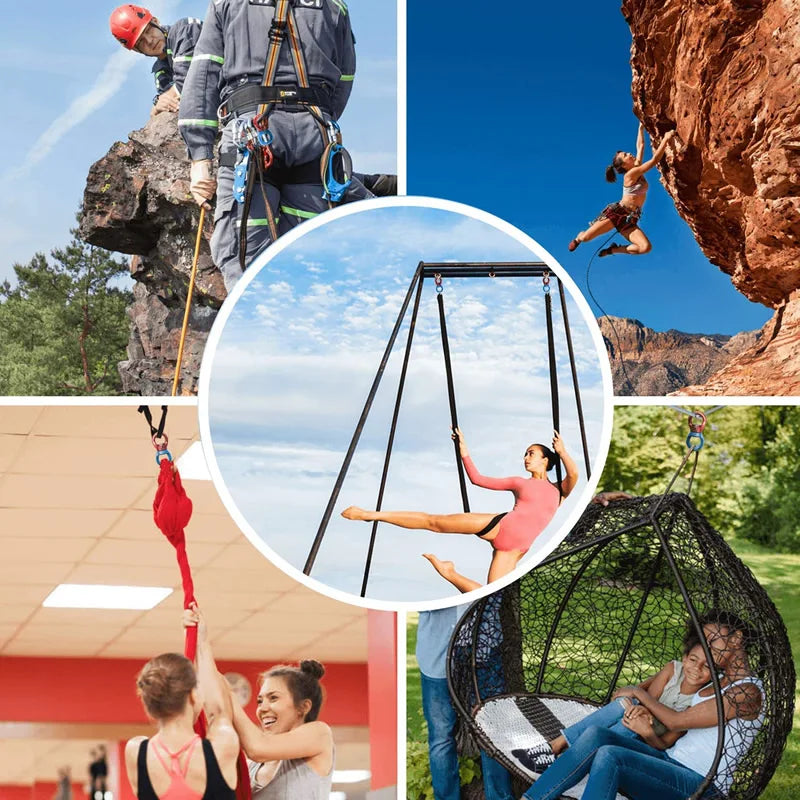
Swivel systems are especially useful in environments where rope movement is frequent and complex. These include alpine routes, multi-pitch climbs, and training setups where repeated descents occur.
- Vertical cliff descents with multiple anchors
- Indoor climbing training with repeated reps
- Expedition climbing with heavy gear loads
- Rope-intensive rescue scenarios
Optimizing your climbing system for smoother descents
To get the most from a rock climbing swivel, it should be part of a balanced system that includes proper rope selection, anchor setup, and controlled descent technique.
Supportive gear such as Sleeping Bags & Sleeping Pads and Camping Lights & Lanterns can also enhance overall expedition comfort when climbing trips extend overnight.
When all components work together, climbers experience smoother transitions and more predictable rope behavior.
FAQ: rock climbing swivel
Do I really need a rock climbing swivel?
If you frequently rappel or climb multi-pitch routes, a swivel helps reduce rope twisting and improves overall handling efficiency.
Can a swivel replace proper rope technique?
No. It supports rope management but does not replace correct belay and descent practices.
Is it safe to use swivels for all climbing styles?
Yes, when used within rated load limits and proper system setup, swivels are safe for most recreational and professional climbing scenarios.
Does it affect descent speed?
Indirectly, yes. By reducing friction and rope resistance, descents can feel smoother and more controlled.
How do I maintain a climbing swivel?
Regularly inspect for wear, clean after exposure to dirt or salt, and ensure smooth rotation before each use.
Final thoughts on rock climbing swivel performance
The rock climbing swivel is a small but powerful upgrade that directly impacts rope behavior, safety, and efficiency. By reducing rope twisting during rock climbing and improving safe rope rotation for climbing, it helps climbers focus more on movement and less on gear issues.
Whether you're tackling technical routes or enjoying long multi-pitch adventures, integrating a swivel into your system can transform how smoothly every descent feels.
👉 Get yours now before your next climb and experience smoother, safer rope control from start to finish.
Related Articles:
- 5 Benefits Of An Anodized Aluminum Rotating Climbing Hook
- How A 30Kn Load Bearing Rope Swivel Boosts Safety
Pillar Articles:





