

Aerial Yoga Equipment For Every Skill Level And Goal
What is aerial yoga equipment and why does it matter for your practice?
Aerial yoga equipment refers to hammocks, rigging hardware, and support tools used to safely suspend the body during yoga practice. A complete aerial yoga equipment setup improves balance, reduces joint strain, and allows deeper movement exploration. The right configuration enhances safety, comfort, and progression from beginner poses to advanced aerial flow sequences.
Aerial Yoga Equipment For Every Skill Level And Goal
⏱ 7 min read
Ever tried getting into an aerial pose only to feel your hammock twist, your grip shift, or your setup limit your movement? What if your gear was the reason your practice felt harder than it should?
👉 Discover must-have camping gear that supports safer movement and better outdoor training experiences.
💡 See it in action outdoors
Why Aerial Yoga Equipment Matters for Safety and Flow
Good aerial yoga equipment is the foundation of every safe and enjoyable practice. It distributes weight evenly, reduces friction points, and allows smoother transitions between poses. Without proper gear, even simple movements can feel unstable or restricted.
Many practitioners underestimate how much hardware impacts performance. A secure setup doesn’t just hold you—it supports confidence, progression, and creativity in movement.
Key benefits of proper aerial yoga equipment
- Improves balance and body awareness during suspension
- Reduces strain on wrists, shoulders, and lower back
- Enables smoother transitions between poses
- Extends equipment lifespan through reduced twisting stress
Practitioners often report that upgrading gear feels like “unlocking” new movements they couldn’t access before.
Beginner Aerial Yoga Equipment Setup: Stability First
For beginners, aerial yoga equipment should focus on stability, simplicity, and comfort. The goal is to build confidence before introducing rotation or advanced rigging systems.
Essential beginner gear
- Aerial hammock with reinforced fabric
- Basic ceiling anchor system
- Fixed carabiners for static support
- Protective mats under setup
At this stage, avoid complex rotating systems. A fixed setup helps the body adjust to suspension without unnecessary motion.
👉 Learn how to choose the right hiking gear and support tools for safer movement training.
Common beginner mistakes
- Overcomplicating rigging systems too early
- Using non-rated hardware for body weight
- Ignoring anchor height and spacing
- Skipping regular equipment inspection
💡 See it in action outdoors
Intermediate Aerial Yoga Equipment: Introducing Swivel Movement
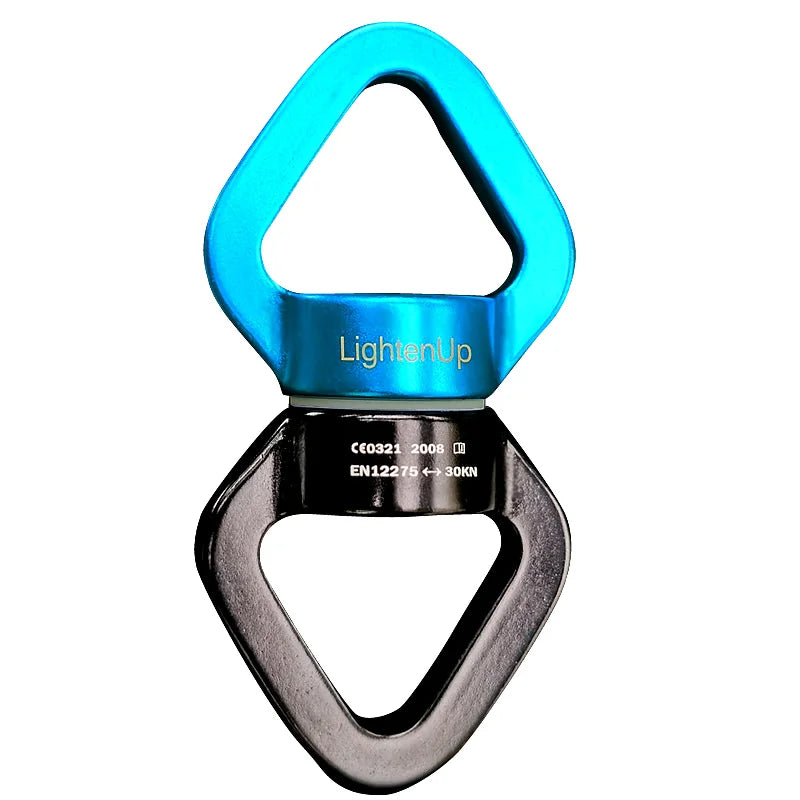
Once you’re comfortable with static poses, intermediate aerial yoga equipment introduces controlled rotation. This is where swivel systems become essential for fluid movement and reduced rope twisting.
Why swivels matter at this stage
Without a swivel system, hammocks twist during transitions, creating discomfort and limiting flow. A swivel allows controlled rotation while maintaining structural safety.
- Reduces rope tangling during inversions
- Improves transition smoothness
- Minimizes wear on fabric and anchors
- Enhances spinning and flow-based routines
Many users notice immediate improvement in movement fluidity after adding a swivel for aerial yoga tangles.
Intermediate upgrade checklist
| Component | Benefit |
|---|---|
| Swivel hardware | Allows controlled rotation |
| Reinforced hammock straps | Improves load distribution |
| Upgraded carabiners | Higher safety rating for dynamic movement |
| Anchor reinforcement | Supports increased motion stress |
Advanced Aerial Yoga Equipment: Flow, Spin, and Performance
At the advanced level, aerial yoga equipment becomes a performance system. Practitioners focus on aerial choreography, continuous spinning, and dynamic transitions.
Advanced gear features
- High-load-rated swivel systems
- 360-degree rotation capability
- Dual anchor suspension setups
- Professional-grade rigging hardware
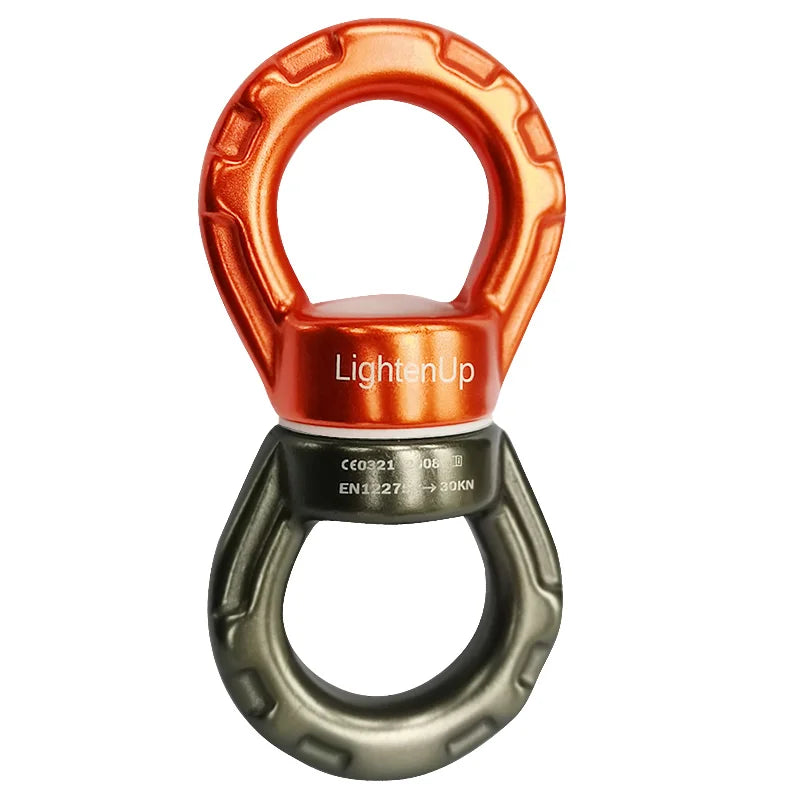
This is where a degree rotating rope swivel becomes essential. It enables continuous motion without torque buildup, which is critical for long flow sequences.
Advanced practitioner insight
Experienced aerial yogis often report that upgrading swivel hardware reduces fatigue and improves flow endurance. The body works less against gear resistance and more with natural movement physics.
👉 Get yours now before your next training session and experience smoother aerial transitions.
Choosing the Right Aerial Yoga Swivel Attachment Hardware
Not all aerial yoga swivel attachment hardware is the same. The right choice depends on skill level, movement style, and load requirements.
What to look for
- Load rating suitable for body weight + dynamic motion
- Smooth rotational mechanism
- Corrosion-resistant materials
- Secure locking system
A high-quality swivel reduces friction and prevents sudden jerks during transitions, making practice safer and more enjoyable.
Product highlight
For practitioners seeking durability and rotation efficiency, this degree rotating rope swivel provides reliable motion control for both beginner and advanced setups.
Tips for Aerial Yoga Rigging: Safer Setup, Better Flow
Proper rigging is the difference between a smooth practice and a risky setup. These tips help improve safety and performance.
Essential rigging practices
- Always inspect anchors before each session
- Ensure even weight distribution across straps
- Test swivel rotation before full suspension
- Maintain clear space around movement zone
Pro-level rigging insights
- Use redundancy in anchor systems when possible
- Avoid sharp edges near suspension points
- Replace worn straps immediately
- Track equipment usage cycles for safety planning
Following these tips reduces unexpected gear failure and improves long-term equipment reliability.
Aerial Yoga Equipment Comparison: Beginner vs Advanced Setup
| Level | Equipment Focus | Movement Style | Key Benefit |
|---|---|---|---|
| Beginner | Static hammock + fixed anchors | Basic poses | Stability and safety |
| Intermediate | Swivel attachment hardware | Flow transitions | Reduced tangles |
| Advanced | Full rotation systems | Dynamic aerial flow | Performance freedom |
Aerial Yoga Equipment Safety and Setup Checklist
- Check all carabiners for wear before use
- Confirm anchor weight rating exceeds body load
- Ensure swivel rotates smoothly without resistance
- Keep landing area clear of obstacles
- Test system with partial load before full use
Consistency in safety checks builds long-term trust in your setup and reduces injury risk significantly.
💡 See it in action outdoors
FAQ: Aerial Yoga Equipment
What is the most important aerial yoga equipment?
The most important aerial yoga equipment includes a rated hammock, secure anchors, and reliable swivel hardware. These components ensure safety, stability, and smooth movement during practice.
Do I need a swivel for aerial yoga?
A swivel is not mandatory for beginners, but it becomes essential for intermediate and advanced practitioners. It reduces rope twisting and improves flow during dynamic movements.
How often should aerial yoga equipment be replaced?
Inspection should be done regularly, and components should be replaced when wear, fraying, or reduced rotation performance is observed.
Can aerial yoga equipment be used outdoors?
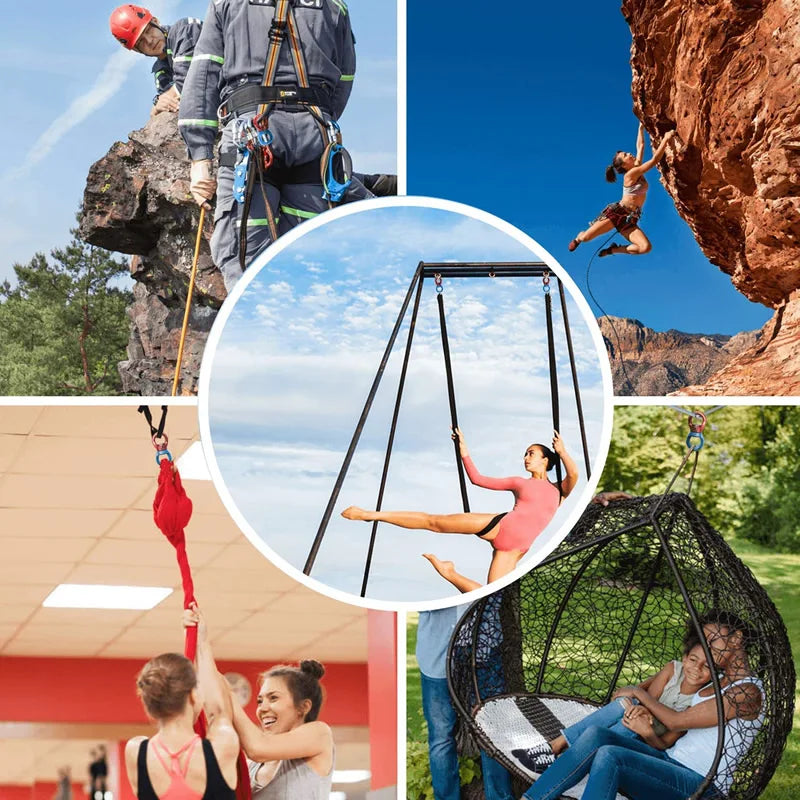
Yes, but only with proper anchoring systems and weather-protected setups. Outdoor environments require extra attention to safety and stability conditions.
What reduces twisting in aerial yoga setups?
Using a swivel for aerial yoga tangles helps reduce rope twisting by allowing controlled rotation during movement.
Final insight: The right aerial yoga equipment doesn’t just support your body—it transforms how you move, explore, and progress through every stage of practice.
Related Articles:
- Climbing Rope Keeps Getting Tangled? Who Needs A Swivel Most
- Lightweight Hammock Swivel Carabiner For Frequent Travelers
Pillar Articles:





