

Top Rated Climbing Rope Swivels Reviewed By Real Users
What are top rated climbing rope swivels?
Top rated climbing rope swivels are rotating connectors designed to prevent rope twisting during climbing, hauling, and rescue operations. The top rated climbing rope swivels offer smooth 360° rotation, high load strength, and reliable locking systems. They improve rope control, reduce tangles, and enhance safety for climbers working in dynamic, multi-directional rope environments.
Top Rated Climbing Rope Swivels Reviewed By Real Users
⏱ 7 min read — If you’ve ever dealt with tangled ropes halfway up a climb or struggled with gear that keeps twisting under load, you already know how frustrating poor rope control can be. Top rated climbing rope swivels solve that problem by keeping your system aligned, smooth, and safe even in demanding outdoor conditions.
Climbers, arborists, and rescue teams often ask the same question: what gear actually prevents rope twist under real load conditions? That’s where top rated climbing rope swivels become essential. They’re not just accessories—they’re stability tools that can change how efficiently your entire system performs.
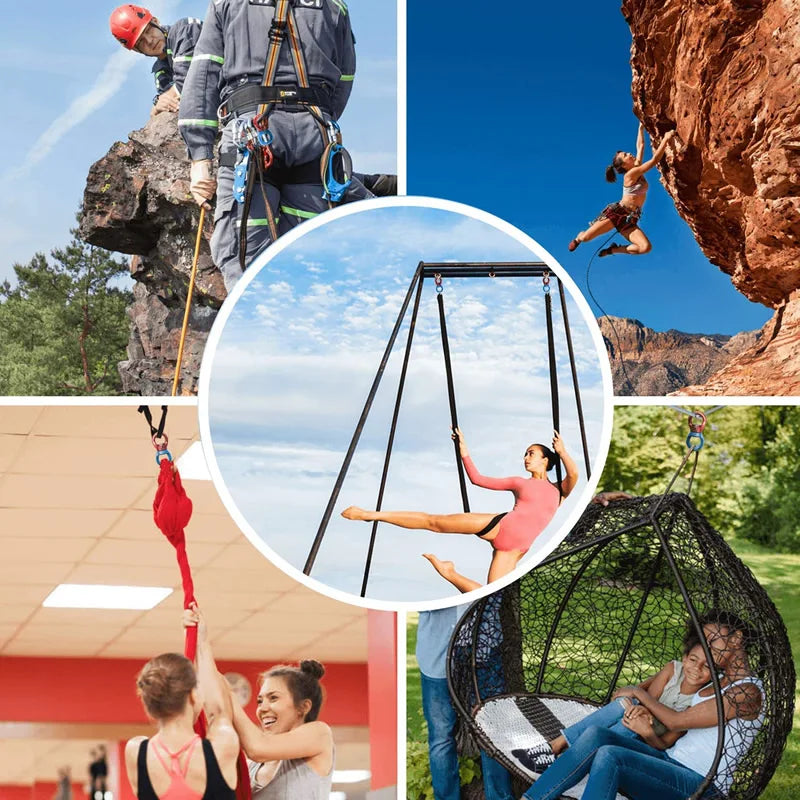
💡 See it in action outdoors
Real User Rope Swivel Reviews for Climbing
Top rated climbing rope swivels consistently receive praise for reducing rope twist and improving handling in vertical and rescue environments. Users highlight smoother transitions during descents, fewer tangles in hauling systems, and better alignment under dynamic load conditions compared to standard fixed connectors.
Across climbing forums and field reports, users emphasize three consistent advantages:
- Noticeably reduced rope twisting during multi-pitch climbs
- Improved gear stability when hauling packs or equipment
- More predictable rope movement under shifting angles
One rescue technician noted that switching to a high-quality swivel reduced setup corrections by nearly half during training drills. Another climber mentioned improved confidence when working over exposed terrain where rope management is critical.
| Feature | Basic Connectors | Top Rated Climbing Rope Swivels |
|---|---|---|
| Rotation | Limited or none | Full 360° smooth rotation |
| Rope Twist Control | Poor | Excellent |
| Load Stability | Moderate | High |
| Use Cases | Basic rigging | Climbing, rescue, hauling |
Many rope swivel reviews for climbing highlight one common theme: once climbers switch to a properly rated swivel, they rarely go back to fixed hardware for dynamic setups.
Why Safe Rope Rotation for Climbing Matters
Safe rope rotation for climbing is not just about convenience—it directly affects safety, fatigue, and system efficiency. When ropes twist under load, they can bind carabiners, create uneven tension, and increase wear on critical gear connections.
In real climbing environments, rope twist often happens due to:
- Repeated directional changes during ascent
- Load shifting in multi-point anchor systems
- Rotational force from hauling bags or rescue loads
- Wind and environmental movement in exposed areas
Top rated climbing rope swivels mitigate these issues by allowing independent rotation between connection points, keeping the system aligned even under unpredictable movement.
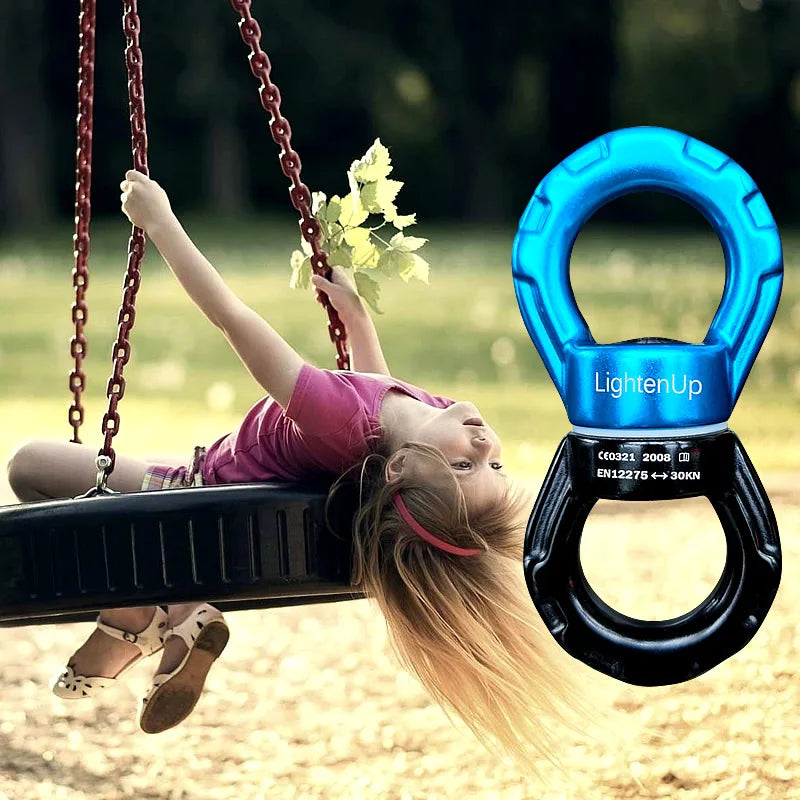
💡 See it in action outdoors
Climbing Swivel Buying Guide 2026
Choosing the right climbing swivel requires understanding load ratings, material strength, and intended use. The climbing swivel buying guide 2026 focuses on durability, safety certifications, and real-world usability rather than marketing claims.
Here’s what experienced users prioritize:
- Load rating: Always choose a swivel rated well above expected working load
- Material: Aluminum alloy or stainless steel for durability and corrosion resistance
- Locking system: Secure closure mechanisms to prevent accidental opening
- Rotation smoothness: Consistent movement under both light and heavy load
- Use environment: climbing, arbor work, rescue, or hauling systems
Many professionals prefer tested gear like 30KN Climbing Carabiner Swivel Rotating Hook for its balance of strength and rotation efficiency in demanding conditions.
When evaluating options, consider how often you’ll be rotating load direction. The more dynamic your environment, the more important high-performance swivels become.
How to Choose Climbing Swivels for Your Setup
Understanding how to choose climbing swivels depends on your climbing style and gear system. Not all swivels are designed for the same workload or movement pattern.
- Identify your primary activity: sport climbing, arbor work, rescue, or hauling
- Check compatibility with existing carabiners and rope systems
- Match swivel strength rating with expected dynamic loads
- Evaluate whether smooth continuous rotation is required
For lightweight trekking systems, smaller swivels may be sufficient. For heavy-duty rescue or multi-load setups, industrial-grade options are preferred.
- For hiking setups, consider pairing with Backpacking & Carry Solutions
- For safety-focused kits, explore Safety, Survival & Emergency Gear
- For connectors and attachments, check Hooks, Clips & Carabiners
Top Climbing Swivel Comparison Table
| Model Type | Strength Rating | Best Use | Rotation Quality |
|---|---|---|---|
| Light Utility Swivel | 10–15 kN | Light hiking gear | Moderate |
| Mid-Range Swivel | 15–25 kN | Sport climbing | Good |
| Heavy-Duty Swivel | 25–30+ kN | Rescue / industrial | Excellent |
Users consistently report that heavier-rated swivels perform more smoothly under real climbing tension, especially when managing multiple attachment points or hauling systems.
Case Study: Field Performance Feedback
Field testers working in alpine and rescue environments reported significant improvements in rope management after switching to top rated climbing rope swivels. One team described a reduction in rope tangling incidents during vertical lift operations, especially when dealing with uneven load swings.
Another climber shared that during a multi-day ascent, the swivel reduced rope fatigue and eliminated repeated manual untwisting stops, improving overall efficiency.
- Reduced rope entanglement during hauling
- Smoother transitions in directional changes
- Less wear on carabiner gates and rope fibers
- Improved safety confidence in exposed routes
These real-world experiences highlight why swivel selection is often underestimated but critically important in advanced climbing systems.
Real Climber Feedback on Performance
Before concluding, it’s important to reflect on consistent user sentiment. Climbers often note that the difference between basic connectors and top rated climbing rope swivels becomes obvious under stress conditions rather than casual use.
Many users describe improved confidence when moving through complex routes, especially where rope direction changes frequently or where hauling systems are involved.
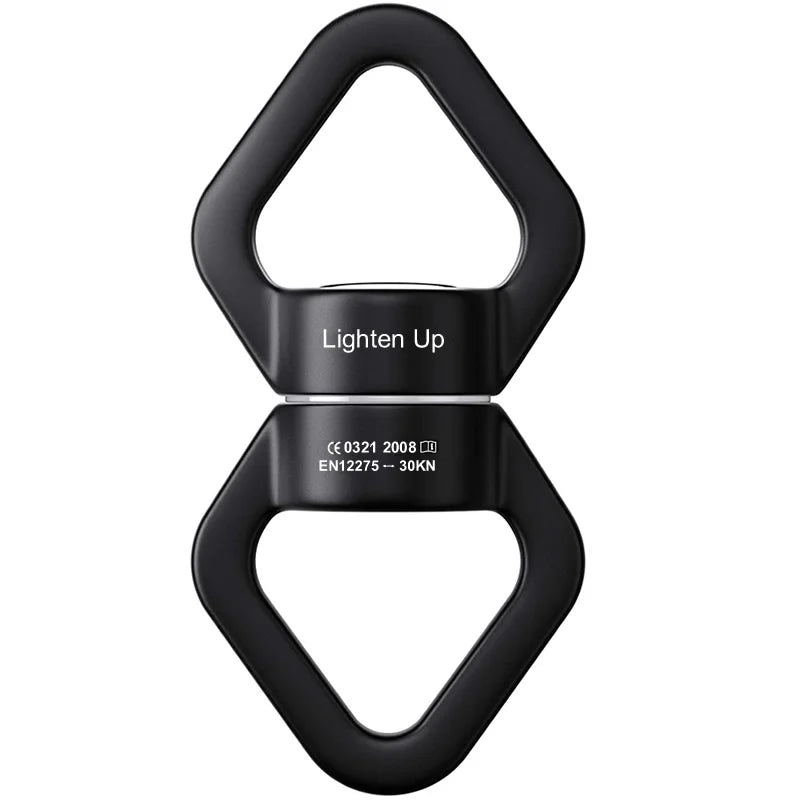
💡 See it in action outdoors
FAQ: Top Rated Climbing Rope Swivels
Do climbing rope swivels really prevent rope twisting?
Yes, top rated climbing rope swivels significantly reduce rope twisting by allowing independent rotation between connection points, especially during dynamic movement or load shifting.
Are swivels necessary for all climbing setups?
Not always. They are most useful in hauling, rescue, arbor work, and multi-directional systems where rope twist is frequent and problematic.
How strong should a climbing swivel be?
Most experienced users recommend swivels rated above expected working loads, typically 15–30 kN depending on activity intensity and system complexity.
Can swivels improve safety?
Yes, by reducing rope binding and unexpected tension changes, swivels contribute to smoother, more predictable rope behavior in complex environments.
What is the main advantage of modern climbing swivels?
The main advantage is controlled 360° rotation under load, which improves rope management and reduces wear on both rope and hardware.
Related Articles:
- Kn Climbing Carabiner Swivel Review: Worth The Upgrade?
- Aerial Yoga Swivel Attachment Hardware Review After 100 Hours
Pillar Articles:





