

How A 30Kn Load Bearing Rope Swivel Boosts Safety
What is a 30kN load bearing rope swivel and why does it matter?
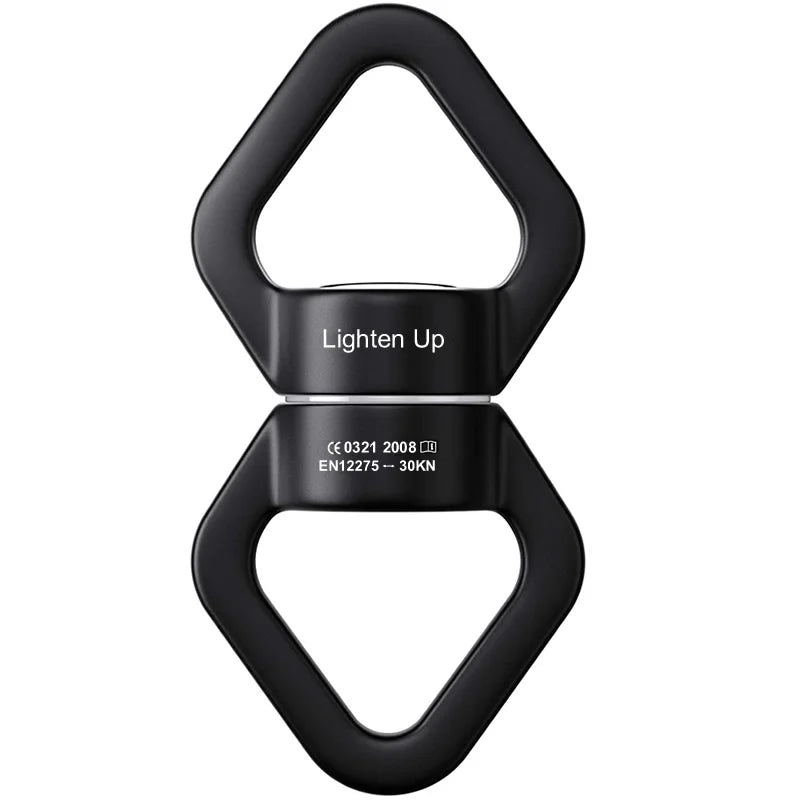
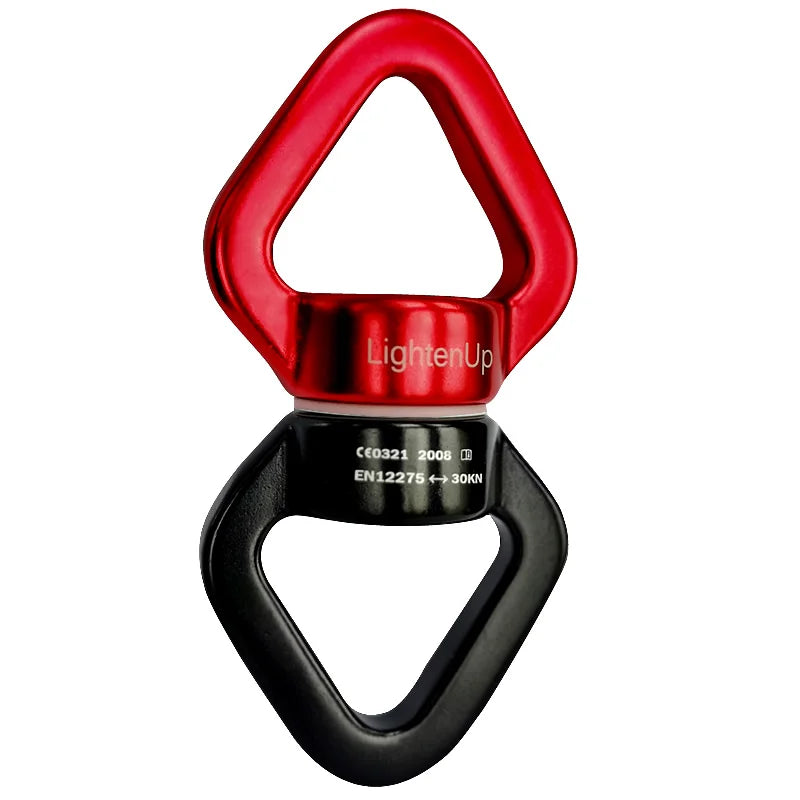
A kn load bearing rope swivel is a high-strength connector designed to rotate under heavy tension, typically rated up to 30 kilonewtons of force. This rotation prevents rope twisting, reduces friction, and improves load stability. It matters because it helps maintain safer rope systems during climbing, rescue operations, and outdoor rigging tasks.
How A 30kN Load Bearing Rope Swivel Boosts Safety
When you're suspended on a rope system—whether climbing, hauling gear, or setting up outdoor rescue lines—small equipment choices can make a huge difference. One overlooked but critical component is the kn load bearing rope swivel. It helps reduce twisting forces, manage load direction, and keep rope systems running smoothly under pressure.
Have you ever dealt with tangled ropes mid-climb or felt unnecessary drag in your system setup? These issues don’t just slow you down—they can increase wear and reduce safety margins. That’s where a 30kN-rated swivel becomes essential in modern rope-based activities.
💡 See it in action
How a 30kN Rope Swivel Improves Safety Under Load
A kn load bearing rope swivel rated at 30kN is engineered to handle extreme force while allowing smooth rotation. This reduces torsional stress on ropes and anchors, preventing sudden jerks or binding. The result is a more controlled system that improves safety in climbing, rigging, and rescue environments.
- Reduces rope twisting under dynamic load
- Maintains stable load alignment during movement
- Helps prevent sudden stress concentration points
- Improves efficiency in rope handling systems
In real-world use, even a small twist can compound into major operational inefficiency. A swivel acts as a buffer, distributing motion evenly across the rope system. This makes it especially useful in situations where movement is constant and direction changes frequently.
💡 See it in action
Anti-Twist Performance in Real Outdoor Scenarios
One of the biggest challenges in rope systems is uncontrolled twisting. Whether you're hauling equipment up a cliff or setting up a suspended line, torque buildup can compromise both efficiency and safety. A high strength rescue rope swivel solves this by rotating freely under load.
| Scenario | Without Swivel | With 30kN Swivel |
|---|---|---|
| Climbing ascent | Rope coils and resists movement | Smooth, aligned rope flow |
| Gear hauling | Frequent rope tangles | Stable vertical lift |
| Rescue lowering | Unpredictable rope twist | Controlled descent path |
Outdoor professionals often report that switching to a swivel system reduces setup frustration significantly. Instead of stopping to untangle or reset rope alignment, they maintain continuous motion, improving both safety and productivity.
Preventing Rope Wear with Swivels in Heavy Use
Rope degradation is often caused by friction, twisting, and uneven load distribution. Preventing rope wear with swivels is one of the most effective ways to extend equipment lifespan. By allowing free rotation, the swivel reduces abrasion points and internal fiber stress.
- Minimizes sheath abrasion during movement
- Reduces internal fiber fatigue from twisting
- Helps maintain rope elasticity over time
- Lowers replacement frequency of rope systems
Over time, this leads to noticeable cost savings and improved reliability. Instead of replacing ropes frequently due to hidden damage, users can extend usability through better load management design.
Rope Wear Factors Comparison
| Factor | Without Swivel | With Swivel |
|---|---|---|
| Twisting stress | High | Low |
| Friction points | Multiple | Reduced |
| Service life | Shorter | Extended |
For users who rely on consistent rope performance—such as climbers, rescue teams, or outdoor workers—this difference is critical for both safety and budget control.
Key Differences: Standard Connector vs Load Bearing Swivel
A heavy duty rope swivel connector is not just another clip or hook. Its design purpose is fundamentally different from static connectors. While traditional connectors hold position, swivels actively manage motion under load.
| Feature | Standard Connector | 30kN Rope Swivel |
|---|---|---|
| Rotation ability | None | 360° under load |
| Twist control | Low | High |
| Load stability | Moderate | High |
| System efficiency | Limited | Optimized |
This difference becomes especially noticeable in complex rope setups where multiple direction changes occur. Instead of fighting against rope tension, the system adapts naturally through controlled rotation.
High Strength Rescue Rope Swivel Applications
In emergency and rescue operations, reliability is everything. A high strength rescue rope swivel ensures that lines remain stable even under unpredictable movement and shifting loads. This is especially important when transporting injured individuals or heavy equipment.
Common applications include:
- Vertical rescue lowering systems
- Search and evacuation rope setups
- Industrial high-access work platforms
- Emergency hauling systems in unstable terrain
Many rescue teams integrate swivels into their standard rigging kits because they reduce the risk of line entanglement during critical moments. Even under stress, the system remains predictable and controlled.
How to Choose a Heavy Duty Rope Swivel Connector
Selecting the right heavy duty rope swivel connector involves more than just checking load ratings. You need to consider rotation smoothness, material durability, and compatibility with your rope system.
Selection Checklist
- Rated load capacity (30kN or higher for demanding use)
- Corrosion-resistant materials for outdoor environments
- Ball-bearing or sealed rotation system for smooth motion
- Compatibility with existing climbing or rigging gear
For users building a complete rope system, pairing swivels with durable connectors from Hooks, Clips & Carabiners ensures a more reliable setup. You can also explore Safety, Survival & Emergency gear for complete system safety upgrades.
Real-World Experience: Why Professionals Rely on Swivels
Experienced climbers and rescue operators often describe rope swivels as a “silent stabilizer” in their system. One technician shared that after switching to a 30kN swivel, rope tangles during multi-point lifts dropped significantly, reducing setup interruptions and improving team coordination.
Another outdoor instructor noted smoother group training sessions because students no longer struggled with twisted ropes during basic maneuvers. These improvements may seem small individually, but they compound into safer, more efficient operations over time.

💡 See it in action
Frequently Asked Questions
How strong is a 30kN swivel?
A 30kN swivel can typically handle around 3,000 kilograms of force under controlled conditions, making it suitable for climbing, rescue, and heavy-duty rope systems where safety margins are critical.
Does a rope swivel really prevent twisting?
Yes, it allows 360° rotation under load, which prevents torque buildup and reduces rope tangling during movement or lifting operations.
Can it reduce rope damage?
Absolutely. By reducing friction and internal twisting, it helps extend rope lifespan and maintain structural integrity over repeated use.
Where is it most useful?
It is most effective in climbing, rescue operations, rigging setups, and any situation where rope direction and load frequently change.
Is it compatible with standard climbing gear?
Yes, most 30kN swivels are designed to work with standard carabiners and connectors, including systems found in /products/30kn-climbing-carabiner-swivel-rotating-hook setups.
Final Thoughts on Rope System Safety
A kn load bearing rope swivel is a small component that delivers major improvements in safety, control, and durability. By reducing twist, lowering friction, and stabilizing load movement, it transforms how rope systems perform in demanding outdoor environments. For anyone serious about climbing, rescue, or rigging, it becomes an essential part of reliable gear setup.
Pillar Article: Why Rock Climbing Swivel Design Delivers Smoother Descents
Other Related Articles:
Explore More:





