

Prevent Hammock Rope From Twisting Without Re-Rigging
Prevent Hammock Rope From Twisting Without Re-Rigging
⏱ 8 min read
How Can You Prevent Hammock Rope From Twisting Without Taking Down Your Setup?
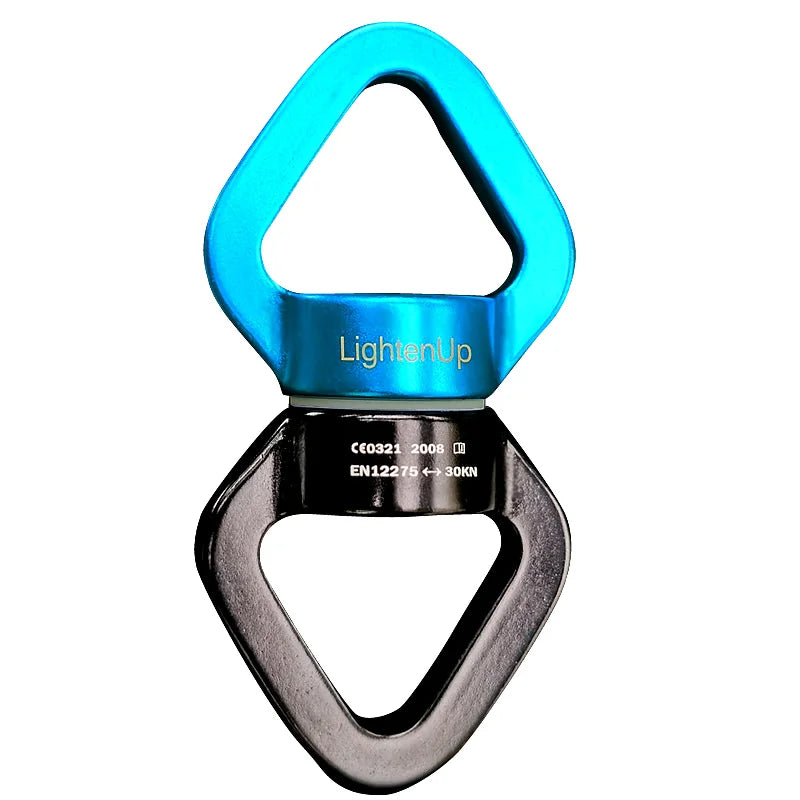
Yes. The easiest way to prevent hammock rope from twisting is to reduce rotational force at the suspension points, straighten loaded ropes, and add a rotating connection point. Many hammock owners solve twisting in minutes by using a swivel attachment, improving comfort, stability, and rope alignment without re-rigging the entire setup.
Twisting suspension lines can turn a relaxing afternoon into a constant battle with tangled ropes and uneven hammock positioning. If your hammock spins, bunches up, or feels uncomfortable after every entry and exit, you're not alone. The good news is that most hammock suspension rope twisting issues can be solved quickly without taking down your entire setup.
👉 Discover must-have camping gear that helps make outdoor relaxation simpler and more enjoyable.
💡 See it in action
Why Hammock Rope Twisting Happens
Most twisting develops gradually. Every time you enter, exit, rotate, or adjust your position, small amounts of rotational force transfer into the suspension system.
Over time, the rope stores that energy and begins to twist around itself.
Common causes include:
- Repeated entry from the same side
- Tree straps that are slightly misaligned
- Uneven suspension angles
- Wet ropes shrinking and tightening
- Movement during overnight camping
- Lack of a rotating connection point
What gear actually makes camping easier? Sometimes the answer is surprisingly small. A rotating connector can often eliminate the root cause of rope twisting before it becomes a recurring annoyance.
Quick Fixes You Can Use Right Now
To prevent hammock rope from twisting immediately, start by removing stored tension from the suspension system. These simple adjustments often provide noticeable improvement within minutes.
- Sit in the hammock and slowly rotate opposite the twist direction.
- Unload one side briefly to allow the rope to relax.
- Straighten any visible coils along the suspension line.
- Check that tree straps hang flat without crossing.
- Align both suspension points at similar angles.
- Inspect carabiners for rope bunching or binding.
These methods help, but they do not always stop twisting from returning. If the problem repeatedly comes back, the suspension system may need a component that allows free rotation.
| Issue | Quick Fix | Long-Term Result |
|---|---|---|
| Minor twists | Manual untwisting | Temporary |
| Uneven straps | Realignment | Moderate improvement |
| Frequent spinning | Rotating connector | Excellent improvement |
| Repeated tangles | Suspension upgrade | Long-lasting solution |
How a Swivel Connection Improves Comfort
A rotating connection point allows the hammock to move naturally while preventing rotational force from building up inside the rope. This is why many experienced campers consider using swivel carabiners for hammocks one of the simplest upgrades available.
A quality swivel lets the suspension rotate independently instead of forcing the rope to absorb twisting stress.
Benefits include:
- Smoother hammock movement
- Less rope wear over time
- Reduced tangles during setup
- Improved sleeping comfort
- Better load distribution
- Less need for constant adjustment
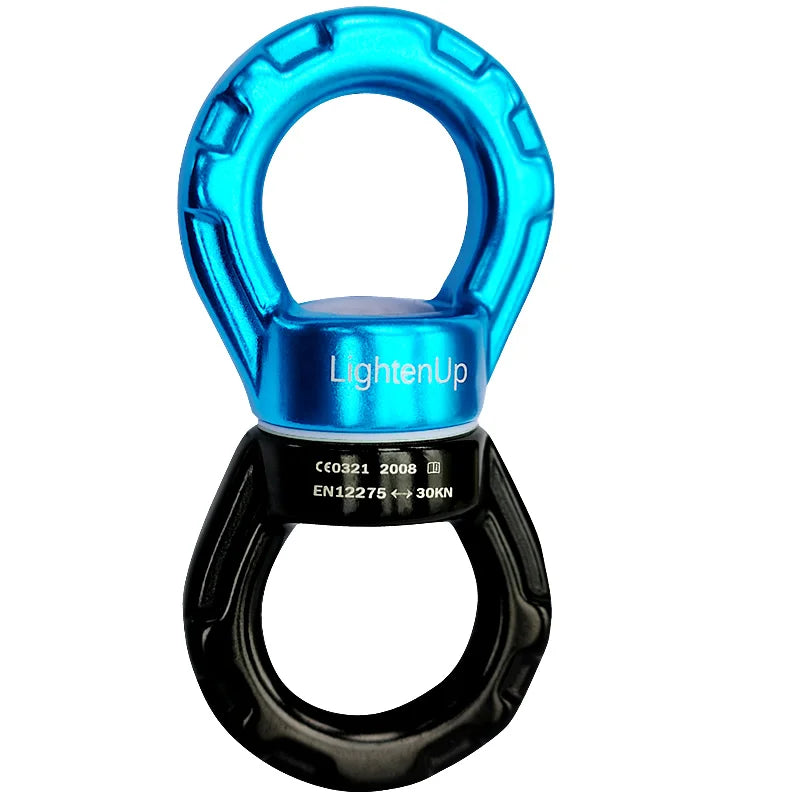
Many campers choose a lightweight hammock swivel carabiner because it installs quickly and works with existing hammock systems. Rather than rebuilding your suspension setup, you simply introduce a rotating point that allows natural movement.
One weekend camper reported that after adding a swivel connector, their hammock remained properly aligned throughout an entire three-night trip despite frequent entry and exit.
👉 Learn how to choose the right hiking gear and accessories that reduce setup frustrations before your next adventure.
💡 See it in action
Step-by-Step Anti-Twist Setup
If you want to prevent hammock rope from twisting consistently, follow this practical setup process.
1. Start With Straight Tree Straps
Ensure straps lay flat against the tree and do not cross themselves. Small twists here often multiply throughout the suspension system.
2. Check Suspension Angles
Keep both sides as symmetrical as possible. Uneven angles create unnecessary rotational forces.
3. Install a Rotating Connector
Add a swivel component such as a lightweight hammock swivel carabiner between the hammock and suspension.
4. Test Under Load
Sit in the hammock and slowly rotate. The swivel should move freely while the rope remains aligned.
5. Monitor During Use
After several entries and exits, inspect the suspension. You should notice less rope bunching and fewer twists.
Outdoor Checklist
- Flat straps
- Balanced anchor points
- Untangled suspension lines
- Properly functioning swivel
- Secure carabiner connections
- Comfortable hammock angle
Comparing Common Anti-Twist Solutions
| Solution | Cost | Difficulty | Effectiveness |
|---|---|---|---|
| Manual untwisting | Low | Easy | Temporary |
| Re-rigging entire hammock | Low | Moderate | Good |
| Replacing suspension ropes | Medium | Moderate | Good |
| Using swivel carabiners for hammocks | Medium | Easy | Excellent |
For most hammock owners, a rotating connector offers the best balance between convenience and performance. It addresses the source of hammock suspension rope twisting issues rather than repeatedly treating the symptoms.
Helpful Gear That Works Well Together
Improving hammock comfort often involves more than a single accessory. Many campers combine anti-twist solutions with complementary gear for a smoother outdoor experience.
- Hammocks & Straps for suspension upgrades
- Hooks, Clips & Carabiners for reliable connection points
- Outdoor Comfort & Recovery for relaxation-focused gear
- Blankets & Sleeping Comfort for overnight hammock camping
- Car Camping Accessories for convenient campsite setups
When campers combine proper suspension alignment with a rotating connection and quality accessories, they often spend less time troubleshooting and more time enjoying the outdoors.
Whether you're relaxing at a lakeside campsite, setting up in the backyard, or spending a weekend deep in the woods, reducing rope twisting helps create a more comfortable experience.
💡 See it in action
Why Many Campers Choose a Rotating Hook Solution
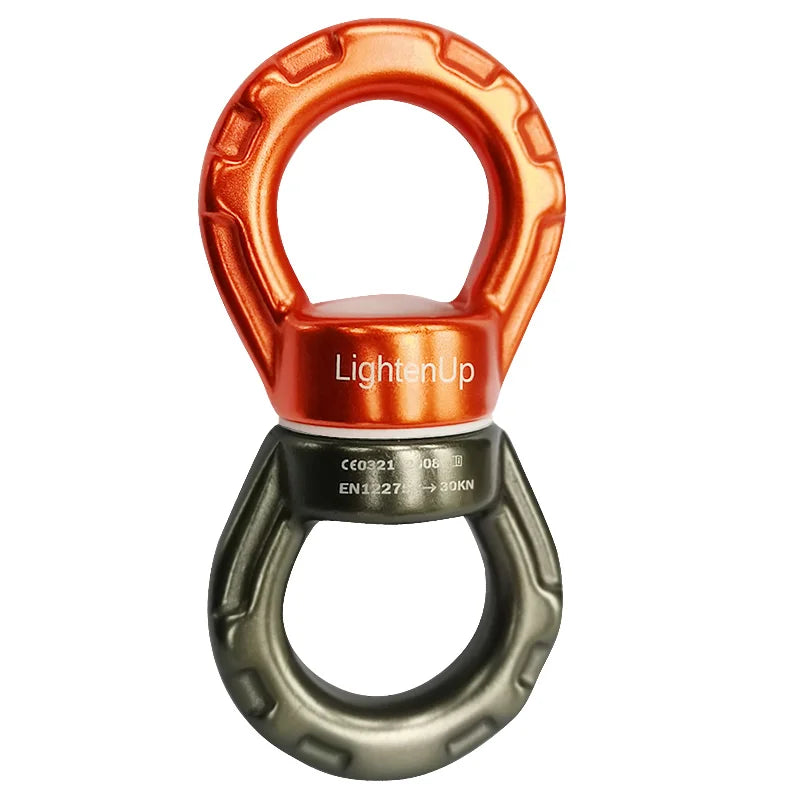
Campers looking for a practical way to prevent hammock rope from twisting often prefer a swivel-based setup because it requires minimal effort, works with existing gear, and improves comfort immediately. Instead of constantly correcting tangled suspension lines, the system manages rotational movement automatically.
- Simple installation
- No complete re-rigging required
- Compatible with many hammock setups
- Helps reduce suspension stress
- Supports smoother movement
👉 Get yours now before your next trip! Explore the 30KN Climbing Carabiner Swivel Rotating Hook and enjoy a more comfortable hammock setup.
Conclusion
Learning how to prevent rope twisting does not require replacing your entire hammock system. By correcting alignment issues, relieving stored tension, and adding a rotating connection point, you can dramatically reduce twisting while improving comfort.
For many outdoor enthusiasts, using swivel carabiners for hammocks provides the simplest and most effective solution. A lightweight hammock swivel carabiner can help eliminate recurring twists, reduce frustration, and make every camping trip more relaxing.
Frequently Asked Questions
Why does my hammock rope keep twisting?
Repeated movement, uneven suspension angles, and the absence of a rotating connection point can cause twisting to build up over time.
Can I fix hammock suspension rope twisting issues without taking everything down?
Yes. Minor twists can often be corrected by unloading the rope, straightening the suspension, and manually removing stored rotational tension.
Are swivel carabiners worth it for hammocks?
Many hammock users find them highly effective because they allow free rotation and help prevent twisting forces from accumulating in the rope.
What is a lightweight hammock swivel carabiner?
It is a rotating connector designed to provide strength while minimizing added weight, making it useful for camping and travel setups.
Will a swivel completely stop rope twisting?
While no solution is perfect, a properly installed swivel significantly reduces twisting and is often the most effective long-term option available.
Pillar Article: How Rope Swivels Improve Safety In 5 Easy Steps
Other Related Articles:
- Tips For Aerial Yoga Rigging To Prevent Tangles Fast
- Using Swivel Carabiners For Hammocks Like A Pro
- Setting Up A Rescue Rope Swivel The Right Way
Explore More:





