

Strap Sleeping Bag To Backpack: Step-By-Step Secure Guide
How do you strap sleeping bag to backpack securely?
To strap sleeping bag to backpack securely, compress it tightly, place it at the bottom or top of your pack, and use adjustable straps or compression buckles to lock it in place. This prevents shifting, improves balance, and makes bulky sleeping bags easier to carry during long hikes.
Strap Sleeping Bag To Backpack: Step-By-Step Secure Guide
Struggling with a bulky sleeping bag swinging off your pack or throwing off your balance mid-hike? You’re not alone. Learning how to strap sleeping bag to backpack the right way can transform your entire outdoor experience—making your load lighter, more stable, and far easier to manage on any trail.
⏱ 5 min read
Packing for a trip should feel exciting—not stressful. Yet many hikers face the same issue: oversized gear, awkward weight distribution, and constant readjustment. What if a simple technique could fix all that?
What gear actually makes camping easier? The answer often starts with how you pack it—not what you carry.
Explore essentials that make every trip smoother and more enjoyable.
💡 See it in action
Why Properly Strapping Your Sleeping Bag Matters for Comfort
A poorly attached sleeping bag can turn even a short hike into a frustrating experience. When weight shifts, it throws off your center of gravity, causing strain on your shoulders and back.
- Prevents imbalance during hiking
- Reduces fatigue over long distances
- Protects your sleeping bag from damage
- Maximizes available space inside your pack
Many hikers dealing with heavy sleeping bag difficult hiking travel situations find that the real problem isn’t weight—it’s poor packing technique.
Using tools from Backpacking & Carry can dramatically improve stability and comfort on the trail.
Step-by-Step: How to Strap Sleeping Bag to Backpack
To strap sleeping bag to backpack effectively, compress it tightly, position it at the top or bottom of your pack, and secure it using adjustable straps or buckles. This method ensures the load stays balanced, prevents shifting during movement, and keeps your gear compact for efficient hiking travel.
- Compress the sleeping bag: Use compression straps or sacks to reduce size.
- Choose the right position: Bottom (common) or top (for accessibility).
- Align evenly: Keep weight centered with your spine.
- Secure tightly: Use external straps or clips to lock it in place.
- Test stability: Walk a few steps and adjust if needed.
If your backpack lacks proper straps, consider gear from Hooks, Clips & Carabiners for quick solutions.
Upgrade your packing system for better balance and efficiency.
How This Simple Trick Makes Packing Sleeping Bag for Backpacking Trips Efficient
One of the biggest mistakes is underestimating compression. A loose sleeping bag takes up unnecessary space and creates instability.
- Use compression sacks from Compression & Packing Bags
- Roll instead of stuffing for consistent shape
- Remove excess air before sealing
- Keep it dry with Waterproof & Dry Bags
Mastering how to compress sleeping bag for travel is the difference between a bulky load and a streamlined pack.
Avoid These Common Packing Mistakes That Cause Instability
Even experienced hikers sometimes overlook small details that lead to discomfort.
- Attaching the bag too loosely
- Placing it off-center
- Ignoring weight distribution
- Overloading external straps
These mistakes often make bulky sleeping bags hard backpacking trips even harder.
Best Placement Options That Improve Balance Instantly
Where you attach your sleeping bag matters more than you think.
Bottom Attachment (Most Popular)
- Lower center of gravity
- Better stability
- Ideal for long hikes
Top Attachment (Quick Access)
- Easy to grab during stops
- Works well for shorter trips
- Less bending required
Front Attachment (Less Recommended)
- Can affect balance
- Blocks access to compartments
Pair your setup with Lightweight Daypacks for better load distribution.
Essential Gear Checklist for Smarter Packing
- Compression sack
- External straps or buckles
- Carabiners or clips
- Waterproof cover
- Balanced backpack frame
Explore reliable options in Camping & Picnic for a complete setup.
Comparison: Best Methods to Strap Sleeping Bag
| Method | Stability | Ease of Use | Best For |
|---|---|---|---|
| Bottom Strap | High | Medium | Long hikes |
| Top Strap | Medium | High | Short trips |
| Internal Packing | Very High | Low | Minimalist setups |
💡 See it in action
Pro Tips That Make Heavy Sleeping Bags Feel Lighter
- Distribute weight evenly across your pack
- Use padded straps for comfort
- Keep frequently used items accessible
- Adjust straps throughout your hike
Many backpackers report that once they fixed their packing method, their trips felt significantly easier—even with the same gear.
For added comfort, check out Blankets & Sleeping Comfort options.
Real Backpacker Experience
"I used to dread carrying my sleeping bag—it always felt awkward and heavy. After learning how to strap it properly and using compression gear, my hikes became smoother and more enjoyable."
💡 See it in action
Make Your Next Trip Easier With the Right Gear
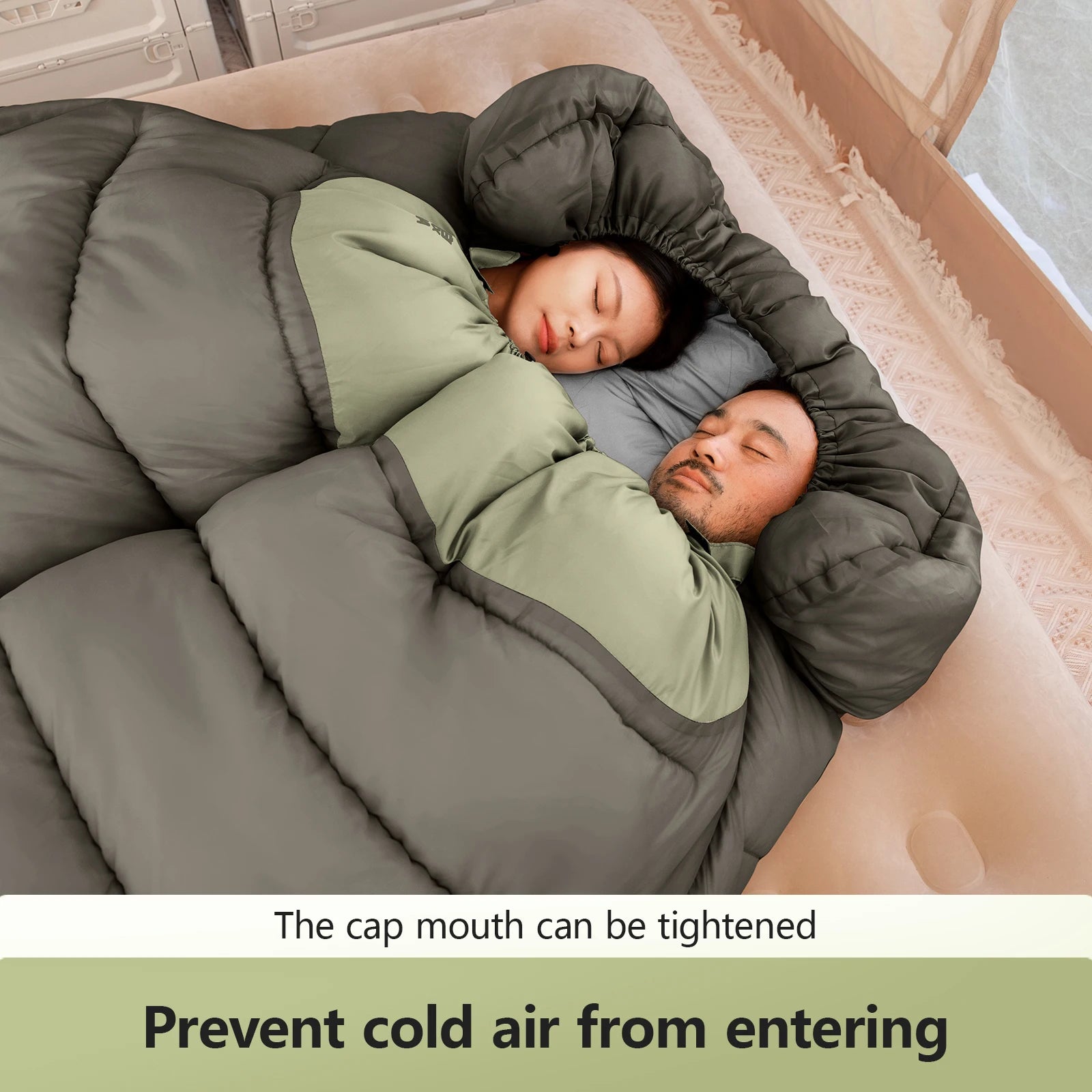
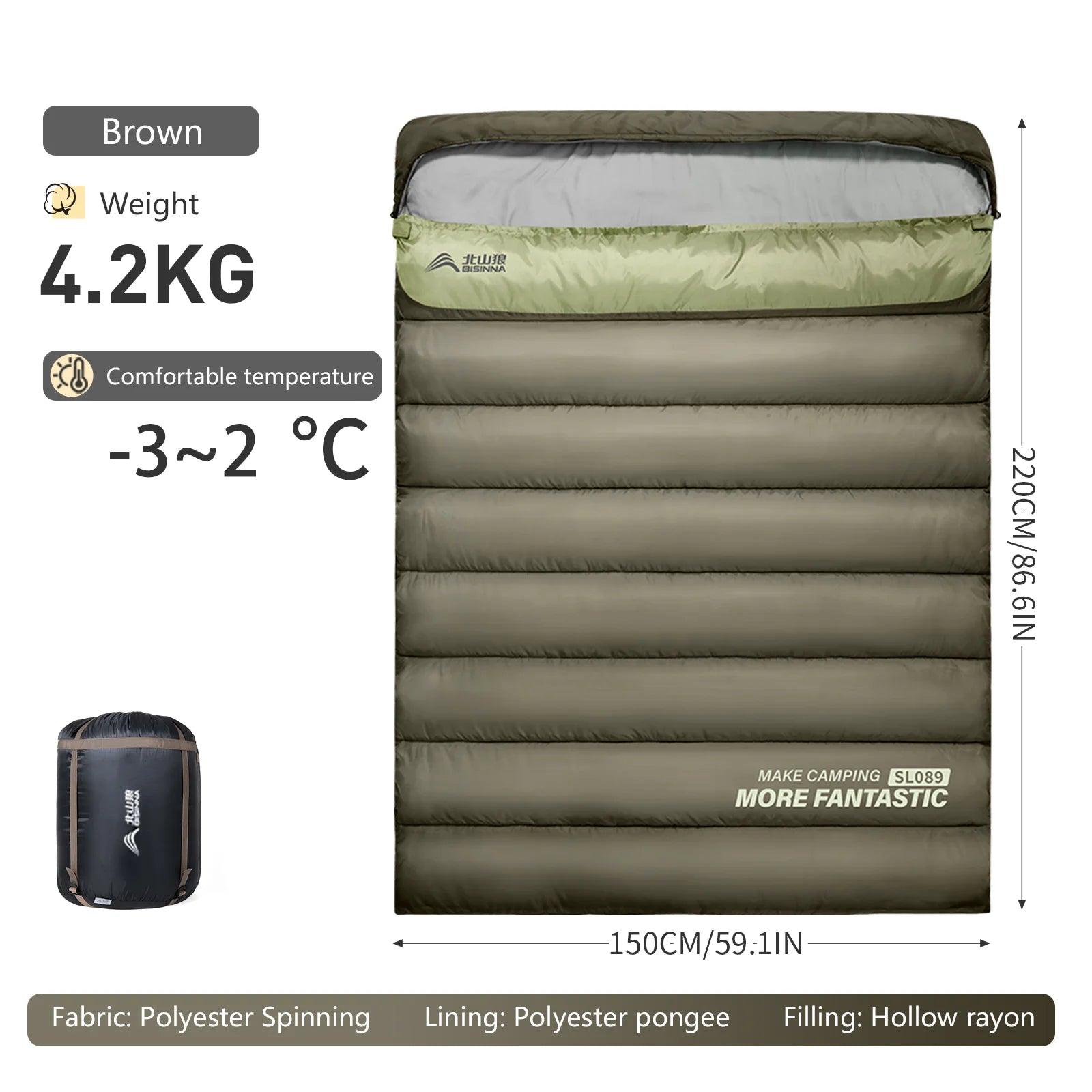
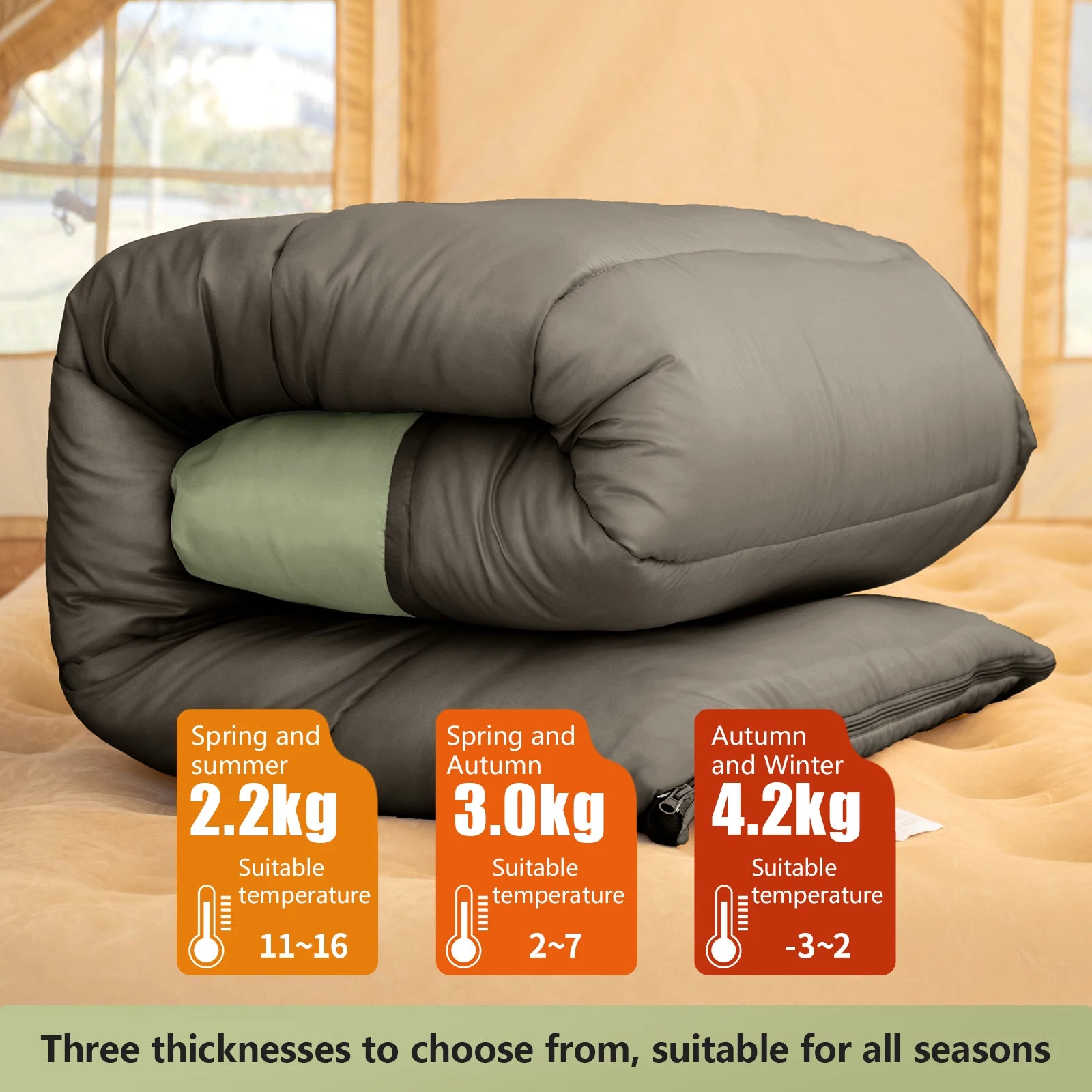
If you want a hassle-free solution, consider using a 2-person sleeping bag camping option designed for easy packing and comfort.
Upgrade your setup and enjoy stress-free adventures.
Frequently Asked Questions
Can I strap a sleeping bag without compression?
Yes, but it’s not recommended. Without compression, the bag takes up more space and becomes harder to secure.
Is it better to pack the sleeping bag inside or outside?
Inside is more stable, but outside saves space. Choose based on your pack size and trip length.
How do I keep my sleeping bag dry?
Use waterproof bags or covers, especially in unpredictable weather.
What’s the easiest method for beginners?
Bottom strapping with compression is the simplest and most effective approach.
Related Articles:
- Insulated Sleeping Bags: How To Choose And Use Correctly
- Sleeping Bag 0 Degree Down: How To Stay Warm In Winter
- Sleeping Bag For 2 Adults: How To Set Up Cozy Sleep
- Portable Sleeping Bag: How To Pack And Carry It Easily
Pillar Articles:





