

Best 0 Degree Backpacking Sleeping Bag: Key Features & Benefits
Insulated Sleeping Bags: How To Choose And Use Correctly
Do insulated sleeping bags really keep you warm while camping?
Insulated sleeping bags help trap body heat and reduce cold air exposure during overnight camping trips. The best insulated sleeping bags combine proper insulation, temperature ratings, and fit to prevent cold nights camping discomfort while improving sleep quality, warmth retention, and outdoor recovery in changing weather conditions.
⏱ 8 min read
Insulated sleeping bags can turn freezing outdoor nights into comfortable rest, but many campers still struggle with choosing the right insulation, packing efficiently, and staying warm in unpredictable weather. Whether you are comparing sleeping bag insulation types hollow cotton comparison options or searching for a reliable two-person setup, this guide explains how to avoid uncomfortable sleeping bag situations and sleep better outdoors.
Have you ever woken up at 3 a.m. freezing inside your tent and wondered what gear actually makes camping easier? Most campers blame the weather, but the wrong sleeping bag insulation is often the real problem.
For beginners and experienced campers alike, investing in reliable insulated sleeping bags can dramatically improve energy, comfort, and overall outdoor enjoyment.
👉 Discover must-have camping gear for colder adventures before your next trip.
Camping & Picnic offers practical outdoor essentials that help improve comfort, warmth, and organization during overnight camping.
💡 See it in action
How Proper Insulation Prevents Cold Nights Camping Problems
Insulated sleeping bags are designed to retain body heat while reducing exposure to cold air, moisture, and wind. The right insulation creates a warm air barrier around your body, helping you recover overnight instead of losing sleep from dropping temperatures.
When temperatures fall unexpectedly, campers without proper insulation often experience:
- Cold feet and numb hands
- Poor sleep quality
- Body stiffness in the morning
- Moisture buildup inside the tent
- Reduced energy for hiking or outdoor activities
Campers traveling through mountains, forests, deserts, or coastal areas especially benefit from better insulation because nighttime temperatures can change quickly.
| Camping Condition | Common Problem | How Insulated Sleeping Bags Help |
|---|---|---|
| Cold mountain nights | Rapid heat loss | Traps warm air efficiently |
| Wet environments | Clammy sleeping conditions | Reduces moisture discomfort |
| Windy campsites | Cold drafts | Maintains stable warmth |
| Family camping trips | Interrupted sleep | Improves overnight comfort |
Many outdoor travelers also combine their sleeping setup with gear from Blankets & Sleeping Comfort and Sleeping Bags & Sleeping Pads for additional warmth and cushioning.
Understanding Sleeping Bag Insulation Types Hollow Cotton Comparison
Insulated sleeping bags generally use synthetic fill, hollow cotton insulation, or down-style materials. Each type performs differently depending on climate, moisture exposure, packability, and warmth retention needs.
One of the biggest mistakes campers make is choosing insulation based only on thickness instead of real-world conditions.
Hollow Cotton Insulation
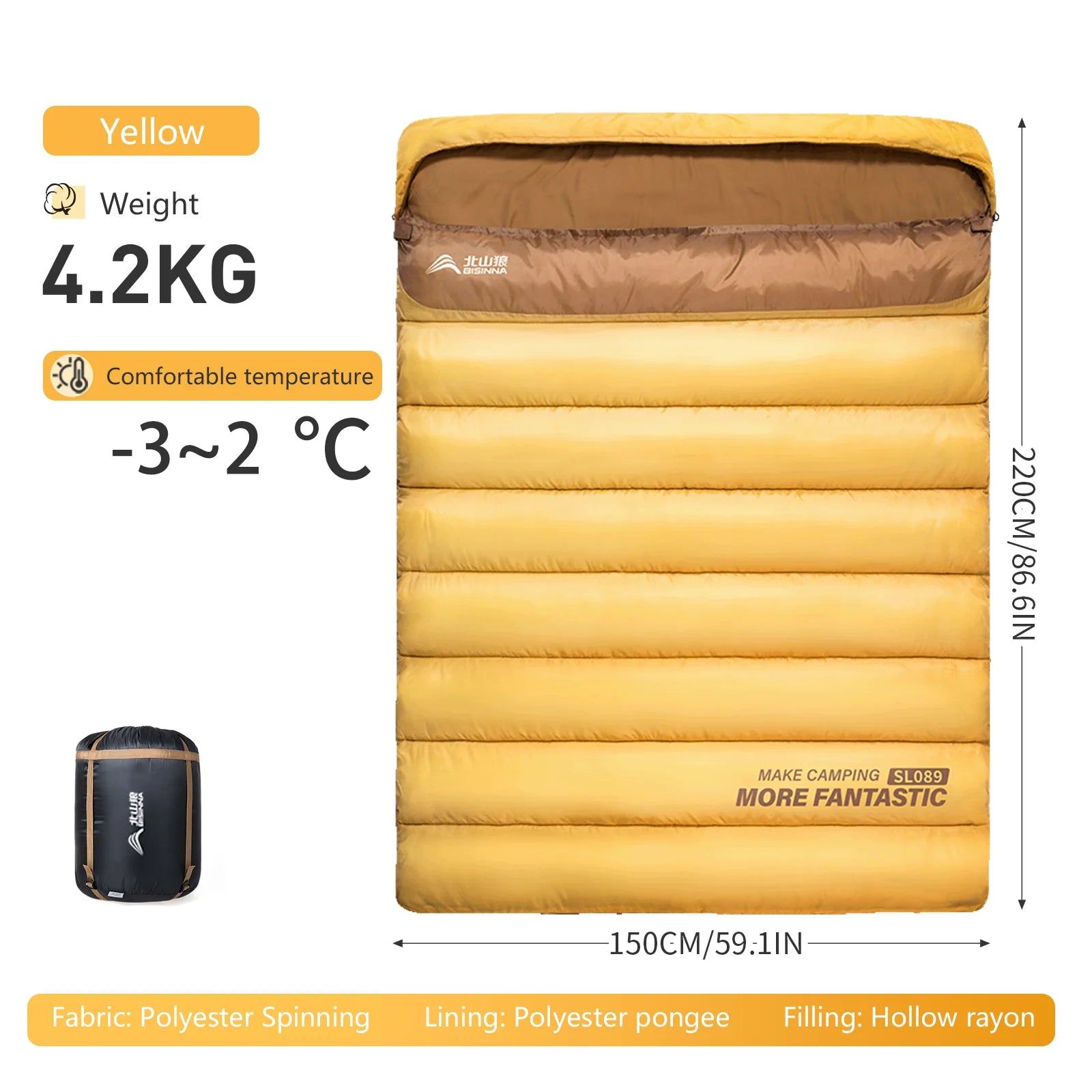
Hollow cotton insulation is commonly used in affordable insulated sleeping bags because it balances warmth, softness, and durability.
- Retains heat reasonably well
- Works better in damp conditions than down
- Usually more affordable for casual campers
- Slightly bulkier during packing
Synthetic Insulation
Synthetic insulation dries quickly and performs reliably in wet conditions.
- Good for unpredictable weather
- Easy to maintain
- Suitable for beginner campers
- Often heavier than premium down options
Down-Style Insulation
Down-style insulation provides excellent warmth-to-weight performance.
- Very lightweight
- Compresses easily for backpacking
- Excellent warmth retention
- Loses efficiency if soaked
| Insulation Type | Best For | Main Advantage | Main Drawback |
|---|---|---|---|
| Hollow Cotton | Car camping | Affordable comfort | Bulkier storage |
| Synthetic | Wet environments | Moisture resistance | Extra weight |
| Down-Style | Backpacking | Lightweight warmth | Less effective when wet |
Campers who prioritize compact packing often pair insulated sleeping bags with Compression & Packing Bags to reduce storage space inside backpacks or vehicles.
How Choosing The Right Insulated Sleeping Bag Improves Outdoor Comfort
Choosing the right insulated sleeping bag depends on temperature ratings, body size, trip style, and sleeping habits. A properly fitted bag with suitable insulation helps reduce heat loss, improves overnight recovery, and prevents uncomfortable sleeping bag issues caused by poor airflow, restricted movement, or insufficient warmth.
Step 1: Match Temperature Ratings To Your Environment
- Check nighttime low temperatures instead of daytime forecasts.
- Choose a sleeping bag rated slightly lower than expected conditions.
- Consider wind chill and humidity during colder seasons.
- Layer clothing carefully without restricting circulation.
Step 2: Choose The Right Shape
Sleeping bag shape affects heat retention.
- Mummy bags trap heat efficiently
- Rectangular bags provide extra space
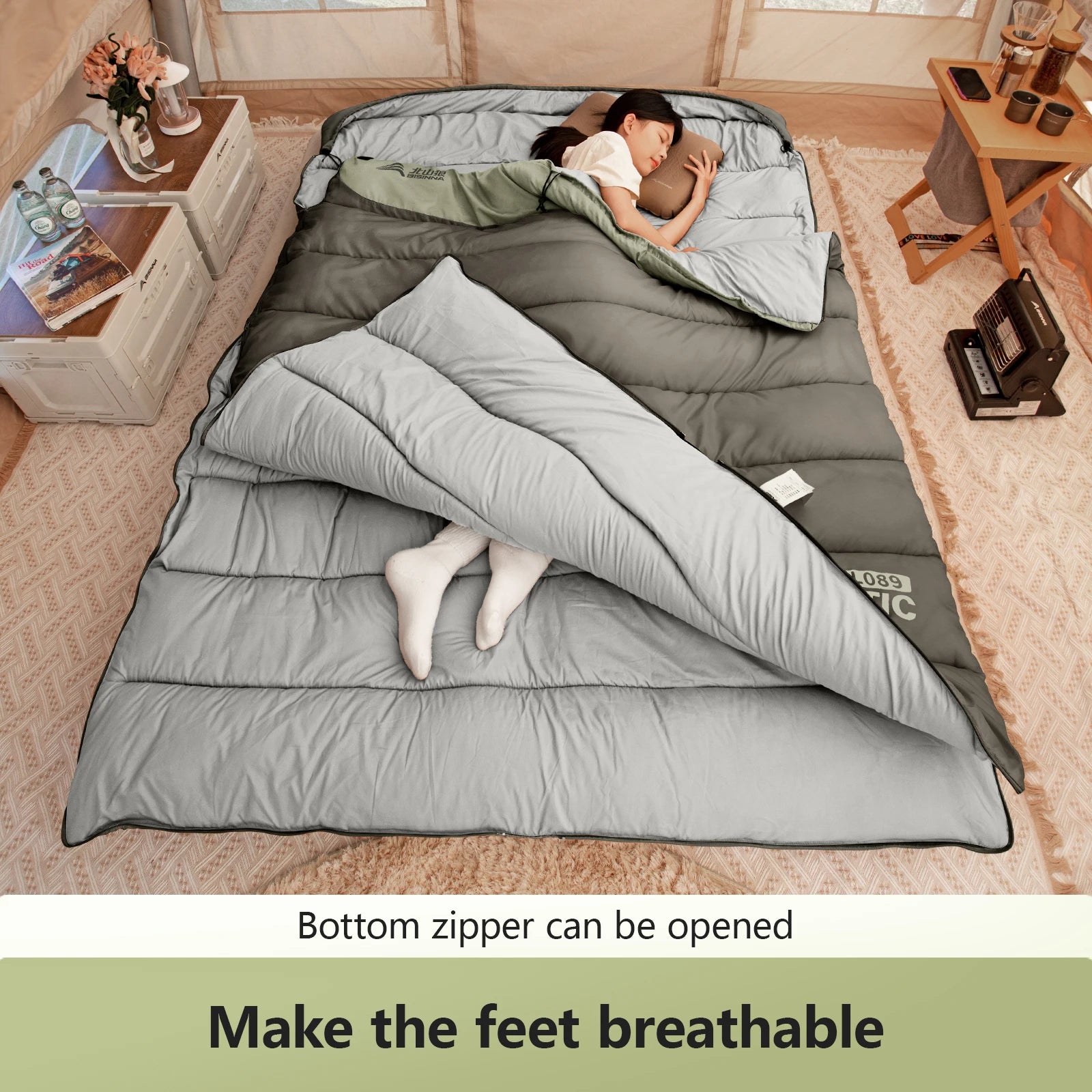
- Double sleeping bags improve comfort for couples or families
Step 3: Think About Trip Style
Different trips require different gear setups.
- Backpacking favors lightweight bags
- Car camping allows larger insulated options
- Family camping benefits from roomy designs
- Cold weather trips require thicker insulation layers
👉 Learn how to choose the right outdoor gear setup for warmer, more comfortable camping nights.
Explore practical sleeping solutions and accessories in Outdoor Comfort & Recovery and Car Camping Accessories.
Many campers also improve warmth by using insulated pads and weather barriers from Wind & Cold Protection and Ground Sheets & Tarps.
💡 See it in action
Choosing An Insulated Two Person Sleeping Bag Guide For Couples And Families
An insulated two person sleeping bag provides shared warmth, extra room, and improved comfort during family camping or couple trips. Choosing the right size, insulation level, and zipper design helps prevent cold spots while making overnight sleeping arrangements more comfortable in changing outdoor temperatures.
Two-person sleeping bags are becoming increasingly pop
Related Articles:
- Degree Mummy Sleeping Bag: Why It Retains Heat Better
- Double Sleeping Bag Flannel: Comfort & Warmth Features Explained
Pillar Articles:





