

Degree Mummy Sleeping Bag: Why It Retains Heat Better
Degree Mummy Sleeping Bag: Why It Retains Heat Better
⏱ 9 min read
Does a degree mummy sleeping bag retain heat better?
A degree mummy sleeping bag retains heat better because its tapered design reduces empty air space, traps body warmth more efficiently, and limits cold air circulation. Combined with advanced insulation materials and snug hood construction, it delivers better warmth during freezing outdoor conditions while remaining lighter and easier to pack than bulkier rectangular alternatives.
Cold nights can turn an exciting camping trip into a sleepless, uncomfortable experience. Many campers blame weather conditions when the real issue is poor insulation design. A degree mummy sleeping bag helps solve this problem by combining heat-retaining shape technology, efficient insulation layers, and body-contouring construction that keeps warmth close to your body during cold-weather adventures.
What gear actually makes camping easier when temperatures suddenly drop overnight? Choosing the right sleeping bag insulation system often matters more than adding extra blankets or wearing heavier clothing.
Explore dependable outdoor essentials for cold-weather adventures in Camping & Picnic and upgrade your sleep setup before your next trip.
💡 See it in action
Why Mummy Sleeping Bags Stay Warmer
A degree mummy sleeping bag improves thermal efficiency by minimizing unused space around the body. Less open space means your body heats the interior faster, helping you stay warmer throughout the night while reducing heat loss caused by air circulation inside the bag.
The tapered design follows the natural shape of your body. Unlike rectangular sleeping bags, mummy-style construction removes excess fabric around the legs and feet where cold air often collects.
Key advantages of mummy-style construction
- Reduced internal air pockets
- Better insulation efficiency
- Improved warmth-to-weight ratio
- Lower heat escape around shoulders and neck
- Compact packing size for backpacking
Campers hiking into colder environments often choose mummy bags because they provide consistent warmth without adding excessive weight.
Pairing insulated sleep gear with products from Sleeping Bags & Sleeping Pads can further improve overnight comfort and ground insulation.
Sleeping Bag Insulation Types Hollow Cotton Comparison
One of the biggest differences between average and high-performing sleeping bags is insulation material. Understanding sleeping bag insulation types hollow cotton comparison factors helps explain why some bags feel dramatically warmer under identical weather conditions.
| Insulation Type | Heat Retention | Weight | Moisture Resistance | Best Use |
|---|---|---|---|---|
| Hollow Cotton | High | Moderate | Good | Cold-weather camping |
| Down Fill | Excellent | Very Light | Poor When Wet | Dry winter conditions |
| Synthetic Fiber | Moderate | Moderate | Very Good | Wet climates |
| Basic Polyester | Lower | Heavy | Average | Casual summer camping |
Why hollow cotton insulation performs well
Hollow cotton fibers trap warm air inside microscopic channels. This structure increases insulation efficiency while maintaining softness and flexibility.
Compared to lower-cost fill materials, hollow cotton provides:
- Better heat retention during freezing nights
- Improved durability after repeated compression
- Faster drying performance
- More reliable warmth in humid environments
Campers who frequently experience cold nights camping uncomfortable sleeping bag problems often discover their older bag lacks proper insulation density or efficient heat retention structure.
Why Cold Nights Make Camping Uncomfortable
Many outdoor sleepers underestimate how quickly body heat disappears at night. Even temperatures above freezing can feel extremely cold when wind, moisture, and poor insulation combine.
Common reasons campers get cold overnight
- Using oversized sleeping bags with excess empty space
- Poor insulation beneath the body
- Low-quality zipper sealing
- Wet or compressed insulation
- Incorrect temperature rating selection
When your body struggles to maintain warmth, sleep quality drops rapidly. Campers often wake repeatedly, lose energy, and feel exhausted the next morning.
Adding supportive gear from Blankets & Sleeping Comfort can improve thermal layering during colder trips.
Build a warmer and more efficient campsite setup with insulation-friendly equipment from Weather Protection & Environment and Wind & Cold Protection.
Heat-Retention Features That Matter Most
A degree mummy sleeping bag performs best when multiple heat-saving features work together. The overall design matters just as much as the insulation itself.
Draft collars and insulated hoods
Heat escapes quickly around the neck and head. Draft collars create a thermal barrier that keeps warm air trapped inside the sleeping bag.
Insulated hoods further reduce heat loss by protecting exposed areas during cold wind or freezing temperatures.
Thermal zipper protection
Zippers are common cold spots. Premium mummy bags include insulated zipper baffles that block cold air infiltration.
Compression-friendly insulation
Modern camping travelers need lightweight sleeping bags that pack efficiently without permanently flattening insulation layers.
Compression solutions from Compression & Packing Bags help reduce pack size while protecting insulation during transport.
💡 See it in action
How to Stay Warm Camping Sleeping Bag Tips
Even the best sleeping bag performs poorly if used incorrectly. Learning how to stay warm camping sleeping bag techniques can dramatically improve overnight comfort.
Simple ways to increase sleeping bag warmth
- Use an insulated sleeping pad beneath your bag
- Wear dry thermal layers before sleeping
- Avoid breathing inside the bag completely
- Eat a warm meal before bedtime
- Keep moisture away from insulation
- Use a properly sized mummy sleeping bag
Campers frequently focus only on top insulation while ignoring heat loss into the ground. Pairing your bag with equipment from Ground Sheets & Tarps helps block moisture and cold transfer.
Warmth checklist before sleeping
| Checklist Item | Why It Matters |
|---|---|
| Dry Base Layers | Prevent moisture-related heat loss |
| Insulated Pad | Stops cold ground transfer |
| Zipped Hood | Retains head and neck warmth |
| Proper Tent Ventilation | Reduces condensation buildup |
| Warm Fluids | Helps maintain body temperature |
Degree Mummy vs Other Sleeping Bags
Comparison shoppers often wonder whether the tighter mummy design sacrifices comfort. In reality, most campers adjust quickly because warmth improvements are noticeable immediately.
| Feature | Degree Mummy Sleeping Bag | Rectangular Sleeping Bag | Double Sleeping Bag |
|---|---|---|---|
| Heat Retention | Excellent | Moderate | Good |
| Packability | Very Compact | Bulky | Large |
| Cold Weather Use | Ideal | Limited | Moderate |
| Freedom of Movement | Moderate | High | High |
| Backpacking Friendly | Excellent | Average | Poor |
For solo cold-weather camping, mummy bags usually outperform larger alternatives because they maximize heat efficiency with less insulation material.
When a Two Person Sleeping Bag Makes Sense
While mummy bags dominate cold-weather solo camping, couples and family campers sometimes prefer shared insulation systems.
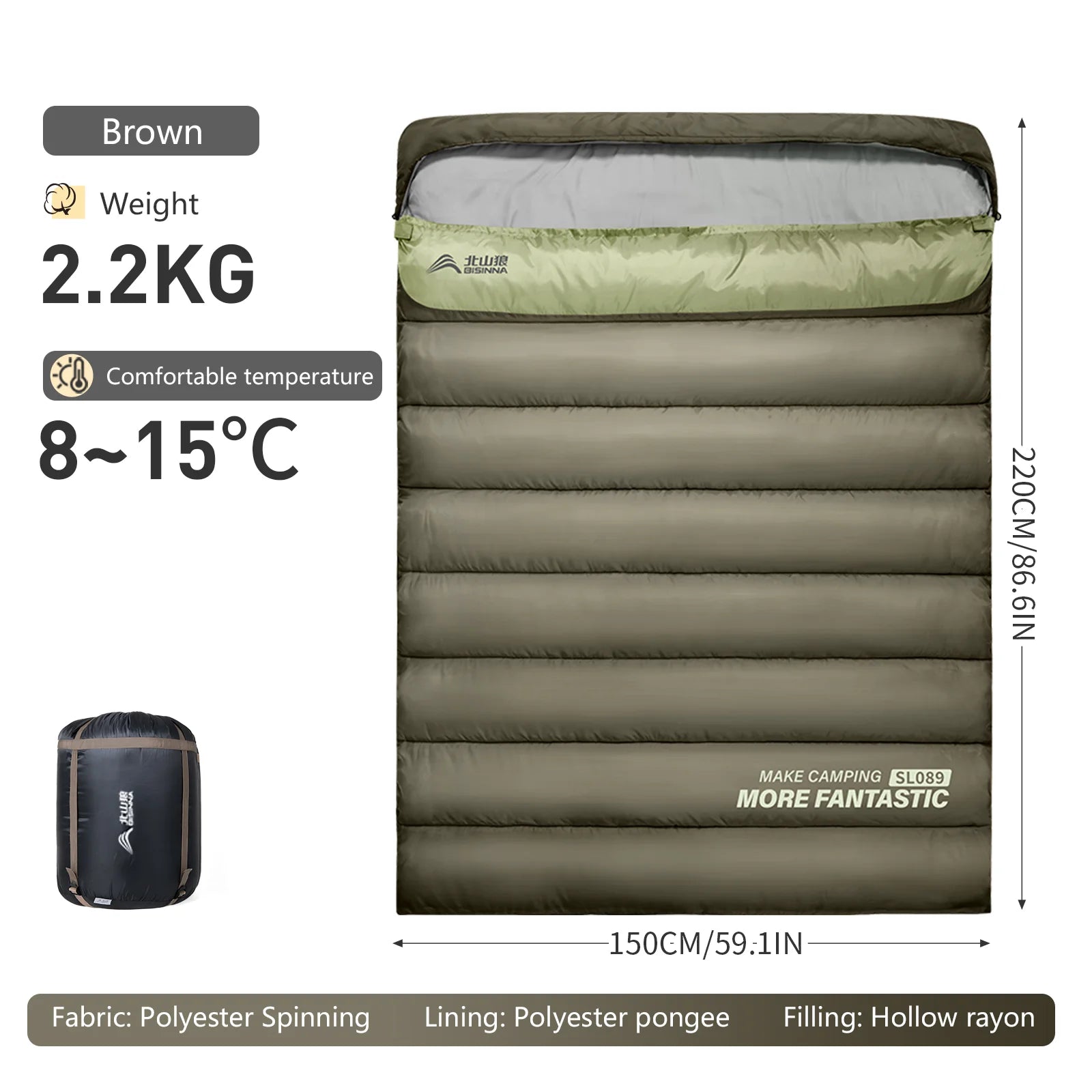
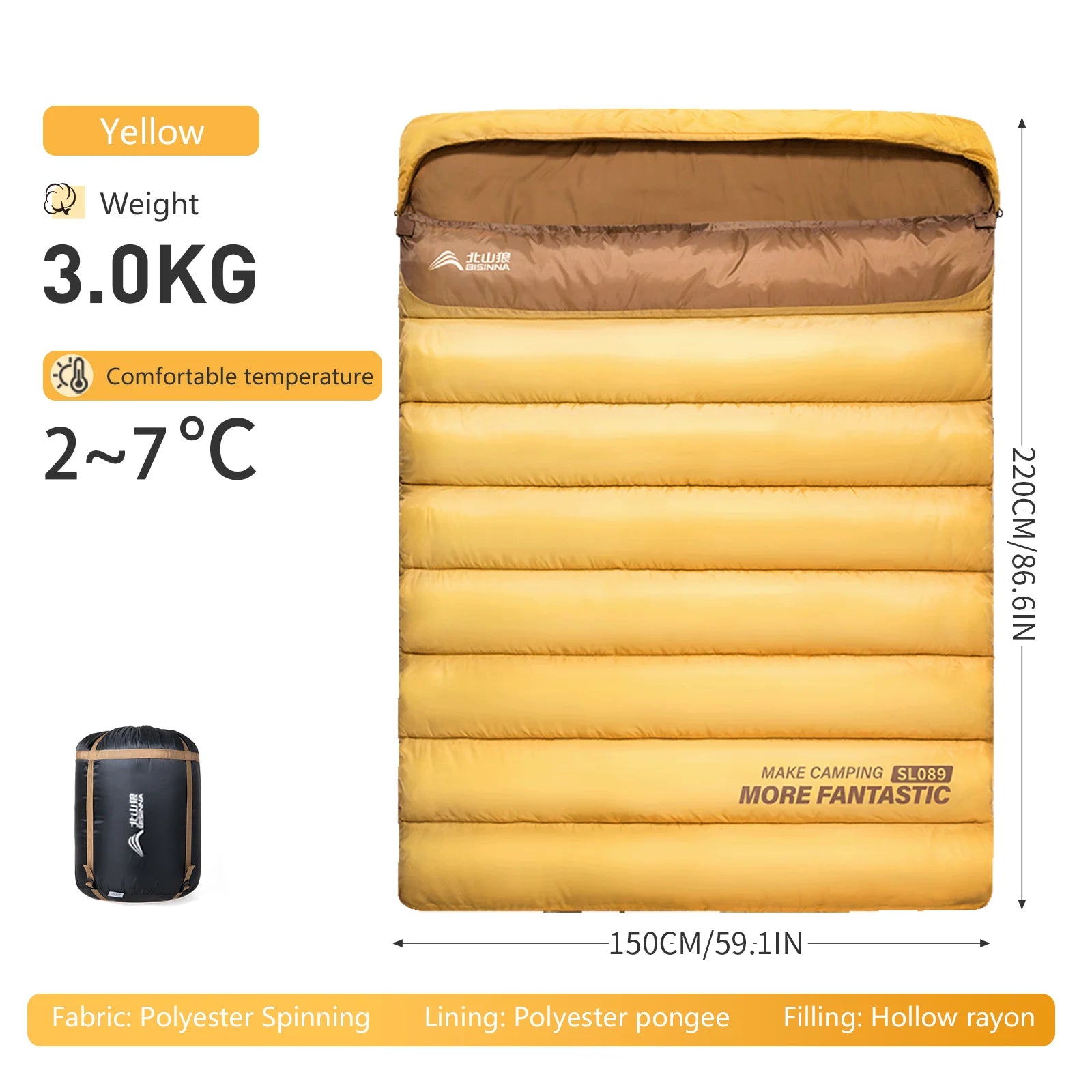
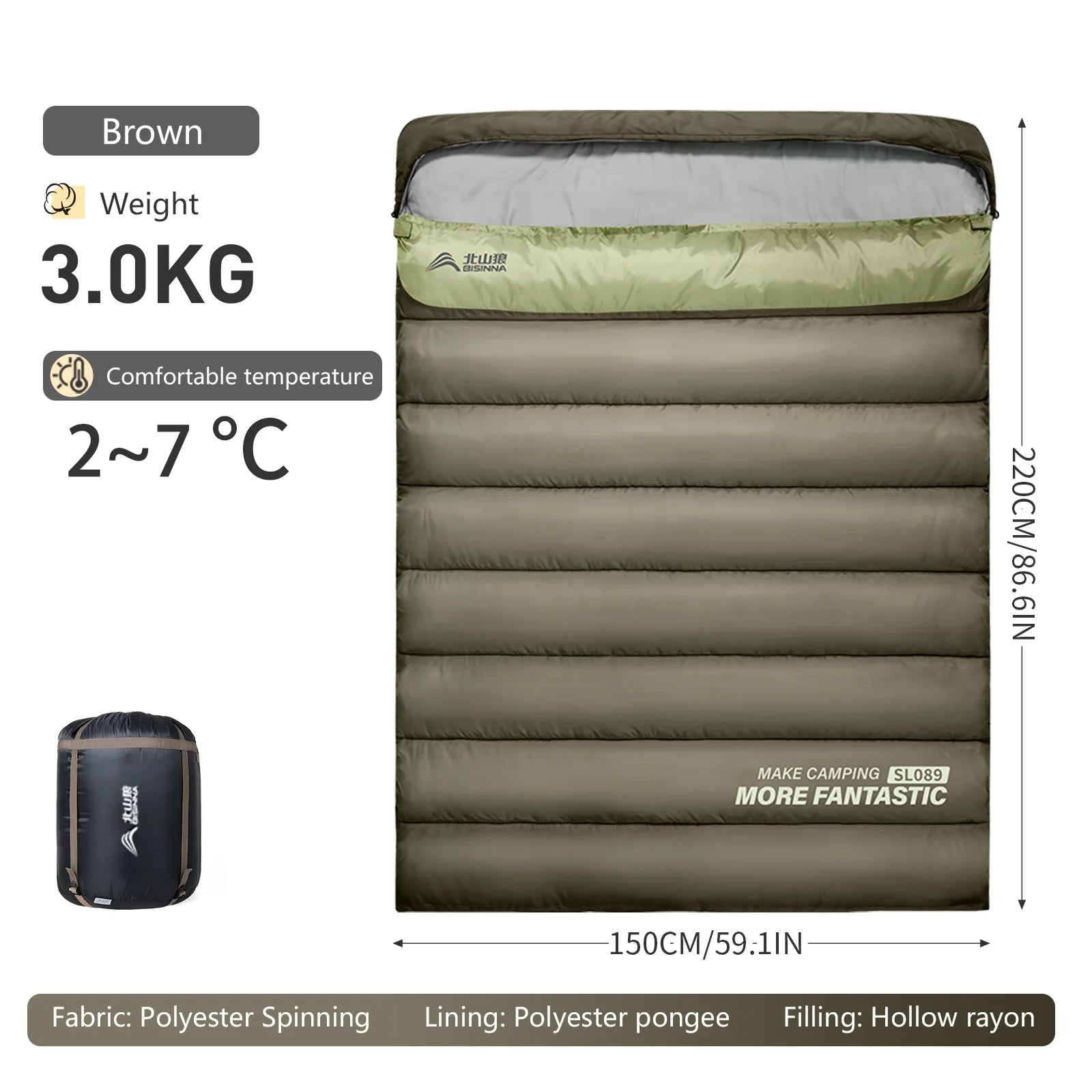
A well-designed two person sleeping bag can improve warmth by combining shared body heat. This setup works especially well during car camping trips where pack size matters less.
Best situations for double sleeping bags
- Couples camping in mild-to-cold weather
- Family camping trips
- Car camping setups
- Basecamp-style outdoor travel
Additional gear from Car Camping Accessories can make longer overnight trips significantly more comfortable.
Real Camping Experiences and Feedback
Outdoor travelers consistently report that upgrading insulation quality changes the entire camping experience.
"I used to wake up freezing at 3 AM no matter how many blankets I added. Switching to a mummy sleeping bag with hollow insulation completely changed how I sleep outdoors."
"The smaller shape felt strange for one night, but the warmth difference was obvious immediately during mountain camping."
Many backpackers also appreciate reduced pack weight because lighter gear improves hiking endurance during multi-day trips.
Storage systems from Camping Storage & Boxes help organize insulated gear and protect it between adventures.
What to Look for Before Buying
Not all mummy sleeping bags perform equally. Several features separate reliable cold-weather models from basic entry-level options.
Important buying factors
- Accurate temperature ratings
- Insulation quality and loft
- Hood construction
- Moisture resistance
- Pack size and weight
- Durable zipper systems
If you regularly camp in wet climates, synthetic or hollow cotton insulation may outperform down because moisture resistance becomes critical.
For long hiking trips, pairing compact sleep gear with Lightweight Daypacks and Waterproof & Dry Bags helps maintain portability and insulation protection.
💡 See it in action
How Better Sleep Improves Outdoor Adventures
Quality sleep affects everything from hiking performance to mood and safety. Campers who stay warm overnight recover faster, maintain energy longer, and enjoy outdoor activities more fully.
A degree mummy sleeping bag helps create a more stable sleeping environment by preventing the repeated heat loss that interrupts deep sleep cycles.
Whether you're backpacking through mountain trails or preparing for cold-weather car camping, efficient insulation becomes one of the most valuable gear upgrades you can make.
Upgrade your cold-weather sleep system with the two person sleeping bag and explore more outdoor comfort solutions from Family Outdoor Bundles.
Frequently Asked Questions
What makes a degree mummy sleeping bag warmer?
The tapered shape reduces unused air space, allowing body heat to warm the interior more efficiently. Combined with insulated hoods and thermal draft collars, this design minimizes heat loss throughout the night.
Is hollow cotton insulation good for cold-weather camping?
Yes. Hollow cotton insulation traps warm air effectively while maintaining good moisture resistance and durability. It performs well for campers who experience damp or freezing outdoor conditions.
How do I avoid cold nights camping uncomfortable sleeping bag problems?
Choose a sleeping bag with proper temperature ratings, use an insulated sleeping pad, keep insulation dry, and wear clean thermal layers before sleeping.
Are mummy sleeping bags good for backpacking?
Yes. Mummy sleeping bags are popular for backpacking because they provide excellent warmth while remaining lightweight and compact enough for efficient packing.
Should couples choose a two person sleeping bag?
A two person sleeping bag works well for couples during car camping or moderate cold-weather trips because shared body heat can improve warmth and comfort.
Pillar Article: Best 0 Degree Backpacking Sleeping Bag: Key Features & Benefits
Other Related Articles:
Explore More:





