

Insulated Sleeping Bags: How To Choose And Use Correctly
What Are Insulated Sleeping Bags?
Insulated sleeping bags are designed to trap body heat using specialized fill materials that reduce heat loss during cold nights camping. Insulated sleeping bags help maintain warmth by creating a thermal barrier between your body and the outside environment, making them essential for comfort, safety, and better sleep outdoors in unpredictable weather conditions.
- Retain body heat more efficiently in cold environments
- Reduce discomfort during freezing night temperatures
- Improve sleep quality during camping trips
- Support consistent warmth in changing weather conditions
Insulated Sleeping Bags: How To Choose And Use Correctly
Waking up frozen in the middle of the night because your gear couldn’t handle the cold is a camping experience nobody wants. Have you ever wondered why some campers sleep comfortably while others struggle with an uncomfortable sleeping bag in the same weather? The answer often comes down to insulation quality and how well the bag is chosen and used for the environment.
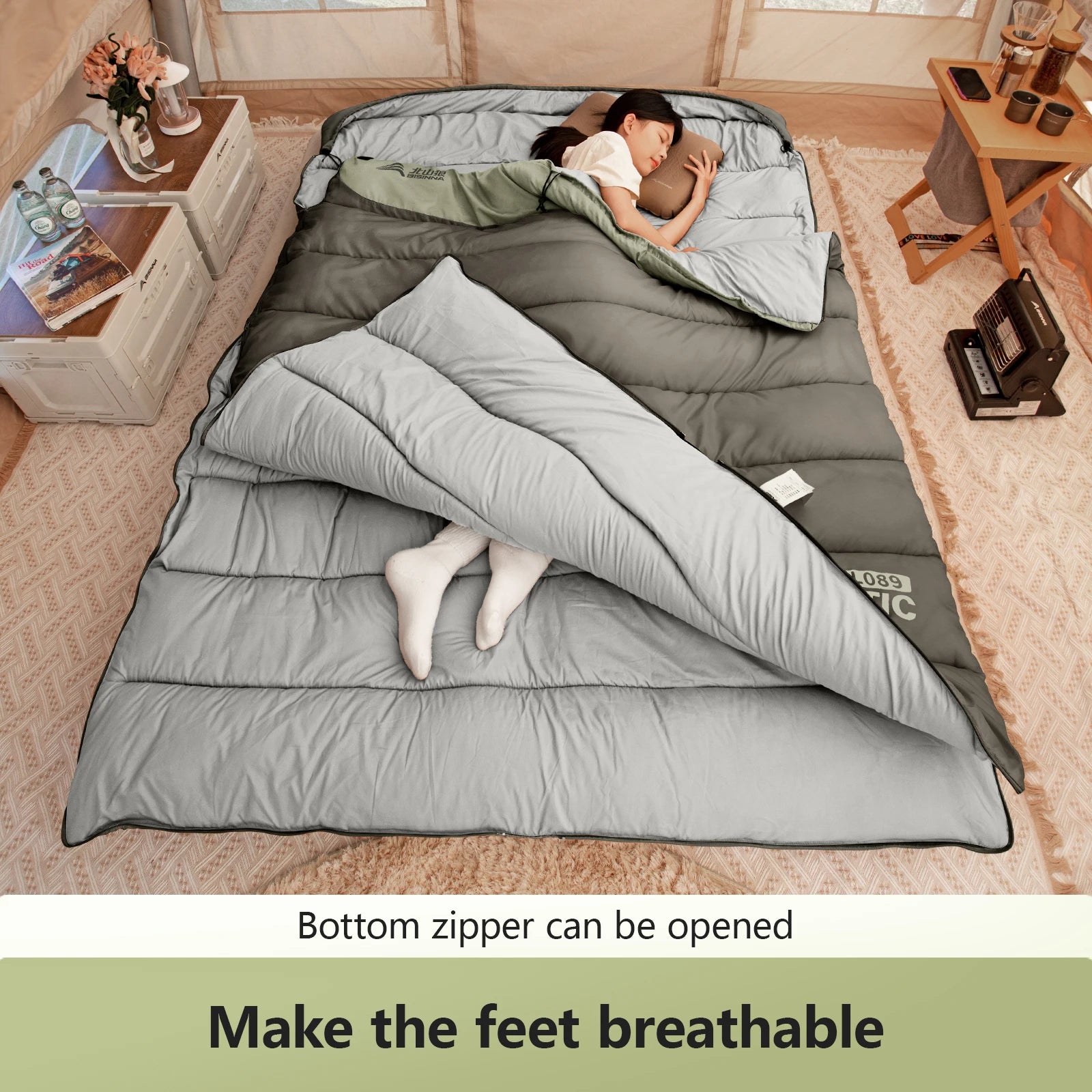
💡 See it in action
How Insulated Sleeping Bags Work For Outdoor Warmth
Insulated sleeping bags work by trapping warm air generated by your body and preventing it from escaping into the cold night air. The insulation layer slows heat transfer, creating a stable microclimate inside the bag. This makes a major difference when temperatures drop suddenly during camping trips or mountain hikes.
High-quality insulation also reduces moisture buildup, which helps maintain warmth even in damp conditions. Pairing your bag with proper ground protection from Camping Tents & Shelter enhances performance significantly.
Key Benefits of Insulated Sleeping Bags
- Consistent warmth even in freezing temperatures
- Lightweight portability for hiking and travel
- Improved moisture resistance in damp environments
- Better energy retention for longer outdoor stays
Sleeping Bag Insulation Types Hollow Cotton Comparison
Understanding sleeping bag insulation types hollow cotton comparison helps you choose the right balance of warmth, weight, and durability. Different insulation materials perform differently depending on humidity, temperature, and activity level during your camping trip.
| Insulation Type | Warmth | Weight | Best Use |
|---|---|---|---|
| Hollow Cotton | Good | Medium | Casual camping, mild winters |
| Synthetic Fill | High | Light to Medium | Wet environments, unpredictable weather |
| Down Insulation | Very High | Light | Cold, dry mountain conditions |
Hollow cotton is often chosen for budget-friendly comfort, while synthetic fills provide better performance in damp conditions. Down insulation remains the top performer for extreme cold but requires careful maintenance.
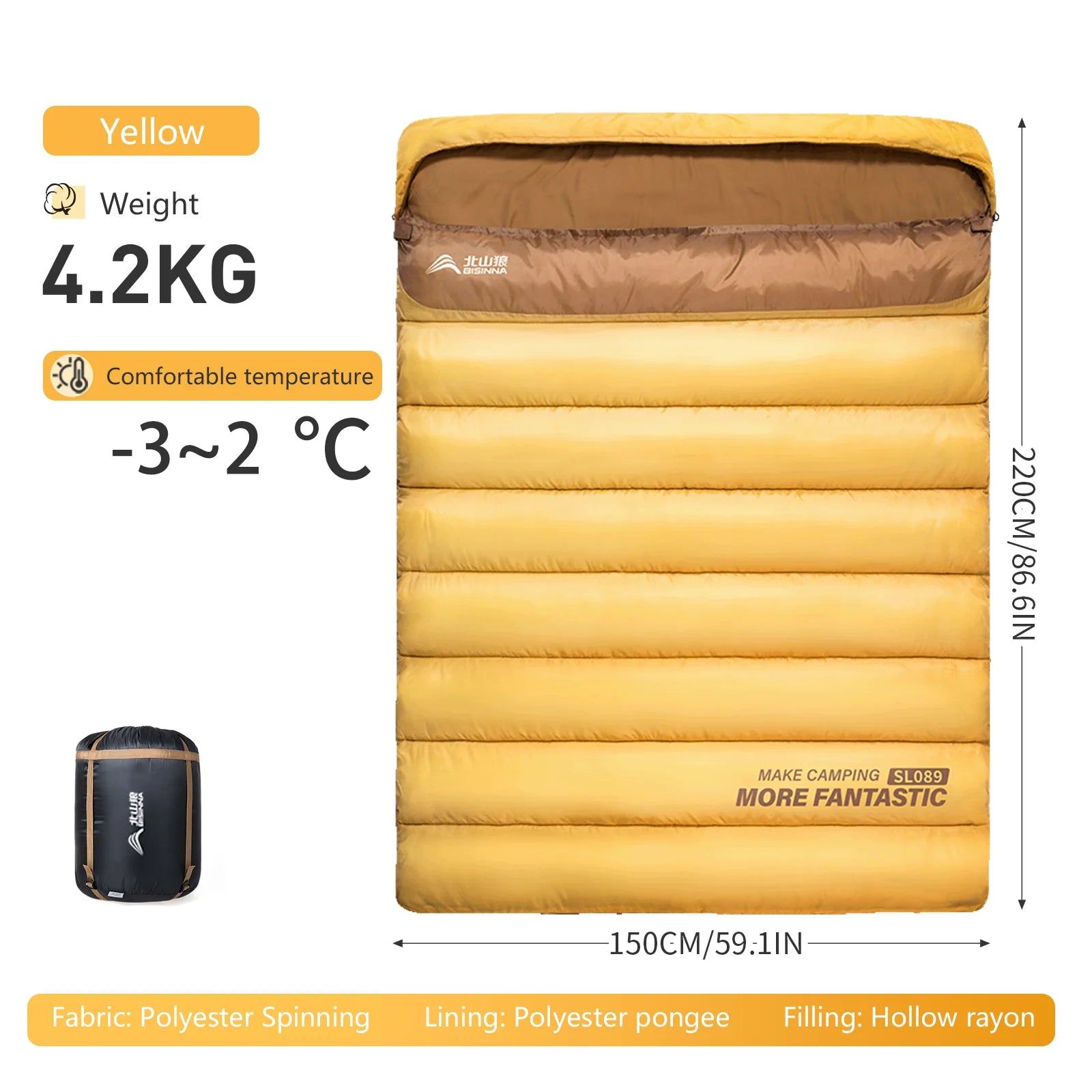
💡 See it in action
Choosing Insulated Two Person Sleeping Bag Guide
Selecting a double sleeping system can be challenging, especially when comfort levels differ between campers. A well-designed two-person bag reduces heat loss and improves shared warmth efficiency during cold nights camping.
For couples or family campers, checking sizing, insulation thickness, and zipper separation options is essential. You can explore more practical options in Sleeping Bags & Sleeping Pads or upgrade your setup with accessories from Blankets & Sleeping Comfort.
- Choose adjustable temperature ratings for flexibility
- Look for dual zippers for individual control
- Ensure enough space to avoid restricted movement
- Prioritize water-resistant outer layers
Cold Nights Camping & Uncomfortable Sleeping Bag Fixes
Cold nights camping often become uncomfortable when insulation is insufficient or poorly used. Even a high-quality sleeping bag can feel inadequate if ventilation, layering, or ground insulation is ignored during setup.
Many campers underestimate how quickly heat escapes through the ground or how moisture buildup reduces insulation efficiency. Fixing these issues can dramatically improve overnight comfort without needing expensive upgrades.
Common Problems and Quick Fixes
- Cold from below → Add insulated sleeping pad or tarp layer
- Heat loss at neck → Use adjustable hood closure
- Moisture buildup → Vent bag slightly when safe
- Poor fit → Choose correct size or upgrade design
Pairing your sleeping system with Ground Sheets & Tarps can significantly reduce heat loss and improve insulation performance on uneven terrain.
How To Use Insulated Sleeping Bags Correctly For Maximum Warmth
Even the best insulated sleeping bags will underperform if used incorrectly. Proper setup, layering, and environmental awareness play a key role in maintaining warmth throughout the night.
- Select a flat, dry sleeping surface away from wind exposure
- Lay down a ground barrier or insulated pad before placing the bag
- Wear moisture-wicking base layers instead of heavy clothing
- Seal openings properly but allow minimal ventilation to prevent dampness
- Store your bag loosely during the day to preserve insulation loft
Proper usage ensures your insulation stays effective and reduces the risk of waking up cold during critical rest hours in remote camping environments.
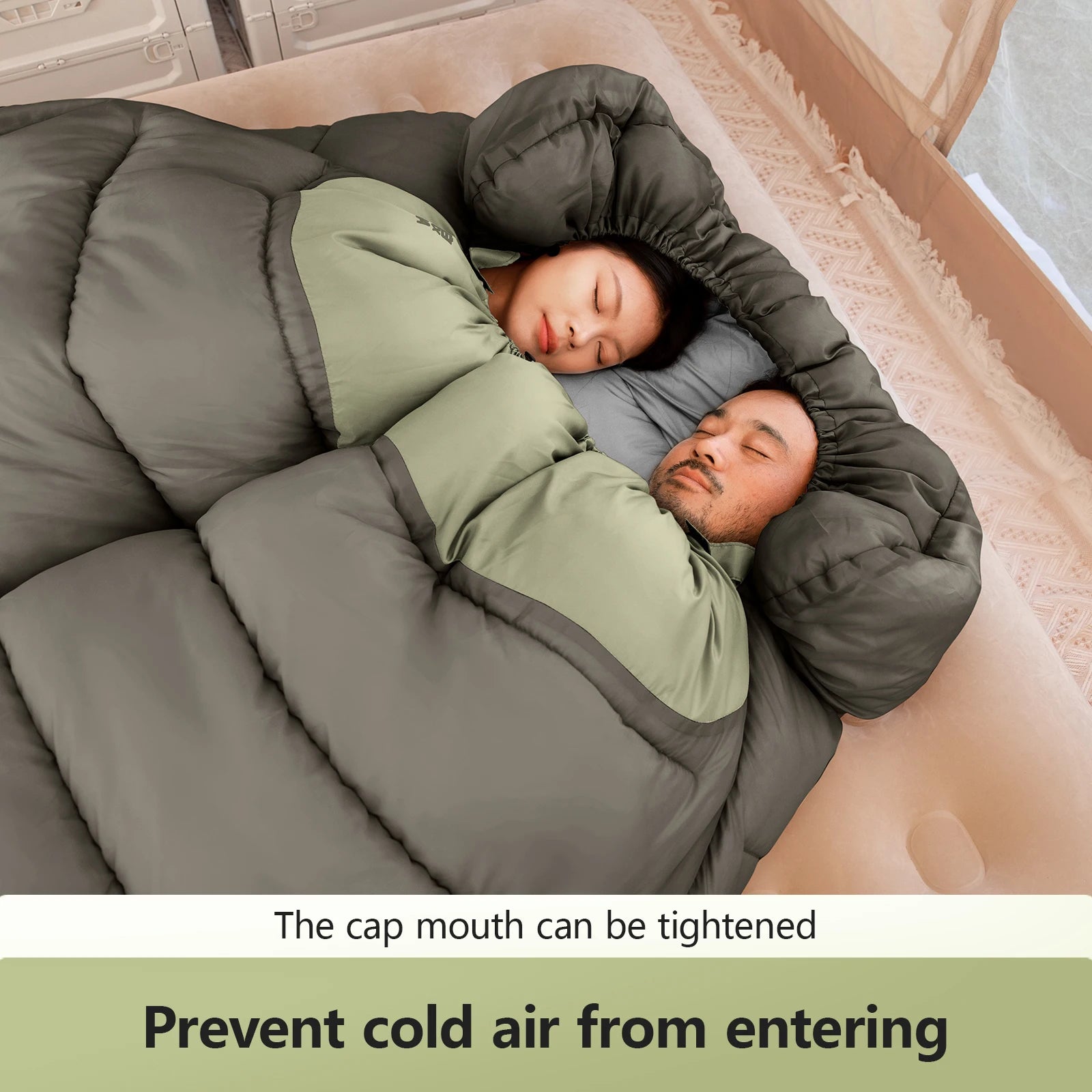
💡 See it in action
Final Thoughts On Insulated Sleeping Bags For Outdoor Comfort
Insulated sleeping bags are one of the most important pieces of camping gear for anyone facing unpredictable temperatures. With the right insulation type, proper setup, and smart usage techniques, you can avoid uncomfortable sleeping bag experiences and enjoy consistent warmth on every trip.
Whether you're camping solo or sharing space in a two-person setup, investing time in choosing the right system pays off in better sleep, safety, and overall outdoor enjoyment.
FAQ: Insulated Sleeping Bags
What makes insulated sleeping bags warmer than regular ones?
Insulated sleeping bags use specialized fill materials that trap body heat and reduce heat loss, making them significantly warmer than standard sleeping bags in cold environments.
Are hollow cotton sleeping bags good for winter camping?
Hollow cotton insulation works well for mild winter conditions but may not provide enough warmth for extreme cold or high-altitude camping trips.
How do I prevent my sleeping bag from getting cold at night?
Use proper ground insulation, wear moisture-wicking layers, and ensure your bag is sealed correctly while avoiding excess internal moisture buildup.
Is a two-person sleeping bag better for cold nights camping?
A two-person sleeping bag can improve shared warmth efficiency, but comfort depends on proper insulation, fit, and individual temperature preferences.
Pillar Article: Strap Sleeping Bag To Backpack: Step-By-Step Secure Guide
Other Related Articles:
- Sleeping Bag 0 Degree Down: How To Stay Warm In Winter
- Sleeping Bag For 2 Adults: How To Set Up Cozy Sleep
- Portable Sleeping Bag: How To Pack And Carry It Easily
Explore More:





