

Sleeping Bag 0 Degree Down: How To Stay Warm In Winter
How do you stay warm in a sleeping bag 0 degree down setup during winter camping?
A sleeping bag 0 degree down system keeps campers warm by trapping body heat efficiently, blocking ground cold, and reducing moisture buildup inside the tent. Pairing insulated sleeping pads, dry base layers, wind protection, and smart layering techniques can solve most sleeping bag not warm enough winter problems during freezing nights.
Sleeping Bag 0 Degree Down: How To Stay Warm In Winter
⏱ 9 min read
Sleeping bag 0 degree down systems can completely change your winter camping experience when temperatures drop below freezing. Many campers assume a winter-rated bag alone guarantees warmth, only to wake up shivering at 2 a.m. What gear actually makes camping easier during freezing nights? This guide explains how to stay warm camping sleeping bag setups really work, how to fix a sleeping bag not warm enough winter situation, and whether a winter rated double sleeping bag for couples improves heat retention outdoors.
👉 Discover must-have camping gear for freezing nights before your next winter adventure.
Camping & Picnic and Sleeping Bags & Sleeping Pads collections help build a warmer, safer cold-weather setup.
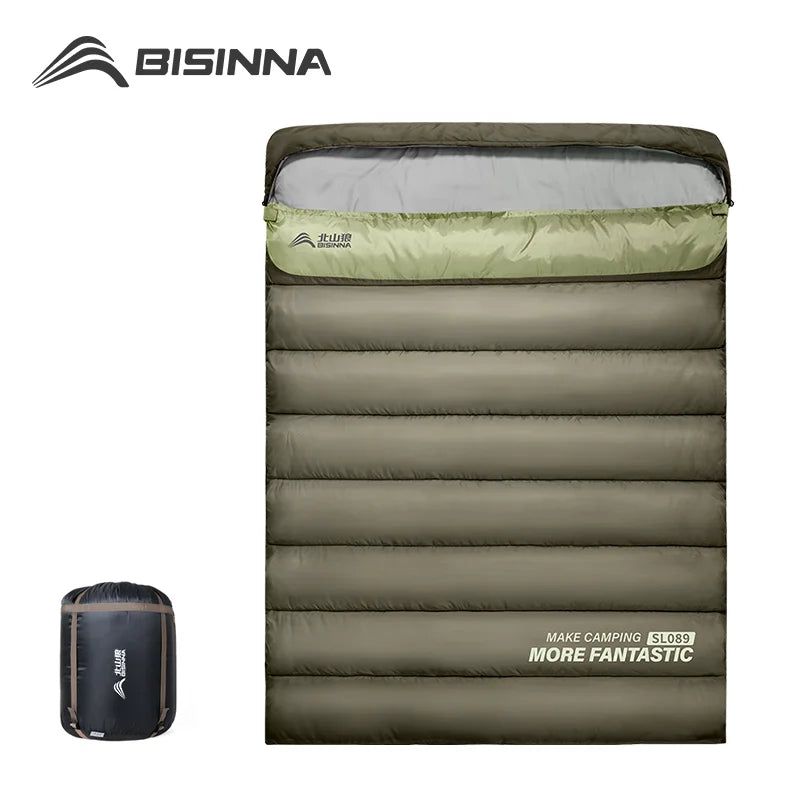
💡 See it in action
Why Some Winter Sleeping Bags Still Feel Cold
A sleeping bag 0 degree down rating does not automatically guarantee comfort at 0°F conditions. Ratings are often based on survival temperatures rather than relaxed sleeping comfort. Wind exposure, damp clothing, poor insulation underneath the bag, and body metabolism all affect warmth significantly.
One of the biggest reasons campers struggle with a sleeping bag not warm enough winter issue is heat loss through the ground. Even premium down insulation compresses underneath your body, reducing loft and allowing cold air to pull heat away overnight.
| Problem | Why It Happens | Easy Fix |
|---|---|---|
| Cold feet | Poor circulation or damp socks | Wear dry wool socks before bed |
| Cold back | Weak sleeping pad insulation | Use insulated pads and tarps |
| Face feels frozen | Heat escapes from hood opening | Tighten hood and wear a beanie |
| Condensation inside tent | Poor ventilation | Improve airflow slightly |
Many experienced winter campers say the biggest improvement came not from buying a warmer bag, but from improving their overall sleep system.
Adding insulation layers from the Blankets & Sleeping Comfort collection or weather barriers from Wind & Cold Protection can dramatically improve overnight warmth.
How To Stay Warm Camping Sleeping Bag Setups
A sleeping bag 0 degree down setup works best when combined with insulated layers underneath, dry sleep clothing, proper tent airflow, and calorie-rich meals before bed. Most cold-weather discomfort happens because campers lose heat through compressed insulation, wet gear, or exposed skin instead of the sleeping bag itself failing.
-
Use an insulated sleeping pad
Ground insulation matters as much as the sleeping bag itself. Layering foam and inflatable pads together works especially well on snow or frozen ground. -
Keep all sleep clothes dry
Never sleep in damp hiking layers. Moisture pulls heat from the body quickly during winter camping. -
Eat a warm meal before bed
Hot food helps your body generate heat throughout the night. Campers often underestimate how much calories impact warmth. -
Protect your tent from wind
Use natural wind barriers, tarps, or sheltered campsites to prevent cold drafts. -
Warm the bag before sleeping
Fill a bottle with warm water and place it near your feet 20 minutes before bed.
Reliable winter campers often combine products from Ground Sheets & Tarps, Outdoor Comfort & Recovery, and Weather Protection & Environment to reduce overnight heat loss.
Why Your Body Temperature Changes Overnight
Your body naturally cools during sleep. If your campsite is exposed to wind or moisture, warmth disappears faster than your sleeping bag can trap it.
That is why experienced winter campers prepare before sunset instead of reacting after becoming cold.
- Change into dry layers early
- Ventilate damp gear outside the sleeping area
- Drink warm fluids before bed
- Keep gloves and socks inside the sleeping bag overnight
👉 Learn how to choose the right hiking gear for colder weather adventures.
Browse Car Camping Accessories, Fire Starters & Ignition, and Headlamps & Wearable Lights for practical winter camping upgrades.
Does A Winter Rated Double Sleeping Bag For Couples Stay Warmer?
A winter rated double sleeping bag for couples can improve warmth because shared body heat raises the internal temperature faster than solo sleeping systems. However, double bags only work well when both campers have similar sleep temperature preferences and enough insulation underneath the shared sleeping area.
Couples who camp together in freezing temperatures often notice fewer cold spots using shared insulation systems. A double sleeping bag also reduces heat loss between separate bags.
Still, there are trade-offs.
| Double Sleeping Bag Benefits | Potential Downsides |
|---|---|
| Shared body heat retention | Movement transfers more easily |
| Less cold air between sleepers | Harder to regulate different comfort levels |
| More comfortable for car camping | Heavier and bulkier to pack |
| Better emotional comfort outdoors | Requires larger insulated sleeping pad |
For couples car camping during winter, the 2-person sleeping bag camping setup can feel significantly warmer and more comfortable than two narrow single bags.
Campers often pair shared sleeping bags with products from Inflatable Pillows and Folding Chairs & Tables to create a more comfortable overnight basecamp.
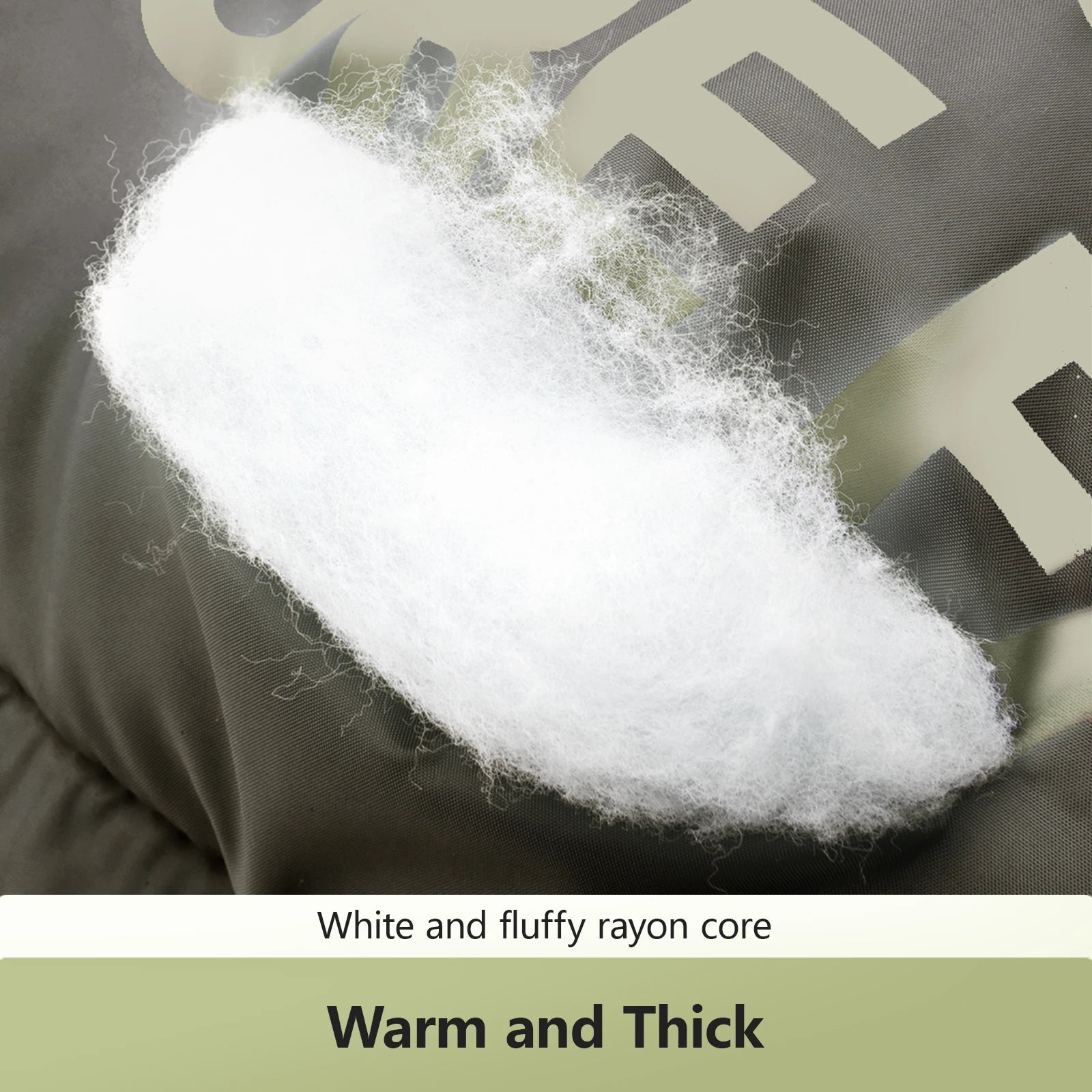
💡 See it in action
Build A Better Winter Camping Sleep System
The warmest winter campers rarely rely on one piece of gear alone. They combine multiple insulation layers into a complete sleep system.
Essential Winter Sleep System Components
- 0-degree down sleeping bag
- High R-value sleeping pad
- Ground tarp or insulated base
- Dry merino wool layers
- Warm hat and gloves
- Ventilated winter tent
- Backup blanket layer
Campers who consistently sleep comfortably below freezing often use layering systems from Compression & Packing Bags and Waterproof & Dry Bags to keep insulation dry during storms or snow conditions.
Why Moisture Is The Biggest Enemy Of Down Insulation
Down insulation loses performance rapidly when wet. Snow-covered boots inside the tent, damp socks, or breathing moisture trapped in enclosed spaces can reduce loft overnight.
Simple habits make a huge difference:
- Store clothing separately from wet boots
- Air out sleeping bags each morning
- Avoid breathing directly inside the bag
- Use waterproof storage during travel
Cold-weather campers also appreciate products from Camping Storage & Boxes and Food Storage Bags & Containers for keeping essential gear dry and organized.
Common Mistakes That Make Sleeping Bags Feel Cold
Even expensive winter gear performs poorly when used incorrectly.
Wearing Too Many Layers Inside The Bag
Heavy clothing can compress insulation and reduce heat circulation. Lightweight dry layers usually work better than bulky jackets inside the sleeping bag.
Going To Bed Cold
If your body is already chilled, warming the sleeping bag becomes harder. A short walk, warm drink, or light exercise before bed helps boost circulation.
Ignoring Tent Ventilation
Condensation creates hidden moisture problems. Slight airflow reduces frost buildup inside winter tents.
Using Summer Pads In Winter
Many campers focus entirely on sleeping bags while ignoring ground insulation. Thin summer pads create major heat loss during freezing temperatures.
Helpful upgrades can come from Tent & Camping Lanterns, Portable Power Banks, and Emergency Lighting when winter nights become longer and colder.
"I thought my sleeping bag was defective until I upgraded my sleeping pad. The difference was immediate during a snowy Colorado trip." — Winter camper review
"Switching to a double sleeping bag for couples made winter car camping much more comfortable for us." — Weekend road trip traveler
Winter Camping Warmth Checklist
Before your next cold-weather trip, use this quick checklist to avoid common mistakes.
| Checklist Item | Ready? |
|---|---|
| 0-degree down sleeping bag packed | ✓ |
| Insulated sleeping pad | ✓ |
| Dry wool socks and base layers | ✓ |
| Ground tarp protection | ✓ |
| Warm meal supplies | ✓ |
| Backup blanket or liner | ✓ |
| Headlamp and emergency lighting | ✓ |
Reliable gear organization also matters during freezing weather. Many campers simplify setup using Gear Organizers & Pouches, Lightweight Daypacks, and Family Outdoor Bundles.
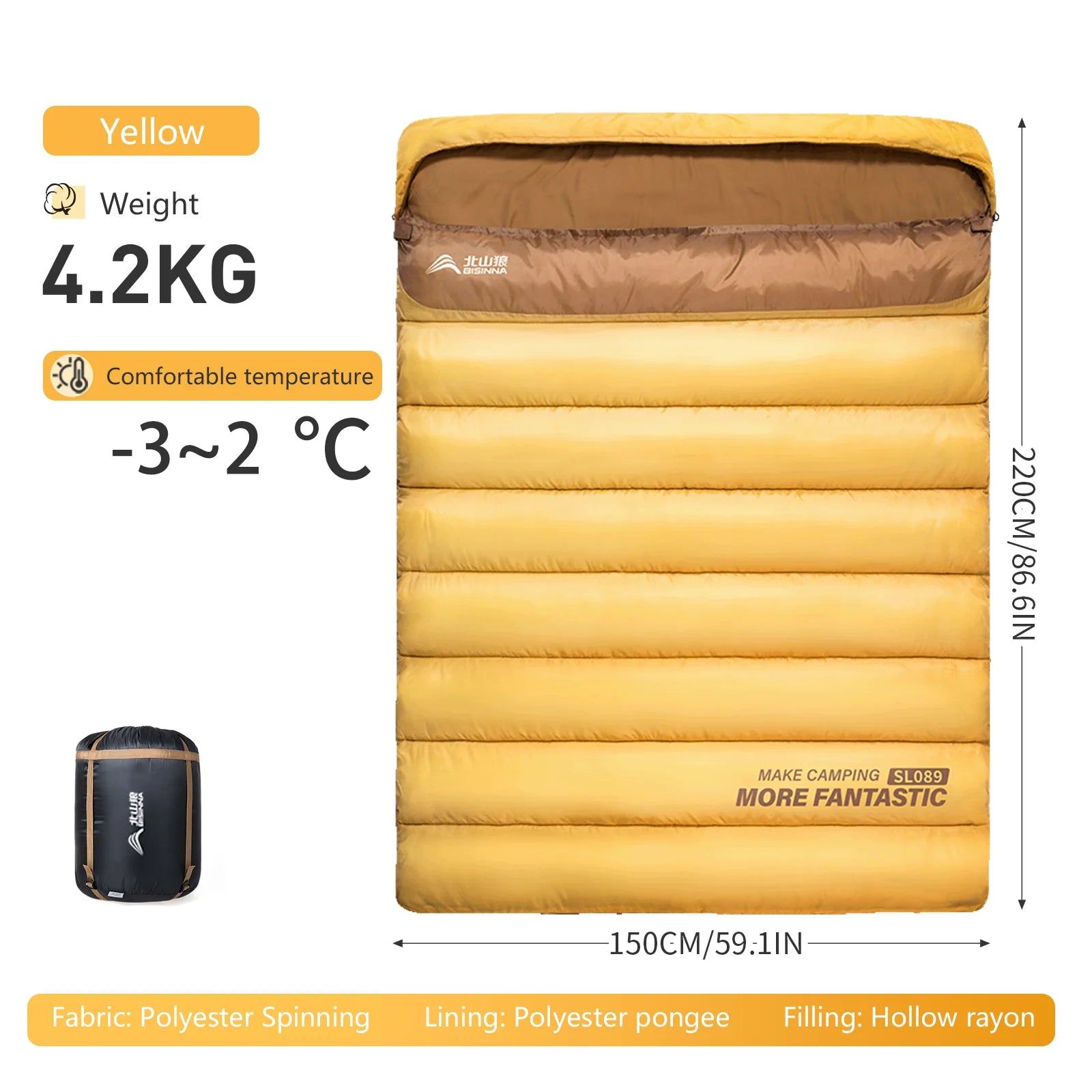
💡 See it in action
Stay Comfortable During Freezing Winter Camping Trips
A sleeping bag 0 degree down setup performs best when combined with proper insulation underneath, moisture control, wind protection, and smart layering. Most winter camping discomfort comes from incomplete sleep systems rather than poor-quality sleeping bags alone.
Whether you prefer solo backpacking or a winter rated double sleeping bag for couples, building a complete cold-weather sleep system improves comfort, recovery, and safety outdoors.
Pillar Article: Strap Sleeping Bag To Backpack: Step-By-Step Secure Guide
Other Related Articles:
- Insulated Sleeping Bags: How To Choose And Use Correctly
- Sleeping Bag For 2 Adults: How To Set Up Cozy Sleep
- Portable Sleeping Bag: How To Pack And Carry It Easily
Explore More:





