

Portable Sleeping Bag: How To Pack And Carry It Easily
Portable Sleeping Bag: How To Pack And Carry It Easily
⏱ 9 min read
Does a portable sleeping bag really make travel and camping easier?
A portable sleeping bag reduces bulk, improves pack organization, and helps campers stay warm without overloading their backpacks. The right setup makes hiking, car camping, and winter adventures more comfortable by combining lightweight insulation, compact storage, and fast packing methods that work in real outdoor conditions.
Packing bulky camping gear can turn a fun outdoor trip into a frustrating experience before you even leave home. Many hikers struggle with oversized sleeping systems, wasted backpack space, and cold nights caused by poor insulation choices. A portable sleeping bag solves those problems by making travel lighter, warmer, and easier to manage on the trail. Whether you need a backpacking 0 degree sleeping bag for winter conditions or a lightweight setup for weekend camping, learning how to compress, carry, and protect your sleeping bag can completely change your outdoor experience.
Sleeping Bags & Sleeping Pads | Compression & Packing Bags | Backpacking & Carry
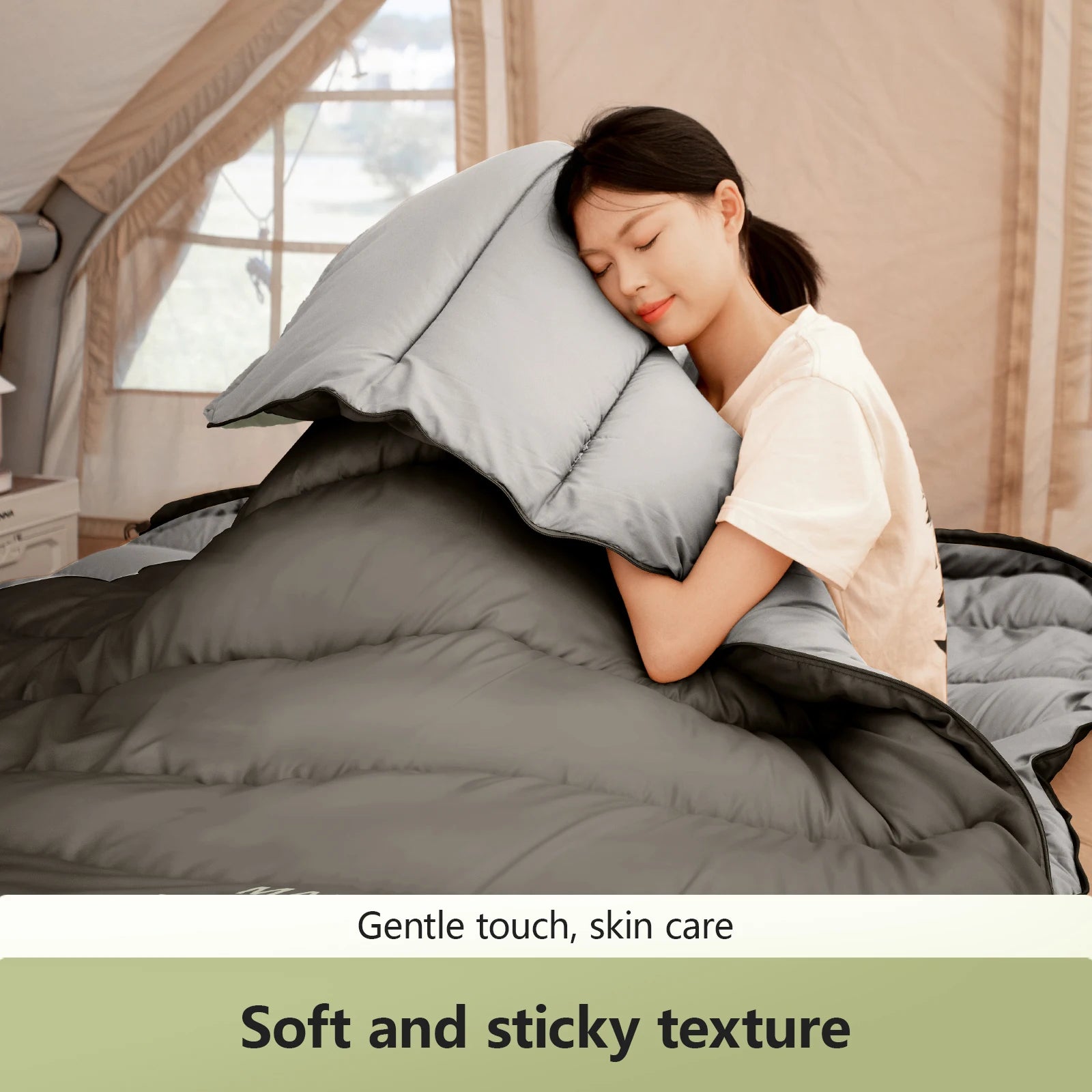
💡 See it in action
Why Portable Sleeping Bags Work Better for Travel
A portable sleeping bag helps travelers reduce pack size while staying warm during changing weather conditions. Lightweight materials and compression-friendly insulation allow campers to fit more essential gear into smaller backpacks without sacrificing comfort during overnight hikes or road trips.
What gear actually makes camping easier? For many hikers, the answer starts with reducing unnecessary weight and improving packing efficiency.
Traditional sleeping bags often consume too much backpack space. Modern portable sleeping bag designs focus on compact insulation, moisture resistance, and easier transportation.
- Smaller packed size for backpacking trips
- Faster setup after long hikes
- Reduced strain on shoulders and hips
- Better warmth-to-weight ratio
- Easier storage in vehicles or overhead compartments
Campers heading into colder regions often pair their sleep systems with gear from Weather Protection & Environment and Wind & Cold Protection collections for extra insulation without carrying heavy blankets.
| Sleeping Bag Type | Best Use | Packed Size | Warmth Level |
|---|---|---|---|
| Ultralight Down | Backpacking | Very Small | High |
| Synthetic Winter | Cold Weather Camping | Medium | Very High |
| Two Person Sleeping Bag | Couples & Group Camping | Larger | High |
How to Compress Sleeping Bag for Travel
A portable sleeping bag becomes much easier to carry when compressed correctly. Using proper rolling and stuffing methods protects insulation, saves backpack space, and keeps the sleeping bag ready for repeated outdoor use without damaging its loft.
- Lay the sleeping bag flat and zip it completely.
- Push trapped air out gradually while folding.
- Stuff the foot end into the compression sack first.
- Tighten compression straps evenly.
- Avoid over-tightening for long-term storage.
Many beginners make the mistake of rolling their bag too tightly every time. Stuffing usually protects insulation better over repeated trips because the pressure points change each time.
For rainy hikes or kayaking trips, waterproof protection matters just as much as compression. Pair your setup with Waterproof & Dry Bags to prevent moisture damage during storms.
Why compression sacks matter on long hikes
Compression sacks reduce dead space inside backpacks. This allows hikers to carry food, cooking equipment, and extra clothing more efficiently.
Outdoor testers on winter routes reported saving up to 30% backpack space after switching from standard stuff sacks to modern compression systems.
Lightweight Daypacks | Gear Organizers & Pouches | Hooks, Clips & Carabiners
Best Methods for Packing Sleeping Bag for Backpacking Trips Efficiently
Packing sleeping bag for backpacking trips efficiently means balancing accessibility, weight distribution, and weather protection. Strategic placement inside your backpack improves comfort during long hikes and prevents gear shifting on uneven terrain.
Experienced backpackers usually place sleeping bags at the bottom of their packs because they are lightweight but bulky.
Best backpack layout for balanced weight
- Bottom: sleeping bag and camp clothes
- Middle: food, cookware, heavy supplies
- Top: rain gear and emergency equipment
- Exterior pockets: water bottles and snacks
Combining your sleeping setup with gear from Camping Storage & Boxes and Food Storage Bags & Containers helps organize equipment without cluttering your pack.
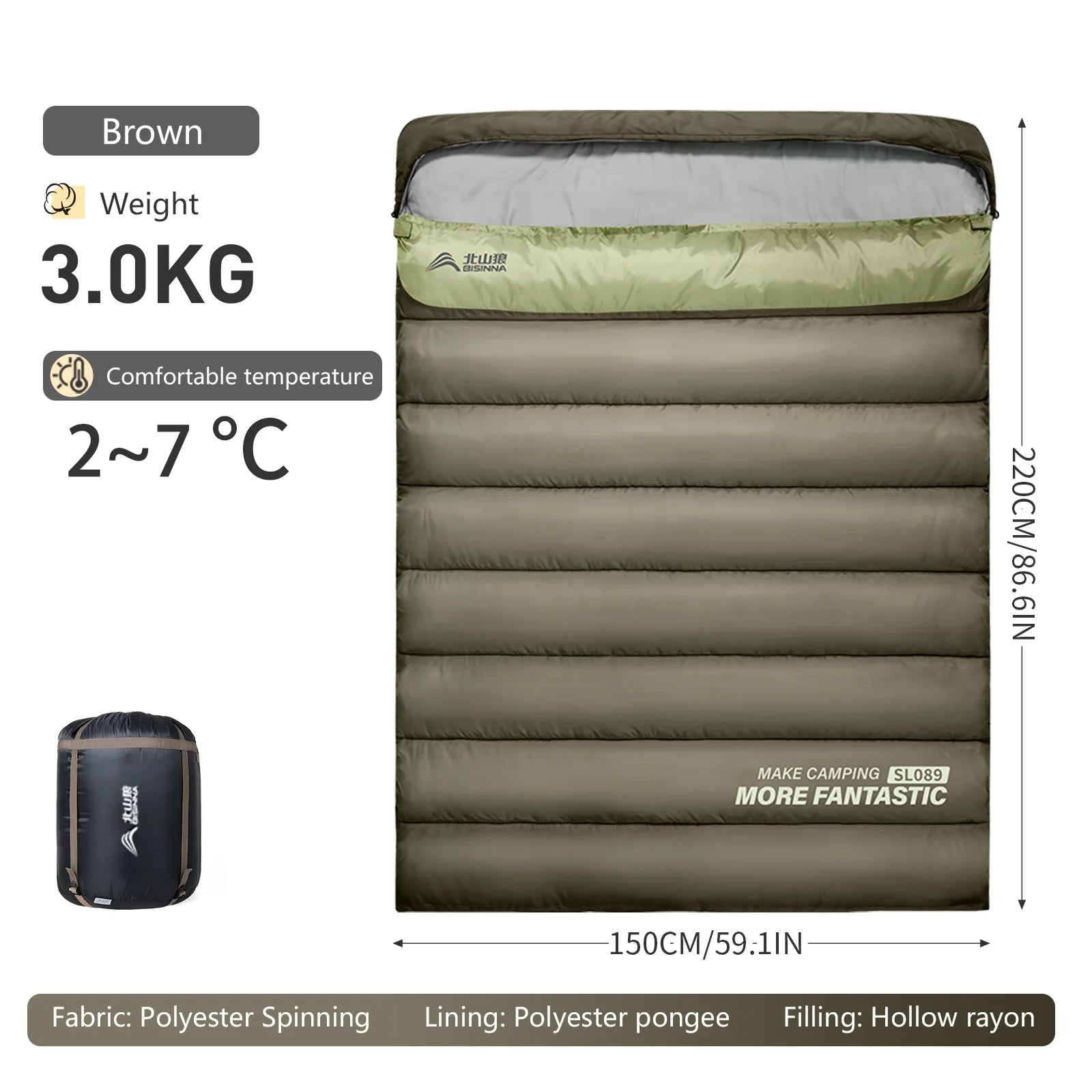
💡 See it in action
Stuff sack vs compression sack
| Feature | Stuff Sack | Compression Sack |
|---|---|---|
| Ease of Packing | Very Easy | Moderate |
| Pack Size Reduction | Low | High |
| Weight Savings | Minimal | Better Efficiency |
| Best For | Casual Camping | Backpacking Trips |
One Colorado backpacker shared that switching to a compact compression system allowed enough extra room for insulated food containers and emergency layers during a three-night snow trek.
Should You Choose a Portable Sleeping Bag for Two Hikers?
A portable sleeping bag for two hikers can improve warmth retention and reduce overall pack weight when shared between camping partners. Couples and family campers often prefer double sleeping bags because they simplify gear management while improving overnight comfort in colder temperatures.
Double sleeping bags are especially popular during:
- Car camping trips
- Cold-weather adventures
- Family camping weekends
- Music festivals and road trips
However, backpackers should still consider total packed volume. Some ultralight couples prefer two compact mummy bags instead.
If comfort matters more than extreme weight savings, a shared sleep setup can feel significantly warmer during freezing nights.
Explore additional comfort-focused gear through Blankets & Sleeping Comfort and Inflatable Pillows.
For campers wanting extra space during group adventures, this portable sleeping bag for two hikers offers a practical setup for road trips, cold campsites, and weekend escapes.
Understanding Sleeping Bag Ratings for Cold Weather
A backpacking 0 degree sleeping bag is designed for severe cold conditions, but ratings can confuse beginners. Sleeping bag ratings estimate survival and comfort temperatures, not guaranteed warmth for every camper.
Many campers buy bags based only on advertised ratings and end up freezing at night.
Sleeping bag temperature rating explained
- Comfort rating: realistic temperature for average sleepers
- Limit rating: lowest temperature before discomfort begins
- Extreme rating: emergency survival only
If you sleep cold, choose a sleeping bag rated at least 10–15°F lower than expected nighttime temperatures.
| Camping Condition | Recommended Rating |
|---|---|
| Summer Camping | 30°F to 50°F |
| 3-Season Backpacking | 15°F to 30°F |
| Winter Backpacking | 0°F or Below |
Winter campers often combine sleeping systems with products from Ground Sheets & Tarps and Car Camping Accessories to improve warmth retention and campsite protection.
How to Stay Warm While Camping Without Extra Bulk
Staying warm while camping depends more on smart layering and insulation management than carrying oversized gear. Efficient sleeping systems trap body heat while preventing moisture buildup inside the sleeping bag.
Simple ways to sleep warmer outdoors
- Use an insulated sleeping pad under your bag.
- Change into dry clothes before bed.
- Eat warm food before sleeping.
- Keep water bottles inside your tent during freezing weather.
- Block wind exposure whenever possible.
Campers who ignored ground insulation during testing reported feeling cold even inside expensive winter sleeping bags.
Adding compact accessories from Tent & Camping Lanterns and Fire Starters & Ignition also improves comfort during freezing nights.
Portable Sleeping Bag for Two Hikers
Pair it with:
Compression & Packing Bags | Lightweight Daypacks | Portable Power Banks
Smart Gear Checklist for Lightweight Camping
- Portable sleeping bag
- Compression sack
- Insulated sleeping pad
- Compact lantern
- Portable water filter
- Ultralight backpack
- Emergency whistle
- Dry storage bag
Many hikers simplify packing by organizing essentials with products from Personal Water Filters, Emergency Whistles & Signals, and Lighting & Power.
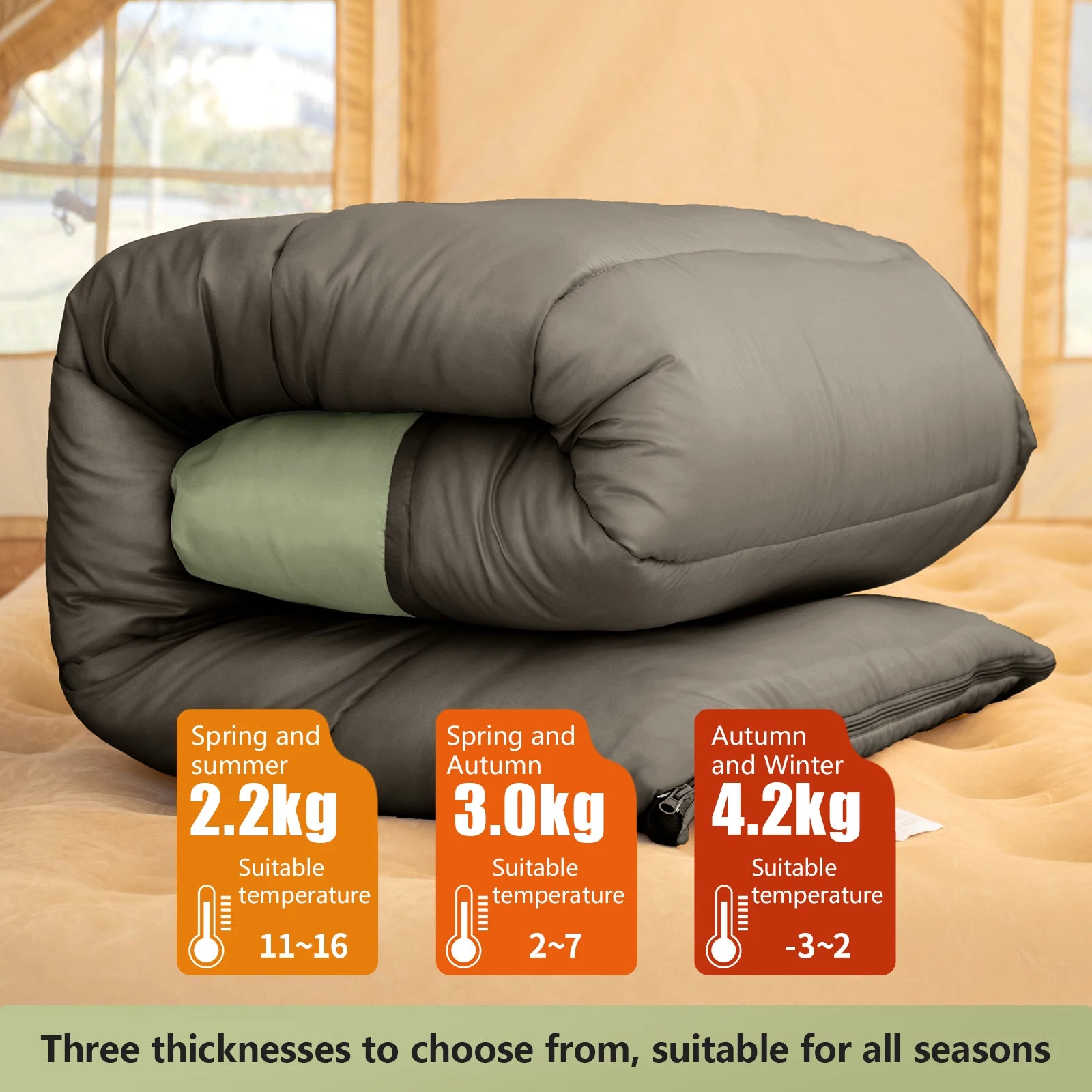
💡 See it in action
Common Sleeping Bag Packing Mistakes
- Leaving sleeping bags compressed for months
- Packing wet insulation after rain
- Using oversized backpacks for short trips
- Ignoring sleeping pad insulation
- Choosing the wrong temperature rating
One of the biggest mistakes beginners make is buying bulky gear for every trip. Experienced hikers build flexible systems that match the weather, terrain, and trip length.
Compact setups also improve mobility during airport travel, road trips, and crowded campsites.
Why Smart Packing Improves Every Outdoor Trip
A portable sleeping bag is more than just camping gear. It helps travelers move faster, stay warmer, and reduce unnecessary stress during outdoor adventures. Whether you are planning winter backpacking routes, weekend road trips, or family camping escapes, choosing the right sleeping bag and learning how to compress it properly can completely improve your experience.
The best systems balance warmth, portability, and durability without adding extra weight. Pairing your sleeping setup with lightweight accessories and efficient organization tools makes outdoor travel simpler, safer, and far more comfortable.
FAQ
How do you pack a portable sleeping bag efficiently?
Stuff the sleeping bag into a compression sack starting from the foot end. Push air out gradually and tighten straps evenly to reduce pack size without damaging insulation.
Can a backpacking 0 degree sleeping bag be used in warmer weather?
Yes, but it may feel too warm during summer conditions. Many campers partially unzip winter sleeping bags for airflow when temperatures rise.
Is a portable sleeping bag for two hikers good for backpacking?
It depends on your priorities. Double sleeping bags improve comfort and shared warmth but usually take more pack space than separate ultralight bags.
What is the best way to store a sleeping bag after camping?
Store it loosely in a large breathable sack instead of keeping it compressed. This helps maintain loft and insulation performance over time.
How can I stay warmer while camping without buying heavier gear?
Use an insulated sleeping pad, wear dry layers, protect your tent from wind, and eat warm meals before bed. Small adjustments often improve warmth more than adding bulky equipment.
Pillar Article: Strap Sleeping Bag To Backpack: Step-By-Step Secure Guide
Other Related Articles:
- Insulated Sleeping Bags: How To Choose And Use Correctly
- Sleeping Bag 0 Degree Down: How To Stay Warm In Winter
- Sleeping Bag For 2 Adults: How To Set Up Cozy Sleep
Explore More:





