

Camping Tips For Rain: Stay Dry On Any Hiking Trip
Camping Tips For Rain: Stay Dry On Any Hiking Trip
⏱ 12 min read
Does Camping In Rain Have To Be Miserable?
Camping tips for rain help hikers stay comfortable, dry, and safe even during sudden storms. Smart layering, waterproof storage, lightweight shelters, and quick campsite adjustments reduce exposure fast while improving warmth, mobility, and confidence on wet trails and overnight backpacking trips.
Camping tips for rain can completely change how you experience the outdoors when the forecast suddenly shifts. One minute the trail feels calm and scenic. The next, dark clouds roll in, gear gets soaked, and morale drops fast. But what if heavy rain no longer ruined your hiking plans? With the right rain systems, waterproof packing methods, and shelter strategies, you can stay comfortable during wet hikes, protect your gear, and enjoy the adventure even when conditions become unpredictable.
Have you ever arrived at camp soaked, cold, and frustrated because one rainstorm ruined the entire trip?
Experienced hikers know the answer usually isn’t carrying more gear. It’s carrying smarter gear and using it correctly before conditions worsen.
👉 Discover must-have camping gear before your next rainy adventure.
Weather Protection & Environment and Waterproof & Dry Bags can help you prepare for fast-changing trail conditions.
💡 See it in action
Why Rain Preparation Matters More Than Most Hikers Realize
Camping in rain becomes dangerous when hikers underestimate how quickly moisture affects body temperature, mobility, and morale. Even mild summer rain combined with wind can lower body heat surprisingly fast.
Wet clothing increases fatigue. Slippery trails slow movement. Damp sleeping systems make overnight recovery difficult. Small mistakes compound quickly during storms.
That’s why experienced backpackers focus on prevention instead of reaction.
Why Staying Dry During Sudden Rain Hikes Is So Difficult
- Weather changes faster at higher elevations
- Rain gear often traps sweat inside
- Backpacks absorb moisture through seams
- Wet socks increase blister risk
- Improper shelter placement creates flooding
- Cold rain reduces energy levels quickly
Many hikers also wait too long before putting on rain protection. By the time gear comes out, clothing is already damp.
What Experienced Hikers Do Differently
| Beginner Mistake | Experienced Hiker Strategy |
|---|---|
| Packs rain gear last | Keeps rain layers accessible |
| Uses cotton clothing | Uses moisture-wicking layers |
| Sets camp in low ground | Chooses elevated drainage areas |
| Stores gear loosely | Uses waterproof compartments |
| Waits for heavy rain | Prepares during early drizzle |
One backpacker from Oregon shared that switching to compartmentalized dry storage cut post-storm setup time in half during a week-long trek through the Cascades.
How The Right Rain Gear Keeps You Comfortable Longer
Camping tips for rain work best when your gear balances waterproof protection, breathability, and weight. The goal is not simply staying dry from rain outside. You must also manage sweat and heat inside your layers.
Heavy waterproof jackets alone often create overheating during uphill climbs.
Why Ponchos Work Surprisingly Well For Backpackers
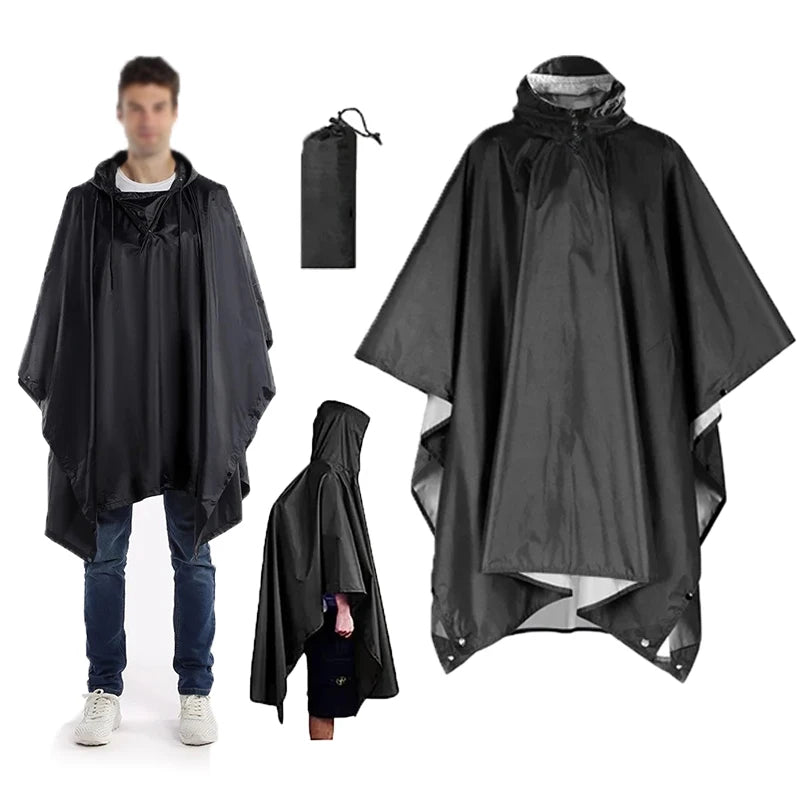
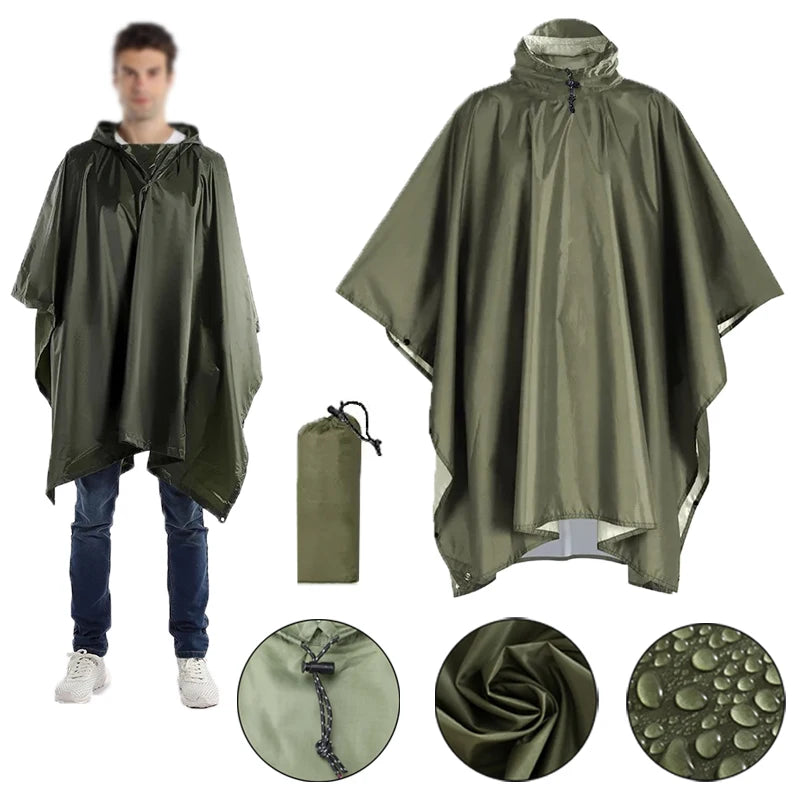
Ponchos remain popular because they protect both the body and backpack simultaneously while improving airflow compared to traditional rain jackets.
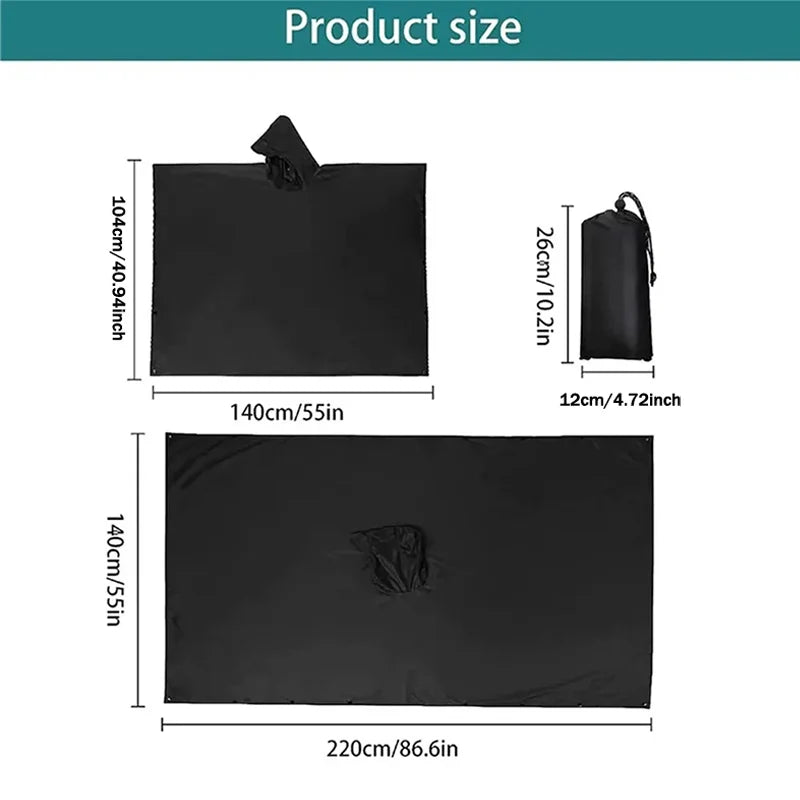
A quality rain poncho also doubles as emergency shelter during sudden weather exposure on trails.
- Faster ventilation during steep climbs
- Extra coverage for backpacks
- Quick setup during sudden storms
- Multi-use shelter functionality
- Reduced packing weight
Many long-distance hikers prefer ponchos specifically because overheating can become as uncomfortable as getting wet.
Explore lightweight protection options in Rain Ponchos & Capes for adaptable trail coverage.
Layering Systems That Actually Work In Rain
- Moisture-wicking base layer
- Insulating mid-layer for warmth
- Waterproof outer protection
- Dry backup socks in sealed storage
Avoid cotton completely during wet-weather trips. Cotton traps moisture and dries slowly, increasing discomfort and cold exposure.
Small Gear That Makes A Huge Difference
Experienced hikers often rely on compact accessories that prevent larger problems later.
- Pack liners
- Waterproof pouches
- Microfiber towels
- Rain covers
- Waterproof headlamps
- Emergency tarps
Headlamps & Wearable Lights become especially valuable during stormy evenings when visibility drops unexpectedly.
👉 Learn how to choose the right hiking gear before the next storm hits.
Pair lightweight storage from Compression & Packing Bags with waterproof systems from Weather Protection & Environment for better organization in wet conditions.
How To Build A Lightweight Backpacking Rain Protection System
One of the best camping tips for rain is creating a system instead of relying on one waterproof item. Every part of your setup should support fast drying and water resistance.
Core Components Of A Rain Protection Setup
| Gear Category | Purpose | Why It Matters |
|---|---|---|
| Rain poncho | Outer waterproof layer | Protects body and backpack |
| Dry bags | Internal moisture barrier | Keeps sleeping gear dry |
| Ground tarp | Camp moisture protection | Prevents water seepage |
| Quick-dry clothing | Temperature regulation | Reduces chilling |
| Waterproof lighting | Visibility in storms | Improves campsite safety |
How To Pack Your Backpack For Rain
- Store sleeping gear at the bottom inside waterproof liners
- Place emergency layers near the top
- Keep rain protection accessible externally
- Separate wet and dry clothing compartments
- Use smaller waterproof pouches for electronics
Backpackers often underestimate how quickly a single wet sleeping bag can destroy recovery after a long hiking day.
Browse Waterproof & Dry Bags and Gear Organizers & Pouches for efficient wet-weather storage solutions.
Why Multi-Use Gear Saves Weight
Ultralight hikers reduce pack weight by choosing equipment with multiple uses.
- Poncho shelters
- Tarp-groundsheet combinations
- Insulated food containers that double as bowls
- Carabiners for drying and organization
3-in-1 Rain Poncho Shelter setups are especially useful because they combine wearable rain protection with emergency shelter functionality.
How To Stay Dry Hiking Storms Without Overpacking
Many hikers overpack because they fear getting soaked. The smarter approach is learning how to stay dry hiking storms through efficient movement and quick adjustments.
Timing Matters More Than Extra Gear
When dark clouds appear, experienced hikers react immediately.
- Put on rain protection early
- Secure backpack covers immediately
- Adjust layers before sweating heavily
- Protect electronics first
- Identify emergency shelter options nearby
Waiting until heavy rainfall begins often creates avoidable exposure.
How To Prevent Sweat Buildup Inside Rain Gear
Internal moisture is one of the biggest challenges during wet hikes.
To reduce overheating:
- Open ventilation whenever possible
- Slow your pace uphill
- Use breathable layers
- Remove insulation during climbs
- Avoid over-tightening outer shells
Many hikers discover they feel drier overall using ventilated ponchos instead of sealed jackets during moderate rain.
💡 See it in action
How Trail Conditions Change During Heavy Rain
Unexpected weather exposure on trails affects more than visibility.
| Trail Condition | Risk | Solution |
|---|---|---|
| Mud | Slipping injuries | Trekking poles and slower pace |
| Flooded crossings | Loss of balance | Seek alternate routes |
| Cold wind | Rapid heat loss | Add insulating layers quickly |
| Low visibility | Navigation errors | Use headlamps and GPS backup |
Reliable lighting from Emergency Lighting and Portable Power Banks becomes essential during long storm delays.
How Smart Campsite Setup Prevents Sleepless Wet Nights
Rain camping success often depends more on campsite selection than expensive gear.
Where You Should Never Set Up Camp
- Dry creek beds
- Low valleys
- Areas beneath unstable trees
- Soft muddy depressions
- Open ridges during thunderstorms
Even light overnight rain can create dangerous flooding in low areas.
Best Campsite Features During Rain
- Slightly elevated ground
- Natural wind protection
- Firm soil drainage
- Nearby tree coverage
- Safe distance from rivers
Ground protection matters too. Many campers forget water can seep upward from saturated soil.
Ground Sheets & Tarps help reduce moisture intrusion beneath sleeping systems.
How To Keep Your Tent Dry Inside
Condensation creates major frustration during rainy trips.
To reduce interior moisture:
- Ventilate whenever possible
- Avoid cooking inside tents
- Keep wet gear outside sleeping areas
- Use separate vestibule storage
- Dry clothing before sleep if possible
Campers frequently report that managing condensation improves comfort more than upgrading to heavier tents.
Rain Shelter Strategies Beyond Tents
Tarps and modular shelters offer flexibility during storms.
| Shelter Type | Best Use | Advantage |
|---|---|---|
| Tent | Overnight sleep | Full protection |
| Tarp | Cooking area | Lightweight coverage |
| Poncho shelter | Emergency rain stop | Multi-use efficiency |
| Canopy | Group camping | Shared dry space |
Explore adaptable shelter setups in Camping Tents & Shelter and Sun Shades & Canopies.
Common Rain Camping Mistakes That Ruin Trips Fast
Most wet-weather problems come from small preventable mistakes.
Mistake #1: Wearing The Wrong Fabrics
Cotton clothing becomes heavy and cold when wet. Synthetic or wool layers maintain insulation much better.
Mistake #2: Ignoring Foot Care
Wet feet lead to blisters quickly.
Always carry:
- Dry backup socks
- Foot powder
- Breathable footwear
- Water-resistant camp shoes
Mistake #3: Leaving Gear Exposed
Many hikers leave packs uncovered during breaks because “the rain might stop soon.”
Short exposure periods often soak essential gear faster than expected.
Mistake #4: Forgetting Recovery Comfort
After hours of rain exposure, comfort matters psychologically.
Warm food, dry seating, and proper rest improve morale dramatically.
Blankets & Sleeping Comfort and Seat Cushions & Pads help campers recover after difficult weather.
Emergency Strategies For Unexpected Weather Exposure On Trails
Camping tips for rain should always include emergency planning because storms can escalate rapidly.
A calm response prevents panic and improves safety decisions.
Signs Conditions Are Becoming Dangerous
- Rapid temperature drop
- Strong winds
- Thunder within close range
- Rising water crossings
- Loss of trail visibility
- Uncontrolled shivering
What To Do During Lightning Storms
- Avoid isolated trees
- Move away from exposed ridges
- Spread group members apart
- Store trekking poles away temporarily
- Seek lower terrain safely
Safety gear from Safety, Survival & Emergency provides backup tools during unpredictable conditions.
How To Preserve Body Heat Fast
Heat loss accelerates rapidly once clothing becomes soaked.
| Fast Action | Purpose |
|---|---|
| Replace wet socks | Prevent cold feet |
| Add dry insulation | Retain body warmth |
| Eat calorie-dense food | Restore energy |
| Set shelter immediately | Reduce wind exposure |
| Use emergency blankets | Reflect body heat |
Emergency whistles and lighting also improve group communication during low visibility conditions.
Browse Emergency Whistles & Signals and Fire Starters & Ignition for storm-ready essentials.
👉 Get yours now before your next trip!
Prepare for sudden storms with the adaptable 3-in-1 Rain Poncho Shelter and organize critical gear using Backpacking & Carry solutions.
How To Manage Food, Water, And Warmth In Heavy Rain
Wet-weather camping drains energy faster than dry conditions.
Best Foods During Rainy Hikes
- High-calorie snacks
- Warm soups
- Instant oatmeal
- Electrolyte drinks
- Nut butter packets
Warm meals improve morale significantly after long rain exposure.
Camping Stoves & Cooking and Outdoor Cookware help maintain comfort even in wet environments.
Safe Water Management During Storms
Heavy rain increases contamination risks in natural water sources.
- Filter all collected water
- Store clean water separately
- Protect bottles from muddy runoff
- Use elevated storage at camp
Personal Water Filters and Collapsible Water Bottles reduce pack weight while improving water access.
How Campers Stay Warm Overnight
Nighttime temperatures often feel colder after rainy days.
- Change into dry sleep clothing
- Insulate from ground moisture
- Eat before sleeping
- Ventilate shelter slightly
- Use dry head coverings
Reliable sleep systems from Sleeping Bags & Sleeping Pads help improve overnight recovery during wet-weather trips.
💡 See it in action
Rain Camping Tips For Families And Group Trips
Group camping during rain requires extra planning because slower setup times increase exposure risks.
How Families Stay Organized During Storms
| Challenge | Helpful Strategy |
|---|---|
| Wet clothing chaos | Separate waterproof bins |
| Children getting cold | Extra dry layers ready |
| Dark campsites | Multiple lighting sources |
| Mud inside tents | Shoe removal areas |
Family Outdoor Bundles and Car Camping Accessories simplify wet-weather organization for larger groups.
Why Shared Shelter Areas Matter
Covered communal areas improve morale dramatically during long storms.
Families often use tarps or canopies for:
- Cooking
- Playing games
- Drying gear
- Meal preparation
- Emergency regrouping
Campers consistently report that shared dry spaces make rainy trips feel more enjoyable instead of stressful.
Complete Wet Weather Hiking Checklist
Before leaving home, review this camping tips for rain checklist carefully.
Essential Rain Hiking Gear Checklist
- Waterproof poncho or rain shell
- Dry bags and pack liner
- Extra socks
- Quick-dry base layers
- Emergency shelter tarp
- Headlamp with backup batteries
- Water filter
- Insulated sleeping system
- Portable stove
- Emergency whistle
- Power bank
- Waterproof gloves
Fast Pre-Trip Weather Planning
- Check hourly forecasts
- Research flash flood risks
- Identify alternate routes
- Share trip plans with someone
- Prepare backup shelter locations
Small preparation steps create huge differences once weather conditions change unexpectedly.
Why Rainy Adventures Can Become Your Best Trips
Camping tips for rain are not only about avoiding discomfort. They help hikers move confidently through unpredictable conditions while protecting safety, energy, and morale.
The outdoors rarely follows perfect forecasts. Storms happen. Trails become muddy. Campsites get soaked. But with smart preparation, lightweight systems, and reliable shelter strategies, rainy conditions can become part of the adventure instead of the reason to cancel it.
Many experienced backpackers eventually discover that some of their most memorable trips happened during difficult weather because the challenge made the experience feel more rewarding.
The next time dark clouds appear overhead, you’ll already know how to stay dry, organized, warm, and ready for whatever the trail brings next.
Frequently Asked Questions
What are the best camping tips for rain?
The best camping tips for rain include using waterproof layers, packing gear in dry bags, setting camp on elevated ground, and preparing shelter before storms intensify. Lightweight multi-use gear also improves mobility and reduces wet-weather stress.
How do hikers stay dry during sudden rain hikes?
Hikers stay dry during sudden rain hikes by putting on rain protection early, ventilating layers properly, protecting backpacks with waterproof storage, and carrying fast-access shelter gear like ponchos or tarps.
What should you avoid during rainy camping trips?
Avoid cotton clothing, low-ground campsites, exposed ridges during lightning storms, and leaving sleeping gear unprotected. These mistakes often lead to discomfort, dangerous heat loss, and soaked equipment.
How do you keep a tent dry in heavy rain?
Keep a tent dry by selecting elevated terrain, using ground tarps, improving ventilation, and separating wet gear from sleeping areas. Proper campsite setup reduces condensation and interior moisture buildup.
What gear helps most during wet-weather backpacking?
Waterproof ponchos, dry bags, quick-dry clothing, compact shelters, waterproof lighting, and insulated sleeping systems provide the biggest comfort and safety improvements during rainy hiking trips.
Related Articles:
- Is Ripstop Nylon Waterproof? How To Test It Properly
- Ripstop Nylon Poncho: How To Use And Maintain It
- Rain Gear Hiking: How To Stay Dry On Long Trails
- Poncho As A Shelter: How To Build Quick Rain Cover
Pillar Articles:





