

Rain Gear Hiking: How To Stay Dry On Long Trails
Rain Gear Hiking: How To Stay Dry On Long Trails
Does rain gear hiking really help on long-distance trails?
Rain gear hiking systems help hikers stay dry, warm, and mobile during sudden storms and long wet treks. Using waterproof layers, pack covers, dry bags, and smart storage methods reduces the risk of wet gear ruining hiking backpack contents while improving comfort, safety, and endurance on multi-day adventures.
⏱ 9 min read
Rain gear hiking can make the difference between a miserable trek and a confident adventure when unexpected weather exposure on trails strikes fast. The right layering system, pack covers, and waterproof storage methods help prevent wet gear ruining hiking backpack contents while improving comfort on multi-day routes. You’ll also discover practical tips for backpacking rain protection systems that experienced hikers use to stay lighter, warmer, and drier in changing conditions. But which mistake quietly causes most hikers to fail in heavy rain?
Have you ever opened your backpack after hours of hiking only to discover soaked clothing, wet electronics, and cold sleeping gear? That moment ruins morale fast. Many hikers focus only on jackets while ignoring the full rain protection system needed for long-distance trails.
Strong rain protection starts before the first drop falls. Waterproof layers, dry storage, shelter planning, and breathable gear all work together to keep you comfortable when trail conditions suddenly change.
👉 Discover must-have camping gear before your next wet-weather adventure.
Weather Protection & Environment offers lightweight solutions that help hikers stay prepared for changing trail conditions.

💡 See it in action
Why Most Hikers Get Soaked During Long Trails
Rain gear hiking fails most often because hikers protect themselves but ignore their equipment. Once moisture reaches sleeping bags, food layers, or dry clothing, body temperature drops quickly and morale follows.
The biggest problems usually include:
- Using non-waterproof backpacks
- Packing spare clothes without dry protection
- Wearing cotton layers that trap moisture
- Ignoring ventilation during heavy climbs
- Waiting too long before adding rain protection
Experienced hikers prepare for rain before the storm begins. That means protecting every essential item individually instead of relying only on one rain cover.
| Common Problem | What Happens | Better Solution |
|---|---|---|
| Cheap rain jacket | Condensation buildup inside | Breathable layered system |
| No pack liner | Wet clothing and sleeping gear | Use dry bags and waterproof storage |
| Loose gear attachment | Water enters through seams | Compact waterproof packing |
| Late storm preparation | Rapid body heat loss | Layer early before rain intensifies |
How the Best Rain Gear Hiking System Keeps You Dry
Rain gear hiking works best when your jacket, backpack, footwear, and storage system function together. Breathability matters just as much as waterproofing because trapped sweat eventually creates the same discomfort as rainwater.
The most effective rain systems combine mobility, lightweight storage, and fast setup during sudden weather shifts.
- Start with moisture-wicking base layers
- Add lightweight insulation for temperature control
- Use a waterproof outer shell with ventilation
- Protect your backpack using covers and dry bags
- Keep emergency dry clothing sealed separately
Many long-distance hikers also carry backup waterproof storage from Waterproof & Dry Bags to separate electronics, sleeping layers, and food supplies.
When trails become muddy and visibility drops, lightweight organization matters. Products from Compression & Packing Bags help reduce bulk while keeping dry gear protected inside your backpack.
How Smart Layering Prevents Cold and Wet Conditions
Rain gear hiking becomes dangerous when hikers overdress and trap moisture inside their clothing. Sweat buildup eventually cools your body faster than outside rain.
A smart layering system adapts to movement and temperature changes throughout the trail.
Base Layer
Choose synthetic or merino wool materials that pull sweat away from the skin. Avoid cotton because it absorbs moisture and dries slowly.
Mid Layer
Fleece or lightweight insulated layers trap warmth while remaining breathable during climbs.
Outer Shell
A waterproof shell protects against rain and wind while allowing heat to escape through vents or zippers.
Many hikers also carry compact weather gear from Wind & Cold Protection during colder mountain routes where rain and wind combine.
- Keep gloves accessible in outer pockets
- Store socks inside sealed dry bags
- Rotate damp clothing during rest breaks
- Use gaiters in muddy terrain
Outdoor traveler Marcus R. shared that separating dry sleeping clothes into double waterproof storage reduced his overnight discomfort dramatically during a week-long Appalachian trail section hike.
👉 Learn how to choose the right hiking gear before unpredictable weather catches you off guard.
Explore lightweight options inside Rain Ponchos & Capes for fast trail protection and easier pack coverage.
How to Stop Wet Gear Ruining Hiking Backpack Contents
Wet gear ruining hiking backpack contents is one of the most common failures during long-distance treks. Even high-quality backpacks can leak through seams, zippers, or water pooling near the base.
The safest method uses multiple protection layers instead of depending on one cover alone.
Use Internal Waterproof Protection
- Pack sleeping gear inside waterproof liners
- Store electronics in sealed pouches
- Separate food from wet clothing
- Protect maps and batteries individually
Protect High-Risk Gear First
Focus on sleeping systems, dry clothing, and electronics because these become difficult to replace on remote trails.
Backpacking experts often recommend combining external covers with internal protection from Gear Organizers & Pouches and Backpacking & Carry.
💡 See it in action
Essential Rain Gear Hiking Packing Checklist
Unexpected weather exposure on trails becomes far less stressful when your rain system stays organized and easy to access.
| Essential Item | Purpose |
|---|---|
| Waterproof shell | Rain and wind protection |
| Pack liner | Internal moisture barrier |
| Dry bags | Protect sleeping gear and electronics |
| Quick-dry socks | Prevent blisters |
| Poncho shelter | Emergency coverage and campsite use |
| Headlamp | Visibility during storms |
Reliable lighting becomes critical during storms or delayed camp setup. Many hikers pair rain systems with equipment from Headlamps & Wearable Lights and Emergency Lighting.
Hydration matters too. Wet weather often reduces thirst awareness even while your body continues losing fluids during steep climbs. Compact storage from Collapsible Water Bottles helps reduce pack bulk while maintaining hydration access.
Common Rain Gear Hiking Mistakes to Avoid
Small mistakes during wet-weather hiking can create major problems several hours later.
- Ignoring ventilation during uphill climbs
- Leaving rain gear buried deep inside backpacks
- Wearing waterproof layers continuously in mild drizzle
- Failing to waterproof sleeping systems separately
- Drying wet gear inside sleeping shelters overnight
One overlooked issue is campsite setup. Water pooling beneath shelters often soaks equipment overnight even after the rain stops. Ground protection from Ground Sheets & Tarps helps reduce this risk significantly.
Another common mistake is carrying oversized rain systems that trap heat and limit mobility. Lightweight setups typically improve comfort and hiking endurance over long distances.
How Experienced Backpackers Handle Multi-Day Rain
Long-distance backpackers rarely expect to stay completely dry. Instead, they focus on maintaining warmth, protecting critical gear, and reducing moisture buildup over time.
Many hikers divide gear into three categories:
- Items allowed to get wet
- Items that should remain damp-resistant
- Items that must stay completely dry
This system prevents panic during sudden weather changes and simplifies trail organization.
Experienced hikers also prepare recovery systems at camp:
- Dry sleep clothing stored separately
- Sheltered cooking setup
- Backup socks for overnight warmth
- Compact tarp or poncho shelter coverage
Cooking during storms becomes easier with compact equipment from Camping Stoves & Cooking and waterproof organization tools from Camping Storage & Boxes.
Backpacker Amanda L. described how switching to modular waterproof packing reduced gear drying time by nearly half during rainy Pacific Northwest trail sections.
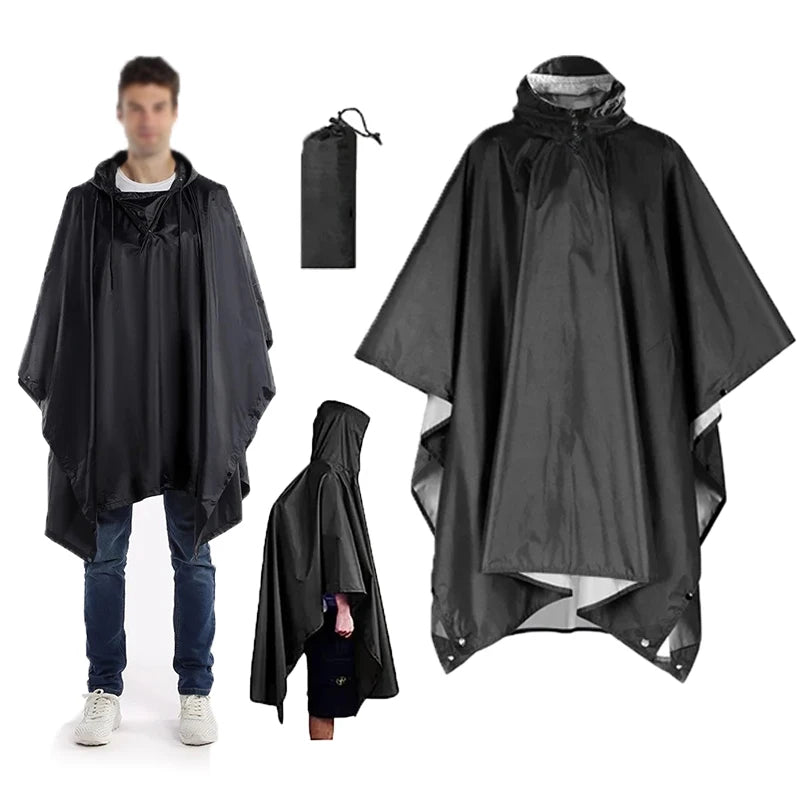
Why a 3-in-1 Rain Poncho Shelter Makes Hiking Easier
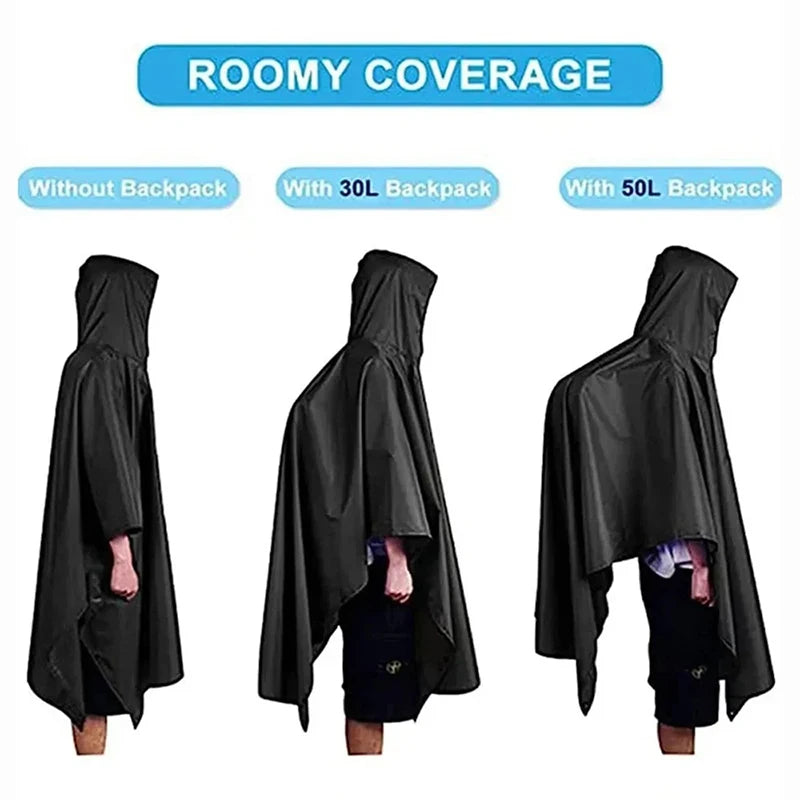
Rain gear hiking becomes simpler when one lightweight solution handles multiple weather problems at once. A poncho shelter system protects your body, covers your backpack, and creates emergency shelter during sudden storms.
The biggest advantage is flexibility. Instead of carrying separate rain layers and emergency tarps, hikers can reduce weight while improving response time during changing conditions.
Benefits hikers often notice include:
- Faster rain protection deployment
- Better backpack coverage
- Reduced overall pack weight
- Emergency campsite versatility
- Improved ventilation compared to heavy jackets
The 3-in-1 Rain Poncho Shelter works especially well for hikers facing unpredictable weather exposure on trails where lightweight adaptability matters most.
Many hikers pair it with gear from Lightweight Daypacks and Weather Accessories for improved comfort during longer treks.
💡 See it in action
Stay Drier, Safer, and More Comfortable on Every Trail
Rain does not need to ruin your hiking experience. The right rain gear hiking strategy combines breathable layers, smart waterproof storage, lightweight shelter systems, and organized packing methods that reduce stress during changing weather.
By focusing on complete protection instead of only jackets, hikers can avoid wet gear ruining hiking backpack contents while improving safety and comfort during multi-day adventures.
👉 Get yours now before your next trip!
Upgrade your wet-weather setup with the versatile 3-in-1 Rain Poncho Shelter and build a lighter, smarter trail protection system.
Rain Gear Hiking FAQ
What is the best rain gear hiking setup for long trails?
The best setup combines a breathable waterproof shell, dry bags, pack liner, quick-dry clothing, and emergency shelter protection. Layering and internal waterproof storage are just as important as the rain jacket itself.
How do hikers prevent wet gear ruining hiking backpack contents?
Experienced hikers use waterproof liners, sealed dry bags, and separate storage compartments for sleeping gear, electronics, and clothing. Internal waterproof protection is more reliable than external rain covers alone.
Why do hikers still get wet while wearing waterproof jackets?
Most hikers become wet from trapped sweat and poor ventilation rather than direct rainfall. Breathable layers and temperature regulation help reduce internal moisture buildup during long climbs.
What should hikers do during unexpected weather exposure on trails?
Stop early, add waterproof layers immediately, protect critical gear first, and reduce body heat loss. Quick setup shelter systems and dry storage solutions improve comfort and safety during sudden storms.
Are poncho shelters better than traditional rain jackets?
Poncho shelters provide broader coverage for both hikers and backpacks while doubling as emergency shelters. Many hikers prefer them for lightweight backpacking and changing trail conditions.
Pillar Article: Camping Tips For Rain: Stay Dry On Any Hiking Trip
Other Related Articles:
- Is Ripstop Nylon Waterproof? How To Test It Properly
- Ripstop Nylon Poncho: How To Use And Maintain It
- Poncho As A Shelter: How To Build Quick Rain Cover
Explore More:





