

Is Ripstop Nylon Waterproof? How To Test It Properly
Is Ripstop Nylon Waterproof? How To Test It Properly
⏱ 9 min read
Is Ripstop Nylon Waterproof?
Yes, is ripstop nylon waterproof depends on its coating, weave, and fabric treatment. Standard nylon ripstop material is usually water-resistant, not fully waterproof. However, coated ripstop nylon used in outdoor shelters, ponchos, and tarps can handle steady rain surprisingly well when seams and pressure points are properly sealed.
Rain can turn a great outdoor trip into a miserable one fast. Many hikers buy gear labeled “waterproof” only to discover soaked clothing, leaking tarps, or condensation buildup during storms. If you’ve ever wondered whether ripstop nylon actually protects you in heavy rain, this guide explains what is ripstop fabric, how to test it at home, and why smart campers trust it for shelters, ponchos, and emergency setups.
What gear actually keeps you dry during an unexpected downpour without adding bulky weight to your backpack?
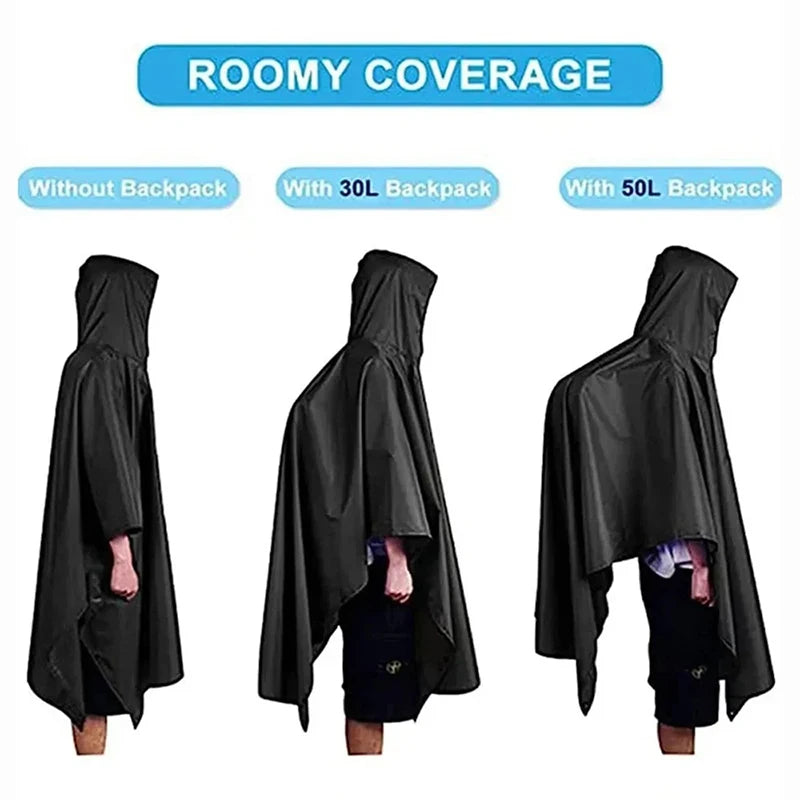
Lightweight rain protection can make or break an outdoor trip. Explore durable setups built for changing weather with this waterproof hiking poncho with shelter tarp.
💡 See it in action
What Is Ripstop Fabric and Why Is It Popular?
What is ripstop fabric? Ripstop is a reinforced woven material designed to stop small tears from spreading. Manufacturers weave thicker reinforcement threads into lighter fabric in a grid pattern, creating stronger performance without adding excessive weight.
Nylon ripstop material became popular because it balances three major outdoor needs:
- Lightweight packability
- Improved tear resistance
- Better weather durability
- Quick drying performance
This is why ripstop nylon appears in:
- Rain ponchos
- Camping tarps
- Tent flysheets
- Backpacks
- Emergency shelters
- Ultralight outdoor gear
| Material | Weight | Tear Resistance | Rain Performance |
|---|---|---|---|
| Standard Nylon | Light | Moderate | Water-resistant |
| Ripstop Nylon | Light | High | Better with coatings |
| Polyester | Moderate | Moderate | Good UV resistance |
| Canvas | Heavy | Very High | Depends on treatment |
Campers pairing lightweight shelters with gear from Camping Tents & Shelter often prefer ripstop because it packs smaller and dries faster after storms.
Waterproof vs Water-Resistant: What Matters Outdoors?
Is ripstop nylon waterproof in every situation? Not always. The biggest confusion comes from the difference between waterproof and water-resistant materials.
Water-resistant fabric can repel light rain briefly. Waterproof fabric blocks water penetration even under pressure or prolonged exposure.
The difference usually depends on:
- PU or silicone coating quality
- Fabric denier thickness
- Seam sealing
- Hydrostatic head rating
- Wear and aging
Many cheap ponchos fail because seams leak first, not because the fabric itself fails.
How Hydrostatic Head Ratings Affect Performance
Outdoor brands measure waterproof performance using hydrostatic head ratings.
- 300–800 mm: light drizzle protection
- 1,000–2,000 mm: moderate rain
- 3,000 mm+: heavy rain and shelter use
A waterproof hiking poncho with shelter tarp typically performs better because coated ripstop nylon is designed for multi-use weather protection.
Many backpackers also combine rain gear with products from Waterproof & Dry Bags to keep electronics and clothing dry during river crossings or long storms.
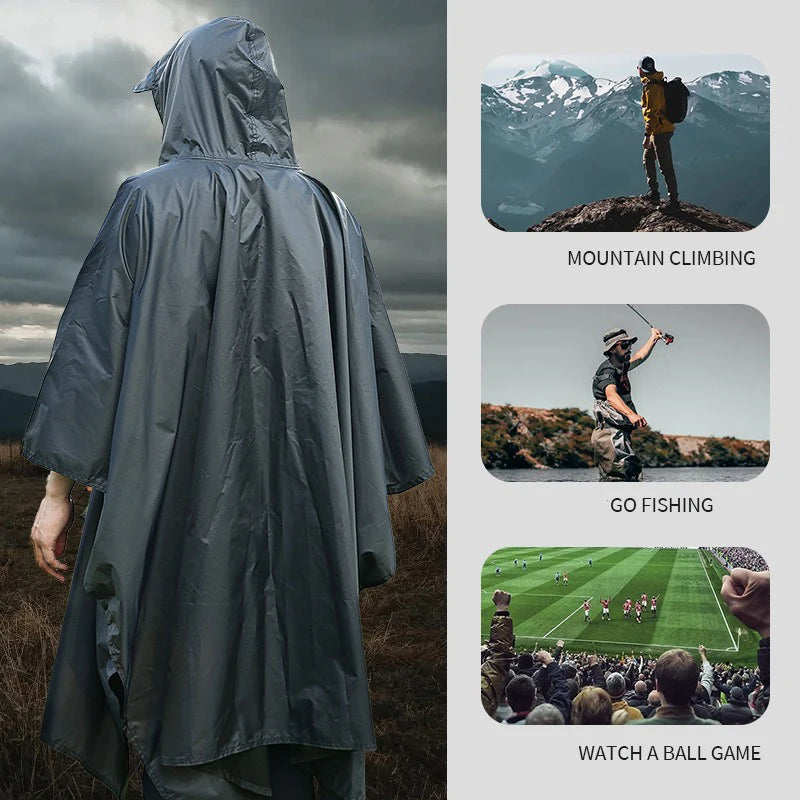
Durable ripstop protection works best when paired with compact outdoor systems. Check out this versatile waterproof hiking poncho with shelter tarp for hiking, camping, and emergency shelter use.
How To Test Ripstop Nylon Properly at Home
Before relying on outdoor gear in bad weather, test it yourself. A quick backyard test can reveal hidden weaknesses before a trip.
1. Perform a Simple Water Bead Test
- Lay the fabric flat
- Pour a few drops of water onto the surface
- Watch how the droplets behave
- If water beads and rolls off, the coating still works
- If fabric absorbs moisture immediately, protection is weakening
2. Test Under Pressure
Light rain is easy to resist. Pressure reveals true waterproof performance.
- Place fabric over a bowl
- Press a wet sponge against it firmly
- Wait 60 seconds
- Check the underside for moisture
This simulates backpack pressure, kneeling, or wind-driven rain.
💡 See it in action
3. Spray Hose Simulation
Want a realistic field test?
- Hang the poncho or tarp outdoors
- Spray with a hose for 3–5 minutes
- Inspect seams carefully
- Check for misting or seepage
Many users are surprised to discover leakage around stitching first.
4. Check Aging and Flex Cracks
Old nylon coatings can crack after folding repeatedly.
- Flex the material under bright light
- Look for whitening or flaking
- Inspect corners and stress points
Older shelters stored in hot car trunks often degrade faster.
| Test Type | What It Reveals | Difficulty |
|---|---|---|
| Water Bead Test | Surface coating quality | Easy |
| Sponge Pressure Test | Pressure resistance | Easy |
| Hose Spray Test | Heavy rain simulation | Moderate |
| Flex Crack Check | Age-related damage | Easy |
The Common Mistakes That Cause Gear Failure
One surprising mistake ruins outdoor waterproofing faster than anything else: improper storage.
Many campers pack wet gear tightly and leave it compressed for days. This damages coatings, weakens seams, and creates mildew.
Avoid these common issues:
- Storing damp tarps
- Leaving nylon in direct heat
- Using harsh detergents
- Ignoring seam maintenance
- Dragging tarps over rocks
Outdoor travelers often combine weather gear with storage solutions from Compression & Packing Bags to reduce wear while packing efficiently.
Field Story: Why Experienced Campers Test Gear Early
A backpacker in Colorado shared that his “waterproof” shelter leaked during a thunderstorm because he never tested the seams beforehand. After replacing it with coated ripstop nylon and seam-sealing vulnerable points, later storms stayed manageable.
That’s why experienced hikers test equipment before trips instead of trusting labels alone.
Why Hikers Trust Ripstop Nylon in Real Weather
Modern outdoor setups prioritize lightweight protection. Heavy canvas may survive abuse, but ripstop nylon offers better portability for long-distance hiking.
Why do hikers continue choosing nylon ripstop material?
- Packs compactly
- Dries quickly after rain
- Resists tearing during wind
- Works for shelters and ponchos
- Performs well during emergency setups
Versatile systems matter when storms arrive unexpectedly.
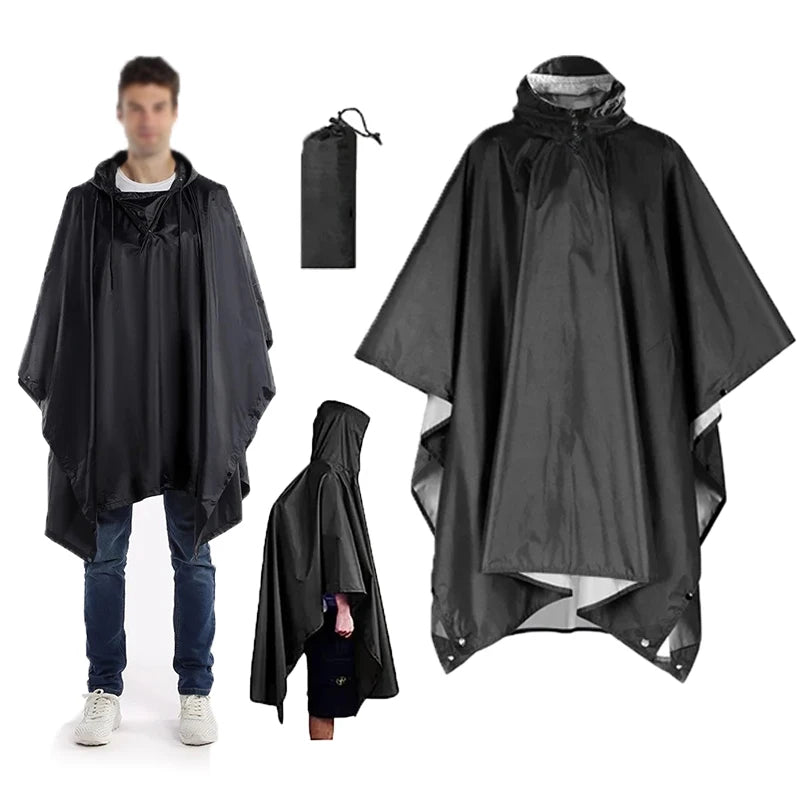
A waterproof hiking poncho with shelter tarp can function as:
- Rain cape
- Emergency tarp
- Ground cover
- Wind barrier
- Quick campsite shelter
Campers preparing for unpredictable weather often add support gear from Ground Sheets & Tarps and Weather Protection & Environment collections to improve campsite resilience.
How To Choose Better Rain Protection for Camping
Choosing rain gear is not just about waterproof labels. The best setup balances weather protection, weight, ventilation, and emergency functionality.
Look for These Features
- Ripstop reinforced weave
- Sealed seams
- Multi-purpose shelter design
- Compact packed size
- Fast drying fabric
- Reliable hood coverage
Outdoor travelers also appreciate compatible accessories from Lightweight Daypacks and Car Camping Accessories for organizing wet-weather essentials.
Quick Packing Checklist for Wet Weather Trips
- Waterproof poncho or tarp
- Dry storage bags
- Backup socks and layers
- Emergency lighting
- Compact shelter setup
- Portable water filtration
Reliable wet-weather kits often include backup gear from Emergency Lighting and Personal Water Filters for longer outdoor trips.
Don’t wait until the forecast changes unexpectedly. Upgrade your rain protection with this lightweight waterproof hiking poncho with shelter tarp built for hiking, camping, and emergency shelter use.
💡 See it in action
How Outdoor Users Describe Ripstop Nylon Performance
Many hikers report that quality ripstop nylon stays comfortable during hours of rain when combined with good ventilation and sealed seams.
Users especially appreciate:
- Reduced backpack weight
- Fast deployment during storms
- Quick drying after rain
- Compact storage inside daypacks
One camper described switching from bulky rain jackets to a poncho shelter system as “the biggest comfort upgrade” during Appalachian trail sections with frequent rain.
Conclusion
So, is ripstop nylon waterproof enough for serious outdoor use? High-quality coated ripstop nylon absolutely can be — especially when properly maintained and paired with sealed seams. The real difference comes from construction quality, not just marketing labels.
Testing your gear before a trip is the smartest way to avoid surprises. A few minutes with water tests can reveal weak points long before you face a storm in the wilderness.
FAQ
Is ripstop nylon fully waterproof?
Not always. Untreated ripstop nylon is usually water-resistant. Waterproof performance depends on coatings, seam sealing, and fabric construction.
What is ripstop fabric commonly used for?
Ripstop fabric is commonly used for tents, tarps, backpacks, rain ponchos, parachutes, and outdoor shelters because it resists tearing while staying lightweight.
How long does waterproof ripstop nylon last?
With proper care, coated ripstop nylon can last many years. Avoid prolonged UV exposure, heat, and improper wet storage to maximize lifespan.
Can a waterproof hiking poncho with shelter tarp replace a tent?
For short trips or emergency situations, many hikers use poncho tarps successfully as minimalist shelters. However, severe weather may still require a full tent setup.
What weakens nylon ripstop material fastest?
Heat, UV exposure, abrasion, and folding wet fabric repeatedly can weaken coatings and seams over time.
Pillar Article: Camping Tips For Rain: Stay Dry On Any Hiking Trip
Other Related Articles:
- Ripstop Nylon Poncho: How To Use And Maintain It
- Rain Gear Hiking: How To Stay Dry On Long Trails
- Poncho As A Shelter: How To Build Quick Rain Cover
Explore More:





