

Poncho As A Shelter: How To Build Quick Rain Cover
Camping Tips For Rain: Stay Dry On Any Hiking Trip
Can You Stay Dry While Hiking in Rain?
Camping tips for rain help hikers stay comfortable, warm, and protected even during sudden storms. Smart layering, lightweight rain systems, waterproof storage, and fast shelter setup reduce unexpected weather exposure on trails while improving safety, morale, and overall hiking performance during wet outdoor adventures.
⏱ 12 min read
Camping in the rain can quickly turn an exciting trip into a cold, exhausting experience if you are unprepared. Wet socks, soaked gear, slippery trails, and poor visibility challenge even experienced hikers. The good news? With the right camping tips for rain, you can stay dry, hike confidently, and enjoy your adventure even when the weather suddenly changes.
Have you ever started a sunny trail only to get caught in a heavy downpour an hour later? Learning how to stay dry hiking storms and manage unexpected weather exposure on trails can make every camping trip safer and far more enjoyable.
👉 Discover must-have camping gear before your next rainy trail adventure.
💡 See it in action
Why Rain Preparation Matters More Than Most Hikers Expect
Camping tips for rain are not just about comfort. Staying dry directly affects body temperature, energy levels, visibility, and decision-making. Even mild rain combined with wind can increase the risk of fatigue and hypothermia during long hikes.
Many hikers focus heavily on backpacks, shoes, and food while underestimating weather preparation. But rain exposure often creates the biggest outdoor problems:
- Wet clothing causes rapid heat loss
- Heavy soaked gear increases exhaustion
- Moisture damages electronics and supplies
- Slippery terrain raises injury risk
- Poor sleep affects recovery overnight
Unexpected weather exposure on trails can happen during any season. Mountain weather changes rapidly, and even reliable forecasts can shift within hours.
Why Rain Often Feels Worse Than Cold Weather
Cold air alone is manageable with layers. Rain changes everything because moisture removes body heat far faster than dry air. Wet clothing traps less warmth and increases discomfort during movement breaks.
This is why experienced backpackers prioritize waterproof systems over simply packing thicker clothes.
| Dry Conditions | Wet Conditions |
|---|---|
| Clothing retains warmth | Wet fabric loses insulation |
| Gear remains lightweight | Backpack weight increases |
| Trails remain stable | Trails become slippery |
| Camp setup is simple | Shelter setup becomes urgent |
Campers who prepare for rain usually enjoy more flexibility, better morale, and safer overnight experiences.
How Lightweight Rain Systems Keep You Comfortable Longer
Camping tips for rain work best when your gear system stays lightweight, breathable, and versatile. Bulky rain gear often traps sweat, causing hikers to become wet from the inside while moving uphill.
The most effective tips for backpacking rain protection systems focus on balancing waterproofing with airflow.
What Gear Actually Makes Camping Easier?
A few smart items provide better protection than carrying excessive heavy layers.
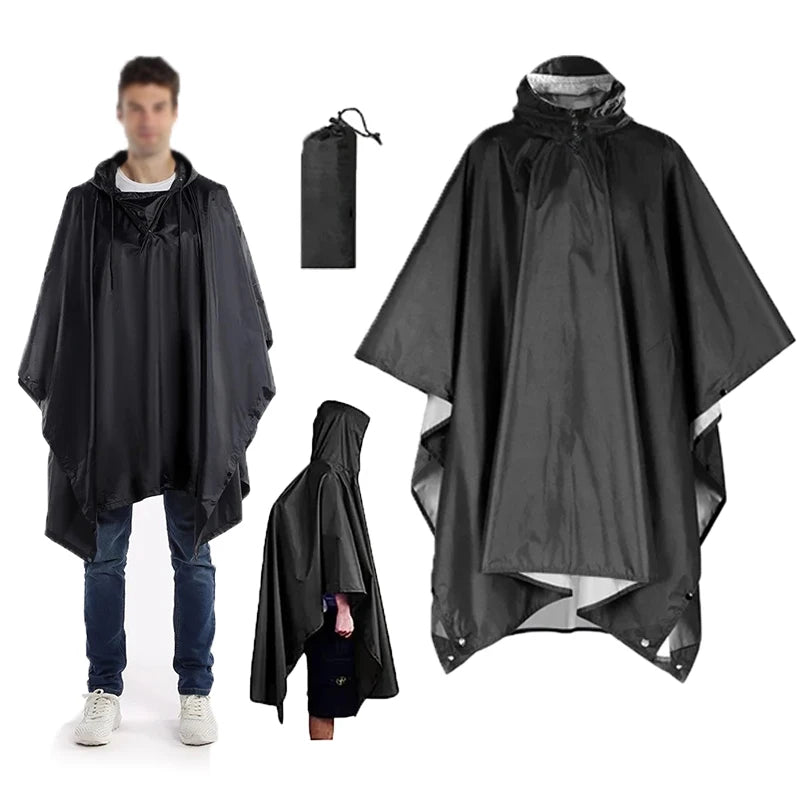
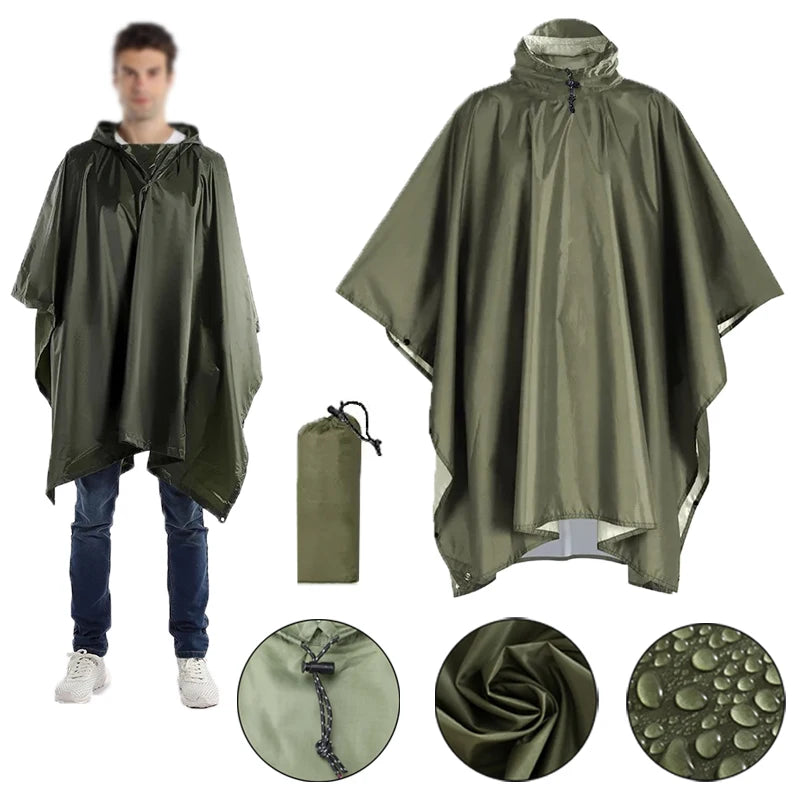
- Lightweight rain poncho with backpack coverage
- Waterproof dry bags for clothing and electronics
- Quick-drying synthetic base layers
- Compact tarp or emergency shelter
- Water-resistant gloves and hat
- Extra dry socks sealed separately
Many experienced hikers now prefer multi-use rain systems because they reduce pack weight while increasing flexibility during storms.
Useful support gear can also be found in Waterproof & Dry Bags, Ground Sheets & Tarps, and Weather Protection & Environment.
Why Breathability Matters During Rain Hikes
One common mistake is overdressing before movement begins. Heavy waterproof jackets can trap heat and moisture quickly during steep climbs.
Lightweight ponchos improve airflow while protecting both the hiker and backpack simultaneously. This reduces overheating while maintaining coverage during moderate to heavy rain.
Campers often report that staying slightly cool but dry feels far better than becoming sweaty inside sealed rain layers.
👉 Learn how to choose the right hiking gear before unpredictable weather hits.
See how this lightweight rain shelter system works on the trail
Step-By-Step Camping Tips For Rain Before You Hit The Trail
Camping tips for rain are most effective when preparation begins before leaving home. A few simple adjustments dramatically improve comfort during wet hikes.
Follow this step-by-step system before every trip.
- Check hourly weather forecasts, not just daily summaries
- Pack clothing inside waterproof storage bags
- Keep rain protection accessible near the top of your backpack
- Test rain gear before the trip starts
- Pre-plan emergency shelter locations on your route
- Carry extra calories for cold weather conditions
Organize Gear By Priority Access
When storms arrive suddenly, searching through your backpack wastes valuable time.
Pack critical items where they are easy to reach:
- Rain poncho
- Dry socks
- Headlamp
- Waterproof gloves
- Emergency shelter
- First aid supplies
Storage solutions from Compression & Packing Bags and Gear Organizers & Pouches help separate wet and dry equipment efficiently.
Choose Campsites Carefully Before Rain Starts
Flat ground looks attractive until water begins flowing through camp overnight.
Avoid:
- Low valleys
- Dry creek beds
- Steep runoff areas
- Loose muddy slopes
- Exposed ridgelines during thunderstorms
Instead, choose elevated areas with natural drainage and wind protection.
Staying Dry During Sudden Rain Hikes Without Overpacking
Staying dry during sudden rain hikes requires fast adjustments instead of panic. Most hikers get soaked because they wait too long before using protection.
The moment dark clouds appear or temperatures drop, prepare early.
Fast Rain Response Strategy
| Situation | Best Response |
|---|---|
| Light drizzle starts | Put on rain layer immediately |
| Strong wind develops | Add insulation layer underneath |
| Trail flooding appears | Slow pace and test footing |
| Thunder nearby | Move away from exposed ridges |
| Body chills begin | Eat calories and change wet layers |
Early action prevents minor discomfort from turning into dangerous exposure.
💡 See it in action
How To Keep Your Feet Dry Longer
Wet feet create blisters, discomfort, and cold stress quickly.
Try these strategies:
- Use quick-drying trail shoes instead of heavy boots in warm conditions
- Carry at least two dry sock pairs
- Remove insoles overnight for faster drying
- Use waterproof gaiters on muddy trails
- Avoid stepping directly into deep puddles
Many long-distance hikers prefer faster-drying footwear because waterproof boots eventually become saturated and dry slowly.
Managing Sweat During Rainy Climbs
Learning how to stay dry hiking storms also means controlling internal moisture. Sweat accumulation can become as uncomfortable as rainwater.
Open poncho sides during steep climbs whenever possible. Adjust pace to reduce overheating. Remove extra layers before sweating heavily.
The goal is moisture control, not simply maximum insulation.
How To Protect Your Campsite During Heavy Rain
Camping comfort depends heavily on campsite setup. Even excellent rain gear cannot compensate for poor shelter positioning.
One smart campsite decision often saves hours of frustration later.
Use Layered Shelter Protection
Experienced campers create multiple water barriers instead of relying on one tent alone.
- Tarp above tent for runoff protection
- Ground sheet underneath shelter
- Dry bags inside tent corners
- Separate wet gear storage area
- Ventilation gap to reduce condensation
Helpful gear options can be explored through Camping Tents & Shelter and Ground Sheets & Tarps.
Why Condensation Tricks Many Campers
Sometimes tents feel wet even without leaks. This usually happens because warm interior air condenses against cooler tent walls.
Reduce condensation by:
- Keeping vents partially open
- Avoiding wet clothes inside sleeping areas
- Creating airflow whenever possible
- Using moisture-resistant sleeping systems
Many campers improve overnight comfort using gear from Sleeping Bags & Sleeping Pads and Blankets & Sleeping Comfort.
Keep Essential Night Gear Dry
Protect these items first:
- Sleeping clothes
- Phone and navigation devices
- Headlamp batteries
- Food supplies
- Emergency warmth layers
Reliable lighting becomes especially important during storms. Explore options from Headlamps & Wearable Lights and Emergency Lighting.
Common Rain Hiking Mistakes That Ruin Trips Fast
Many outdoor problems come from avoidable mistakes rather than weather itself.
Waiting Too Long To Use Rain Gear
Hikers often delay putting on rain protection because they hope storms will pass quickly.
Unfortunately, once clothing becomes soaked, recovery takes far longer.
Ignoring Nutrition And Hydration
Cold rainy weather increases calorie demands significantly.
Many hikers eat less during storms because stopping feels uncomfortable. This leads to lower energy and faster body temperature loss.
Carry accessible snacks and insulated drink storage from Hydration & Food and Insulated Food Containers.
Packing Cotton Clothing
Cotton absorbs moisture slowly and dries poorly.
Choose:
- Synthetic base layers
- Merino wool socks
- Quick-dry hiking pants
- Light fleece insulation
Avoid heavy jeans or cotton hoodies on wet trails.
Failing To Protect The Backpack
Even waterproof backpacks can leak during prolonged storms.
Use:
- Pack liners
- Dry sacks
- External rain covers
- Compartment separation
Backpacking systems from Backpacking & Carry and Lightweight Daypacks help organize wet-weather loads more effectively.
Rain Hiking Gear Checklist For Backpackers
Camping tips for rain become easier to follow with a simple packing checklist.
Core Rain Protection Essentials
| Gear Item | Purpose |
|---|---|
| Rain poncho or shell | Primary waterproof protection |
| Dry bags | Protect clothing and electronics |
| Quick-dry layers | Reduce moisture retention |
| Tarp or shelter | Emergency weather protection |
| Headlamp | Safe visibility during storms |
| Water filter | Maintain hydration safely |
Useful Comfort Upgrades
- Inflatable camp pillow
- Portable stove for warm meals
- Compact seat pad
- Thermal blanket
- Power bank for navigation devices
Additional gear categories worth exploring include Camping Stoves & Cooking, Portable Power Banks, and Outdoor Comfort & Recovery.
👉 Get yours now before your next trip and stay prepared for changing weather.
How To Stay Safe During Thunderstorms And Cold Rain
Learning how to stay dry hiking storms also means recognizing dangerous weather conditions early.
Know When To Stop Hiking
Some storms are manageable. Others require immediate shelter.
Stop hiking if you experience:
- Frequent lightning strikes nearby
- Rapid temperature drops
- Flash flood conditions
- Strong wind gusts affecting balance
- Signs of hypothermia
Signs Of Cold Stress You Should Never Ignore
- Shivering that will not stop
- Confusion or poor coordination
- Numb fingers
- Slurred speech
- Extreme fatigue
If symptoms develop, prioritize shelter, dry layers, calories, and warmth immediately.
Emergency preparation equipment can be found through Safety, Survival & Emergency, First Aid Kits, and Survival Accessories.
Protect Electronics During Rain Emergencies
Navigation devices matter most when conditions become difficult.
Keep phones and batteries protected using:
- Waterproof pouches
- Sealed dry bags
- Backup power banks
- Elevated storage inside shelters
Why Multi-Use Rain Protection Makes Camping Easier
Modern campers increasingly prefer multi-use equipment that reduces weight while improving adaptability.
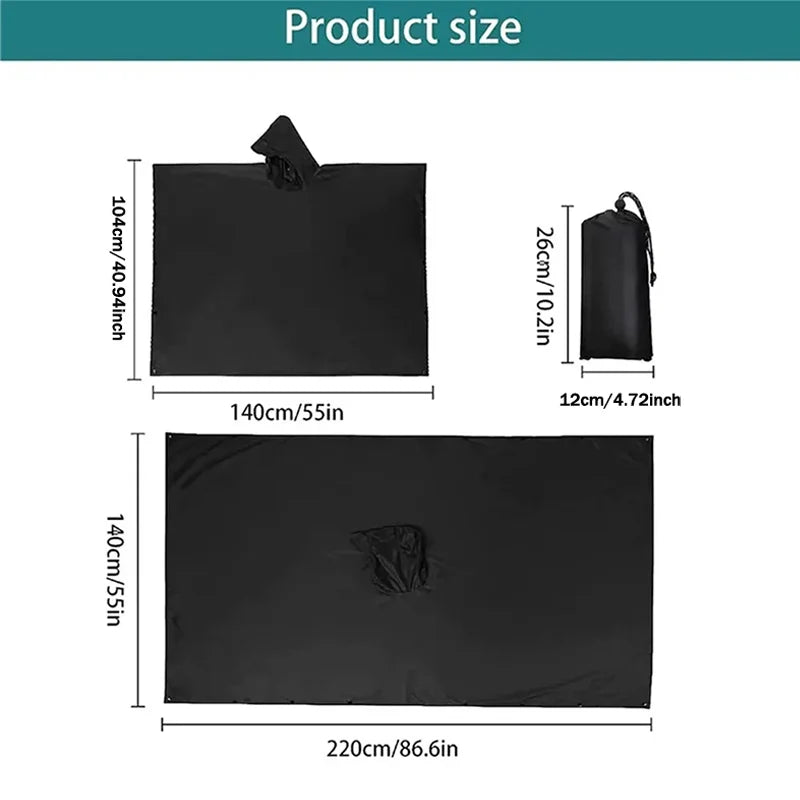
A rain poncho that also functions as emergency shelter coverage helps reduce the number of separate items required in your backpack.
During changing weather conditions, flexible gear systems simplify campsite setup and trail transitions.
Benefits Of Multi-Use Rain Systems
- Lower overall pack weight
- Faster rain deployment
- Backpack coverage included
- Emergency shelter functionality
- Improved airflow compared to bulky jackets
Many backpackers combine products from Rain Ponchos & Capes, Weather Accessories, and Wind & Cold Protection for adaptable layering systems.
The 3-in-1 Rain Poncho Shelter is especially useful for hikers managing unpredictable weather while trying to keep gear lightweight and compact.
What Experienced Campers Say About Hiking In Rain
Many outdoor travelers initially avoid rainy trips entirely. But experienced hikers often say wet-weather preparation changes their perspective completely.
Common Feedback From Long-Distance Hikers
- “Preparation mattered more than the storm itself.”
- “Keeping one dry clothing set boosted morale dramatically.”
- “Lightweight rain systems felt better than heavy jackets.”
- “Fast shelter setup reduced stress immediately.”
- “Good organization prevented gear disasters.”
Several campers also mention that rainy trails become quieter, cooler, and more scenic compared to crowded dry-weather weekends.
Families planning group trips during unpredictable weather often benefit from gear found in Family Outdoor Bundles and Car Camping Accessories.
💡 See it in action
Final Thoughts On Camping Comfort In Wet Weather
Camping tips for rain are ultimately about preparation, flexibility, and smart gear choices. Storms no longer need to ruin hiking trips when you understand how to manage moisture, regulate body temperature, and organize equipment efficiently.
Staying dry during sudden rain hikes becomes far easier when lightweight protection systems, waterproof storage, and emergency shelter strategies work together.
Whether you are preparing for weekend backpacking trips, family camping adventures, or long-distance trails, investing in reliable rain protection helps improve comfort, confidence, and safety in changing weather.
Rainy conditions often create the most memorable outdoor experiences when you are properly prepared for them.
Frequently Asked Questions
What are the best camping tips for rain?
The best camping tips for rain include packing waterproof layers, protecting gear with dry bags, choosing elevated campsites, setting up shelter early, and carrying lightweight rain systems that cover both you and your backpack efficiently.
How do hikers stay dry during sudden rain hikes?
Hikers stay dry during sudden rain hikes by reacting quickly to changing weather, using breathable waterproof layers, organizing gear for fast access, and protecting critical clothing and electronics inside waterproof storage systems.
What should I wear hiking during heavy rain?
Wear quick-drying synthetic or wool layers, lightweight waterproof outer protection, moisture-wicking socks, and breathable rain gear. Avoid cotton because it absorbs water and dries very slowly in cold weather.
How can I protect my campsite during storms?
Protect your campsite by selecting elevated ground, using tarps and ground sheets, improving ventilation to reduce condensation, and separating wet gear from sleeping areas inside your shelter.
What gear helps most with backpacking rain protection systems?
Helpful backpacking rain protection systems include rain ponchos, waterproof dry bags, lightweight shelters, quick-drying layers, headlamps, emergency blankets, and organized backpack storage systems for fast weather response.
Pillar Article: Camping Tips For Rain: Stay Dry On Any Hiking Trip
Other Related Articles:
- Is Ripstop Nylon Waterproof? How To Test It Properly
- Ripstop Nylon Poncho: How To Use And Maintain It
- Rain Gear Hiking: How To Stay Dry On Long Trails
Explore More:





