

Best Lightweight Rain Jacket For Travel: Features That Matter
What is the best lightweight rain jacket for travel?
The best lightweight rain jacket for travel combines waterproof protection, breathability, packability, and durability without adding bulk to your backpack. A quality shell helps hikers stay dry during sudden storms, reduces overheating on long treks, and prevents lightweight rain gear failing backpackers during unexpected weather exposure on trails.
Best Lightweight Rain Jacket For Travel: Features That Matter
⏱ 12 min read
The best lightweight rain jacket for travel can turn a miserable, soaked hiking day into a comfortable adventure. Whether you are navigating crowded airports, trekking wet mountain trails, or dealing with sudden storms while camping, the right rain shell protects you without weighing down your pack. From ventilation systems to waterproof fabrics and packability, understanding the features that matter most helps travelers avoid common mistakes that leave hikers cold, damp, and frustrated in the wilderness.
Have you ever pulled a cheap rain jacket out of your backpack only to discover it traps sweat, leaks around the zipper, or tears after one rough trip? That frustration is exactly why experienced travelers obsess over lightweight rain protection systems.
Modern travel rain jackets are no longer bulky emergency layers. The newest designs combine advanced waterproof membranes, ventilation panels, lightweight construction, and compact storage that fit easily inside daypacks or carry-ons.
👉 Planning hikes, road trips, or unpredictable outdoor adventures?
Explore versatile rain protection solutions before your next trip.

💡 See it in action
Why Lightweight Rain Jackets Matter During Travel
The best lightweight rain jacket for travel protects you from far more than rain. It shields against wind chill, rapid temperature changes, and prolonged exposure that can quickly ruin outdoor experiences.
Travelers often underestimate how dangerous wet conditions become during hiking or backpacking trips. Once clothing gets soaked, body temperature drops quickly, especially in windy environments.
Travelers Need Flexible Protection
- Mountain weather changes rapidly
- Long hikes create sweat buildup
- Heavy jackets consume valuable pack space
- Airport travel rewards compact gear
- Unexpected weather exposure on trails happens constantly
Experienced backpackers prioritize gear that works across multiple conditions instead of carrying several bulky outer layers.
That is why many travelers also combine rain jackets with accessories from Weather Protection & Environment and waterproof storage systems from Waterproof & Dry Bags.
Why Weight Matters More Than Most People Think
Every ounce matters during long hikes or international travel. Heavy rain gear becomes exhausting over multi-day trips, especially when combined with food, water, sleeping gear, and electronics.
| Gear Type | Common Problem | Travel Impact |
|---|---|---|
| Heavy Rain Coat | Bulky and hot | Hard to pack and uncomfortable |
| Cheap Plastic Shell | Poor breathability | Internal moisture buildup |
| Low-Quality Ultralight Jacket | Weak seams and fabric | Tears during rough conditions |
| Advanced Lightweight Shell | Balanced protection | Better mobility and comfort |
Which Features Matter Most In The Best Lightweight Rain Jacket For Travel?
The best lightweight rain jacket for travel uses waterproof fabrics, sealed seams, ventilation systems, adjustable hoods, and packable construction to keep travelers dry without overheating. Durable lightweight shells also resist abrasion during hiking, reduce pack weight, and handle sudden weather changes better than cheaper rain gear alternatives.
Not all rain jackets perform equally. Some prioritize ultralight weight while sacrificing durability. Others focus on waterproofing but become unbearably hot during movement.
The smartest travelers focus on balance.
1. Waterproof Membrane Technology
A reliable waterproof membrane prevents external water from penetrating while allowing internal moisture vapor to escape.
Quality membranes help reduce condensation buildup during steep climbs or humid weather.
2. Fully Sealed Seams
Even premium fabrics fail if seams are not sealed properly. Water typically enters through stitching points first.
Look for:
- Taped seams
- Reinforced shoulder areas
- Storm flaps over zippers
- Waterproof zipper construction
3. Adjustable Hood Design
A poorly designed hood can block visibility or allow rain inside during strong winds.
Good travel rain jackets include:
- Adjustable draw cords
- Structured brims
- Helmet compatibility for hikers and climbers
- High collar protection
4. Ventilation Systems
Ventilation often matters more than waterproofing during active hiking.
Without airflow, sweat accumulates rapidly and leaves clothing damp from the inside.
- Pit zips
- Back vents
- Mesh-lined pockets
- Two-way front zippers
These features dramatically improve comfort during warm-weather trekking.
👉 Want better protection during storms and wet hikes?
Browse Rain Ponchos & Capes for lightweight outdoor coverage.
Waterproof Vs Water-Resistant Jackets Explained
One of the biggest reasons lightweight rain gear failing backpackers becomes a problem is confusion between waterproof and water-resistant materials.
Water-Resistant Jackets
These jackets repel light moisture temporarily but eventually soak through during prolonged exposure.
Best for:
- Urban travel
- Light drizzle
- Emergency backup use
Waterproof Jackets
These provide long-term protection during heavy rain and mountain weather.
Best for:
- Backpacking
- Camping trips
- Long-distance hiking
- Storm conditions
Hydrostatic Head Ratings Matter
| Rating | Protection Level | Best Use |
|---|---|---|
| 5,000 mm | Light rain | City travel |
| 10,000 mm | Moderate rain | Day hikes |
| 20,000 mm+ | Heavy storms | Backpacking and alpine travel |
Travelers expecting mountain storms should avoid low-rated jackets entirely.
Pairing protective outerwear with gear from Ground Sheets & Tarps creates additional shelter flexibility during severe weather.
How Breathability Prevents Overheating On Trails
The biggest misconception about rain gear is assuming waterproofing alone guarantees comfort.
In reality, overheating ruins outdoor experiences faster than rain for many hikers.
Breathability determines whether moisture escapes or becomes trapped inside the jacket.
How To Stay Dry Hiking Storms Without Overheating
- Wear moisture-wicking base layers
- Open pit zips during climbs
- Avoid cotton clothing underneath
- Use lightweight insulating mid-layers
- Adjust hood and cuffs for airflow
Smart layering matters just as much as jacket quality.
Many travelers combine rain systems with compact storage from Compression & Packing Bags to separate dry and wet clothing efficiently.
Why Condensation Confuses Travelers
Many hikers assume their jacket leaks when moisture forms inside. Often, the real issue is trapped sweat.
Poor ventilation creates internal condensation that feels identical to leakage.
This becomes especially problematic during:
- Humid climates
- Steep uphill climbs
- Warm-weather storms
- Heavy backpack loads
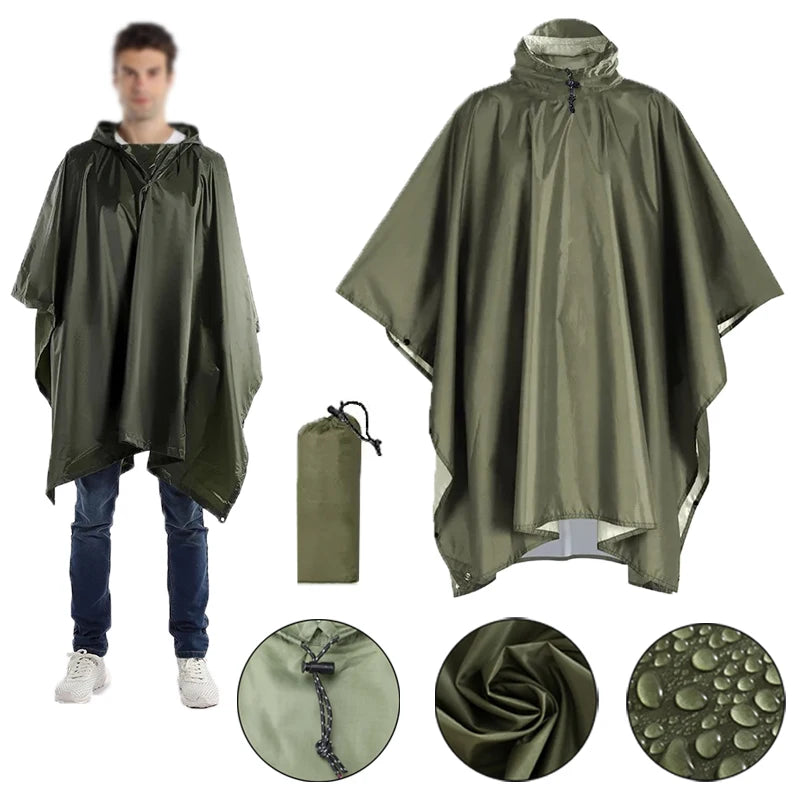
💡 See it in action
Why Packability Matters For Travelers
The best lightweight rain jacket for travel should disappear into your pack until needed.
Bulky jackets often get left behind because they consume too much space.
Ideal Packable Features
- Stuff sack compatibility
- Self-packing pockets
- Wrinkle resistance
- Compact folding design
- Minimal bulk construction
Travelers using ultralight systems appreciate gear that integrates easily with Lightweight Daypacks and Foldable Travel Gear.
Real-World Travel Benefits
Packable rain shells become useful in situations beyond hiking:
- Airport layovers
- Unexpected city storms
- Cold morning hikes
- Boat tours
- Motorcycle travel
- Road trips
Travelers consistently report that lightweight jackets become one of their most-used pieces of gear during unpredictable trips.
Why Lightweight Rain Gear Failing Backpackers Happens So Often
The biggest problem with cheap ultralight rain gear is durability.
Many budget jackets achieve low weight by sacrificing abrasion resistance and seam quality.
Common Failure Points
| Failure Area | Cause | Result |
|---|---|---|
| Shoulder seams | Backpack friction | Water penetration |
| Zippers | Low-quality coatings | Leakage during storms |
| Thin fabric | Sharp branches or rocks | Tears and punctures |
| DWR coating | Wear over time | Fabric saturation |
Traveler Reviews Often Mention The Same Mistakes
Outdoor travelers frequently regret buying the lightest possible jacket without considering:
- Trail conditions
- Trip length
- Climate type
- Backpack weight
- Expected storm severity
One experienced backpacker described replacing a bargain ultralight shell after a single mountain trip because the shoulder seams failed under pack pressure during a two-day storm.
Another traveler noted that upgrading to a better ventilation system completely changed their comfort during humid summer hikes.
Durability Matters More During Long Trips
Extended travel magnifies small gear weaknesses.
Reliable rain protection becomes essential during:
- Multi-country backpacking
- Remote hiking trails
- Long-distance camping
- High-elevation trekking
- Cold-weather travel
That is why many experienced travelers supplement jackets with versatile shelter systems like 3-in-1 Rain Poncho Shelter.
How To Stay Dry Hiking Storms With Smart Layering
The best lightweight rain jacket for travel works best as part of a complete weather protection system.
Layering prevents temperature swings while improving comfort and mobility.
Effective Rain Layering System
- Moisture-wicking base layer
- Insulating mid-layer if temperatures drop
- Breathable waterproof outer shell
- Waterproof pack protection
- Dry storage for electronics and clothing
Why Backpack Protection Matters Too
Keeping your body dry means little if essential gear gets soaked.
Travelers should also protect:
- Sleeping bags
- Food supplies
- Electronics
- First aid gear
- Extra clothing
Combining rain shells with storage solutions from Camping Storage & Boxes and Gear Organizers & Pouches helps maintain organization during wet travel.
Emergency Weather Protection
Unexpected weather exposure on trails often forces travelers to improvise quickly.
Multi-use gear becomes extremely valuable during emergencies.
For example, adaptable rain systems can function as:
- Emergency shelter
- Ground cover
- Wind barrier
- Pack protection
- Temporary tarp
That flexibility becomes critical during prolonged storms or delayed evacuations.
👉 Build a smarter outdoor weather setup before your next adventure.
Get lightweight multi-use rain protection for hiking and travel.
Best Rain Jacket Features For Different Travel Styles
Different outdoor activities demand different priorities.
For Backpackers
- Maximum packability
- High waterproof rating
- Abrasion-resistant shoulders
- Ventilation zippers
For International Travelers
- Compact carry-on compatibility
- Wrinkle resistance
- Stylish urban appearance
- Fast drying fabrics
For Campers
- Extended storm protection
- Layering flexibility
- Multi-use coverage
- Wind resistance
Campers frequently pair rain systems with accessories from Camping Tents & Shelter and lighting gear from Lighting & Power.
For Day Hikers
- Lightweight mobility
- Quick deployment
- Breathability
- Compact storage
Comparison Table: Features That Matter Most
The best lightweight rain jacket for travel balances portability, durability, waterproofing, and comfort instead of maximizing just one feature. Travelers who choose jackets with sealed seams, breathable membranes, and strong ventilation systems experience better long-term performance during hiking, camping, and unpredictable outdoor conditions.
| Feature | Why It Matters | Best For |
|---|---|---|
| Waterproof Membrane | Prevents external water entry | Storm travel |
| Pit Zips | Improves airflow | Warm-weather hiking |
| Packable Design | Saves space | Air travel |
| Reinforced Seams | Improves durability | Backpacking |
| Adjustable Hood | Enhances visibility | Windy trails |
| Lightweight Construction | Reduces fatigue | Long-distance travel |
Travel Rain Protection Checklist
Before your next trip, check whether your rain setup includes these essentials.
- Breathable waterproof jacket
- Waterproof storage system
- Dry socks and base layers
- Compact shelter backup
- Emergency lighting
- Portable water protection
- Insulating mid-layer
- Weather-resistant backpack
Travelers often combine rain protection with emergency tools from Safety, Survival & Emergency and hydration solutions from Hydration & Food.
Why Multi-Use Rain Protection Changes Everything
The best lightweight rain jacket for travel becomes even more valuable when it serves multiple outdoor functions. Multi-use rain protection systems reduce pack weight, provide emergency shelter during storms, and help travelers stay flexible in changing conditions without carrying bulky backup gear.
Traditional jackets only solve one problem.
Modern travelers increasingly prefer adaptable systems that handle multiple outdoor scenarios.
A versatile rain poncho shelter can:
- Protect both hiker and backpack
- Function as emergency tarp coverage
- Create temporary storm shelter
- Reduce overall gear weight
- Improve flexibility during travel
This approach is especially useful for minimalist backpackers trying to simplify gear setups.
Many hikers also combine weather protection with accessories from Hooks, Clips & Carabiners for fast shelter setup during storms.
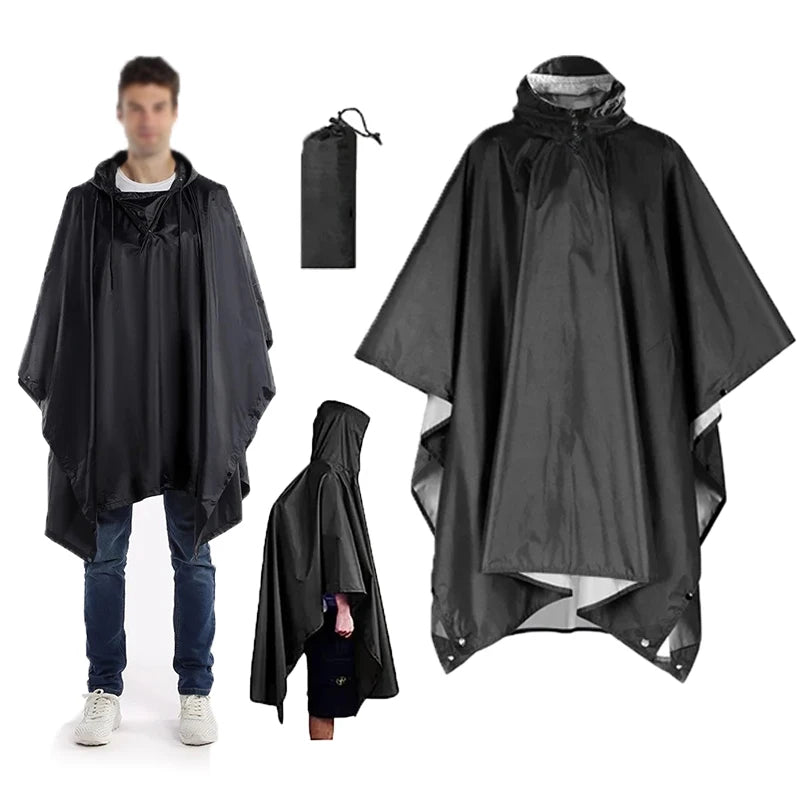
💡 See it in action
Why The Right Rain Jacket Changes Every Outdoor Trip
Rain does not have to ruin travel adventures.
The best lightweight rain jacket for travel combines waterproof protection, breathable comfort, durability, and packability to help travelers stay prepared for unpredictable conditions.
Understanding why lightweight rain gear failing backpackers happens allows smarter gear choices before expensive trips or difficult hikes.
Whether you are planning mountain treks, road trips, international backpacking, or weekend camping, reliable rain protection creates safer and more enjoyable outdoor experiences.
When paired with adaptable shelter systems, organized waterproof storage, and smart layering, quality rain gear becomes one of the most important investments any traveler can make.
👉 Prepare for your next outdoor adventure with smarter weather protection and lightweight travel gear.
Frequently Asked Questions
What makes the best lightweight rain jacket for travel different from regular rain jackets?
The best lightweight rain jacket for travel focuses on portability, breathability, and packability while still offering reliable waterproof protection. Travel-focused designs prioritize compact storage and all-day comfort during movement.
How do I stay dry hiking storms during long backpacking trips?
Use a layered clothing system, wear moisture-wicking fabrics, ventilate your jacket during climbs, and protect gear with waterproof storage systems. Reliable shelter backups also improve safety during severe weather.
Why does lightweight rain gear fail backpackers?
Many ultralight jackets sacrifice durability for lower weight. Weak seams, thin fabric, poor zippers, and inadequate waterproof coatings often fail during prolonged storms or heavy backpack use.
Is a poncho better than a rain jacket for travel?
Ponchos offer better backpack coverage and airflow, while jackets provide improved mobility and wind resistance. Many travelers combine both depending on weather conditions and activity type.
What waterproof rating should travel rain jackets have?
For serious hiking and backpacking, jackets rated 10,000 mm to 20,000 mm or higher generally provide better protection during heavy rain and mountain weather conditions.
Related Articles:
- Ripstop Nylon Waterproof: Why It Outperforms Basic Rain Gear
- Wet Weather Poncho Liner: Key Insulation And Protection Benefits
Pillar Articles:





