

Best Waterproof Tarp: 2026 Top Picks Compared For Camping
What are waterproof tarps for camping?
Waterproof tarps for camping are durable outdoor sheets designed to block rain, wind, and ground moisture, creating a dry and stable shelter in unpredictable weather. Waterproof tarps for camping provide flexible protection over tents, picnic areas, or sleeping spaces, helping campers avoid wet gear, cold nights, and sudden storm damage during outdoor adventures.
| Option | Best Use | Key Benefit |
|---|---|---|
| Waterproof camping tarps | Rain protection | Keeps gear and campsite dry |
| Beach shade tarp | Sun + light rain | UV protection and cooling shade |
| Heavy duty tarp | Storm conditions | Maximum durability in harsh weather |
Waterproof Tarps For Camping: Which Performs Best In Rain?
Ever packed for a perfect outdoor trip only to watch clouds roll in and ruin everything? Or asked yourself what gear actually keeps you dry when the weather turns fast? Choosing the right waterproof tarps for camping can be the difference between a relaxing adventure and a soaked, uncomfortable mess.
Explore essential shelter solutions that keep your campsite dry, comfortable, and ready for any weather surprise.
💡 See it in action
Why waterproof tarps matter in unpredictable weather
Outdoor weather can change in minutes, especially during hiking or car camping trips. A reliable tarp becomes your first line of defense against rain, wind, and ground moisture. Without it, even high-quality tents can struggle with leaks or condensation buildup.
Many campers say a sudden rain ruining family picnic is the moment they realize how unprepared they were. A well-placed tarp prevents soaked food, wet seating areas, and damaged gear.
- Keeps sleeping and cooking areas dry
- Protects gear from unexpected rainstorms
- Creates shade during hot weather
- Adds wind resistance for comfort
For better outdoor organization, many campers pair tarps with gear from the Camping Storage & Boxes collection to keep essentials dry and accessible.
Compare shelter setups and find the balance between portability, durability, and weather protection.
Camping shade tarp setup vs tent: which works better?
A common debate among campers is whether a tarp or tent provides better all-weather protection. The answer depends on your trip style, location, and weather conditions.
What gear actually makes camping easier when storms hit unexpectedly? Let’s break it down.
| Feature | Waterproof Tarp | Traditional Tent |
|---|---|---|
| Setup flexibility | High (many configurations) | Fixed structure |
| Rain protection | Excellent when angled properly | Very good (sealed design) |
| Weight | Lightweight | Heavier |
| Ventilation | Open airflow | Limited airflow |
Many experienced hikers combine both: a tent for sleeping and a tarp for cooking or lounging areas. This hybrid setup improves comfort during long trips.
How to set up a waterproof camping tarp correctly
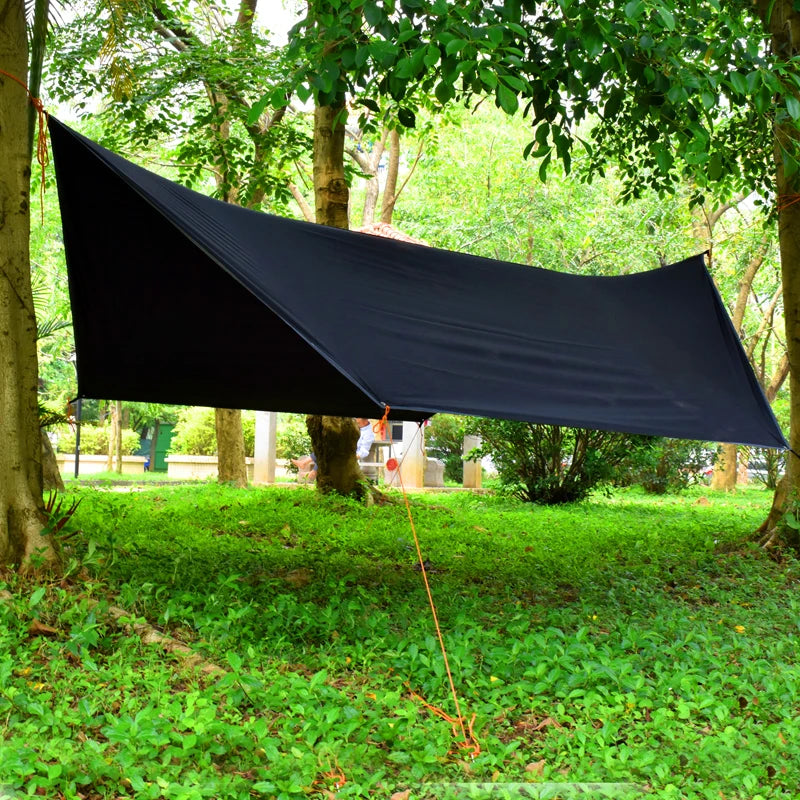
Proper setup is the key to preventing leaks, sagging, and wind damage. A poorly angled tarp can collect water and collapse under pressure, so technique matters more than gear alone.
- Choose a high anchor point like trees or trekking poles
- Angle the tarp to allow rain runoff
- Tighten all guy lines evenly
- Stake corners securely into the ground
- Test stability before heavy rain arrives
For extra stability, many campers use accessories from Hooks, Clips & Carabiners to adjust tension quickly during wind changes.
Upgrade your shelter setup with a durable tarp designed for real outdoor conditions and unpredictable weather.
💡 See it in action
Best tarp types compared for rain protection
Not all tarps perform the same in wet weather. Material, coating, and thickness all affect durability and waterproof performance. Choosing the right type depends on your environment and trip length.
| Tarp Type | Best For | Performance in Rain |
|---|---|---|
| Polyethylene tarp | Budget camping | Good basic protection |
| Silnylon tarp | Backpacking | Lightweight + highly waterproof |
| Canvas tarp | Long-term camps | Breathable but heavy-duty |
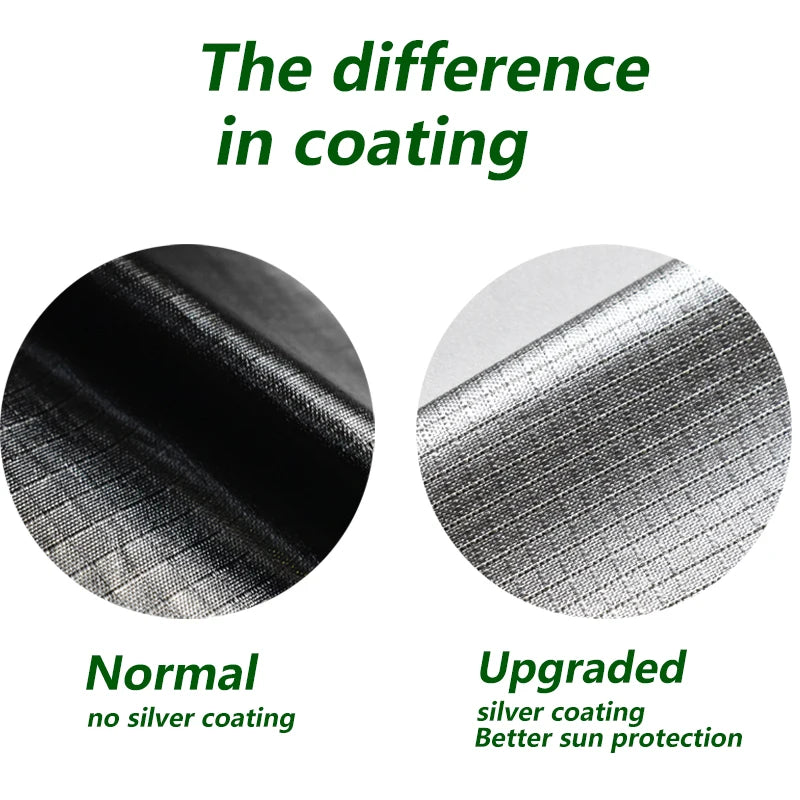
| UV-coated tarp | Beach & sun exposure | Excellent dual sun/rain protection |
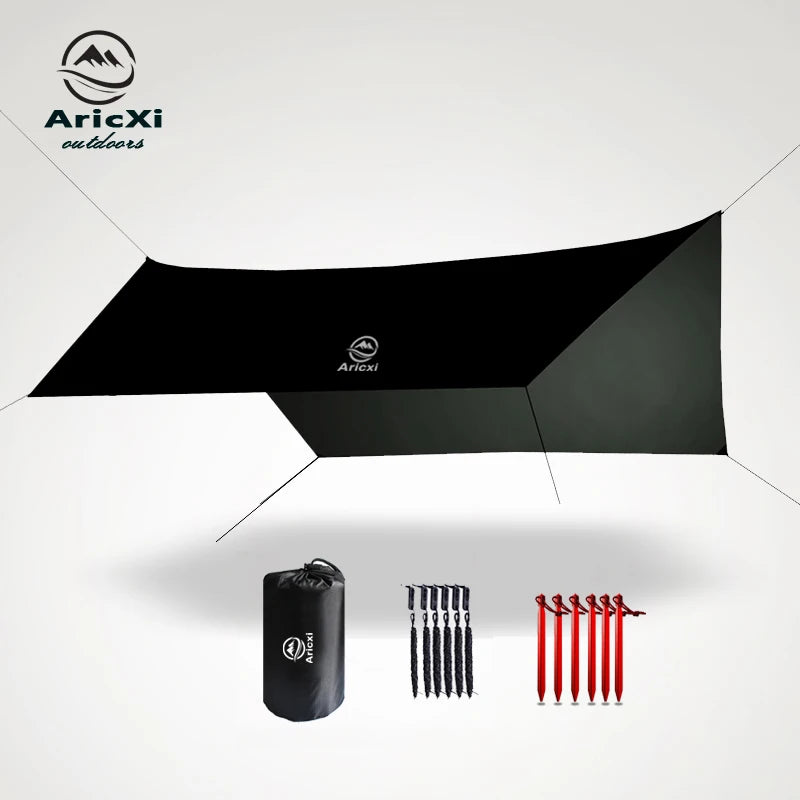
A versatile option like Waterproof camping tarps works well for both rain and UV exposure, making it ideal for mixed-weather trips.
Pros and cons of waterproof camping tarps
Like all outdoor gear, tarps come with strengths and limitations. Understanding both helps you decide how to integrate them into your setup.
- Pros: Lightweight, flexible, affordable shelter solution
- Pros: Works in multiple environments (forest, beach, mountains)
- Pros: Easy to repair and pack
- Cons: Requires setup skill for best performance
- Cons: Less enclosed than tents in extreme wind
For added comfort during extended stays, pair your setup with gear from Outdoor Comfort & Recovery to improve rest and relaxation outdoors.
Real outdoor scenarios where tarps save your trip
Imagine setting up a family picnic when dark clouds suddenly roll in. Within minutes, food, blankets, and bags are exposed to rain. A properly installed tarp turns that moment into a non-issue, keeping everything dry and usable.
Or picture a backpacking trip where you need a quick cooking shelter. A tarp becomes your kitchen roof, shielding you from rain while still allowing airflow and visibility.
Campers often report that once they start using tarps, they never go on a trip without one again—especially for multi-day adventures.
💡 See it in action
Final thoughts on choosing waterproof tarps for camping
Waterproof tarps are one of the most versatile pieces of outdoor gear you can own. Whether you're dealing with sudden storms, setting up a beach shade, or building a lightweight shelter, they adapt to almost any situation. The right setup can dramatically improve comfort, safety, and enjoyment outdoors.
For a reliable all-in-one option, explore durable designs like the Waterproof camping tarps and pair them with smart accessories for a complete shelter system.
FAQ
Are waterproof tarps better than tents in rain?
They are not a replacement but a flexible alternative. Tarps work best as additional shelter or lightweight rain protection.
Can tarps handle heavy storms?
Yes, if properly angled and secured with strong anchor points and tension lines.
What size tarp is best for camping?
Medium to large tarps (around 3x3m or bigger) offer the best balance for group or solo use.
Do waterproof tarps provide UV protection?
Many modern tarps include UV coating, making them suitable for both sun and rain conditions.
Related Articles:
- Camping Tarp Setup: Easy Methods Compared Step-By-Step
- Outdoor Canopy For Shade: Which Options Block Heat Best?
- Best Sun Shelter For The Beach: Top Canopies Reviewed
- Lightweight Tarp Shelters: 5 Models Compared For Travel
- Waterproof Tarps For Camping: Which Performs Best In Rain?
Pillar Articles:





