

Outdoor Canopy For Shade: Which Options Block Heat Best?
Outdoor Canopy For Shade: Which Options Block Heat Best?
Question: Which outdoor canopy for shade blocks heat best during extreme summer temperatures?
Outdoor canopy for shade systems with reflective UV-coated fabric, breathable ventilation panels, and lighter-colored surfaces usually block heat best. Compared to dark tarps or enclosed tents, high-quality canopies can reduce direct sun exposure, improve airflow, and help prevent overheating inside tent without shade during camping, beach trips, and outdoor gatherings.
⏱ 8 min read
A hot afternoon outdoors can quickly turn uncomfortable when shade disappears and heat builds up inside tents, picnic areas, or campsites. Whether you're setting up for beach days, family camping, festivals, or backyard gatherings, choosing the right outdoor canopy for shade can dramatically improve comfort, airflow, and temperature control. But what gear actually keeps outdoor spaces cooler instead of trapping heat underneath?
👉 Planning summer adventures? Explore practical cooling gear in Sun Shades & Canopies and upgrade your campsite comfort before temperatures peak.
💡 See it in action
Which Outdoor Canopy For Shade Options Block Heat Best?
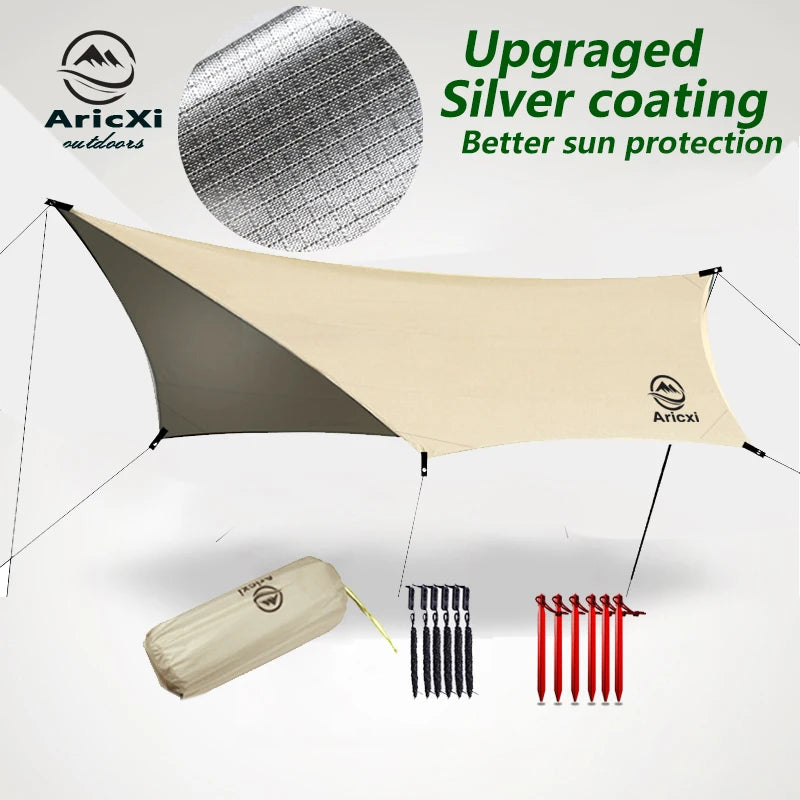
An outdoor canopy for shade works best when it combines UV-blocking fabric, ventilation, and reflective surfaces. Open-sided canopies with airflow reduce trapped heat better than fully enclosed shelters, while silver-coated or light-colored tarps reflect sunlight instead of absorbing it. Proper positioning can lower perceived temperatures and improve comfort throughout the day.
Not every canopy performs equally under intense sun. Some focus mainly on rain protection, while others are designed specifically for heat reduction and airflow.
| Canopy Type | Heat Blocking | Airflow | Best Use | Potential Drawback |
|---|---|---|---|---|
| Reflective UV Canopy | Excellent | High | Camping, beach trips | Higher cost |
| Dark Polyester Tent Tarp | Moderate | Low | Rain protection | Retains heat |
| Mesh Shade Sail | Good | Excellent | Patios, festivals | Less rain resistance |
| Canvas Shelter | Very Good | Moderate | Long camping stays | Heavier to carry |
| Portable Outdoor Shade Tarp | Very Good | High | Flexible travel setups | Needs strong anchoring |
Travelers often discover that a breathable tarp setup feels cooler than staying inside a sealed tent during midday heat. Families using lightweight shelters near lakes or beaches also report less fatigue and better relaxation when airflow remains open underneath the canopy.
For flexible summer setups, many campers combine portable shelters from Camping Tents & Shelter with reflective tarps from Ground Sheets & Tarps to create layered protection from both heat and sudden weather changes.
Why Overheating Inside Tent Without Shade Happens Fast
Overheating inside tent without shade usually happens because tents trap radiant heat while limiting airflow. Dark fabrics absorb sunlight rapidly, causing interior temperatures to rise far above outdoor air temperatures.
Many campers assume the tent itself will provide cooling. Unfortunately, enclosed shelters often create the opposite effect under direct summer sun.
- Dark tent walls absorb and store heat
- Poor airflow traps warm air inside
- Direct UV exposure increases internal temperature
- Ground surfaces radiate additional heat upward
- Humidity makes enclosed areas feel even hotter
A reflective outdoor shade tarp positioned above the tent creates a thermal barrier that blocks direct sunlight before it reaches the shelter fabric. Even a small air gap between tarp and tent can noticeably improve cooling.
Campers also improve sleep quality by combining shaded shelters with products from Blankets & Sleeping Comfort and breathable accessories from Outdoor Comfort & Recovery.
Compare Canopy Materials For Cooling Performance
The material matters just as much as the canopy design. Certain fabrics naturally reflect heat better while others prioritize durability or waterproofing.
Reflective Silver-Coated Fabrics
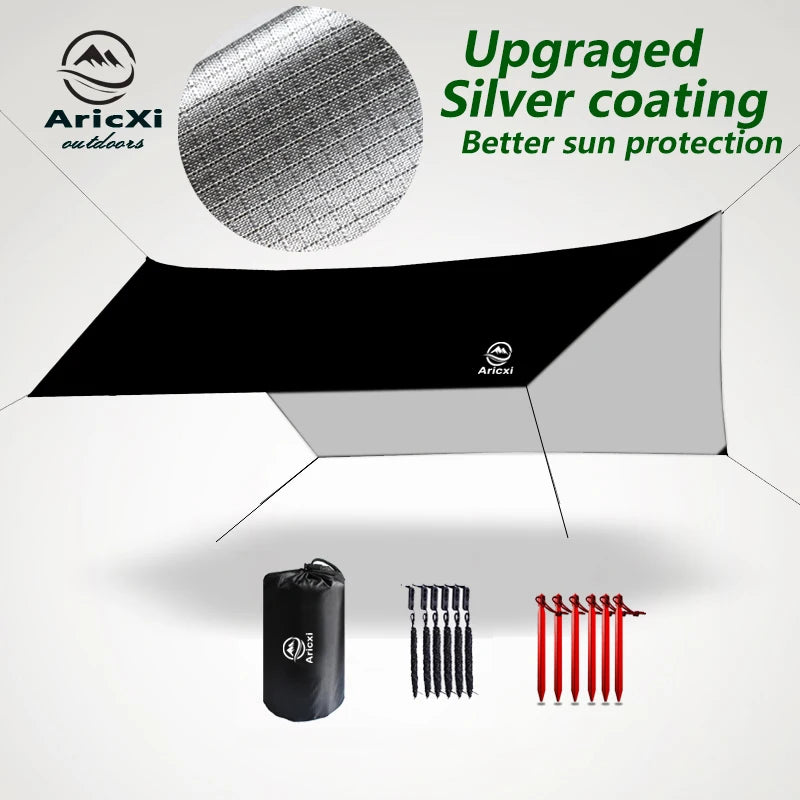
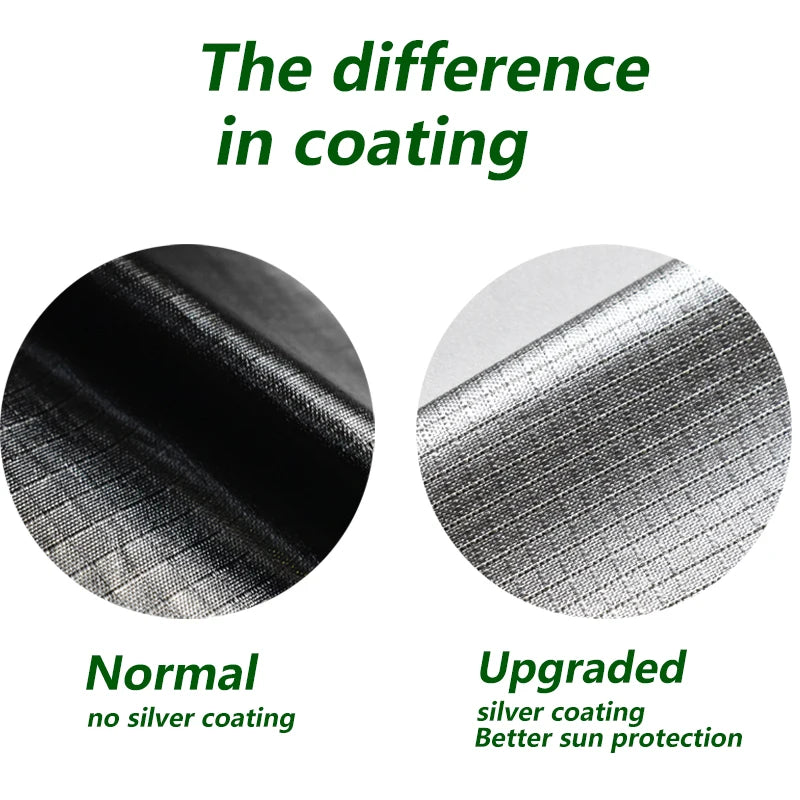
Silver-coated tarps and canopies are highly effective at reflecting sunlight. These are popular for beach shelters, car camping, and long summer events because they noticeably reduce radiant heat.
Canvas Canopies
Canvas naturally breathes better than many synthetic fabrics. While heavier, it stays cooler and provides reliable long-term comfort.
Polyester Shelters
Polyester is lightweight and affordable, but darker versions often absorb heat quickly. Ventilation becomes essential when using polyester shelters during summer.
Mesh Shade Systems
Mesh designs prioritize airflow. They work well for patios and open-air lounging but provide less UV blocking than solid fabrics.
| Material | UV Protection | Cooling Effect | Weight | Travel Friendly |
|---|---|---|---|---|
| Silver-Coated Tarp | Excellent | Excellent | Light | Yes |
| Canvas | Very Good | Very Good | Heavy | Moderate |
| Polyester | Moderate | Moderate | Light | Yes |
| Mesh Shade | Moderate | Excellent | Very Light | Yes |
👉 Want cooler camping setups without bulky gear? Browse lightweight travel-friendly options in Weather Protection & Environment and discover portable shade systems built for summer adventures.
Outdoor travelers frequently combine cooling tarps with hydration systems from Hydration & Food and compact storage solutions from Camping Storage & Boxes to stay organized during heat-heavy weekends.
💡 See it in action
Best Outdoor Shade Tarp Setups For Camping And Travel
The right setup can dramatically improve cooling performance even when temperatures climb above 90°F.
- Raised Tarp Over Tent
Position the tarp several feet above your tent to allow heat to escape while blocking direct sunlight. - Angled Wind Tunnel Setup
Tilt one side lower to guide wind through the shaded area for natural cooling. - Beach Canopy With Open Sides
Avoid enclosed beach tents during peak afternoon heat whenever possible. - Vehicle-Attached Shade Shelter
Car campers can extend shaded living space using side-mounted canopies.
Many road-trippers pair shade systems with gear from Car Camping Accessories and compact travel solutions from Foldable Travel Gear for faster setup and easier mobility.
One frequent camper shared that switching from a dark dome tent to a reflective canopy setup made afternoon rest possible again during desert camping trips. Another traveler noted that airflow under a simple tarp felt cooler than expensive enclosed shelters.
How To Stay Cool Outdoors Shade Strategies That Actually Work
How to stay cool outdoors shade planning involves more than simply putting up a canopy. Placement, airflow, hydration, and ground conditions all affect temperature comfort.
Choose Lighter Colors
White, silver, beige, and reflective surfaces absorb less heat than black or dark green shelters.
Create Cross Ventilation
Position openings toward prevailing wind directions whenever possible.
Elevate Shade Structures
Higher canopies allow hot air to rise and escape naturally.
Use Cooling Accessories
Portable fans, cooling towels, and hydration systems improve comfort during extended heat exposure.
- Carry extra water in Collapsible Water Bottles
- Store cold drinks using Insulated Food Containers
- Relax comfortably with gear from Folding Chairs & Tables
- Reduce ground heat using Picnic Mats & Blankets
Families at sporting events often discover that ground surfaces contribute major heat buildup. Placing reflective mats under seating areas helps reduce radiant heat from asphalt and sand.
Common Shade Mistakes That Make Outdoor Areas Hotter
Sometimes the wrong canopy setup can actually increase heat retention instead of improving comfort.
| Mistake | Why It Causes Heat | Better Alternative |
|---|---|---|
| Using dark fabric | Absorbs sunlight | Choose reflective colors |
| Fully enclosed shelters | Blocks airflow | Use open-sided canopies |
| Low canopy height | Traps hot air | Raise structure higher |
| No ground insulation | Heat radiates upward | Add mats or tarps |
| Poor orientation | Blocks natural wind | Face openings toward breeze |
Heat management also becomes critical during festivals, road trips, and group outings. Portable shade paired with products from Family, Kids & Group and quick-access gear from Hooks, Clips & Carabiners can make setup easier and safer.
How To Choose The Right Cooling Canopy
An outdoor canopy for shade should match your environment, group size, and travel style. Lightweight reflective tarps work well for backpackers and beachgoers, while larger UV-coated shelters suit family camping or car camping. Ventilation, setup speed, and sun-blocking material all play major roles in keeping outdoor spaces cooler.
Before buying, focus on practical cooling performance instead of just size or appearance.
Best For Camping
- Reflective UV-coated tarps
- Ventilated shelters
- Adjustable pole systems
Best For Beaches
- Mesh airflow designs
- Sand anchors
- Open-sided structures
Best For Road Trips
- Vehicle-mounted canopies
- Compact foldable shelters
- Fast deployment systems
Portable shelters often work best when paired with lightweight accessories from Lightweight Daypacks, nighttime gear from Tent & Camping Lanterns, and emergency essentials from Safety, Survival & Emergency.
For travelers looking for versatile coverage during summer adventures, the 3.6x2.8m Sun Shelter Tarp UV Waterproof offers flexible shade coverage for campsites, beaches, and outdoor gatherings while supporting better airflow and sun protection.
👉 Get ready before your next heatwave adventure. Explore practical cooling shelters in Sun Shades & Canopies and portable outdoor protection built for comfort under harsh summer sun.
💡 See it in action
FAQ
What color canopy stays coolest in direct sunlight?
Light-colored canopies like white, silver, or beige usually stay cooler because they reflect more sunlight instead of absorbing heat.
Does an outdoor shade tarp really reduce heat?
Yes. A reflective outdoor shade tarp blocks direct sunlight and creates airflow between the tarp and the covered area, reducing heat buildup significantly.
Why does my tent feel hotter than outside air?
Overheating inside tent without shade happens because tent fabrics trap radiant heat while limiting airflow, especially during midday sun exposure.
Are mesh canopies cooler than solid canopies?
Mesh canopies allow better airflow, which feels cooler in breezy environments, but solid UV-blocking canopies provide stronger protection from direct sunlight.
How do I stay cool outdoors shade camping in summer?
Use reflective canopies, maximize airflow, stay hydrated, avoid dark fabrics, and position shelters to capture natural wind whenever possible.
Pillar Article: Best Waterproof Tarp: 2026 Top Picks Compared For Camping
Other Related Articles:
- Camping Tarp Setup: Easy Methods Compared Step-By-Step
- Best Sun Shelter For The Beach: Top Canopies Reviewed
- Lightweight Tarp Shelters: 5 Models Compared For Travel
- Waterproof Tarps For Camping: Which Performs Best In Rain?
Explore More:





