

Waterproof Tarps For Camping: Which Performs Best In Rain?
Waterproof Tarps For Camping: Which Performs Best In Rain?
⏱ 9 min read
Which waterproof tarp performs best in heavy rain?
Waterproof tarps for camping perform best in rain when they combine durable ripstop fabric, reinforced tie-out points, strong waterproof coatings, and wind-stable setup designs. The best tarp setups prevent sagging, redirect runoff away from sleeping areas, and stay secure during storms, making camping trips safer, drier, and more comfortable.
Best waterproof tarp options can completely change how you camp, relax at the beach, or survive sudden storms outdoors. From a durable waterproof beach shade tarp with ropes to the top rated uv protection tarps 2026 campers trust, this guide breaks down the smartest choices for every budget and adventure style. You’ll also discover practical tips for waterproof camping shelter setup that prevent leaks, sagging, and wind damage before they ruin your trip — but which tarp actually delivers the best all-weather protection?
Nothing ruins a weekend outdoors faster than waking up in a puddle or watching sudden rain ruining family picnic plans. Many campers assume tents alone are enough, but experienced outdoor travelers often rely on waterproof camping tarps first.
A good tarp creates a dry cooking zone, blocks UV exposure, protects gear, and gives your group a flexible shelter during changing weather.
Explore dependable outdoor essentials for wet-weather adventures with Camping Tents & Shelter and Ground Sheets & Tarps.
💡 See it in action
Why Campers Need Waterproof Tarps During Stormy Trips
Waterproof tarps for camping are no longer just backup gear. They now serve as primary shelters for backpackers, beach campers, overlanders, and family groups wanting faster setup and better airflow.
What gear actually makes camping easier during unpredictable weather?
- Quick rain protection without full tent assembly
- Large shaded cooking and dining areas
- Emergency wind barriers
- Ground protection from mud and water seepage
- Extra shelter for pets, kids, or gear storage
Many campers now combine tarps with Car Camping Accessories for flexible road trip shelter systems that adapt quickly during changing weather.
Why experienced campers prefer tarps during rain
| Feature | Waterproof Tarp | Traditional Tent |
|---|---|---|
| Setup speed | Fast | Moderate |
| Ventilation | Excellent | Limited |
| Group coverage | Large | Small |
| Cooking shelter | Excellent | Poor |
| Weight | Lightweight | Heavier |
What Makes Waterproof Camping Tarps Actually Reliable?
Waterproof tarps for camping work best when the material resists heavy rainfall while maintaining tension under wind pressure. Reinforced corners, high waterproof ratings, UV resistance, and strong attachment loops are the biggest factors separating dependable outdoor tarps from cheaper options that fail during storms.
Look for these critical features
- Ripstop fabric: Prevents tearing under tension
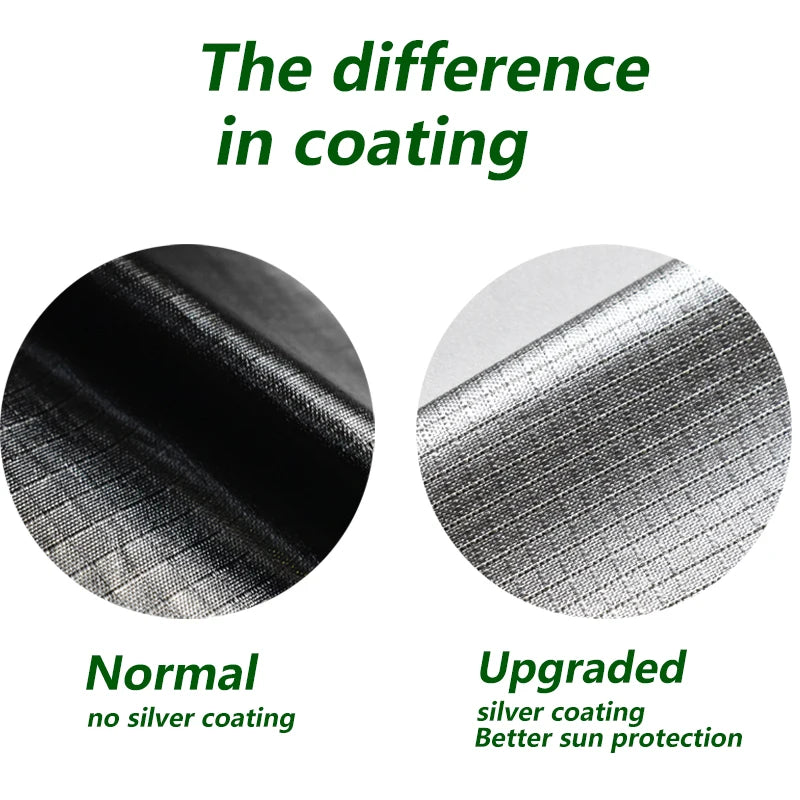
- Waterproof coating: PU or silicone coatings improve rain resistance
- UV protection: Helps avoid sun damage during beach or desert trips
- Reinforced tie-out points: Critical during windy weather
- Lightweight portability: Easier for backpacking and hiking
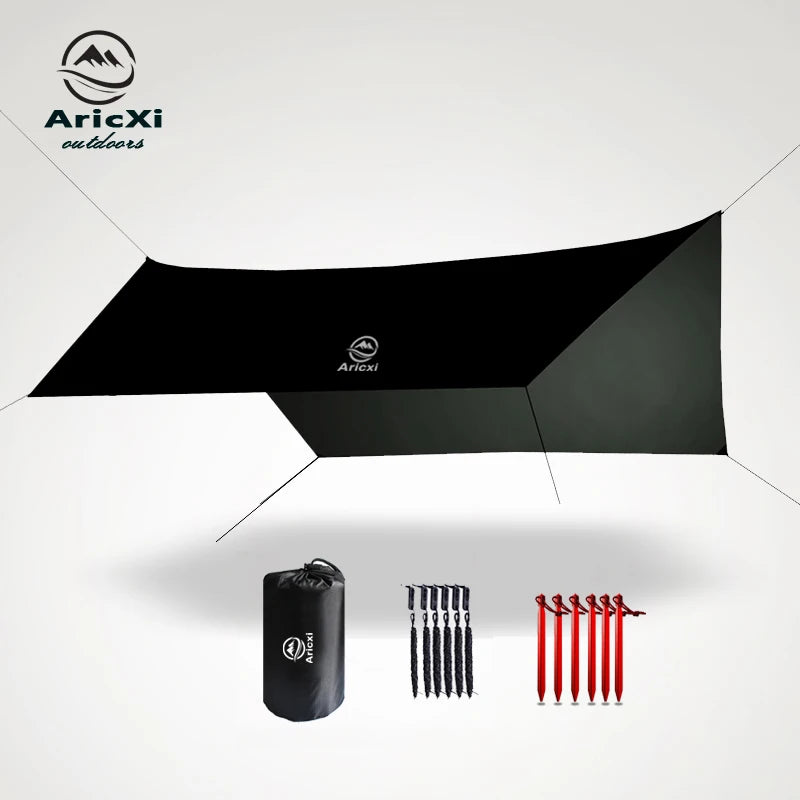
The 3.6x2.8M Sun Shelter Tarp UV Waterproof is especially popular among campers wanting both rain protection and UV coverage in one setup.
Best Waterproof Tarps Compared
| Tarp Type | Best Use | Main Advantage | Possible Drawback |
|---|---|---|---|
| Lightweight Backpacking Tarp | Hiking | Easy to carry | Smaller coverage |
| Heavy Duty Tarp | Car camping | Excellent durability | Heavier weight |
| Beach Shade Tarp | Beach & picnic trips | UV protection | Needs secure anchoring |
| Survival Tarp | Emergency shelter | Multi-purpose use | Less comfort-focused |
Families often pair waterproof shelters with Picnic Mats & Blankets and Folding Chairs & Tables to create comfortable rain-safe gathering spaces outdoors.
Build a more weather-ready campsite with Weather Protection & Environment, Waterproof & Dry Bags, and Backpacking & Carry.
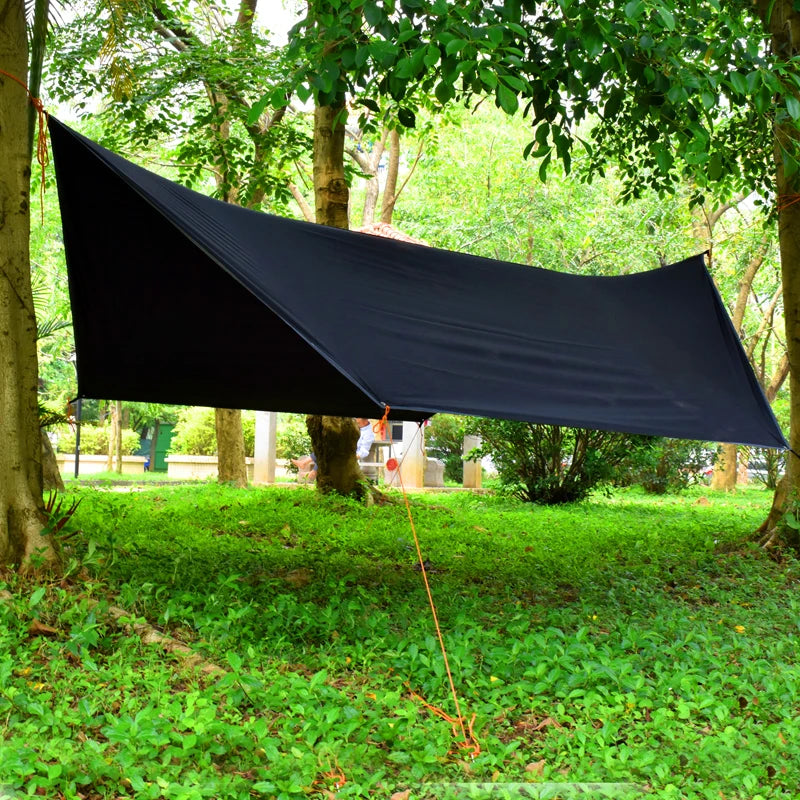
Camping Shade Tarp Setup vs Tent
Camping shade tarp setup vs tent comparisons usually come down to flexibility versus enclosed protection. Tarps excel for airflow, fast setup, and larger communal spaces, while tents provide more privacy and insect protection.
When tarps outperform tents
- Cooking during rain
- Beach camping with airflow
- Group shelter setups
- Quick roadside breaks
- Ultralight backpacking
When tents still win
- Cold winter camping
- Bug-heavy environments
- Long multi-day storms
- Privacy-focused trips
Many experienced campers now combine both systems for maximum versatility.
💡 See it in action
Setup Mistakes That Cause Leaks and Sagging
Even premium waterproof camping tarps can fail if set up incorrectly. Poor tensioning, low angles, and weak anchoring are usually the real reason campsites flood during storms.
Most common tarp setup mistakes
- Pitching tarp completely flat
- Allowing water pooling in center
- Using weak stakes in loose soil
- Ignoring wind direction
- Overtightening one side only
How to improve waterproof camping shelter setup
- Always angle tarp for runoff
- Use adjustable guy lines
- Position lowest edge against wind
- Keep sleeping area elevated
- Add secondary rain protection if storms intensify
Reliable setup accessories from Hooks, Clips & Carabiners can dramatically improve stability during windy nights.
How Tarps Save Family Picnics From Sudden Rain
Sudden rain ruining family picnic plans is one of the biggest frustrations during outdoor trips. Waterproof tarps create quick shelter zones that protect food, electronics, kids, and seating without forcing everyone back into the car.
Parents especially appreciate fast-deploy shade tarps because they can be repositioned throughout the day as sun angles and weather conditions change.
Best picnic tarp setup checklist
- Pack lightweight folding poles
- Use waterproof ground sheets
- Store dry clothing separately
- Keep backup stakes for windy areas
- Bring portable lighting for late evenings
Combining tarps with Tent & Camping Lanterns and Group Picnic Accessories creates a much more comfortable family experience during unpredictable weather.
Best Tarp Shelter Configurations
Different weather conditions require different tarp pitches. Learning a few reliable configurations can completely change your outdoor comfort level.
A-frame setup
Best for steady rain and overnight camping. Provides balanced runoff and strong wind resistance.
Lean-to setup
Excellent for cooking areas and daytime shade. Easy to adjust quickly.
Diamond fly setup
Popular among backpackers wanting lightweight protection with minimal gear.
C-shaped wind shelter
Ideal during strong wind conditions or cold beach camping evenings.
| Setup Style | Rain Protection | Wind Resistance | Ease of Setup |
|---|---|---|---|
| A-Frame | Excellent | Excellent | Moderate |
| Lean-To | Good | Moderate | Easy |
| Diamond Fly | Moderate | Good | Easy |
| C-Shape | Good | Excellent | Moderate |
Camping Gear That Works Best With Tarps
Tarps become significantly more effective when paired with compatible outdoor gear systems.
Recommended gear combinations
- Rain Ponchos & Capes for personal weather protection
- Sleeping Bags & Sleeping Pads for dry overnight comfort
- Portable Power Banks for storm-ready charging
- Emergency Lighting during nighttime weather events
- First Aid Kits for unexpected outdoor emergencies
Outdoor travelers consistently report that tarp systems reduce campsite stress because they provide more flexibility during changing weather.
"Our beach trip would have ended early without a waterproof tarp setup. It kept the kids dry, protected our food, and gave us shade all afternoon." — Family camper from Oregon
"After switching from cheap plastic tarps to reinforced waterproof camping tarps, our group stopped dealing with leaks and sagging entirely." — Weekend backpacker from Colorado
Upgrade your shelter system with the 3.6x2.8M Sun Shelter Tarp UV Waterproof before your next rainy camping weekend.
💡 See it in action
Why the Right Waterproof Tarp Changes Every Outdoor Trip
The best waterproof tarp is not just about staying dry. It improves comfort, flexibility, safety, and overall enjoyment outdoors.
Whether you're planning beach camping, mountain backpacking, family picnics, or emergency storm preparation, investing in reliable waterproof tarps for camping helps prevent weather problems before they ruin your trip.
Choosing durable materials, proper setup techniques, and compatible outdoor gear creates a campsite that feels far more secure when rain starts unexpectedly.
FAQ
Are waterproof tarps better than tents for camping?
Waterproof tarps are better for airflow, cooking shelter, and lightweight travel, while tents provide stronger protection against bugs and cold weather. Many campers combine both for maximum flexibility.
What size tarp works best for family camping?
For small family camping trips, a tarp around 10x12 feet usually provides enough rain and shade coverage for seating, cooking, and gear storage.
How do I stop tarp sagging during rain?
Use angled setups, adjustable guy lines, and reinforced tie-out points. Keeping the tarp under balanced tension prevents water pooling and sagging.
Can waterproof beach shade tarps handle strong wind?
Yes, but only if properly anchored. Using quality stakes, guy lines, and wind-aware positioning dramatically improves stability on beaches and open campsites.
What accessories improve tarp camping setups?
Carabiners, waterproof dry bags, lanterns, sleeping pads, and emergency lighting all improve comfort and efficiency when camping with tarp shelters.
Pillar Article: Best Waterproof Tarp: 2026 Top Picks Compared For Camping
Other Related Articles:
- Camping Tarp Setup: Easy Methods Compared Step-By-Step
- Outdoor Canopy For Shade: Which Options Block Heat Best?
- Best Sun Shelter For The Beach: Top Canopies Reviewed
- Lightweight Tarp Shelters: 5 Models Compared For Travel
Explore More:





