

Camping Lightweight Tarp: Best Fit For Solo Vs Family Trips
Camping Lightweight Tarp: Best Fit For Solo Vs Family Trips
Question: Is a camping lightweight tarp better for solo backpacking or family camping trips?
Yes. A camping lightweight tarp works for both solo and family adventures when matched to the right setup style. Solo campers benefit from ultralight portability and fast shelter pitching, while families gain flexible shade, rain protection, and cooling coverage without carrying bulky tents or heavy canopy systems.
⏱ 12 min read
Camping in changing weather can quickly turn stressful when your shelter is too heavy, too small, or difficult to set up. Whether you're hiking alone into the backcountry or managing kids at a crowded campground, the right camping lightweight tarp can improve comfort, shade, airflow, and weather protection without adding unnecessary bulk. What gear actually makes camping easier when conditions suddenly change?
This guide breaks down the differences between solo tarp systems and larger family-friendly canopy setups. You'll learn how to choose the best tarp size, materials, and configurations while discovering practical ways to stay cool outdoors shade during hot summer trips, road travel, and unpredictable storms.
👉 Discover must-have camping gear before your next outdoor trip.
Camping & Picnic and Ground Sheets & Tarps collections help simplify shelter planning for both solo campers and large family groups.
💡 See it in action
Why Lightweight Tarps Matter for Every Camping Style
A camping lightweight tarp offers flexible weather protection, portable shade, and quick shelter coverage without the bulk of traditional tents or canopy systems. Modern tarp systems help campers stay dry, reduce heat exposure, improve campsite comfort, and adapt quickly to changing weather during backpacking, family camping, and road trips.
Many campers overpack bulky shelters that become frustrating during setup or difficult to carry on longer hikes. Lightweight tarps solve several common outdoor problems:
- Reduce pack weight for hiking and backpacking
- Create fast emergency rain protection
- Improve airflow during hot weather
- Provide flexible cooking or dining shelter
- Expand usable campsite space
- Offer better adaptability than rigid tents
For solo travelers, a tarp can replace a tent entirely. For families, it creates a communal outdoor living area where kids can eat, play, or relax during rain or intense sun.
Campers often combine tarp systems with gear from Camping Tents & Shelter and Sun Shades & Canopies collections to build versatile campsites for changing environments.
Solo Vs Family Camping Tarp Comparison
A solo tarp setup focuses on weight savings and portability, while family tarp systems prioritize coverage, shade, airflow, and communal space. Choosing the best camping lightweight tarp depends on group size, trip duration, weather conditions, and transportation style.
| Feature | Solo Camping | Family Camping |
|---|---|---|
| Typical Size | 6x8 ft to 8x10 ft | 10x12 ft or larger |
| Primary Goal | Weight reduction | Shade and group comfort |
| Best Material | Silnylon or Dyneema | Polyester or ripstop nylon |
| Setup Time | 5-10 minutes | 10-20 minutes |
| Ideal Use | Backpacking and hiking | Car camping and picnic setups |
| Weather Protection | Personal shelter | Shared coverage area |
Why Solo Campers Love Lightweight Tarps
Backpackers prioritize every ounce of gear weight. A compact tarp can weigh under two pounds while still offering reliable protection from wind and rain.
Solo campers also appreciate:
- Fast setup before storms arrive
- Compact storage inside small packs
- Multiple pitching options
- Better ventilation than enclosed tents
- Easy pairing with hammocks
Pairing a tarp with Lightweight Daypacks and Compression & Packing Bags helps maintain mobility during long-distance hikes.
Why Families Need Larger Canopy Coverage
Family campsites become crowded quickly. Between coolers, chairs, toys, cooking stations, and sleeping gear, shaded space matters.
An ultralight outdoor canopy tarp for family camping helps create:
- Outdoor dining areas
- Rain-safe play zones
- Cooking shelter during storms
- Cool afternoon relaxation spaces
- Storage protection for gear
Many parents combine tarps with Folding Chairs & Tables and Group Picnic Accessories for easier campsite organization.
How a Family Camping Shade Setup Guide Tarp Improves Comfort
A family camping shade setup guide tarp creates a cooler, safer, and more comfortable outdoor environment by reducing direct sun exposure and improving airflow across shared spaces. Large tarp systems help families protect food, seating areas, and children from overheating while making campsites more functional during long outdoor stays.
Summer campsites often become uncomfortable by midday. Direct sunlight raises temperatures inside tents and around cooking stations. Families with children especially need reliable shade throughout the day.
- Choose a tarp larger than your tent footprint
- Position shade toward afternoon sun angles
- Use adjustable poles for airflow control
- Secure corners tightly for wind stability
- Create separate cooking and relaxation zones
Best Placement Tips for Family Campsites
Strategic placement matters more than tarp size alone.
- Face open sides toward cooling breezes
- Keep cooking gear near shade edges for ventilation
- Use trees for additional anchor support
- Avoid low spots where rainwater pools
- Create shaded entry points into tents
Many experienced campers also carry accessories from Hooks, Clips & Carabiners and Weather Accessories collections to improve tarp stability during unpredictable weather.
How Parents Simplify Outdoor Routines With Tarps
Parents often report that shaded gathering areas reduce stress during camping trips.
"Our tarp setup became the center of camp life. The kids stayed cooler, meals were easier, and we actually enjoyed rainy afternoons instead of hiding inside the tent."
That extra covered space becomes especially valuable during longer weekend trips when families spend full days outdoors.
👉 Learn how to choose the right hiking gear for changing weather.
Explore Weather Protection & Environment, Car Camping Accessories, and Family Outdoor Bundles for practical campsite upgrades.
How to Stay Cool Outdoors Shade During Summer Camping
Learning how to stay cool outdoors shade during camping requires more than simply pitching a tarp overhead. Proper airflow, reflective materials, campsite orientation, hydration, and shaded rest areas all work together to reduce heat buildup and improve outdoor comfort during hot weather adventures.
Heat exhaustion and dehydration are common summer camping problems, especially for children and first-time campers.
Simple Cooling Strategies That Actually Work
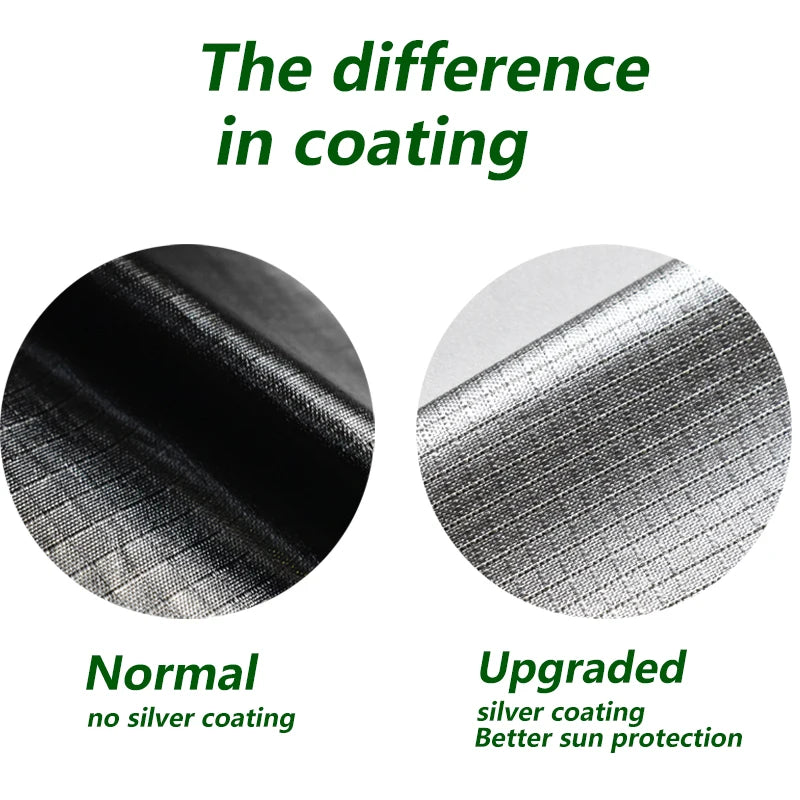
- Use lighter-colored tarp materials to reflect sunlight
- Pitch tarps higher for increased airflow
- Create cross-ventilation openings
- Use reflective guy lines to avoid accidents at night
- Avoid trapping heat with low tarp angles during daytime
Hydration also plays a major role in outdoor comfort. Campers frequently combine tarp systems with Collapsible Water Bottles and Personal Water Filters to stay cool during extended outdoor activities.
Why Airflow Matters More Than Complete Coverage
Many new campers make the mistake of pitching tarps too low to the ground. While this may improve rain protection, it can trap heat underneath the shelter.
Experienced campers often adjust tarp height throughout the day:
| Time of Day | Recommended Tarp Height | Goal |
|---|---|---|
| Morning | Medium height | Warmth retention |
| Midday | High pitch | Maximum airflow |
| Evening | Lower pitch | Wind protection |
| Storm Conditions | Low angled pitch | Rain control |
Small adjustments can dramatically improve comfort during hot-weather camping.
Best Tarp Materials for Different Camping Conditions
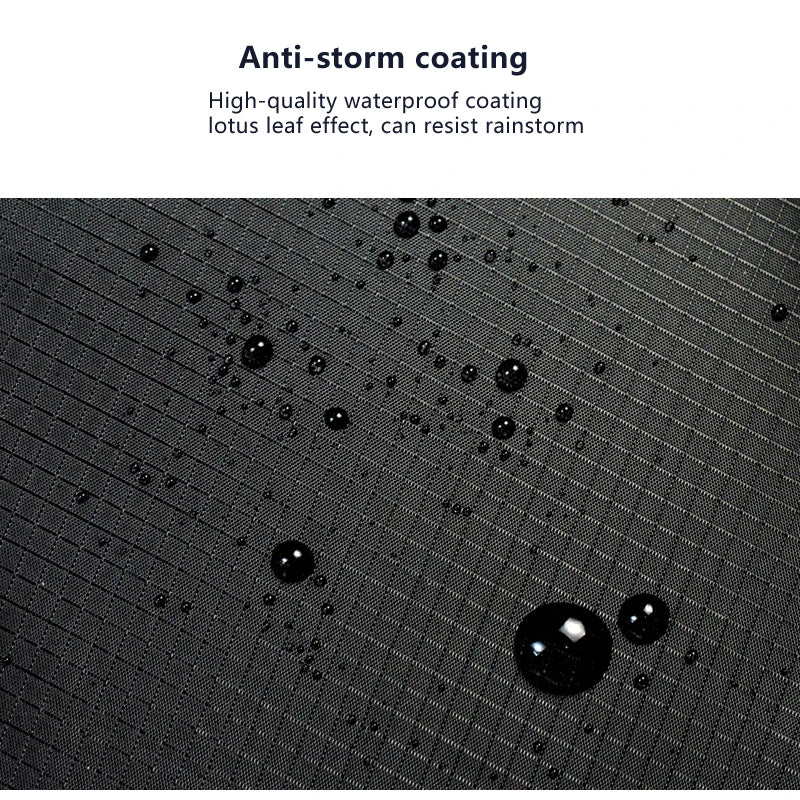
The material of your camping lightweight tarp affects durability, weight, waterproofing, pack size, and long-term performance. Choosing the right fabric helps campers balance portability with weather resistance depending on their camping style and environment.
Silnylon Tarps
Silnylon remains one of the most popular choices for backpackers because it combines lightweight performance with strong waterproof protection.
Advantages include:
- Excellent packability
- Strong tear resistance
- Affordable compared to Dyneema
- Reliable rain protection
Potential drawbacks:
- Can sag slightly when wet
- Requires careful tension adjustment
Polyester Tarps
Polyester works well for family camping because it resists stretching and handles prolonged sun exposure better than some ultralight materials.
Families appreciate:
- Better UV resistance
- Stable pitch during rain
- Affordable larger sizes
- Reliable long-term durability
Dyneema Composite Fabric
Dyneema offers premium ultralight performance for serious backpackers and long-distance hikers.
Benefits include:
- Extremely low weight
- Excellent waterproofing
- Minimal water absorption
- Compact storage size
However, Dyneema often costs significantly more than other materials.
Campers storing high-end gear frequently add protection using Waterproof & Dry Bags and Camping Storage & Boxes.
💡 See it in action
Easy Tarp Setup Configurations for Faster Camps
A camping lightweight tarp becomes more versatile when campers understand multiple setup styles. Different pitches improve protection, airflow, and usable space depending on weather conditions and terrain.
A-Frame Setup
This classic setup works well for solo campers needing balanced rain protection and ventilation.
Best for:
- Backpacking
- Windy environments
- Quick overnight shelters
Lean-To Setup
Families often prefer lean-to configurations because they maximize communal space and shade.
Best for:
- Picnic areas
- Cooking stations
- Beach camping
- Warm-weather trips
Diamond Fly Setup
Minimalist campers appreciate this ultralight setup because it uses fewer stakes while maintaining effective rain coverage.
Closed Storm Pitch
When severe weather arrives, lowering tarp angles and tightening corners improves wind resistance dramatically.
Campers preparing for unpredictable conditions often carry backup gear from Rain Ponchos & Capes and Wind & Cold Protection.
Lightweight Tarp Packing Checklist
The right accessories make tarp camping faster, safer, and more comfortable. A simple packing checklist prevents common setup frustrations and improves overall campsite organization.
| Essential Item | Purpose |
|---|---|
| Tarp stakes | Secure anchor points |
| Guy lines | Adjust tension and airflow |
| Trekking poles | Create height support |
| Carabiners | Fast attachment changes |
| Dry bags | Protect gear during storms |
| Ground sheet | Improve moisture protection |
Comfort Upgrades Worth Packing
- Inflatable Pillows for better overnight recovery
- Blankets & Sleeping Comfort for cooler evenings
- Tent & Camping Lanterns for safer nighttime visibility
- Portable Power Banks for charging devices during longer trips
Small upgrades can dramatically improve the overall camping experience, especially for beginners transitioning from occasional camping to multi-day outdoor travel.
Real Camping Scenarios: Solo Hikers Vs Families
Different camping situations require different tarp priorities. Matching your tarp setup to your travel style prevents frustration and improves outdoor comfort.
Scenario 1: Solo Mountain Backpacking Trip
Jake planned a three-day hiking trip through changing mountain weather. His priority was minimizing pack weight while maintaining emergency storm protection.
He selected:
- Compact silnylon tarp
- Lightweight trekking poles
- Minimal stake kit
- Compact sleeping system
By pairing his tarp with Sleeping Bags & Sleeping Pads and Backpacking & Carry, he reduced total shelter weight significantly.
Scenario 2: Family Lakeside Camping Weekend
The Martinez family needed shade for four people, outdoor cooking coverage, and rain protection for unpredictable afternoon storms.
Their setup included:
- Large rectangular canopy tarp
- Portable chairs and tables
- Dedicated cooking zone
- Shaded play area for children
They also relied heavily on Outdoor Cookware and Food Storage Bags & Containers to simplify mealtime organization.
Scenario 3: Car Camping Road Trip
Road trippers often prioritize flexibility over ultralight gear. Tarps become useful for roadside shade, emergency weather protection, and campsite expansion.
Popular additions include:
Versatile setups help travelers adapt quickly without overloading their vehicles.
👉 Get yours now before your next trip!
Upgrade your campsite with this versatile camping lightweight tarp before peak camping season arrives.
Common Tarp Mistakes That Ruin Outdoor Trips
Even high-quality tarps fail when campers overlook setup basics. Avoiding common mistakes improves safety, comfort, and long-term gear performance.
Choosing the Wrong Size
Small tarps may save weight but often fail during storms or family camping situations.
Rule of thumb:
- Solo hikers: prioritize compact efficiency
- Families: always size up for flexibility
Ignoring Wind Direction
Improper tarp orientation can funnel rain directly into sleeping areas or create dangerous wind stress.
Always:
- Check prevailing wind direction
- Lower wind-facing sides
- Use additional anchor points during storms
Using Weak Stakes
Cheap stakes fail quickly in rocky or loose ground.
Experienced campers often carry mixed stake types for:
- Sand
- Rocky terrain
- Forest soil
- Snow conditions
Overlooking Safety and Visibility
Low guy lines become nighttime hazards.
Many campers improve campsite safety with:
Why This Camping Lightweight Tarp Stands Out
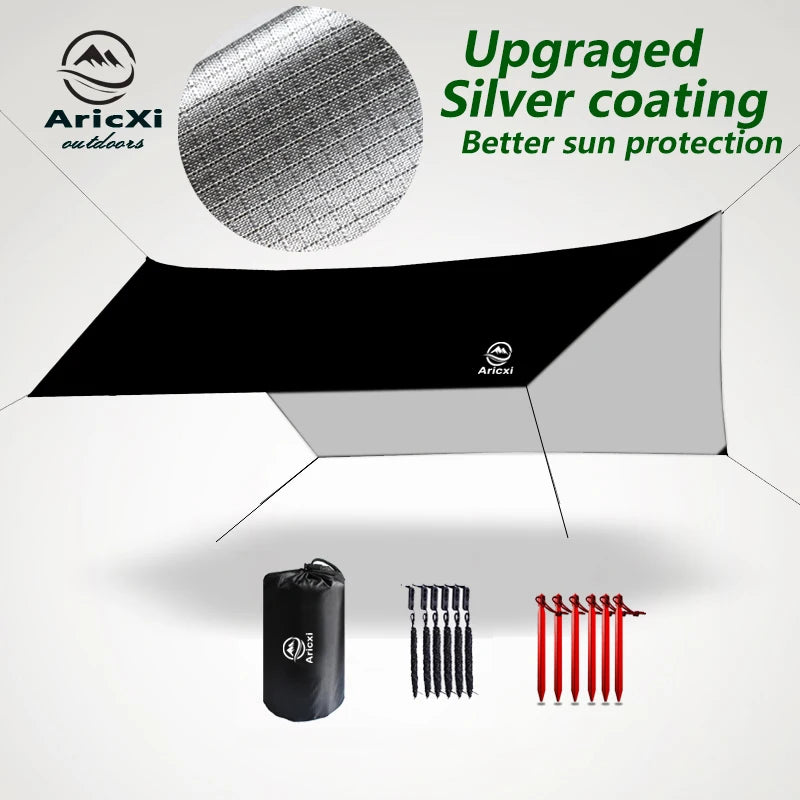
This camping lightweight tarp balances portability, weather protection, and versatile setup options for both solo travelers and family campers. Its waterproof construction, UV resistance, and adaptable coverage make it suitable for hiking, campground shade, emergency shelter, and road trip adventures without adding unnecessary bulk.
The best outdoor gear adapts to multiple situations. A reliable tarp should handle:
- Rain protection
- Sun coverage
- Backpacking efficiency
- Family campsite comfort
- Emergency weather changes
This tarp works especially well for campers who want one shelter system capable of both lightweight adventures and larger campsite setups.
Key Benefits Campers Notice Immediately
| Benefit | Why It Matters |
|---|---|
| Lightweight design | Easier transport and faster setup |
| UV protection | Cooler outdoor living areas |
| Waterproof construction | Reliable storm protection |
| Flexible configurations | Works for multiple trip styles |
| Compact storage | Fits easily into backpacks or vehicles |
Outdoor enthusiasts frequently combine tarp systems with Hammocks & Straps, Camping Lights & Lanterns, and Safety, Survival & Emergency gear for more complete campsite setups.
💡 See it in action
Conclusion
The right camping lightweight tarp can completely transform outdoor comfort, whether you're hiking solo through changing mountain weather or organizing a busy family campsite near the lake.
Solo campers benefit from lightweight portability and flexible shelter options. Families gain shaded gathering spaces, improved airflow, and reliable weather protection that make longer trips far more enjoyable.
By understanding tarp materials, setup styles, airflow strategies, and campsite positioning, campers can stay cooler, drier, and more prepared without carrying oversized shelter systems.
For campers wanting one versatile solution that works across backpacking, road trips, and family adventures, a quality lightweight tarp often delivers the best balance of coverage, convenience, and portability.
FAQ
What size camping lightweight tarp works best for solo camping?
Most solo campers prefer tarps between 6x8 feet and 8x10 feet because they balance weather protection with packability. Smaller tarps reduce carry weight while still providing reliable shelter for sleeping and gear storage.
Can a lightweight tarp replace a tent?
Yes. Many backpackers use tarp-only setups to reduce weight and improve airflow. However, proper pitching skills and weather awareness are important when relying solely on a tarp for shelter.
How does a family camping shade setup guide tarp improve campsite comfort?
Larger tarp setups create shaded communal areas that reduce heat exposure, improve airflow, and protect cooking or seating spaces from rain. Families often use tarps as outdoor living areas during longer camping trips.
What is the best material for an ultralight outdoor canopy tarp for family use?
Polyester and ripstop nylon are popular family camping choices because they provide durability, UV resistance, and reliable waterproof performance without becoming excessively heavy.
How can campers stay cool outdoors shade during hot weather?
Campers stay cooler by pitching tarps higher for airflow, using reflective materials, creating cross-ventilation, staying hydrated, and orienting shelters away from direct afternoon sun exposure.
What accessories improve tarp camping setups?
Helpful accessories include trekking poles, guy lines, quality stakes, dry bags, lanterns, portable seating, and hydration systems. These additions improve campsite safety, comfort, and organization.
Related Articles:
- Shade Tarp Camping: Best Use Cases For Hot & Sunny Campsites
- Camping Tarp Configurations: Which Setup Works For Windy Weather?
Pillar Articles:





