

Waterproof Camping Tarps: Key Features That Make Them Storm-Proof
Waterproof Camping Tarps: Key Features That Make Them Storm-Proof
⏱ 12 min read
Do waterproof camping tarps really work during heavy storms?
Yes. High-quality waterproof camping tarps can keep campsites dry during intense rain, wind, and changing weather when designed with ripstop fabrics, reinforced tie-outs, UV-resistant coatings, and proper setup angles. The best tarps create reliable shelter coverage for family camping, backpacking, and car camping while remaining lighter and more versatile than many traditional tent systems.
Bad weather can turn an exciting camping trip into a soaked, uncomfortable experience within minutes. One sudden downpour, sagging shelter line, or weak tarp corner can leave sleeping gear drenched and food supplies ruined. That is why experienced campers rely on waterproof camping tarps built for storm protection, UV resistance, and fast setup in unpredictable outdoor conditions.
But what features actually matter when comparing tarps? Is thicker always better? Which fabrics hold up in strong wind? And how do you build a waterproof camping shelter setup that stays secure all night? This guide breaks down the storm-proof details that separate reliable tarps from cheap emergency covers.
Build a weather-ready outdoor setup with dependable shelter systems, rain protection, and camping essentials designed for changing conditions. Explore Camping Tents & Shelter and Ground Sheets & Tarps before your next adventure.
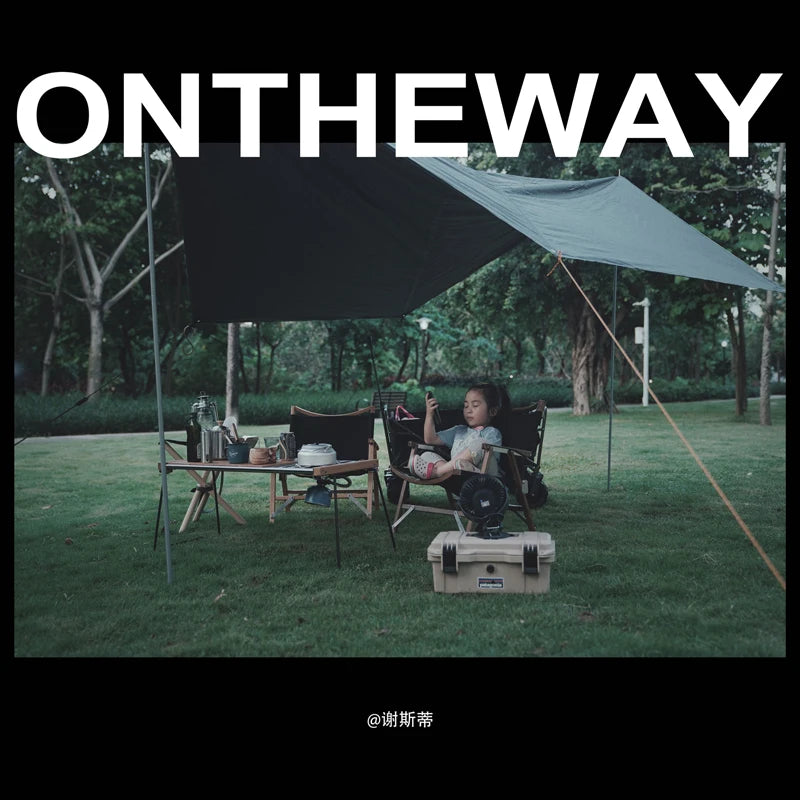
💡 See it in action
Why Waterproof Camping Tarps Matter in Real Storms
Waterproof camping tarps do far more than block rain. They create flexible shelter systems that protect sleeping gear, cooking stations, backpacks, and gathering areas during unpredictable weather.
Unlike standard plastic sheets, modern outdoor tarps use engineered fabrics that resist tearing, stretching, and water pooling. The difference becomes obvious during overnight storms when cheaper tarps sag, leak, or rip under tension.
What gear actually makes camping easier when storms roll in? Reliable shelter systems always rank near the top because they affect sleep quality, comfort, warmth, and equipment protection all at once.
- Protects tents from direct rain impact
- Creates dry cooking and dining areas
- Reduces mud buildup around campsites
- Provides shade during hot afternoons
- Blocks wind exposure in open terrain
- Extends lifespan of camping gear
Many experienced campers now combine tarps with Weather Protection & Environment accessories instead of depending entirely on large tents. This setup improves ventilation while maintaining reliable storm coverage.
| Feature | Cheap Utility Tarp | Storm-Proof Camping Tarp |
|---|---|---|
| Fabric Strength | Low | High ripstop resistance |
| Waterproof Rating | Minimal | Heavy rain protection |
| UV Protection | Poor | Long-term outdoor durability |
| Tie-Out Reinforcement | Basic eyelets | Multi-point reinforced anchors |
| Wind Stability | Weak | Designed for tension systems |
What features make waterproof camping tarps storm-proof?
Waterproof camping tarps become storm-proof through a combination of ripstop materials, reinforced seams, waterproof coatings, strategic tie-out placement, and strong tension systems. The best designs prevent water pooling, reduce wind stress, and maintain stable shelter structure during heavy rain and gusty weather.
Ripstop Fabric Prevents Sudden Tearing
Ripstop polyester and ripstop nylon are among the most important upgrades in premium tarps. These fabrics use reinforced threading patterns that stop small punctures from spreading into large tears.
Storms place constant pressure on tarp surfaces. Wind gusts pull against anchor points repeatedly, especially overnight. Ripstop construction dramatically improves long-term reliability during repeated outdoor use.
Campers often pair these shelters with Hooks, Clips & Carabiners for stronger tension control and faster setup adjustments.
Reinforced Tie-Out Points Increase Wind Resistance
The corners and anchor loops of a tarp experience the highest stress. Weak stitching around these areas commonly causes tarp failure during storms.
High-performance waterproof camping tarps include:
- Double-stitched anchor points
- Bar-tack reinforcement stitching
- Multiple side tie-outs
- Corner webbing support
- Heavy-duty metal or reinforced loops
Extra tie-out points help distribute wind tension more evenly across the shelter surface. This prevents single-point stress failures during rough weather.
Waterproof Coatings Matter More Than Thickness Alone
Many buyers assume thicker tarps automatically perform better. In reality, waterproof coatings and seam construction matter more than simple fabric weight.
Look for features like:
- PU waterproof coatings
- Silicone-treated fabrics
- Heat-sealed seams
- DWR surface treatments
- High hydrostatic head ratings
These technologies improve water resistance without making tarps excessively bulky or difficult to pack.
UV Protection Extends Outdoor Lifespan
Sun damage weakens tarp materials over time. Even waterproof fabrics can become brittle after long UV exposure.
The top rated UV protection tarps 2026 include coatings designed to reduce:
- Color fading
- Fabric cracking
- Fiber breakdown
- Heat damage
- Long-term weakening
This becomes especially important for campers who spend multiple days outdoors or frequently camp in open terrain with limited tree cover.
“We switched from a discount tarp to a reinforced ripstop shelter during a mountain trip last fall. The difference during overnight wind was huge. No sagging, no leaks, and our cooking area stayed completely dry.” — Colorado car camper
How can you create a waterproof camping shelter setup that survives storms?
A waterproof camping shelter setup works best when tarps are angled properly, tensioned tightly, elevated for drainage, and secured with multiple anchor points. Smart positioning prevents water pooling, wind flapping, and low-point leaks that commonly ruin campsites during storms.
- Choose elevated ground whenever possible. Low areas collect water quickly during heavy rain.
- Angle the tarp for runoff. Flat tarp roofs allow dangerous water pooling.
- Use adjustable guylines. Tight tension prevents fabric sagging overnight.
- Anchor all corners securely. Wind shifts can loosen weak stakes fast.
- Create airflow openings. Ventilation reduces condensation buildup.
Many campers combine waterproof tarps with Rain Ponchos & Capes and Wind & Cold Protection gear for full weather coverage.
A-Frame Setups for Heavy Rain
The A-frame remains one of the most reliable storm configurations because water naturally drains down both sides.
Advantages include:
- Excellent rain runoff
- Strong wind shedding
- Simple setup process
- Good interior airflow
- Reliable overnight stability
Lean-To Shelters for Family Camping
Family camping often requires larger covered spaces for cooking, relaxing, and gear storage. Lean-to tarp configurations provide wide coverage while maintaining quick access.
This setup works especially well alongside Folding Chairs & Tables and Group Picnic Accessories.
Use Ridgelines for Better Stability
Ridgelines improve tension control significantly. Instead of pulling directly against tarp fabric, the ridgeline distributes stress across a stronger support structure.
Pairing tarps with Multi-tools & Knives also makes field adjustments easier when weather changes unexpectedly.
| Shelter Setup | Best Use | Storm Resistance |
|---|---|---|
| A-Frame | Heavy rain | Excellent |
| Lean-To | Family camping | Moderate |
| Diamond Fly | Lightweight backpacking | Good |
| Flat Roof | Shade only | Poor in storms |
Build a lighter, more weather-resistant setup with Lightweight Daypacks, Waterproof & Dry Bags, and dependable Camping & Picnic equipment for every season.
Waterproof Tarp Reviews for Family Camping
Family campers usually prioritize coverage size, setup speed, and all-weather reliability. Large communal shelters become critical during long weekends when rain limits movement around camp.
Parents especially appreciate tarp systems that create protected play, cooking, and seating zones while keeping gear organized.
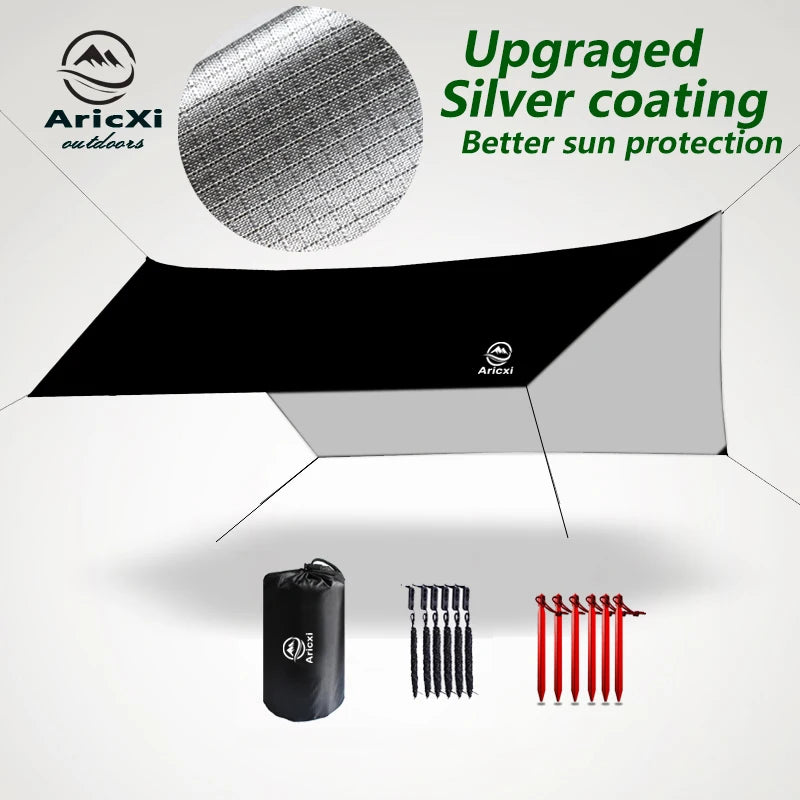
💡 See it in action
Large Coverage Tarps Improve Comfort
One common issue during family trips is limited dry space. Large-format tarps solve this problem by creating flexible communal shelter areas.
These work particularly well with:
Quick Setup Reduces Stress During Sudden Rain
Storms rarely wait for perfect campsite preparation. Fast-deploy tarp systems help families react quickly when weather shifts unexpectedly.
Campers often prefer tarps with:
- Color-coded loops
- Integrated storage bags
- Lightweight poles
- Simple tension systems
- Compact packed size
Why Families Prefer Multi-Use Shelter Systems
One tarp can serve several functions throughout a trip:
- Rain shelter
- Dining canopy
- Sun shade
- Gear protection
- Emergency backup shelter
This versatility reduces overall packing volume and simplifies campsite organization.
“Our tarp became the center of camp during a three-day rainstorm. The kids played underneath it while we cooked and stored gear safely. Without it, the trip would have ended early.” — Oregon family camper
Top Rated UV Protection Tarps 2026
UV protection matters just as much as waterproofing for long-term outdoor durability. The best tarp materials now balance rain resistance with solar protection to prevent rapid fabric breakdown.
Modern campers increasingly compare tarp longevity rather than only focusing on waterproof ratings.
Polyester vs Nylon for UV Resistance
| Material | UV Resistance | Weight | Stretch Resistance |
|---|---|---|---|
| Polyester | Excellent | Moderate | High |
| Nylon | Good | Lightweight | Moderate |
Polyester tarps generally resist prolonged sunlight better, while nylon offers lighter carrying weight for backpackers.
Silver-Coated Tarps Reflect Heat
Some top rated UV protection tarps 2026 now include reflective coatings that help reduce heat buildup underneath the shelter.
Benefits include:
- Cooler daytime shelter
- Improved comfort during summer trips
- Reduced material overheating
- Better protection for stored gear
These tarps pair well with Solar Lights & Chargers and Lighting & Power setups for extended outdoor stays.
UV Protection Helps Preserve Waterproof Performance
Many campers overlook how sunlight gradually damages waterproof coatings. Once UV exposure weakens the outer layer, heavy rain penetrates much more easily.
Choosing UV-resistant tarps helps preserve waterproof reliability over years of repeated use.
Why Some Waterproof Tarps Outperform Traditional Tents
While tents remain essential for many trips, tarp shelters often outperform them in ventilation, flexibility, weight savings, and emergency adaptability.
Some experienced campers even prefer tarp-first setups for backcountry travel and minimalist camping.
Better Airflow Reduces Condensation
Closed tents trap moisture overnight. Tarps allow more airflow, which reduces internal condensation and improves sleeping comfort.
This matters during humid summer nights when condensation can leave gear damp even without rainfall.
Lighter Weight Improves Mobility
Backpackers often choose tarp systems because they weigh significantly less than large tents.
Pairing tarps with Compression & Packing Bags and Backpacking & Carry solutions makes long-distance travel easier.
Tarps Adapt Faster to Terrain
Uneven ground can make tent pitching difficult. Tarps offer more setup flexibility around rocks, trees, and tight spaces.
This adaptability becomes valuable during wilderness travel where ideal campsites are limited.
- Choose elevated ground
- Angle tarp for runoff
- Use reinforced guylines
- Check anchor tension before sleep
- Keep dry gear inside waterproof storage
- Create wind-facing low side
- Carry backup stakes and cordage
Common Mistakes That Cause Tarp Failure
Even premium waterproof camping tarps fail when set up incorrectly. Most problems come from poor tension, weak anchoring, or bad campsite selection.
Flat Roof Setups Cause Water Pooling
One of the biggest mistakes campers make is pitching tarps too flat. Water accumulates quickly, increasing pressure on seams and anchor points.
Always create enough angle for continuous runoff.
Cheap Stakes Fail in Wet Ground
Storm-ready shelters require strong anchor systems. Weak stakes pull loose easily in soft soil.
Many campers upgrade their setup with gear from Safety, Survival & Emergency collections for more reliable field performance.
Ignoring Wind Direction
Wind-facing tarp walls should stay low and tight. Large exposed surfaces catch gusts like sails and increase the risk of tearing.
Poor Gear Organization Creates Problems
Storm conditions become harder to manage when equipment is scattered around camp.
Use:
Keeping essential equipment protected and accessible reduces stress during bad weather.
Essential Gear That Improves Storm Protection
A waterproof tarp works best as part of a complete weather-ready system.
| Gear Type | Why It Helps |
|---|---|
| Waterproof & Dry Bags | Protects clothing and electronics |
| Tent & Camping Lanterns | Improves visibility during storms |
| Portable Power Banks | Keeps devices charged in emergencies |
| Emergency Road Kits | Helpful for car camping trips |
| Fire Starters & Ignition | Makes wet-weather fire setup easier |
Reliable shelter systems work best when paired with practical support gear that improves safety and convenience.
How to Choose the Right Waterproof Camping Tarp
The best tarp depends on your travel style, expected weather, group size, and packing priorities.
For Backpacking
- Choose lightweight ripstop nylon
- Focus on compact packed size
- Prioritize fast setup
- Look for multiple tie-outs
For Family Camping
- Choose larger coverage areas
- Prioritize UV resistance
- Use reinforced corners
- Look for communal shelter flexibility
For Car Camping
- Heavier-duty tarps work well
- Larger shelters improve comfort
- Extra poles and accessories become easier to transport
The 3.6x2.8m Sun Shelter Tarp UV Waterproof offers balanced rain protection, UV resistance, and versatile setup options for campers who want reliable weather coverage without bulky shelter systems.
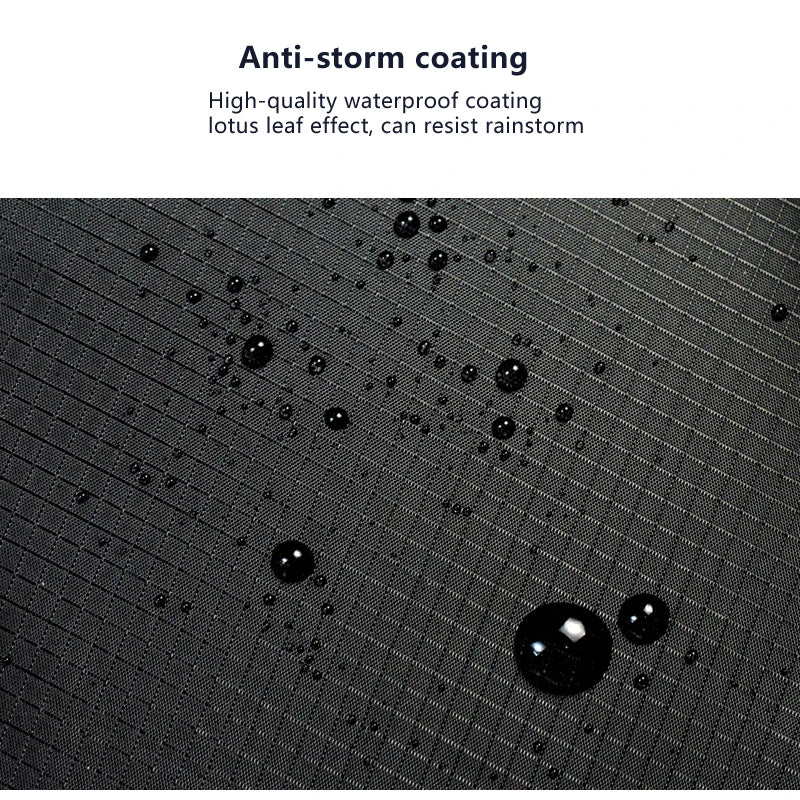
💡 See it in action
Upgrade your outdoor shelter with reliable waterproof coverage designed for storms, sun exposure, and family adventures. Explore the 3.6x2.8m Sun Shelter Tarp UV Waterproof and complete your setup with Car Camping Accessories and Weather Accessories.
Why Waterproof Camping Tarps Are Worth the Upgrade
Weather conditions can change fast outdoors, and reliable shelter often determines whether a camping trip becomes memorable or miserable.
The best waterproof camping tarps combine reinforced construction, advanced waterproof coatings, UV protection, and versatile setup flexibility to create dependable storm-ready coverage. Whether you camp with family, travel solo, or build lightweight backpacking systems, a durable tarp improves comfort, safety, and overall outdoor confidence.
From heavy rain protection to shaded daytime shelter, these versatile systems continue proving why experienced campers trust tarps as one of the smartest gear investments for unpredictable weather.
FAQ
What is the best material for waterproof camping tarps?
Ripstop polyester and ripstop nylon are among the best materials for waterproof camping tarps because they combine durability, water resistance, and lightweight portability. Polyester generally offers better UV resistance, while nylon provides lighter packed weight.
How do you stop water from pooling on a camping tarp?
Pitch the tarp at an angle with tight guylines and elevated anchor points. Flat tarp setups trap water and increase pressure on seams, which can eventually cause leaks or structural failure.
Are waterproof camping tarps better than tents?
Tarps are not always better than tents, but they offer superior ventilation, flexibility, and lighter carrying weight. Many campers combine both systems for maximum weather protection and campsite versatility.
Do UV-resistant tarps last longer?
Yes. UV-resistant tarps help prevent fabric breakdown, fading, and waterproof coating damage caused by long-term sun exposure. This significantly extends the tarp’s outdoor lifespan.
What size tarp works best for family camping?
Larger tarps between 10x12 feet and 16x20 feet generally work well for family camping because they provide enough space for cooking, gear storage, and communal shelter during rain.
Related Articles:
- Camping Tarp Shade: Uv Protection Tech That Keeps You Cooler
- Lightweight Waterproof Tarps: Why Modern Coatings Block Rain Better
Pillar Articles:





