

How To Use Gauze Pads For Clean, Safe Wound Care
How to use gauze pads correctly for safe wound care?
How to use gauze pads starts with cleaning the wound, applying a sterile pad, and securing it without cutting off circulation. This simple method helps protect injuries, absorb fluids, and reduce infection risk. Done properly, gauze pads support faster healing and keep wounds clean during daily activities.
How To Use Gauze Pads For Clean, Safe Wound Care
Learning how to use gauze pads correctly can make the difference between fast healing and infection. This guide breaks down how to clean and cover wounds correctly, shows smart ways to prevent infection in minor child injuries, and reveals the best way to secure gauze bandage without discomfort. Whether you're handling everyday cuts or unexpected scrapes, these simple techniques can save time, reduce stress, and improve healing—but are you making one common mistake?
⏱ 9 min read
Ever been on a camping trip, road adventure, or even just at home when a small cut suddenly turns into a stressful situation? You reach for your first aid kit—but then hesitate. What’s the right way to actually use gauze pads?
That uncertainty can lead to poor wound care, slower healing, or even infection. The good news? Once you understand a few simple steps, you’ll feel confident handling cuts, scrapes, and minor injuries anywhere.
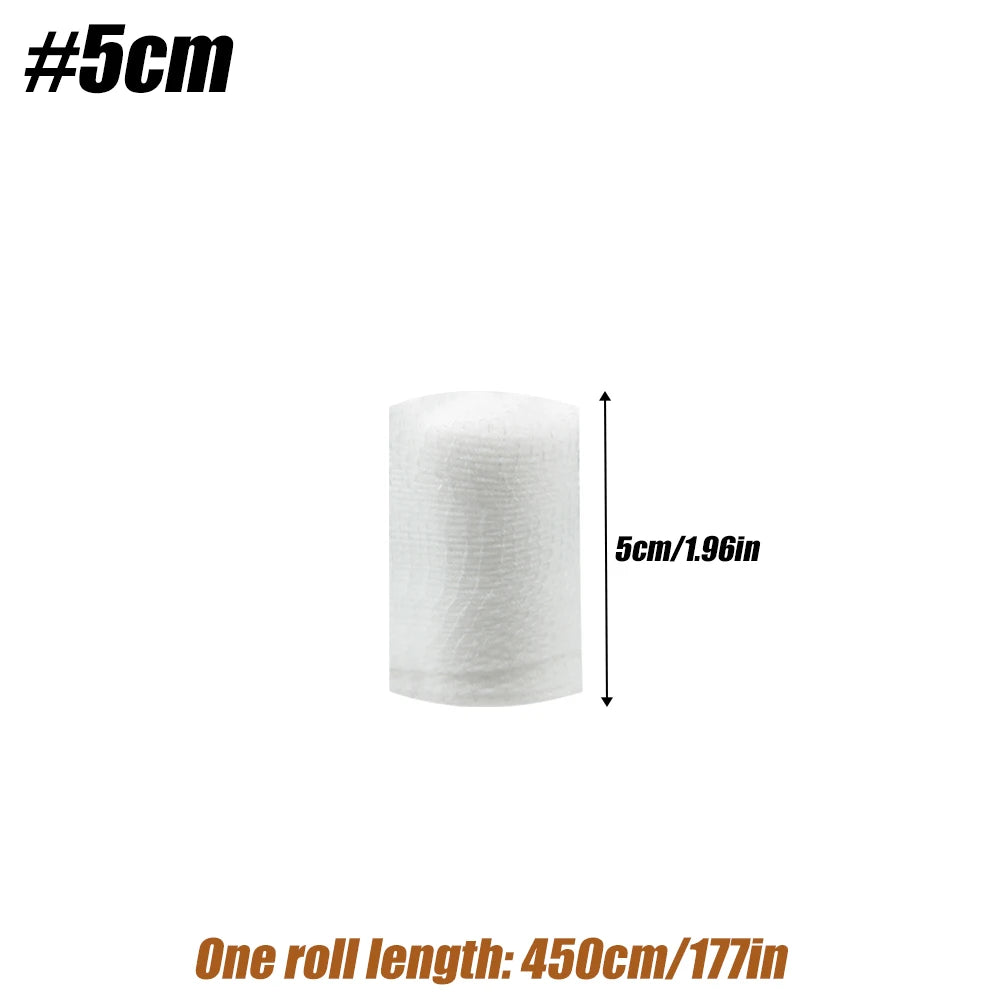
💡 See it in action
👉 Discover must-have camping gear: Explore reliable essentials in First Aid Kits to stay prepared wherever you go.
Why Gauze Pads Matter for Safe Wound Care
Gauze pads are one of the most versatile tools in any first aid kit. They don’t just cover wounds—they actively support healing.
- Absorb blood and fluids effectively
- Protect wounds from dirt and bacteria
- Allow airflow for faster healing
- Provide cushioning against friction
Whether you’re at home or out exploring nature, having gauze pads ready can turn a stressful situation into a manageable one.
How to Use Gauze Pads Step by Step
How to use gauze pads properly involves cleaning the wound, applying a sterile pad, and securing it gently. This prevents contamination, supports healing, and reduces discomfort. Following the correct order ensures the gauze works effectively instead of trapping bacteria or causing irritation.
- Wash your hands thoroughly before touching the wound.
- Clean the wound using water or antiseptic.
- Dry gently with a clean cloth or air.
- Apply sterile gauze pad directly over the wound.
- Secure with bandage or tape without tightening too much.
- Change regularly at least once daily or when wet.
This simple process is the foundation of safe wound care, whether indoors or outdoors.
How to Clean and Cover Wounds Correctly for Faster Healing
Cleaning a wound properly is just as important as covering it. Skipping this step can trap bacteria under the gauze.
Step-by-step cleaning method
- Rinse with clean water to remove debris
- Use mild antiseptic if available
- Avoid harsh chemicals that irritate skin
- Pat dry before applying gauze
Once cleaned, place the gauze pad gently—don’t press too hard. The goal is protection, not pressure.
| Action | Why It Matters |
|---|---|
| Rinse wound | Removes dirt and bacteria |
| Dry area | Prevents moisture buildup |
| Apply gauze | Protects from contamination |
| Secure bandage | Keeps dressing in place |
How to Prevent Infection in Minor Child Injuries
Kids are constantly moving, exploring, and occasionally getting hurt. Knowing how to handle minor injuries quickly can prevent bigger problems.
- Clean wounds immediately after injury
- Use fresh gauze every time
- Avoid reusing dressings
- Check daily for redness or swelling
Parents often overlook one key detail: changing the gauze regularly. Leaving it on too long can trap moisture and bacteria.
Many families who camp or travel rely on portable kits from Family Outdoor Bundles to stay prepared for these moments.
Best Way to Secure Gauze Bandage Without Discomfort
Even if you apply gauze correctly, poor securing can ruin everything. Too tight? It restricts blood flow. Too loose? It falls off.
Effective securing techniques
- Use medical tape in an X-pattern
- Wrap bandage evenly—not tightly
- Check circulation (no numbness or tingling)
- Adjust during movement if needed
For active environments like hiking or sports, pairing gauze with gear from Gloves & Protective Gear can help protect wounds from further irritation.
👉 Learn how to choose the right hiking gear: Stay safe and comfortable with essentials from Safety, Survival & Emergency.
Common Mistakes That Slow Healing
- Applying gauze on dirty wounds
- Using non-sterile materials
- Wrapping too tightly
- Not changing dressings regularly
These small mistakes can lead to infection, discomfort, and delayed healing.
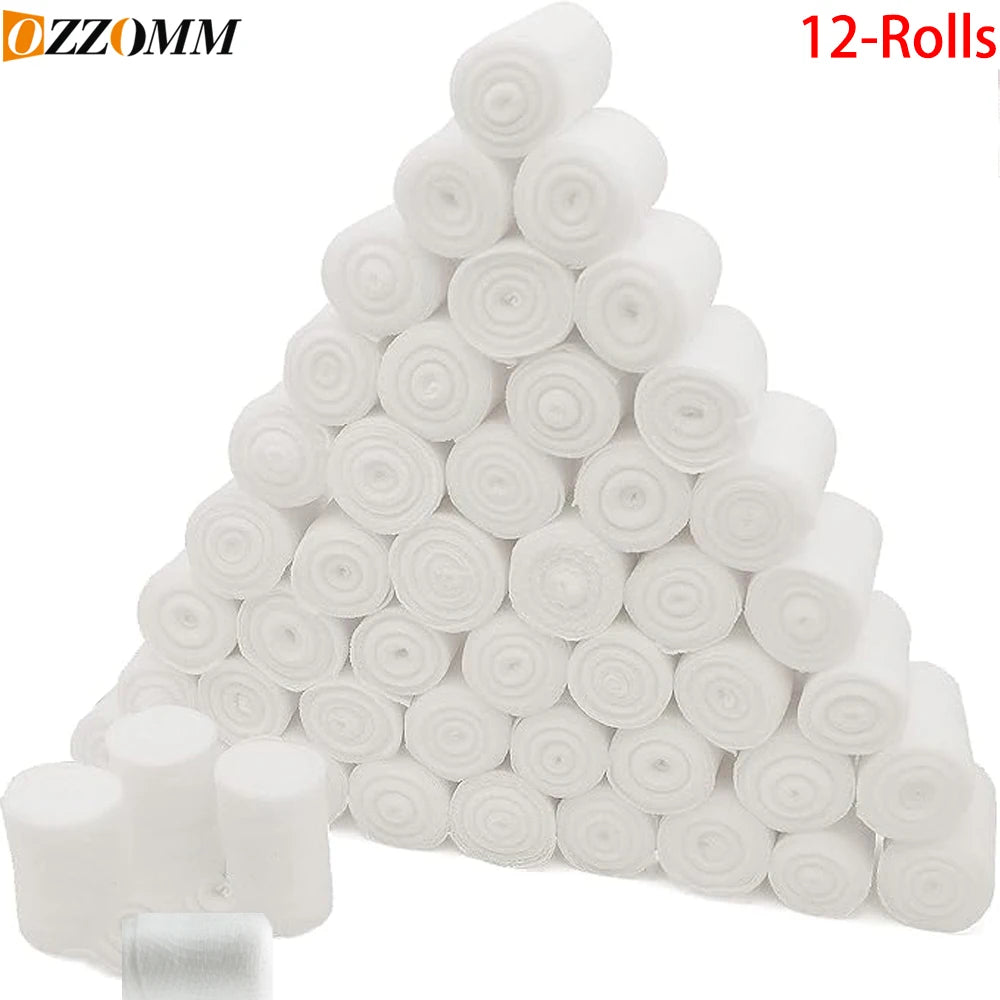
💡 See it in action
Using Gauze Pads in Real Outdoor Scenarios
Imagine you're hiking and someone slips on a rocky trail. Dirt, sweat, and movement all increase infection risk.
Here’s how gauze pads help in real situations:
- Camping: Protect cuts from dirt and insects
- Hiking: Cushion wounds from friction
- Road trips: Quick access in emergencies
- Sports: Manage scrapes instantly
Many outdoor enthusiasts keep compact supplies in Lightweight Daypacks for quick access.
Essential First Aid Checklist for Every Trip
Preparation makes all the difference. Here’s a simple checklist:
- Gauze pads (various sizes)
- Medical tape or bandage rolls
- Antiseptic wipes
- Gloves
- Scissors
- Pain relief medication
Storing these items in organized kits from Gear Organizers & Pouches keeps everything accessible when needed.
Why organization matters
In emergencies, every second counts. A well-organized kit reduces stress and improves response time.
Real User Experiences
“We were camping when my son scraped his knee. Having gauze pads ready made everything easier—no panic, just quick care.”
“I used to wrap bandages too tight. Learning the right method made a huge difference in comfort and healing.”
How This Simple Tool Makes Outdoor Safety Easier
Gauze pads are lightweight, affordable, and incredibly effective. They’re one of those items you don’t think about—until you really need them.
From backyard accidents to remote hiking trails, knowing how to use gauze pads gives you confidence and control.
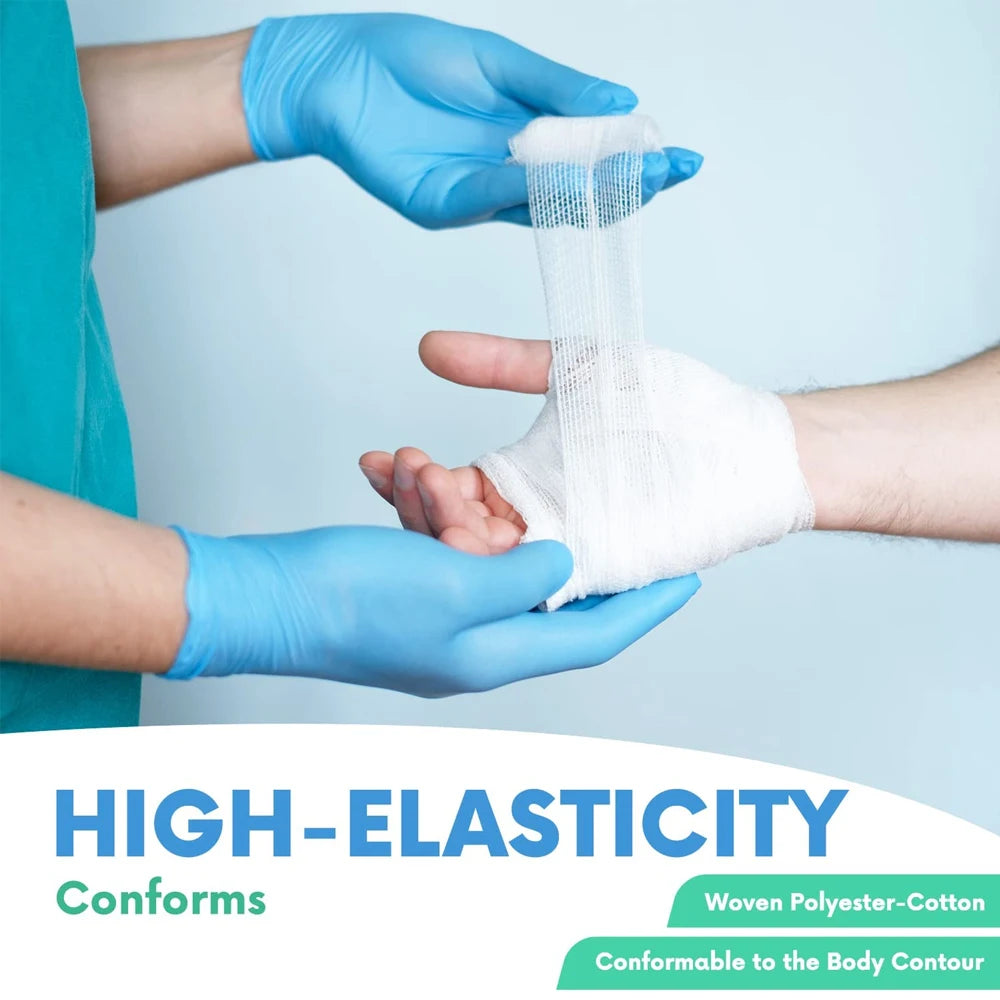
💡 See it in action
👉 Get yours now before your next trip! Be ready for any situation with reliable gauze bandage rolls.
Frequently Asked Questions
How often should I change gauze pads?
Change gauze pads at least once daily or whenever they become wet or dirty to prevent infection.
Can I reuse gauze pads?
No, gauze pads should always be sterile and used only once to avoid contamination.
Should wounds be covered all the time?
Most minor wounds heal better when covered, as gauze protects and maintains a clean environment.
What if gauze sticks to the wound?
Moisten it with clean water before removing to avoid damaging new tissue.
Is gauze better than adhesive bandages?
For larger or deeper wounds, gauze pads offer better coverage and absorption than standard bandages.
Related Articles:
- How To Use Gauze For Cuts, Scrapes, And Joint Injuries
- Building First Aid Kit: What To Pack For Every Trip
- How To Apply A Gauze Bandage That Stays Put All Day
- How To Properly Clean A Wound And Avoid Infection Fast
Pillar Articles:





