

How To Properly Clean A Wound And Avoid Infection Fast
How to properly clean a wound fast?
How to properly clean a wound starts with rinsing it under clean running water for at least 30 seconds, removing debris gently, applying mild antiseptic, and covering with sterile gauze. This simple process helps prevent infection in minor child injuries and speeds healing when done correctly and promptly.
How To Properly Clean A Wound And Avoid Infection Fast
Cuts, scrapes, and small injuries happen fast—especially during outdoor adventures, road trips, or active play with kids. But are you cleaning wounds the right way to avoid infection? This practical guide shows exactly how to properly clean a wound, reduce pain, and speed recovery using simple steps you can follow anywhere.
⏱ 6 min read
Ever been halfway through a hike or picnic when someone trips and scrapes a knee? What gear actually makes wound care easier on the go? Having the right supplies—and knowing how to use them—can turn a stressful moment into a quick fix.
Explore essentials like First Aid Kits and Safety, Survival & Emergency tools to stay prepared anywhere.
💡 See it in action
Why Proper Wound Cleaning Matters Outdoors
Outdoor environments introduce dirt, bacteria, and debris into even small cuts. Without proper cleaning, minor wounds can quickly become infected, causing swelling, pain, and delayed healing.
- Reduces risk of infection
- Speeds up healing time
- Minimizes scarring
- Keeps kids comfortable and calm
How to Properly Clean a Wound Step by Step
How to properly clean a wound involves rinsing thoroughly, removing debris, disinfecting gently, and protecting the area. Done correctly, this process reduces bacteria, prevents infection, and promotes faster healing—especially important during outdoor activities where wounds are exposed to dirt and sweat.
- Wash your hands – Use soap and clean water or sanitizer.
- Stop the bleeding – Apply gentle pressure with clean gauze.
- Rinse the wound – Use clean running water for 30–60 seconds.
- Remove debris – Use sterilized tweezers if needed.
- Apply antiseptic – Use mild solution, avoid harsh chemicals.
- Dry gently – Pat around the wound, not directly on it.
Tip: Always carry compact supplies from Backpacking & Carry collections so you're ready anywhere.
What You Need: Quick First Aid Checklist
| Item | Purpose |
|---|---|
| Clean water | Rinse dirt and bacteria |
| Antiseptic wipes | Disinfect safely |
| Gauze pads | Stop bleeding and cover wound |
| Bandage roll | Secure dressing in place |
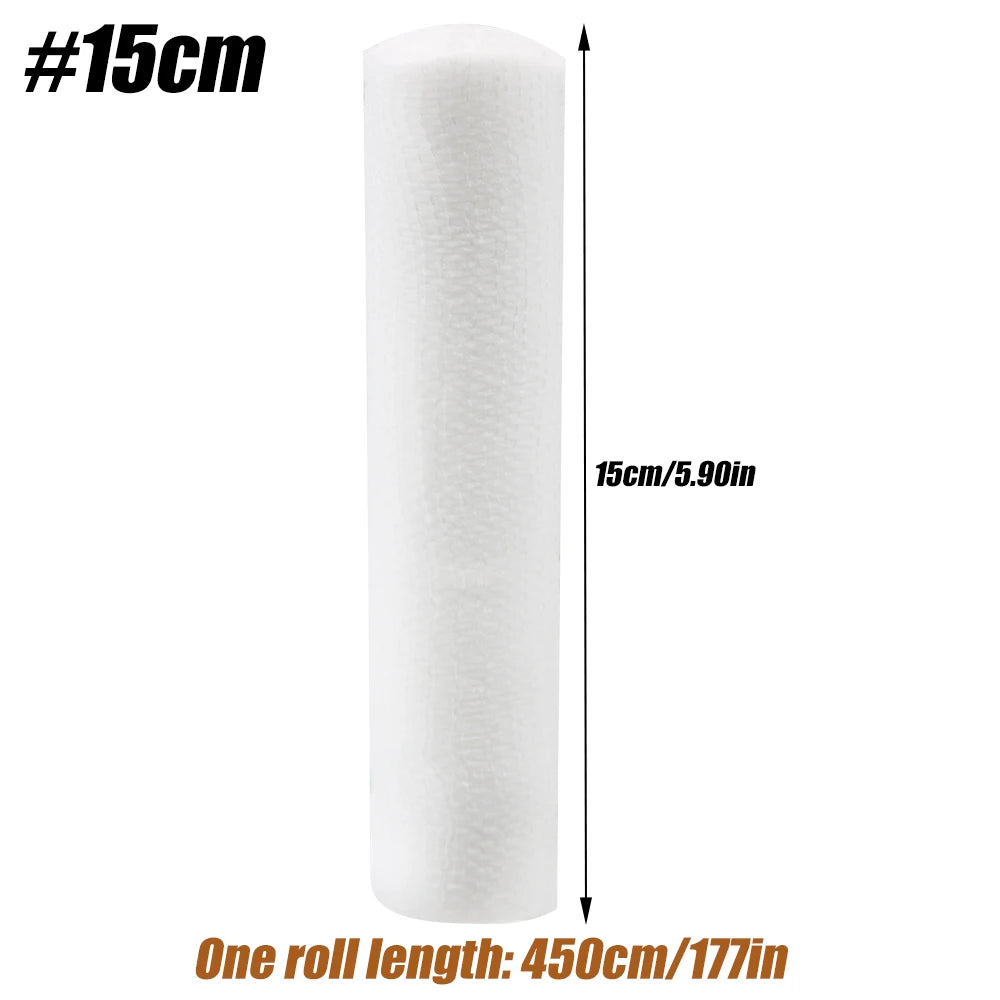
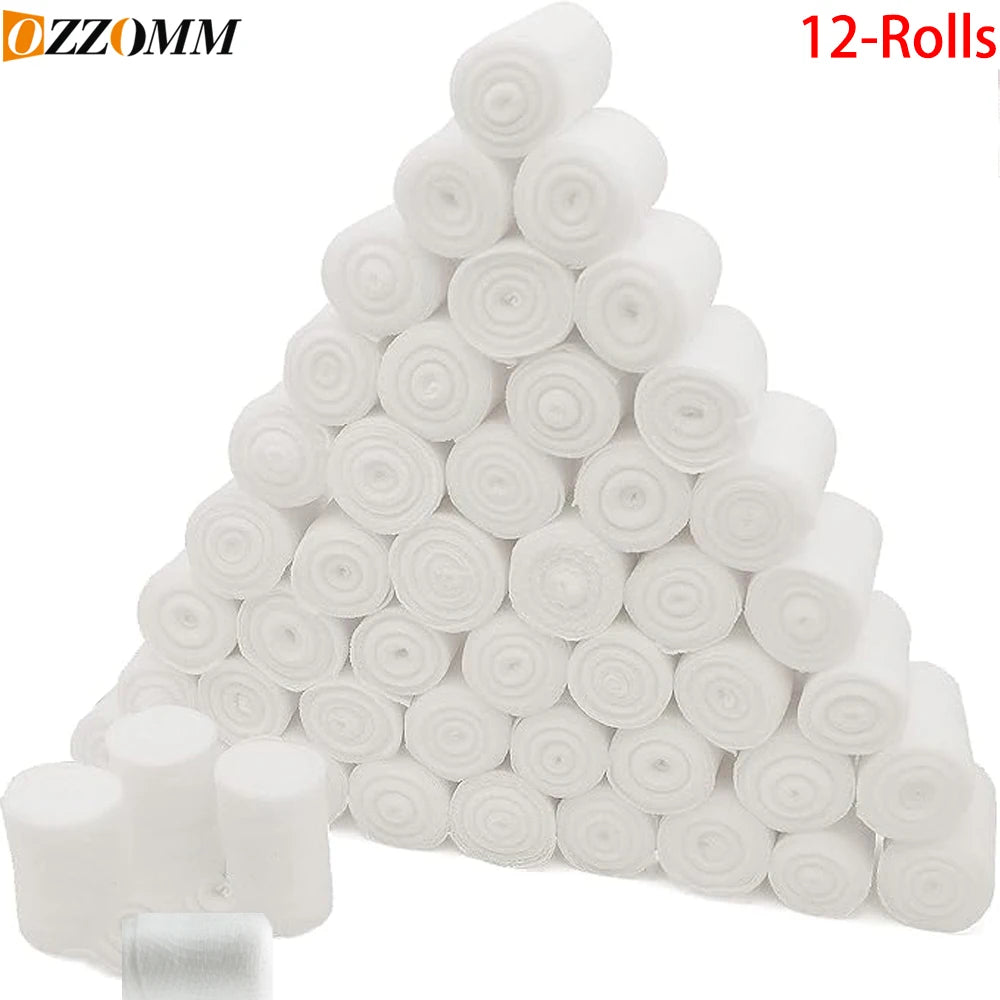
Reliable supplies like gauze bandage rolls make it easier to clean and cover wounds correctly without improvising.
Pair your wound care setup with Lightweight Daypacks for easy access on the trail.
How to Clean and Cover Wounds Correctly
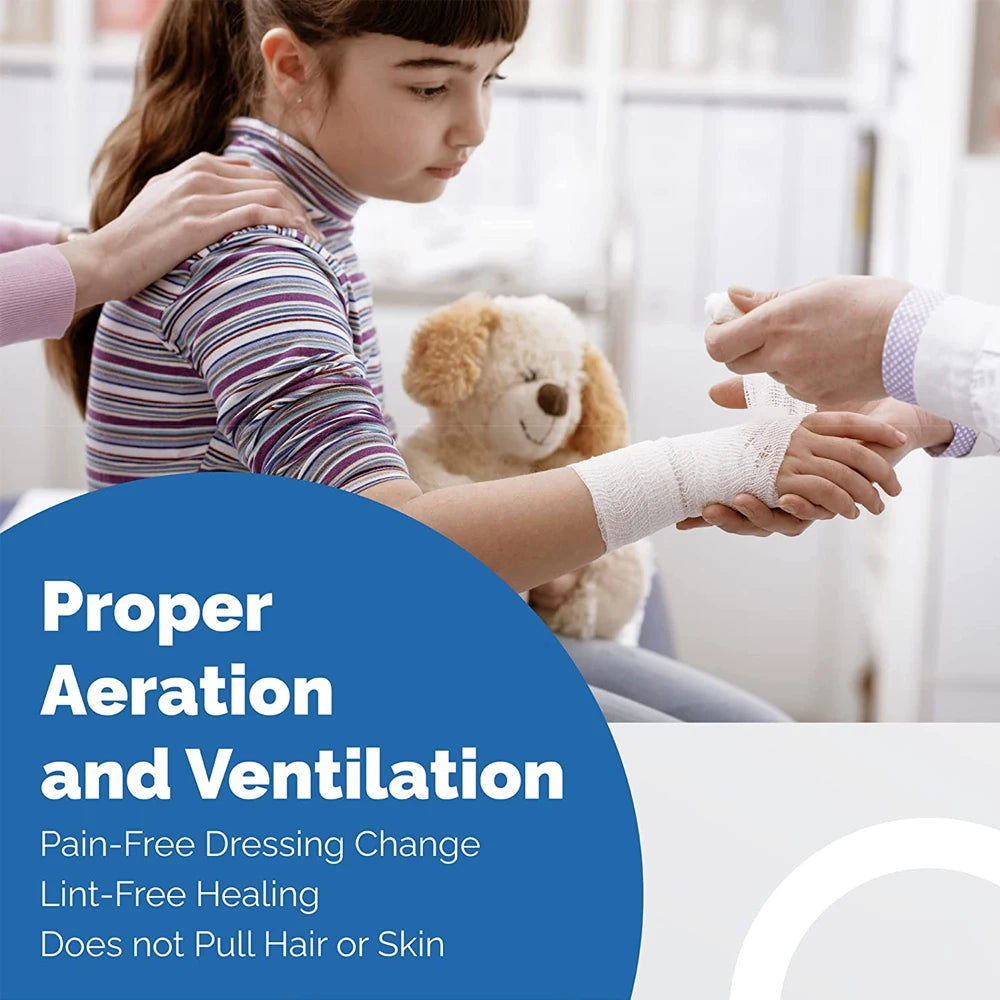
Cleaning is only half the job—covering the wound properly prevents contamination and keeps moisture balanced for healing.
- Use sterile gauze or bandage
- Avoid wrapping too tightly
- Change dressing daily or when wet
- Keep wound slightly moist—not dry
Outdoor travelers often combine wound care with waterproof storage from Waterproof & Dry Bags to keep supplies clean.
💡 See it in action
Prevent Infection in Minor Child Injuries
Kids are more prone to scrapes during outdoor play. Acting quickly and calmly helps reduce both infection risk and fear.
- Clean wound immediately after injury
- Use gentle language to reassure kids
- Keep a dedicated kids kit from Safety Gear for Kids
- Monitor for redness or swelling
Real-world insight: Many parents report that having pre-packed first aid gear reduces stress during family trips and helps kids recover faster.
Common Mistakes That Slow Healing
- Using alcohol or hydrogen peroxide excessively
- Skipping rinsing step
- Covering dirty wounds
- Not changing dressings regularly
Avoiding these mistakes makes a noticeable difference in recovery time.
Smart Outdoor First Aid Tips
Whether hiking, camping, or road-tripping, preparation is key.
- Store supplies in Gear Organizers & Pouches
- Use Emergency Road Kits for travel safety
- Keep lighting handy from Headlamps & Wearable Lights for night care
- Stay hydrated using Collapsible Water Bottles to support healing
Stock up on essentials like gauze bandage rolls and explore First Aid Kits for complete protection.
💡 See it in action
Frequently Asked Questions
How long should I rinse a wound?
At least 30 seconds under clean running water to remove debris and bacteria effectively.
Should I use antiseptic every time?
Yes, but choose mild antiseptics and avoid overuse of harsh chemicals that can damage tissue.
How often should I change the dressing?
Change it daily or whenever it becomes wet or dirty to prevent infection.
When should I seek medical help?
If the wound is deep, won’t stop bleeding, or shows signs of infection like redness, swelling, or pus.
With the right approach and simple tools, you can handle minor injuries confidently—whether at home or outdoors. Knowing how to properly clean a wound is a small skill that makes a big difference in safety and recovery.
Pillar Article: How To Use Gauze Pads For Clean, Safe Wound Care
Other Related Articles:
- How To Use Gauze For Cuts, Scrapes, And Joint Injuries
- Building First Aid Kit: What To Pack For Every Trip
- How To Apply A Gauze Bandage That Stays Put All Day
Explore More:





