

How To Use Gauze For Cuts, Scrapes, And Joint Injuries
How to use gauze for cuts, scrapes, and joint injuries?
How to use gauze correctly starts with cleaning the wound, applying a sterile pad, and securing it with even pressure. For joints, wrap in a figure-eight pattern to allow movement without slipping. Proper gauze use protects wounds, reduces irritation, and supports faster, cleaner healing in daily and outdoor situations.
How To Use Gauze For Cuts, Scrapes, And Joint Injuries
⏱ 7 min read — Whether you're hiking, camping, or just dealing with everyday scrapes, knowing how to use gauze properly can prevent discomfort, slipping bandages, and slow healing. Ever had a knee wrap fall apart mid-walk or a cut reopen during activity? Small technique changes can make all the difference.
Wondering how to use gauze the right way for fast, clean healing? This guide shows you how to cover wounds on moving joints without slipping, how to wrap gauze on child knee securely, and why stretchable medical gauze for joint support can prevent irritation and re-injury. Small technique changes can make a big difference in comfort and recovery—are you making these common mistakes?
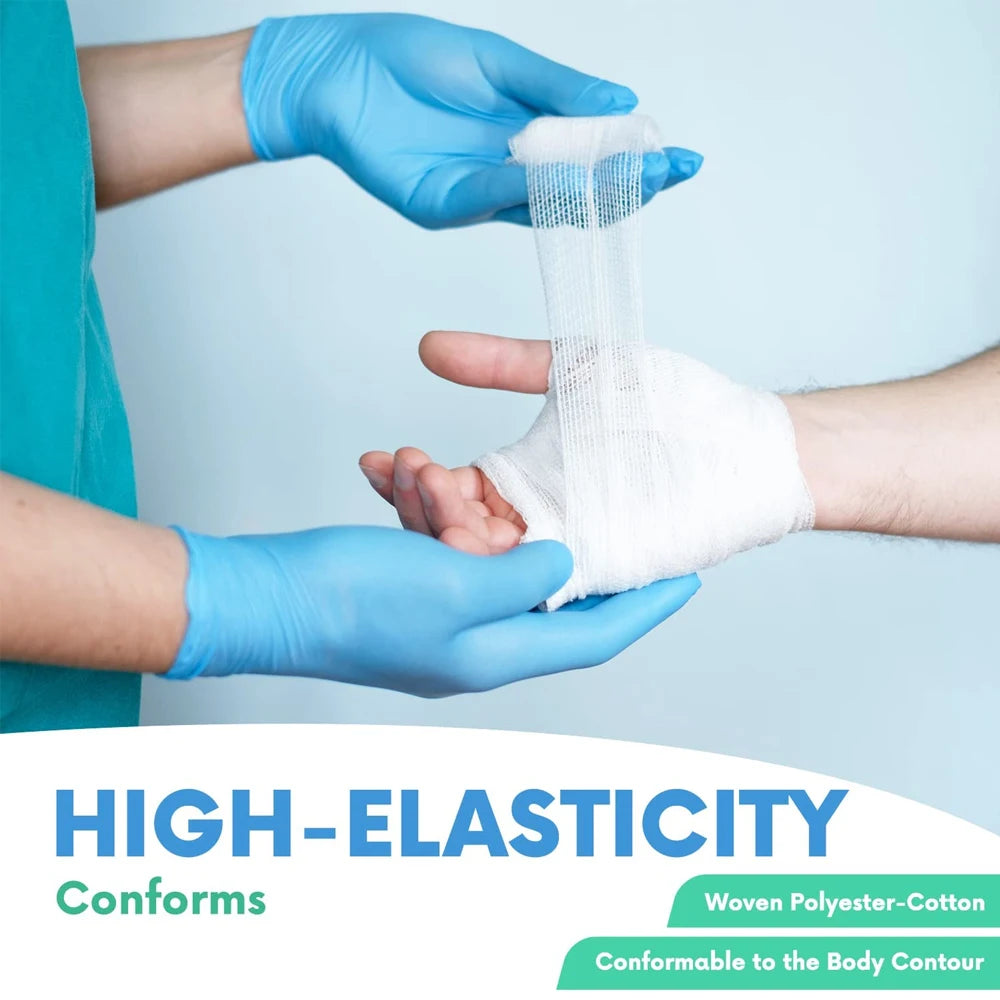
💡 See it in action
Why Proper Gauze Use Matters Outdoors
Outdoors, wounds behave differently. Sweat, dirt, and movement can quickly turn a simple scrape into a bigger problem.
- Movement causes slipping — especially on knees, elbows, and ankles
- Moisture weakens adhesion — bandages loosen faster
- Improper pressure slows healing — too tight restricts, too loose exposes
- Infection risk increases — especially on trails or campsites
That’s why learning how to use gauze properly is essential for both daily life and outdoor trips.
How to Use Gauze Step by Step
How to use gauze effectively involves cleaning the wound, applying a sterile pad, and wrapping with consistent tension. Proper technique ensures protection, prevents slipping, and supports healing. For best results, choose breathable gauze and secure it firmly without restricting circulation, especially during movement or outdoor activities.
- Clean the wound — Use clean water or antiseptic wipes to remove dirt.
- Dry gently — Pat dry to help gauze stick better.
- Apply sterile gauze pad — Cover the wound completely.
- Wrap evenly — Use a gauze roll with light tension.
- Secure the end — Tape or tuck to prevent unraveling.
💡 For convenience, keep a ready supply like gauze bandage rolls 12 pack first aid in your kit.
How to Cover Wounds on Moving Joints Without Slipping
Joints are tricky because they bend constantly. A standard wrap won’t hold.
- Use a figure-eight wrap around the joint
- Keep layers overlapping by 50%
- Allow slight flexibility — don’t over-tighten
- Test movement after wrapping
This technique is especially useful when hiking or moving around camp, where stability matters most.
How to Wrap Gauze on Child Knee Securely
Kids move constantly, so wrapping must balance security and comfort.
- Start below the knee
- Wrap upward across the joint
- Use a figure-eight pattern
- Leave space for bending
- Secure with soft tape
Parents often say this method prevents re-wrapping every 10 minutes during playtime.
Why Stretchable Medical Gauze for Joint Support Works Better
Not all gauze is equal. Stretchable options make a big difference.
- Adapts to movement — less slipping
- Reduces pressure points — more comfort
- Improves circulation — safer for longer wear
- Faster application — easier wrapping
If you're active outdoors, stretchable gauze is worth the upgrade.
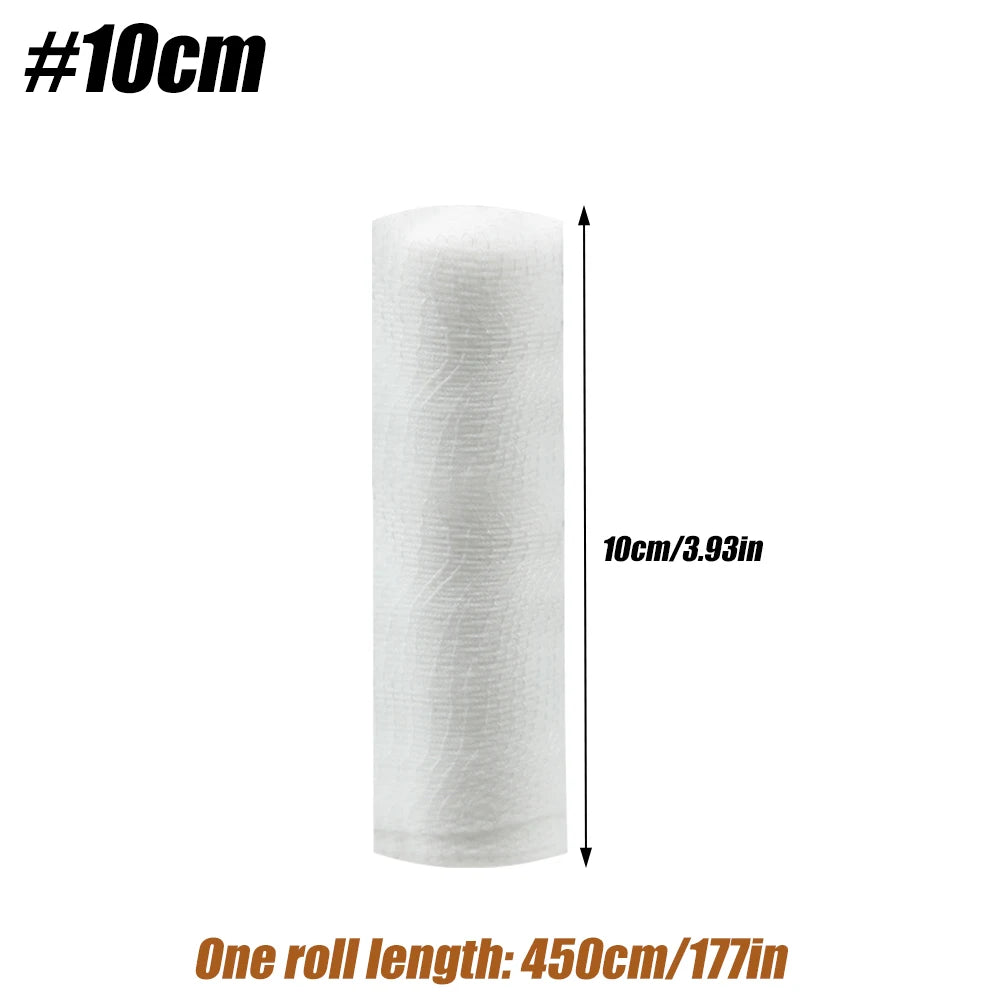
💡 See it in action
Quick Comparison: Gauze Wrapping Methods
| Method | Best For | Pros | Cons |
|---|---|---|---|
| Simple wrap | Flat areas | Quick, easy | Slips on joints |
| Figure-eight wrap | Joints | Secure, flexible | Takes practice |
| Stretch gauze wrap | Active use | Comfortable, adaptable | Slightly higher cost |
Common Mistakes That Slow Healing
- Wrapping too tightly — restricts blood flow
- Leaving gaps — exposes wound
- Skipping cleaning — increases infection risk
- Using wrong gauze type — causes discomfort
Avoiding these mistakes can dramatically improve healing time and comfort.
Build a Reliable First Aid Setup for Any Trip
A solid setup makes gauze application easier and faster when it matters.
- Keep supplies organized in Gear Organizers & Pouches
- Store essentials in Camping Storage & Boxes
- Carry backup supplies in Lightweight Daypacks
- Include emergency essentials from Safety, Survival & Emergency
Real outdoor users often mention how having organized gear reduces stress during unexpected injuries.
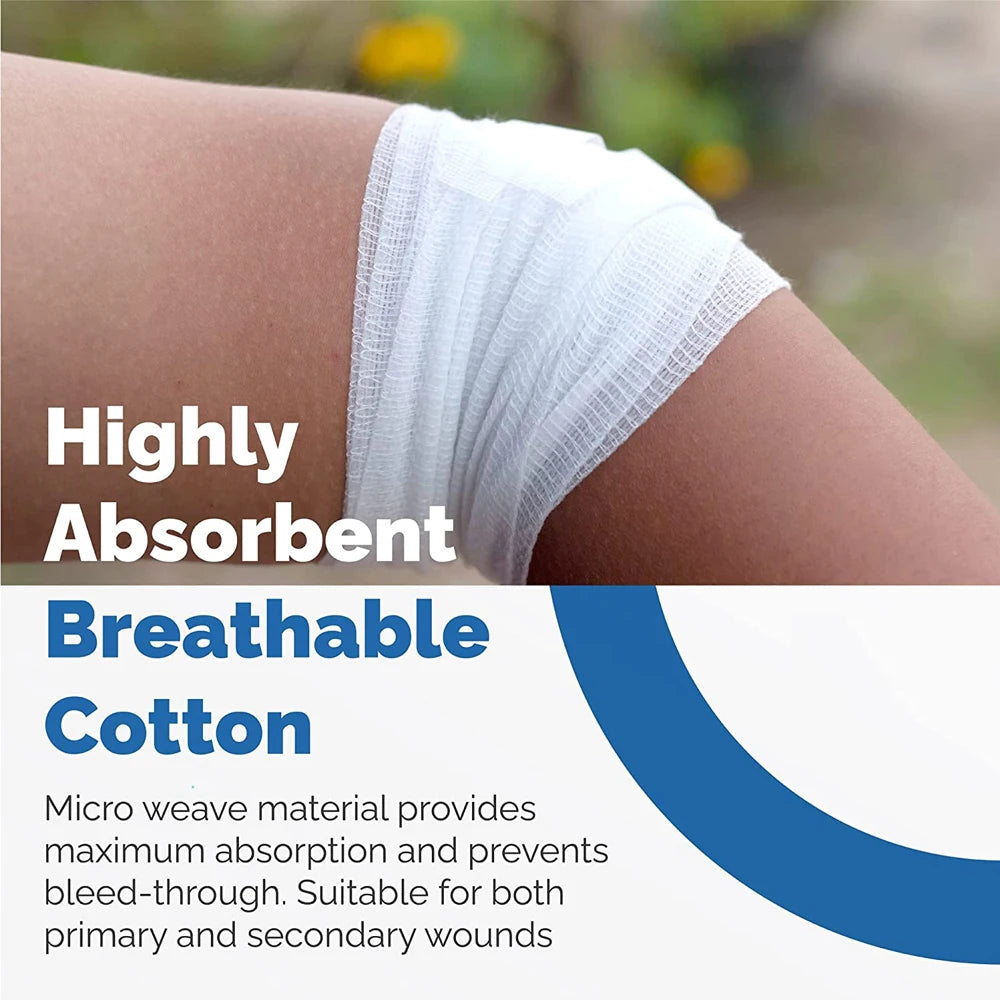
💡 See it in action
FAQs
1. How often should I change gauze on a wound?
Answer: Change gauze at least once daily or whenever it becomes wet or dirty. For active use or outdoor conditions, check more frequently to prevent infection and maintain clean healing conditions.
2. Can I use gauze on joints like knees or elbows?
Answer: Yes, but use a figure-eight wrapping method to allow movement. Stretchable gauze works best to prevent slipping and maintain comfort during bending and activity.
3. What is the best gauze for active or outdoor use?
Answer: Stretchable medical gauze is ideal for outdoor and active situations. It adapts to movement, stays secure longer, and reduces irritation compared to standard gauze rolls.
Pillar Article: How To Use Gauze Pads For Clean, Safe Wound Care
Other Related Articles:
- Building First Aid Kit: What To Pack For Every Trip
- How To Apply A Gauze Bandage That Stays Put All Day
- How To Properly Clean A Wound And Avoid Infection Fast
Explore More:





