

Building First Aid Kit: What To Pack For Every Trip
How do you use gauze pads for clean, safe wound care?
To learn how to use gauze pads correctly, start by cleaning the wound with clean water, gently patting it dry, and applying a sterile gauze pad directly over the area. Secure it with a bandage without restricting blood flow. This simple method helps protect wounds, reduce infection risk, and promote faster healing.
How To Use Gauze Pads For Clean, Safe Wound Care
Learning how to use gauze pads correctly can make the difference between fast healing and infection. This guide breaks down how to clean and cover wounds correctly, shows smart ways to prevent infection in minor child injuries, and reveals the best way to secure gauze bandage without discomfort. Whether you're handling everyday cuts or unexpected scrapes, these simple techniques can save time, reduce stress, and improve healing—but are you making one common mistake?
⏱ 9 min read
You’re out hiking, your child trips, and suddenly there’s a bleeding knee. No clinic nearby. No time to panic. What do you do?
Knowing how to use gauze pads properly turns a stressful moment into a controlled, safe response. Whether you're at home or outdoors, this simple skill protects against infection and speeds up recovery.
💡 See it in action
👉 Discover must-have camping gear for safer adventures
Explore essentials in First Aid Kits and stay prepared wherever you go.
Why Gauze Pads Matter for Safe Wound Care
Gauze pads are more than just basic supplies—they're your first defense against infection.
- Absorb blood and fluids effectively
- Protect wounds from dirt and bacteria
- Allow airflow to support healing
- Adapt to different wound sizes and shapes
In outdoor environments, where clean conditions aren’t guaranteed, gauze becomes essential. Pairing it with gear from Safety, Survival & Emergency ensures you're ready for real-world situations.
How to Use Gauze Pads Step by Step
To follow how to use gauze pads correctly, clean the wound first, apply a sterile pad directly over it, and secure it with gentle pressure. Replace the gauze regularly and keep the area dry. This method helps reduce contamination and supports natural healing.
- Wash your hands – Use soap or sanitizer to reduce bacteria.
- Clean the wound – Rinse with clean water to remove debris.
- Dry gently – Pat dry using clean cloth or sterile pad.
- Apply gauze pad – Place directly over the wound.
- Secure it – Use tape or wrap without cutting circulation.
- Check regularly – Replace if wet, dirty, or loose.
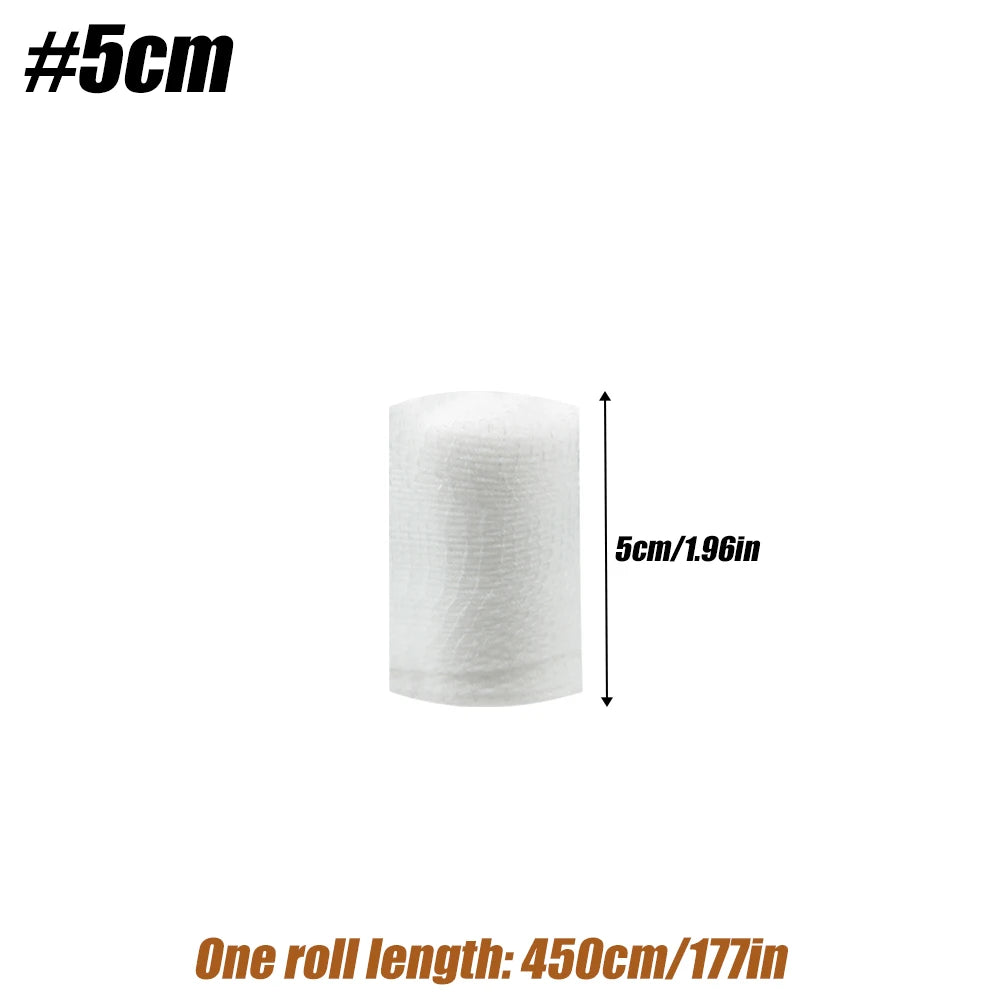
Using a reliable option like gauze bandage rolls makes the process quicker and more hygienic.
How to Clean and Cover Wounds Correctly for Faster Healing
Proper cleaning is where most people go wrong.
Step-by-step cleaning checklist
- Rinse with clean water (avoid harsh chemicals)
- Remove visible dirt with tweezers (sanitized)
- Avoid touching the wound directly
- Apply gauze immediately after drying
| Method | Effectiveness | Risk Level |
|---|---|---|
| Clean water rinse | High | Low |
| Alcohol directly | Low | High irritation |
| No cleaning | Very low | High infection risk |
When you're camping, using filtered water from Personal Water Filters ensures safe cleaning even in remote areas.
👉 Learn how to choose the right hiking gear for emergencies
Stay ready with compact essentials stored in Gear Organizers & Pouches.
How to Prevent Infection in Minor Child Injuries
Children are more prone to infection because they touch everything—and then their wounds.
- Always clean wounds immediately
- Use breathable gauze instead of plastic coverings
- Change dressings daily
- Watch for redness or swelling
Parents often report that quick gauze application reduces healing time significantly. One camper shared: “My son scraped his arm, and using gauze immediately prevented any infection—even after playing outside all day.”
Keeping supplies inside Backpacking & Carry systems ensures fast access when kids need help.
💡 See it in action
Best Way to Secure Gauze Bandage Without Pain or Slipping
Securing gauze properly is just as important as applying it.
Effective securing methods
- Medical tape for small wounds
- Elastic wrap for joints
- Bandage roll for larger areas
- Clips or ties for quick adjustments
Avoid wrapping too tightly—it can cut off circulation.
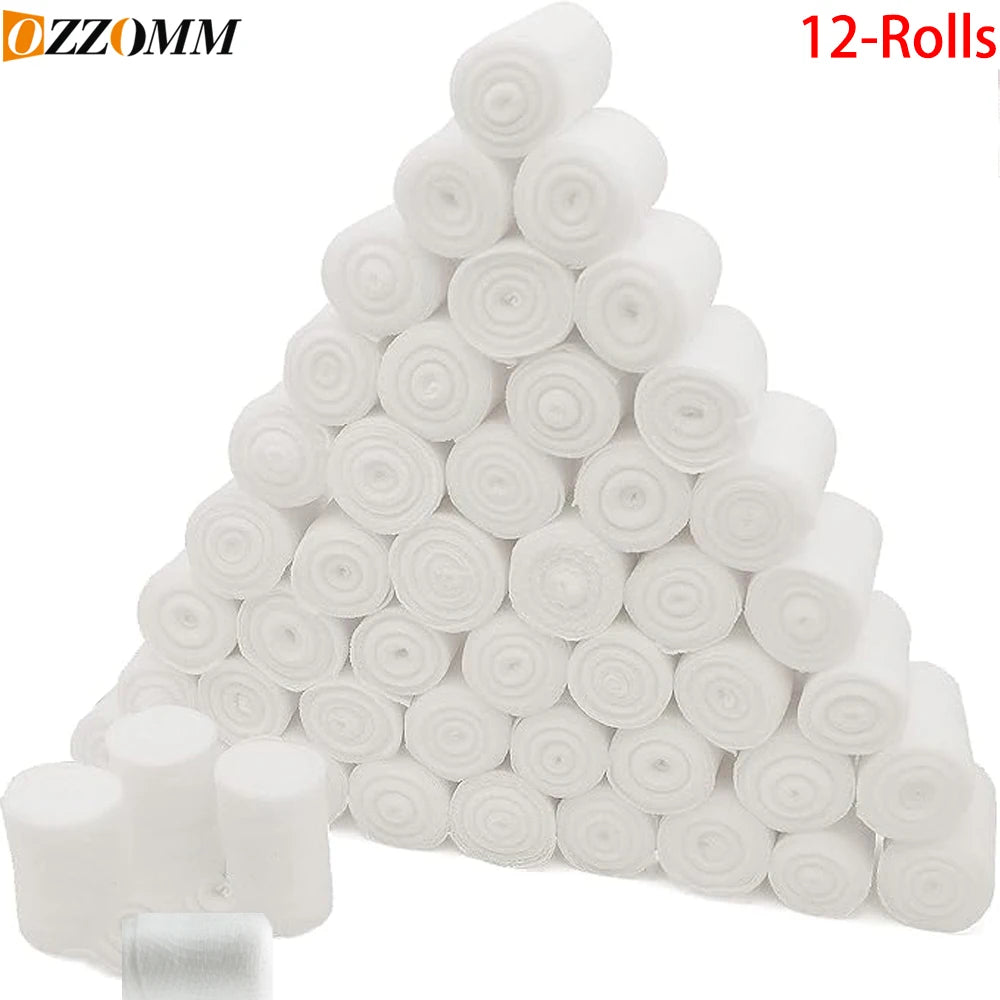
Using gauze bandage rolls gives flexibility and comfort, especially during movement.
Quick comparison
| Method | Comfort | Stability |
|---|---|---|
| Tape | Medium | High |
| Wrap | High | Medium |
| Clips | High | High |
Common Mistakes That Slow Healing
- Applying gauze without cleaning
- Reusing old or dirty pads
- Wrapping too tightly
- Leaving wounds uncovered outdoors
These mistakes increase infection risk dramatically—especially during outdoor trips.
Storing clean supplies in Waterproof & Dry Bags keeps everything sterile and ready.
Outdoor First Aid Checklist for Quick Response
- Gauze pads and rolls
- Antiseptic wipes
- Medical tape
- Bandage wraps
- Clean water source
Pillar Article: How To Use Gauze Pads For Clean, Safe Wound Care
Other Related Articles:
- How To Use Gauze For Cuts, Scrapes, And Joint Injuries
- How To Apply A Gauze Bandage That Stays Put All Day
- How To Properly Clean A Wound And Avoid Infection Fast
Explore More:





