

Backpacking First Aid Kit Contents: How To Pack Smart
Build A First Aid Kit For Hiking List In 7 Easy Steps
What is included in a first aid kit for hiking list?
A first aid kit for hiking list includes essential supplies like bandages, antiseptics, blister care, pain relief, and emergency tools designed for outdoor injuries. The goal is to handle cuts, sprains, burns, and minor emergencies on the trail so hikers can continue safely without panic or unnecessary evacuation.
- Choose a waterproof, durable kit container
- Add wound cleaning and disinfecting supplies
- Include bandages, gauze, and dressings
- Pack blister and foot care essentials
- Add pain relief and allergy medications
- Include tools like scissors, tweezers, gloves
- Customize for group size and environment
Why this matters: A well-prepared hiking first aid kit reduces response time during injuries and helps prevent minor issues from becoming serious problems on remote trails.
⏱ 6 min read
Ever packed for a hike and wondered, “What if someone gets hurt miles from help?” Whether you're heading out solo or with family, building a reliable first aid kit for hiking list can feel overwhelming. The good news is that it only takes a simple system to stay fully prepared for most trail emergencies.
This guide breaks down a practical, step-by-step approach to building a trail-ready kit that works for beginners and experienced hikers alike. You’ll learn exactly what to include, how to organize it, and how to adapt it for family hikes, challenging terrain, and unexpected situations in the wild.
👉 Discover must-have camping gear for safer adventures
Step 1: Choose a durable, weather-resistant container
A strong foundation starts with the right container. Your kit should withstand rain, dust, and drops while remaining easy to access. A poorly protected kit can fail when you need it most, especially during unpredictable weather or rugged terrain conditions.
Many hikers prefer using organized storage systems from the First Aid Kits collection or upgrading to a ready-made survival kit for convenience and reliability.
- Waterproof or water-resistant shell
- Compact and lightweight design
- Multiple compartments for fast access
- Durable zippers or sealed closures
👉 Learn how to choose the right hiking gear for any trail
Step 2: Add wound cleaning and disinfecting supplies
Cleaning wounds quickly is critical on the trail. Dirt and bacteria can turn a small cut into a serious infection if left untreated. Always prioritize antiseptic solutions and sterile wipes in your hiking kit.
Include alcohol wipes, iodine pads, and saline solution. These items are lightweight but extremely effective for immediate wound care.
| Item | Purpose |
|---|---|
| Antiseptic wipes | Clean cuts and prevent infection |
| Saline solution | Flush dirt from wounds |
| Medical gloves | Maintain hygiene during treatment |
Step 3: Pack bandages, gauze, and dressings
Bandages are the backbone of any first aid kit for hiking list. They help stop bleeding, protect wounds, and support injured areas while hiking out of difficult terrain.
Include adhesive bandages in multiple sizes, sterile gauze pads, and elastic wraps. These basics handle everything from blisters to deeper cuts.
- Assorted adhesive bandages
- Sterile gauze pads
- Medical tape
- Elastic compression wrap
Step 4: Don’t ignore blister and foot care essentials
Foot pain can ruin a hike faster than almost anything else. Blisters are one of the most common hiking injuries, especially on long or steep trails.
Use moleskin, blister pads, and soothing ointments. These lightweight items prevent discomfort and help you keep moving safely.
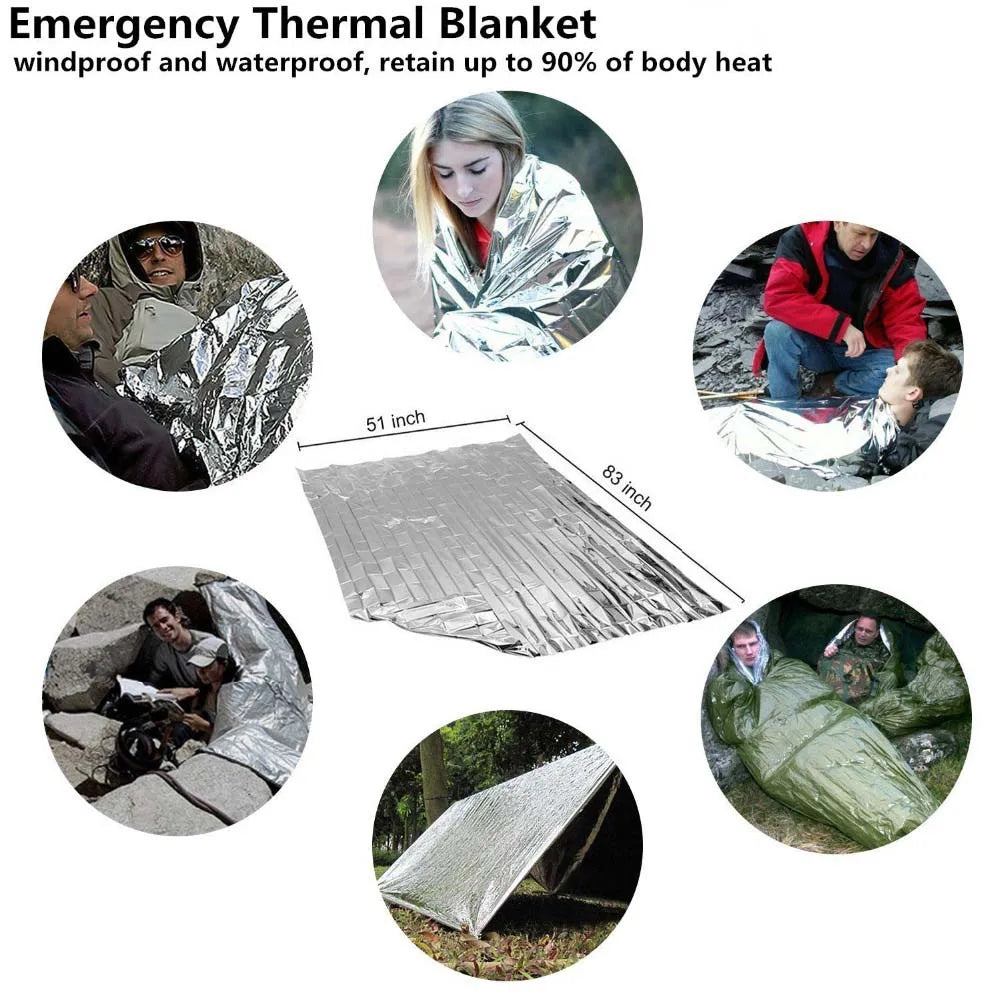
💡 See it in action
💡 See it in action outdoors: first aid kit for hiking list essentials for safe trail recovery
Step 5: Add medications and quick relief options
Unexpected headaches, allergies, or muscle pain can happen anytime outdoors. Having basic medication ensures you don’t have to cut your trip short unnecessarily.
Pack pain relievers, antihistamines, and anti-inflammatory tablets. Always store them in sealed packaging to protect from moisture.
- Pain relief tablets
- Antihistamines for allergies
- Anti-diarrheal medication
- Electrolyte recovery tablets
👉 Get yours now before your next hiking trip
Step 6: Include essential tools and safety items
Tools make a huge difference when dealing with outdoor injuries. They help you cut, remove debris, and manage emergency situations efficiently.
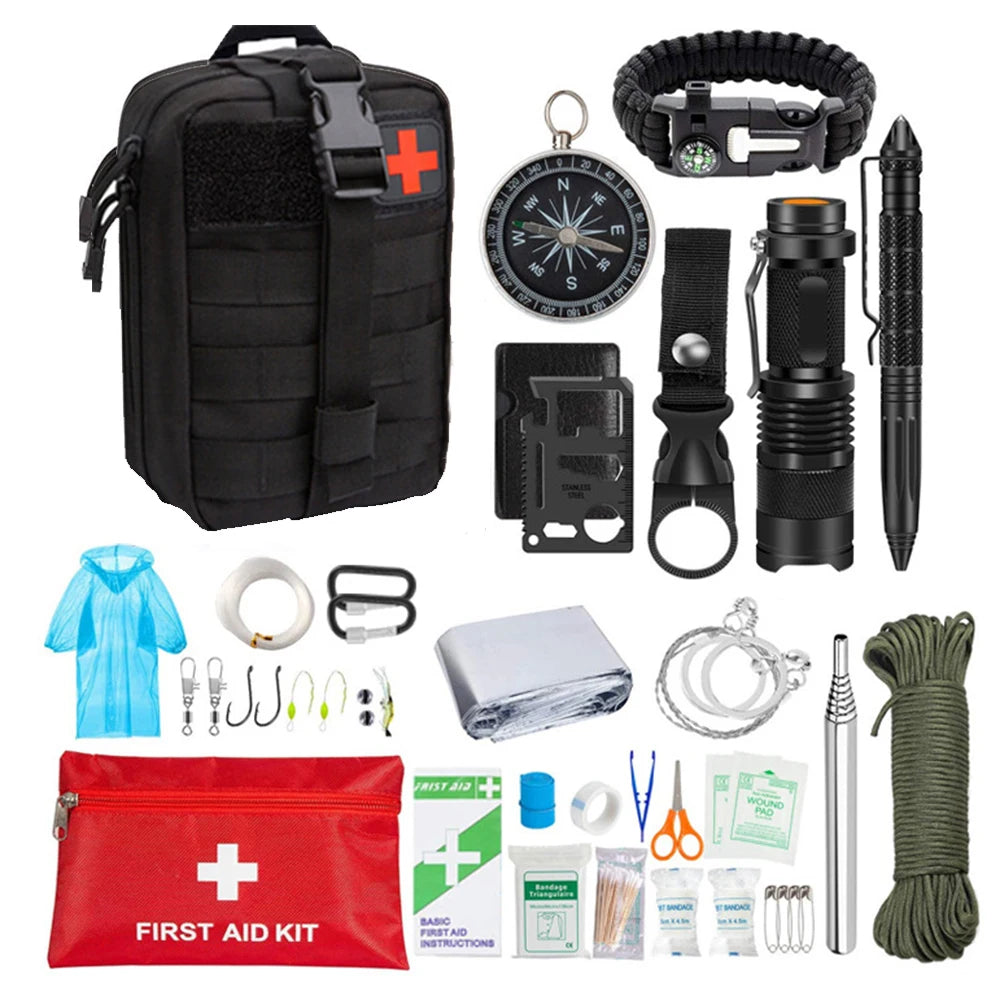
Combine compact scissors, tweezers, gloves, and a small flashlight. Many hikers also store items alongside gear from Safety, Survival & Emergency for full trail readiness.
- Medical scissors
- Fine-tip tweezers
- Disposable gloves
- Mini flashlight or headlamp
💡 See it in action
Related Articles:
- First Aid Kit Hiking Checklist: Don't Miss These Essentials
- How To Create A Backpacking First Aid Kit List That Works
- How To Organize A Portable First Aid Kit For Fast Access
- Build A First Aid Kit For Hiking List In 7 Easy Steps
Pillar Articles:





