

How To Organize A Portable First Aid Kit For Fast Access
How do you organize a portable first aid kit for fast access?
A portable first aid kit should be organized by injury type using labeled compartments or pouches, keeping high-priority items like bandages, antiseptics, and trauma tools immediately accessible. This structure reduces response time, improves safety during outdoor emergencies, and ensures you can act quickly when seconds matter most.
How To Organize A Portable First Aid Kit For Fast Access
Portable first aid kit organization can make the difference between calm control and chaotic searching during an emergency. Whether you're hiking, camping, or traveling with family, knowing exactly where your supplies are saves time and reduces stress. These practical strategies help you respond faster, stay prepared, and handle injuries confidently wherever your adventure takes you.
⏱ 6 min read
Ever had to dig through a messy bag while someone’s waiting for help? That moment matters. The way you organize your portable first aid kit directly affects how quickly you can respond—and how confident you feel doing it.
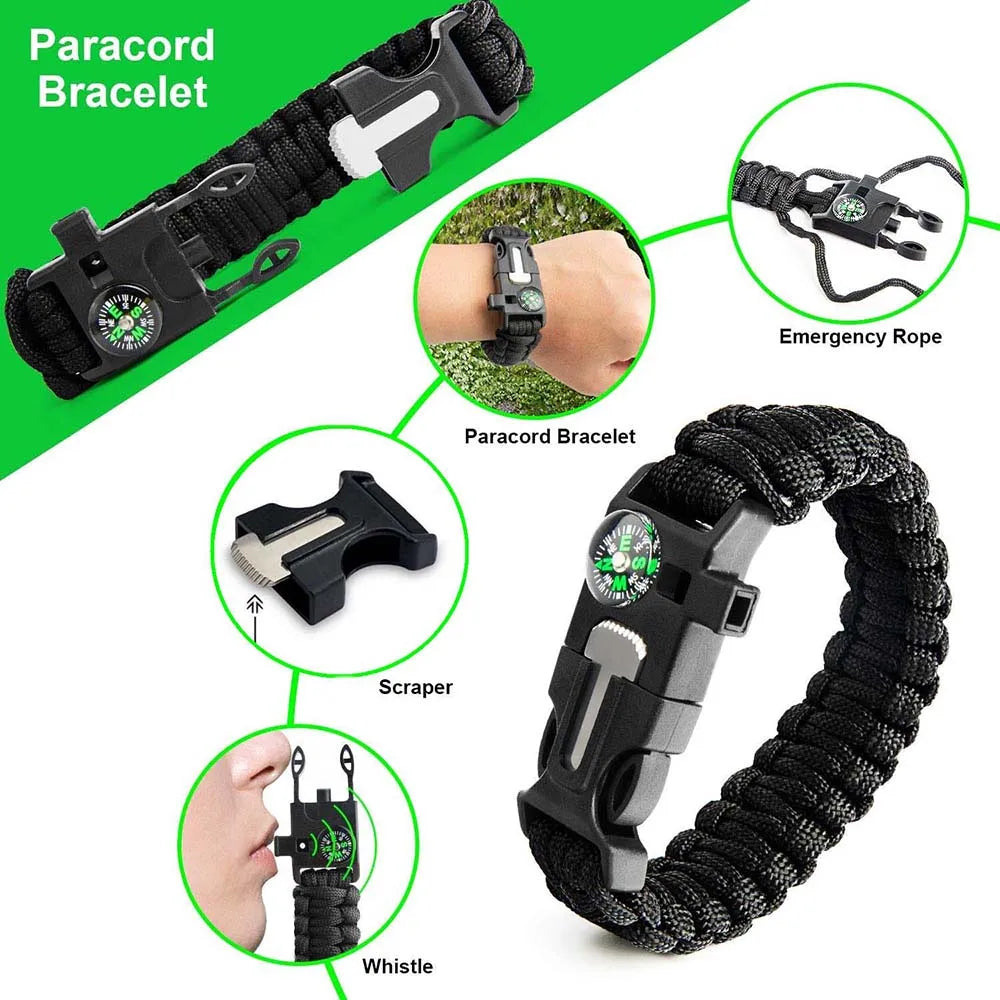
💡 See it in action
Why Smart Organization Improves Emergency Response
A well-organized portable first aid kit eliminates hesitation. Instead of searching, you act immediately.
- Reduces response time during injuries
- Prevents contamination from disorganized supplies
- Helps others assist you quickly if needed
- Supports better trauma response for outdoor family activities
Outdoor environments are unpredictable. From minor cuts to sudden sprains, your setup determines how smoothly you handle the situation.
Pair your kit with gear from Safety, Survival & Emergency to stay fully prepared across different conditions.
Step-by-Step Portable First Aid Kit Organization
-
Empty and audit supplies
Remove expired or unnecessary items. Focus on essentials for your trip type. -
Categorize by use
Group items into bleeding control, cleaning, medication, and tools. -
Use separate compartments
Organize using pouches from Gear Organizers & Pouches for clarity. -
Prioritize accessibility
Keep high-use items at the top or outer pockets. -
Label clearly
Use simple tags or color coding for quick identification. -
Test your setup
Practice locating items quickly under pressure.
This method transforms your kit into a reliable system instead of a cluttered bag.
Best Ways to Group Supplies for Faster Access
Different grouping strategies work depending on your environment and group size.
Injury-Based Organization
- Bleeding: gauze, bandages, gloves
- Burns: burn gel, dressings
- Sprains: wraps, compression bandages
Function-Based Organization
- Cleaning: wipes, antiseptics
- Treatment: creams, medications
- Tools: scissors, tweezers
Speed-Zone Layout
- Top layer: critical items
- Middle: secondary supplies
- Bottom: backups
Using waterproof storage from Waterproof & Dry Bags protects supplies in unpredictable weather.
Build a Family Friendly Survival First Aid Kit for Travel
Traveling with family means planning for different needs and comfort levels.
- Add child-safe medications
- Include allergy treatments
- Pack extra bandages and wipes
- Store emergency contacts inside the kit
Keep your kit easily accessible inside bags from Lightweight Daypacks or car storage systems from Car Organizers & Storage.
Many travelers report that structured kits reduce panic during minor emergencies, especially with kids involved.
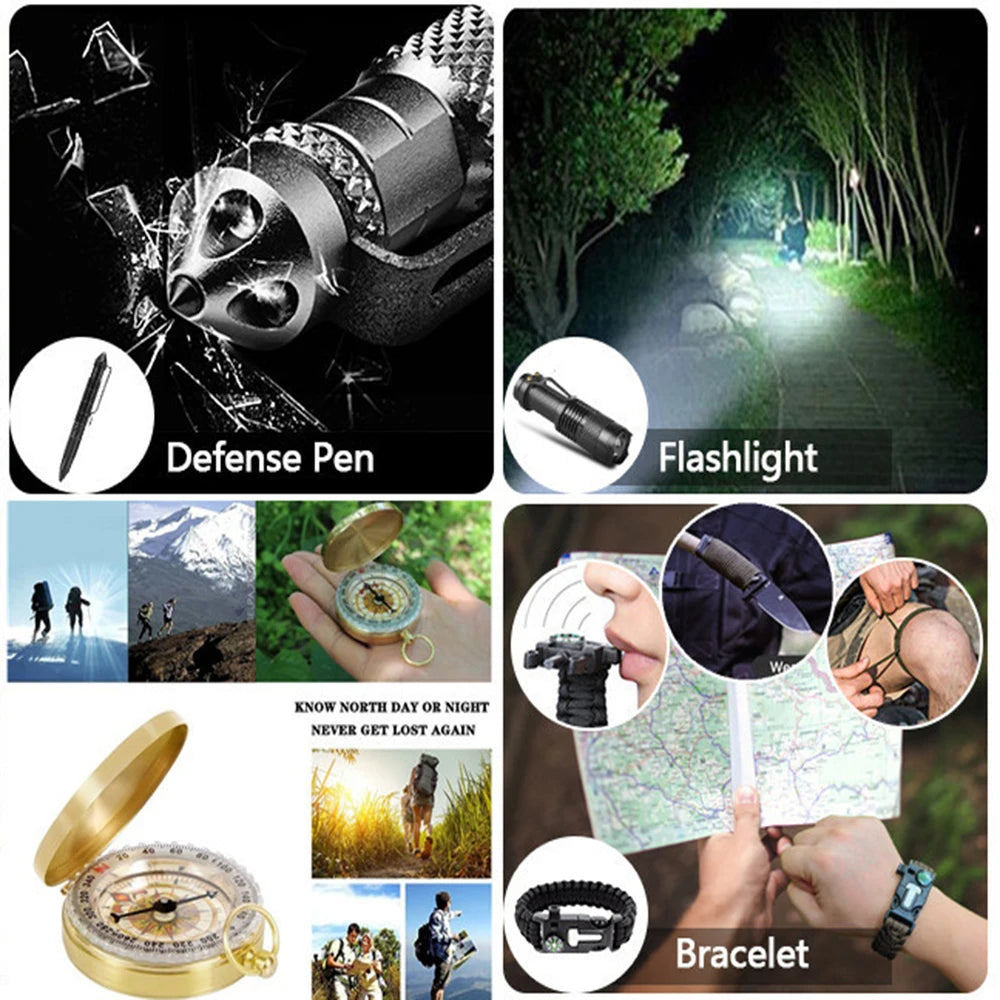
💡 See it in action
How to Handle Injuries on Outdoor Trips Efficiently
Knowing how to respond is just as important as having the right supplies.
- Stop bleeding first – apply pressure immediately
- Clean the wound – prevent infection
- Stabilize injuries – use wraps or splints
- Monitor condition – watch for worsening symptoms
Lighting matters in emergencies. Use gear from Headlamps & Wearable Lights to maintain visibility at night.
Organization Methods Comparison
| Method | Best For | Speed | Ease of Use |
|---|---|---|---|
| Injury-Based | Emergency response | Fast | High |
| Function-Based | General use | Moderate | High |
| Speed-Zone | Quick access setups | Very Fast | Moderate |
Quick Packing Checklist
- Adhesive bandages (various sizes)
- Gauze pads and rolls
- Antiseptic wipes
- Medical tape
- Scissors and tweezers
- Disposable gloves
- Pain relief medication
- Emergency blanket
Store backup supplies in containers from Camping Storage & Boxes for extended trips.
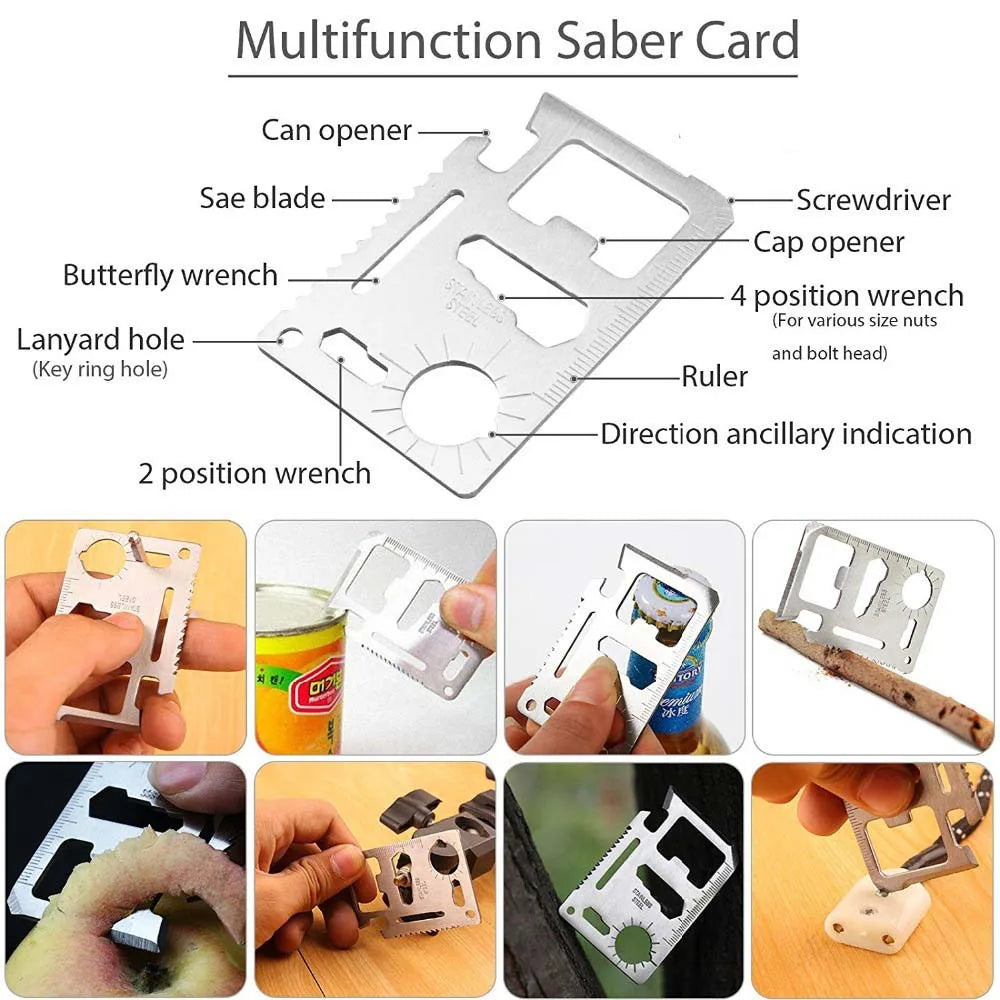
💡 See it in action
Why This Portable First Aid Kit Makes Outdoor Safety Easier
A portable first aid kit designed with smart compartments and durable materials ensures fast access to critical supplies when every second counts. It supports efficient trauma response for outdoor family activities, reduces stress during emergencies, and helps you handle injuries confidently on any trip.
- Compact and travel-ready design
- Pre-organized compartments
- Durable for outdoor conditions
- Ideal for families and solo adventurers
👉 Get yours now before your next trip! View portable first aid kit
FAQ
What should a portable first aid kit include?
A portable first aid kit should include bandages, antiseptics, gauze, medical tape, gloves, tools, and basic medications. Tailor it to your activity and group size.
How do I keep my first aid kit organized long-term?
Regularly check supplies, replace used items, and maintain your category system. Keep labels clear and avoid overpacking.
Is a portable first aid kit necessary for short trips?
Yes. Even short outings can lead to unexpected injuries. A compact kit ensures you're prepared without adding bulk.
What’s the best way to carry a first aid kit outdoors?
Use lightweight daypacks or attach it to gear using clips. Ensure it’s always accessible, not buried under other items.
How often should I update my kit?
Check your kit before every trip and fully review it every 3–6 months to ensure everything is usable and complete.
Pillar Article: Backpacking First Aid Kit Contents: How To Pack Smart
Other Related Articles:
- First Aid Kit Hiking Checklist: Don't Miss These Essentials
- How To Create A Backpacking First Aid Kit List That Works
- Build A First Aid Kit For Hiking List In 7 Easy Steps
Explore More:





