

Build A First Aid Kit For Hiking List In 7 Easy Steps
First Aid Kit Hiking Checklist: Don't Miss These Essentials
What is a first aid kit hiking checklist and why does it matter?
A first aid kit hiking checklist is a structured list of medical and safety essentials designed to help hikers prepare for injuries and emergencies on the trail. It ensures you don’t forget critical supplies like bandages, antiseptics, or tools for wound care. Having it improves response time and reduces risk when dealing with minor injuries or unexpected wilderness situations.
⏱ 7 min read — Ever started a hike and suddenly wondered, “Did I pack everything I might need if something goes wrong?” From small cuts to unexpected sprains, the outdoors can be unpredictable. This guide walks you through a complete checklist so you can stay confident, prepared, and focused on the adventure instead of worrying about missing essentials.
Be ready for every trail situation with smart, compact safety essentials designed for real outdoor conditions.
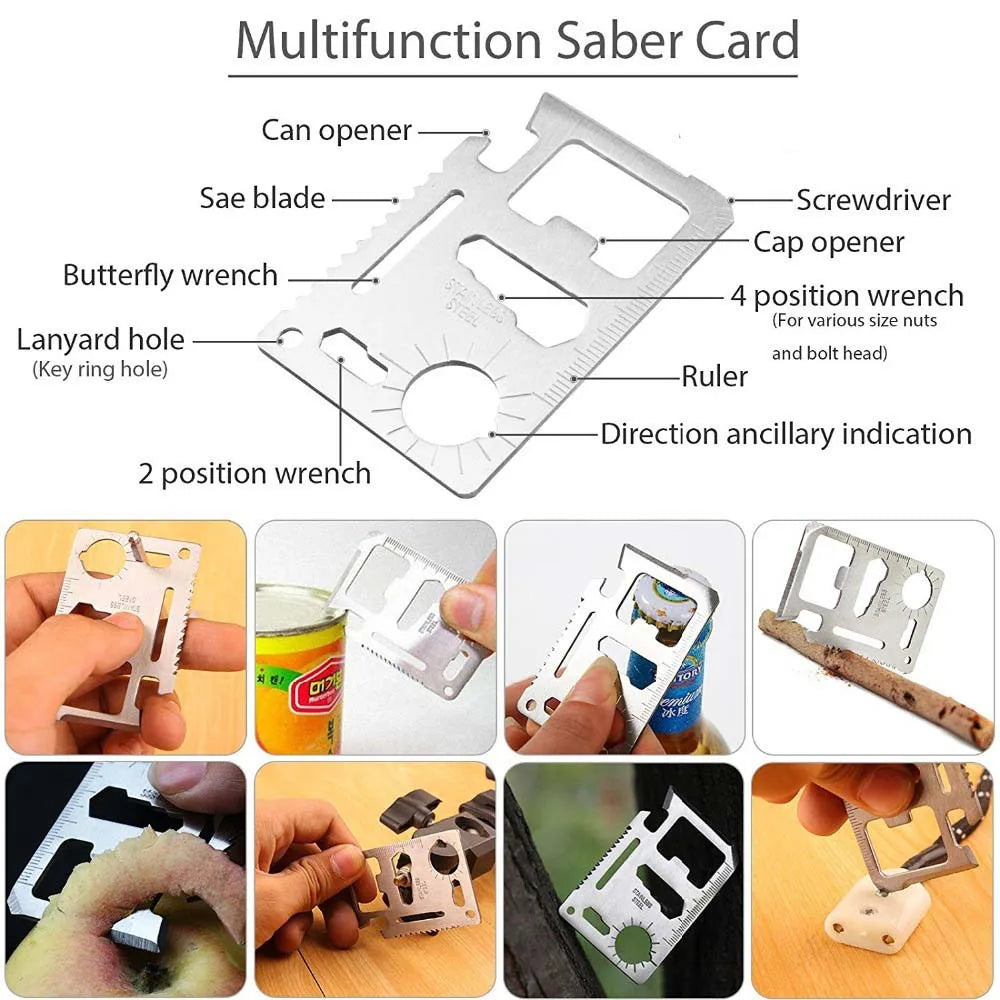
💡 See it in action outdoors
Why a hiking first aid checklist matters for every outdoor trip
When you’re deep on a trail, help isn’t instantly available. A well-prepared first aid kit hiking checklist bridges the gap between a small issue and a serious emergency. It ensures you can manage wounds, stabilize injuries, and stay calm until professional help is reachable.
Even experienced hikers underestimate how quickly minor problems escalate. A blister can turn into infection. A slip can become a sprain. Preparation is not optional—it’s a survival habit.
- Reduces panic during unexpected injuries
- Speeds up response time on the trail
- Helps manage pain and prevent infection
- Improves safety for group and family hikes
Core essentials for your first aid kit hiking checklist
Below is a practical breakdown of what your kit should include. These items are designed for real-world trail situations, not just theory.
| Category | Essential Items | Purpose |
|---|---|---|
| Wound Care | Bandages, gauze, antiseptic wipes | Treat cuts, scrapes, and prevent infection |
| Injury Support | Elastic bandage, splint strips | Support sprains and minor fractures |
| Medication | Pain relievers, antihistamines | Manage pain and allergic reactions |
| Tools | Scissors, tweezers, gloves | Safe and precise treatment |
For a ready-made option, consider checking the First Aid Kits collection, which includes compact, trail-ready kits designed for hikers and travelers.
Pick smarter equipment that improves safety, comfort, and confidence on every outdoor trip.
Step-by-step outdoor first aid instructions for common hiking injuries
Understanding how to respond is just as important as what you carry. These simple steps help you manage the most common trail injuries safely.
- Assess the situation: Check for danger before approaching or treating an injury.
- Stop bleeding: Apply pressure using clean gauze or cloth.
- Clean the wound: Use antiseptic wipes to prevent infection.
- Secure dressing: Wrap bandages firmly but not too tight.
- Monitor condition: Watch for swelling, dizziness, or worsening pain.
These step by step outdoor first aid instructions are especially useful when dealing with minor injuries on camping trips where medical help is far away.
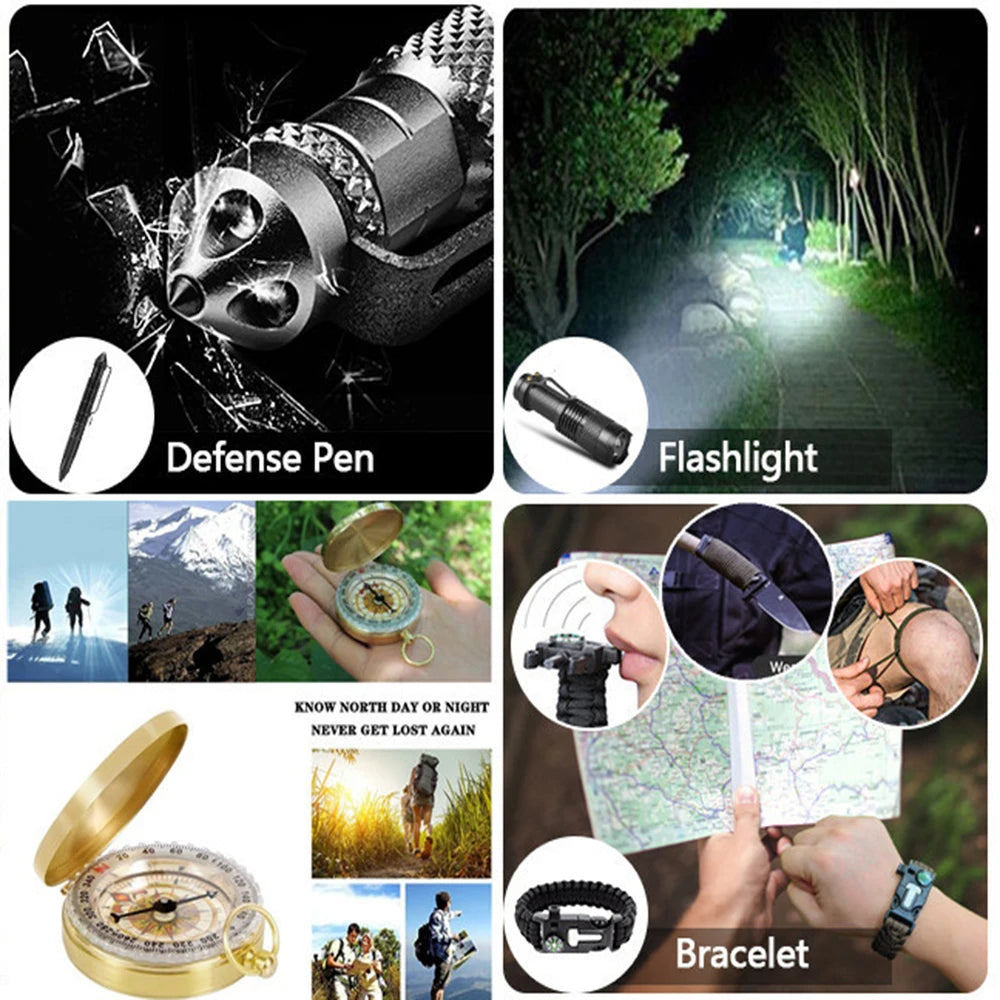
💡 See it in action outdoors
Common mistakes when packing a hiking first aid kit
Even experienced hikers make avoidable mistakes when assembling their kit. These errors often lead to frustration or unsafe situations on the trail.
- Carrying bulky or outdated supplies
- Ignoring waterproof packaging for medications
- Forgetting personal prescriptions or allergy meds
- Not tailoring kit for group or family size
Instead of overpacking, focus on lightweight essentials that cover most emergency scenarios. Pair your kit with items from Backpacking & Carry solutions to keep everything organized and accessible.
Safety concerns during wilderness family outings
Family hikes introduce extra safety responsibilities. Children are more likely to get scrapes, insect bites, or fatigue-related issues. A solid first aid kit hiking checklist ensures you’re prepared for these situations without cutting the trip short.
Key considerations for families:
- Include child-friendly bandages and medications
- Pack extra hydration support items
- Bring cooling pads for overheating
- Keep emergency contact information accessible
For group trips, explore Family Outdoor Essentials to make safety and comfort easier to manage.
How to organize your hiking first aid kit for fast access
Speed matters in emergencies. A disorganized kit can waste precious minutes. Organizing your supplies correctly ensures quick response when every second counts.
- Use labeled pouches for categories
- Keep frequently used items on top
- Separate medications from tools
- Use waterproof storage for sensitive items
Pair your setup with Gear Organizers & Pouches to keep everything compact and easy to locate even in low-light conditions.
Real hikers’ insights: why preparation changes everything
Many hikers report that having a proper kit turned stressful moments into manageable ones. One traveler shared how a simple bandage kit prevented a group hike from ending early after a minor ankle scrape. Another noted how allergy medication saved a trip when insect exposure triggered a reaction.
These experiences highlight one truth: preparation builds confidence and keeps adventures going.
Before you go: final packing mindset for safety
Think of your hiking first aid kit as essential as water or navigation tools. It’s not optional gear—it’s a core part of responsible outdoor planning. Review your first aid kit hiking checklist before every trip and adjust based on terrain, weather, and group size.
For added protection in unpredictable conditions, explore Safety, Survival & Emergency Gear for backup tools that complement your kit.
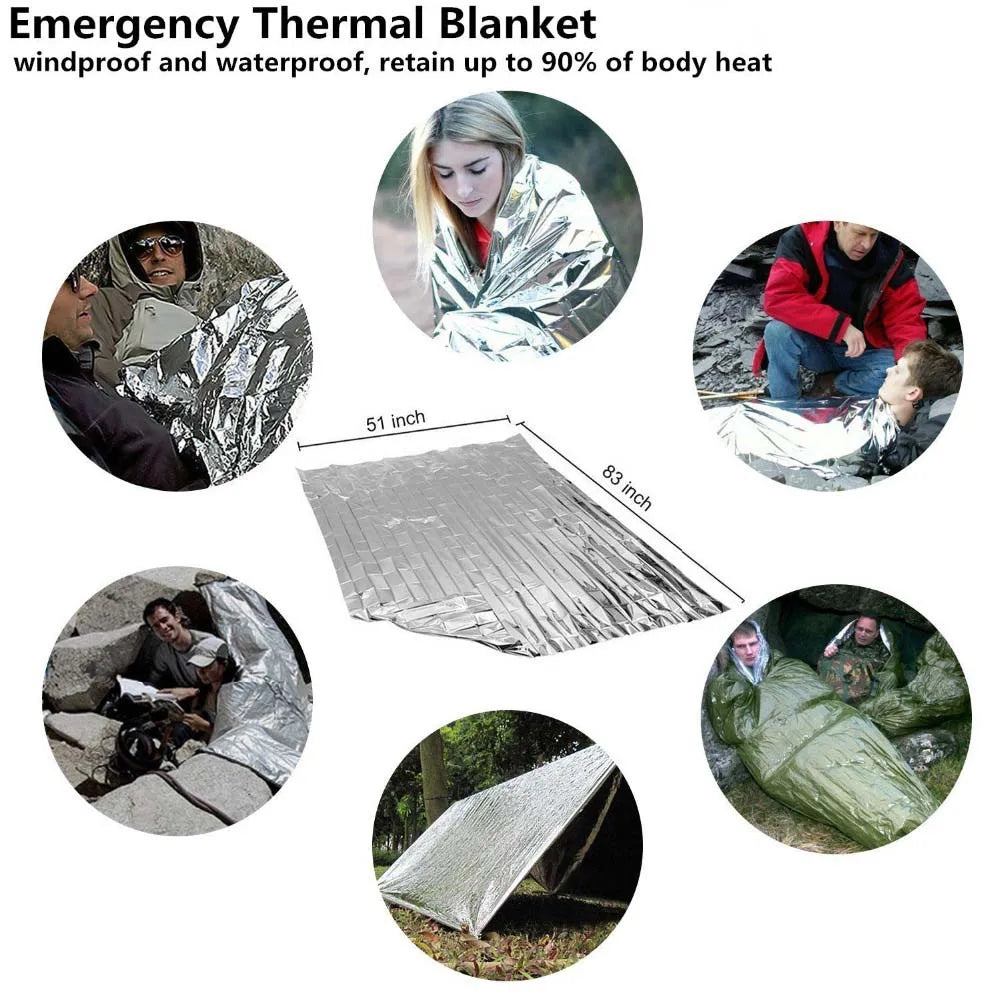
💡 See it in action outdoors
Equip yourself with a complete safety setup so you can hike with confidence anywhere.
FAQ: First Aid Kit Hiking Checklist
What should always be in a hiking first aid kit?
At minimum, include bandages, antiseptic wipes, pain relievers, gloves, tweezers, and elastic wraps. These basics handle most minor trail injuries effectively.
How often should I update my first aid kit?
Check your kit before every trip and replace expired medications or used supplies immediately after returning from hikes.
Is a pre-made kit enough for hiking?
Pre-made kits are a great start, but they should be customized based on your trip length, environment, and group size for full safety coverage.
How do I prevent injuries while hiking?
Wear proper footwear, stay hydrated, pace yourself, and always follow marked trails to reduce risk of slips, falls, and fatigue-related accidents.
Pillar Article: Backpacking First Aid Kit Contents: How To Pack Smart
Other Related Articles:
- First Aid Kit Hiking Checklist: Don't Miss These Essentials
- How To Create A Backpacking First Aid Kit List That Works
- How To Organize A Portable First Aid Kit For Fast Access
Explore More:





