

Best First Aid Kits For Survival Features That Matter Most
Are the best first aid kits for survival worth it?
The best first aid kits for survival are designed to handle real emergencies beyond basic cuts and scrapes. They include trauma supplies, durable materials, and survival tools that improve response time, reduce risk, and help you stay prepared in remote environments where professional medical help may be hours away.
Best First Aid Kits For Survival Features That Matter Most
The best first aid kits for survival can be a lifesaver when hiking, camping, or facing emergencies, offering features that separate a durable outdoor first aid kit for emergencies from a standard one. From comparing a survival first aid kit vs standard kit to discovering the best survival first aid kit for hikers, this complete guide to choosing outdoor first aid kits reveals which essentials you can't afford to overlook. Are you ready to uncover the hidden features that could make all the difference in a crisis?
⏱ 8 min read
You're miles into a trail, the weather turns, and someone gets injured. Do you have the right gear—or just a basic kit that barely covers the situation?
Many outdoor enthusiasts underestimate how quickly a small issue can escalate. A blister becomes infected. A minor cut becomes a serious wound. A twisted ankle turns into a survival situation.
That’s why choosing the best first aid kits for survival isn’t optional—it’s essential.
💡 See it in action
Why Survival Kits Matter More Than Standard Kits
The difference between a survival kit and a standard first aid kit is not just size—it’s capability.
Standard kits are built for convenience. Survival kits are built for unpredictability.
- Standard kits focus on minor injuries
- Survival kits prepare for critical emergencies
- Standard kits assume help is nearby
- Survival kits assume you’re on your own
In outdoor environments, that difference can determine whether a situation stays manageable—or becomes life-threatening.
What gear actually makes camping safer?
It’s not about carrying more—it’s about carrying smarter. Combining a survival kit with essentials like Personal Water Filters and Emergency Lighting ensures you're ready for both injury and environment challenges.
Key Features That Make a Real Difference
The best first aid kits for survival include specialized features designed for real-world emergencies.
1. Trauma-Level Medical Supplies
- Tourniquets for severe bleeding
- Compression bandages
- Hemostatic gauze
- Emergency dressings
These aren’t found in basic kits—but they’re critical when seconds matter.
2. Rugged, Weatherproof Design
A durable outdoor first aid kit for emergencies must survive:
- Rain and moisture
- Rough handling
- Extreme temperatures
Pairing your kit with Waterproof & Dry Bags adds another layer of protection.
3. Compact Yet Organized Layout
Quick access saves time. Look for kits with labeled compartments and modular sections.
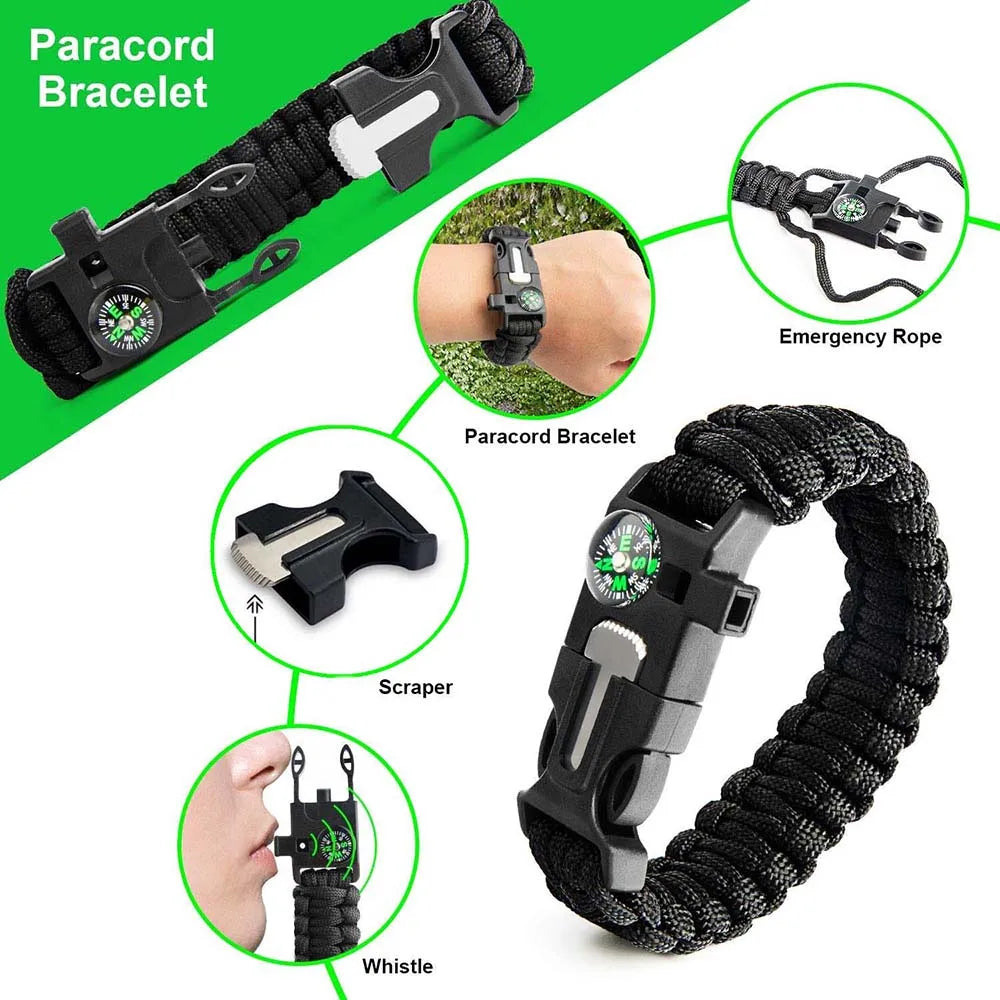
4. Integrated Survival Tools
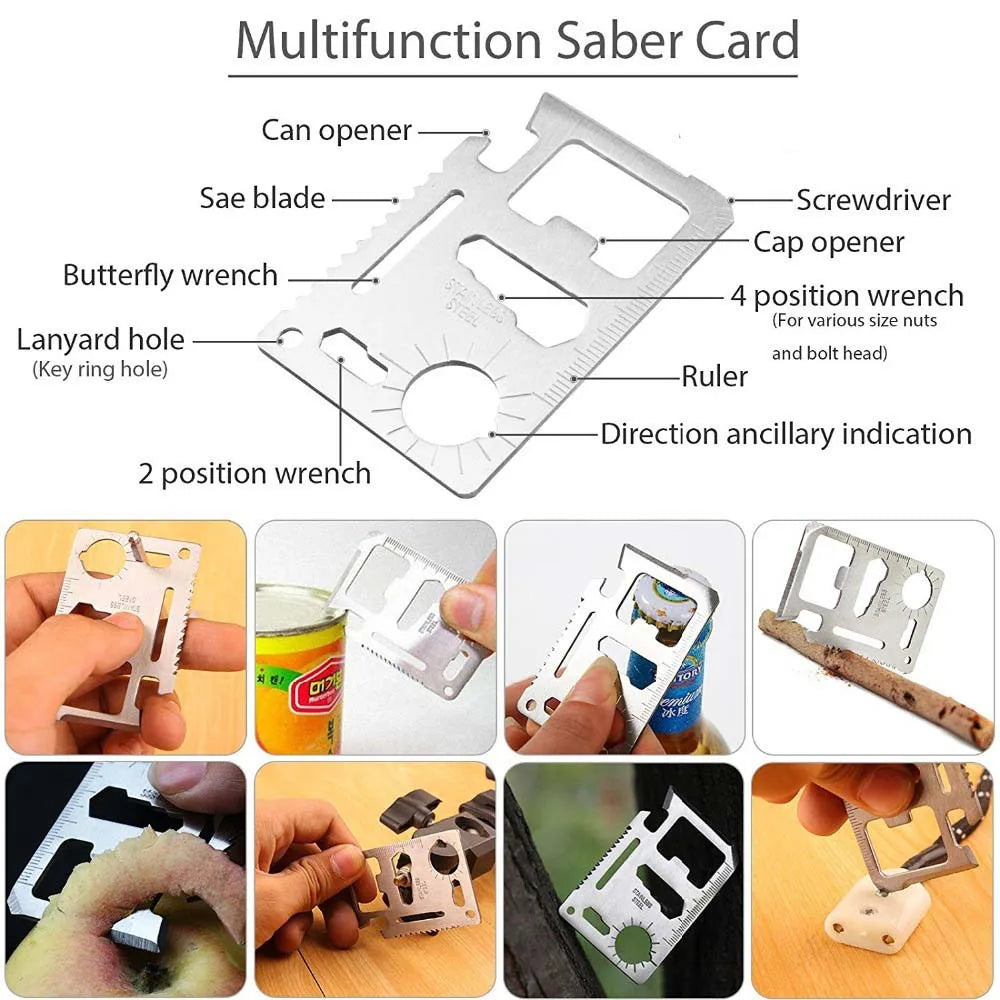
- Multi-tool or knife
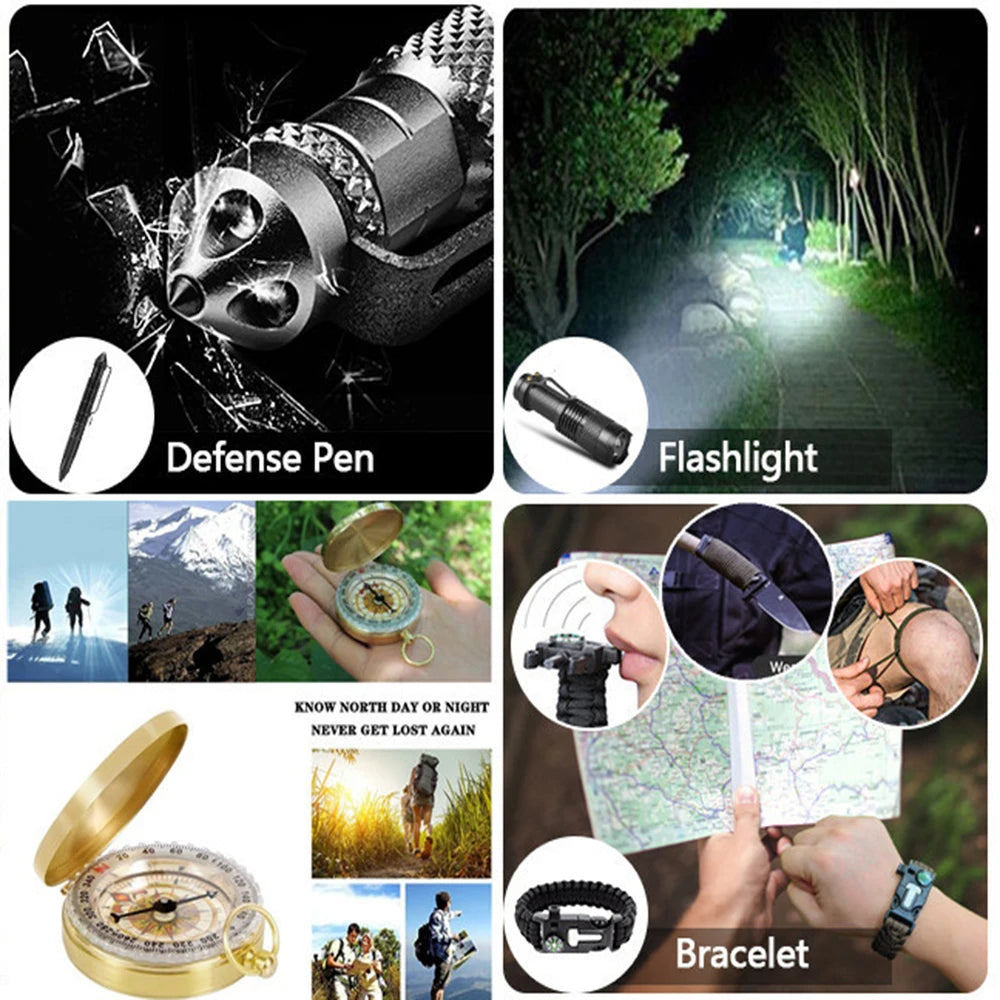
- Emergency whistle
- Fire starter
- Thermal blanket
These additions transform a kit from medical-only into a complete survival solution.
Survival First Aid Kit vs Standard Kit
| Feature | Survival Kit | Standard Kit |
|---|---|---|
| Trauma Supplies | Advanced | Basic |
| Durability | Rugged & weatherproof | Light-duty |
| Tools Included | Yes (multi-use) | No |
| Use Case | Remote emergencies | Everyday injuries |
This comparison highlights why serious adventurers never rely on standard kits alone.
How the Best Survival First Aid Kit for Hikers Improves Safety
When you're hiking, you're exposed to unpredictable terrain, weather, and distance from help.
A survival-focused kit helps you:
- Respond immediately to injuries
- Stabilize conditions until help arrives
- Handle unexpected overnight situations
- Reduce panic with structured tools
Pair your kit with Lightweight Daypacks so it’s always within reach.
Hikers consistently report greater confidence when carrying a well-equipped kit, especially in remote areas.
Must-Have Items You Should Never Skip
- Tourniquet
- Emergency blanket
- Antiseptic wipes
- Elastic bandages
- Medical gloves
- Whistle
- Compact flashlight
Combine these with tools from Multi-tools & Knives for added versatility.
💡 See it in action
Real-World Benefits in Outdoor Emergencies
Imagine slipping on wet rocks during a hike. With a standard kit, you might clean the wound.
With a survival kit, you can:
- Stop bleeding effectively
- Protect against infection
- Stabilize the injury
- Signal for help
That difference isn’t theoretical—it’s practical.
Outdoor users often share stories of how having the right kit prevented situations from worsening.
Adding backup gear like Portable Power Banks ensures you can call for help when needed.
Complete Guide to Choosing Outdoor First Aid Kits
Choosing the right kit comes down to your environment and activity.
Consider Your Activity
- Day hiking → lightweight kits
- Backpacking → compact but comprehensive
- Car camping → larger kits with extras
Check Capacity and Coverage
Does it support solo use or group emergencies?
Evaluate Durability
Look for reinforced cases and waterproof materials.
Look for Expandability
Can you add extra supplies easily?
Storage solutions like Gear Organizers & Pouches help customize your setup.
Balance Weight vs Function
Don’t sacrifice essential tools for minimal weight.
What Makes This Kit Stand Out?
The best first aid kits for survival stand out by combining medical readiness with survival tools, offering durability, portability, and multi-scenario usefulness. They outperform standard kits by handling serious injuries, environmental challenges, and extended outdoor situations—all in one compact system.
- All-in-one emergency readiness
- Compact and easy to carry
- Designed for real outdoor conditions
- Trusted by hikers and campers
💡 See it in action
FAQ
What is the difference between a survival first aid kit vs standard kit?
A survival kit includes advanced medical supplies and tools for emergencies, while standard kits focus on minor injuries and everyday use.
What is the best survival first aid kit for hikers?
The best option combines lightweight design, trauma supplies, and essential survival tools to handle injuries and environmental challenges.
Are survival kits necessary for short trips?
Yes. Even short trips can turn unpredictable. A compact survival kit ensures you're prepared for unexpected situations.
How often should I check my first aid kit?
Inspect it every few months to replace expired items and ensure everything is functional.
Can I customize my first aid kit?
Absolutely. Adding personal medications and extra supplies improves readiness for your specific needs.
Being prepared isn’t about fear—it’s about confidence. With the right tools, every outdoor experience becomes safer, smoother, and more enjoyable.
Related Articles:
- Outdoor Survival Pack Features Every Serious Adventurer Needs
- Why A First Aid Kit Backcountry Setup Can Save Critical Time
Pillar Articles:





