

Outdoor Survival Pack Features Every Serious Adventurer Needs
Does a mini first aid kit really protect you on outdoor trips?
A mini first aid kit can handle most common outdoor injuries like cuts, scrapes, blisters, and minor burns, making it highly useful for short trips and travel. A well-packed mini first aid kit offers fast access to essentials, but it may not fully replace a larger kit in severe emergencies or extended expeditions.
Mini First Aid Kit Review: Can Something This Small Protect You?
⏱ 6 min read
Packing for a hike or road trip often comes with a familiar dilemma: what do you bring when space is limited but safety still matters? Have you ever wondered if a mini first aid kit is actually enough when something goes wrong outdoors? This review breaks down real-world performance, usability, and limits of compact emergency kits so you can decide with confidence before your next adventure.
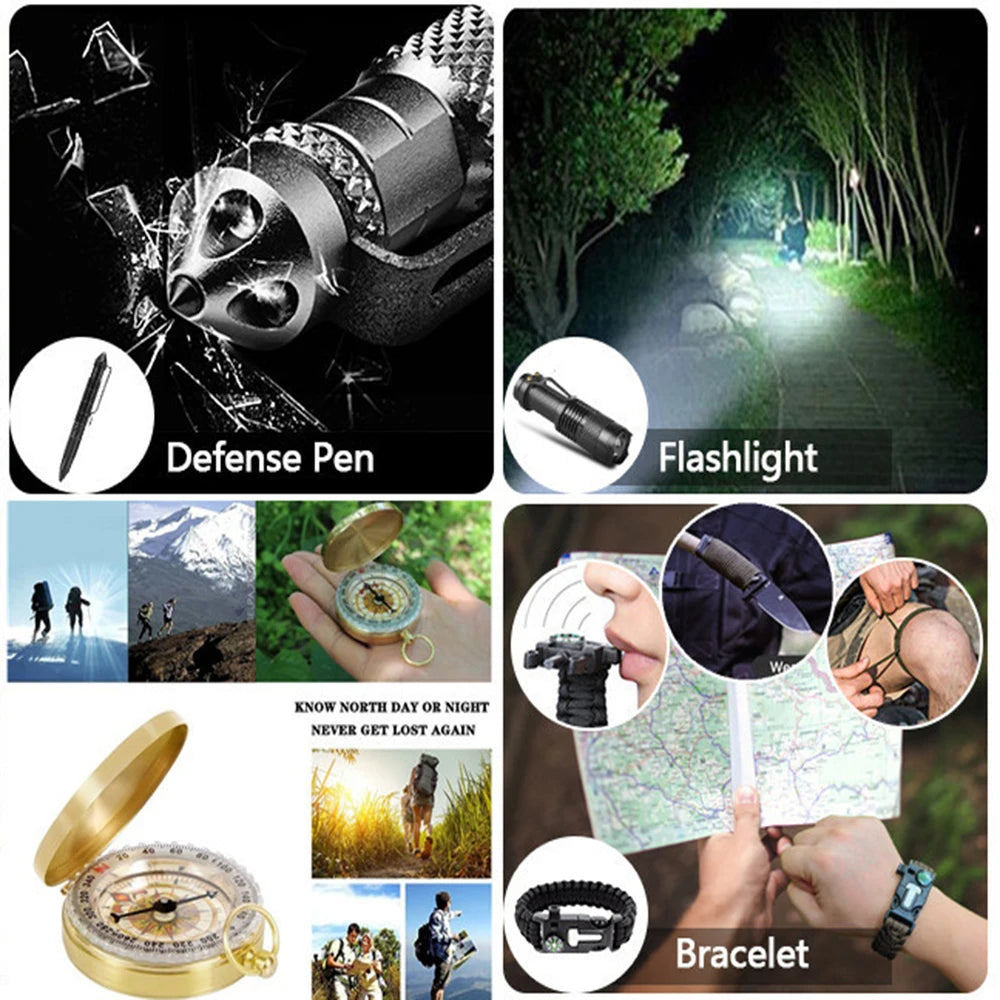
💡 See it in action outdoors
👉 Discover must-have camping gear that keeps you prepared without adding bulk.
From weekend hikes to family road trips, compact safety gear is becoming essential. A mini kit promises convenience—but does it truly deliver when you’re miles away from help?
What is a mini first aid kit?
A mini first aid kit is a compact emergency solution designed for portability and quick access. It typically includes essentials like bandages, antiseptic wipes, gauze, and small tools for treating minor injuries during travel or outdoor activities. It prioritizes space-saving design while covering common everyday incidents.
- Lightweight and travel-friendly design
- Basic wound care essentials
- Easy to store in backpacks or cars
- Fast access during emergencies
For travelers and hikers, pairing compact gear with organized storage from Gear Organizers & Pouches can improve response speed during unexpected situations.
What’s inside a compact emergency kit?
Most mini kits include a curated selection of items focused on treating small but common injuries. While contents vary, the goal is always the same: stabilize minor issues until proper care is available.
| Category | Typical Contents | Purpose |
|---|---|---|
| Wound Care | Bandages, gauze, antiseptic wipes | Stop bleeding and prevent infection |
| Protection | Gloves, masks | Reduce contamination risk |
| Tools | Tweezers, scissors | Remove debris and cut materials |
| Support | Pain relief pads, blister patches | Improve comfort during travel |
Many travelers upgrade their setup by exploring First Aid Kits for more complete coverage during longer trips.
Is a mini first aid kit enough for outdoor trips?
A mini first aid kit is sufficient for short hikes, city travel, and light outdoor activities. It performs best in predictable environments where serious injury risk is low. However, it may not be enough for remote trekking or multi-day camping where advanced supplies are required.
- Best for: day hikes, road trips, urban travel
- Limited for: wilderness expeditions, multi-day camping
- Strength: fast response for minor injuries
- Weakness: limited advanced medical tools
👉 Learn how to choose the right hiking gear for different outdoor conditions.
How to handle injuries on outdoor trips
Outdoor injuries can happen unexpectedly, even on well-planned trips. Knowing how to respond quickly can make a big difference in comfort and safety while waiting for further help.
- Cuts and scrapes: Clean immediately and apply sterile dressing
- Blisters: Cover with blister pads and reduce friction
- Minor burns: Cool with clean water and protect area
- Sprains: Rest, compress, and elevate affected area
For better preparedness, many hikers combine kits with Safety, Survival & Emergency Gear to handle a wider range of scenarios.
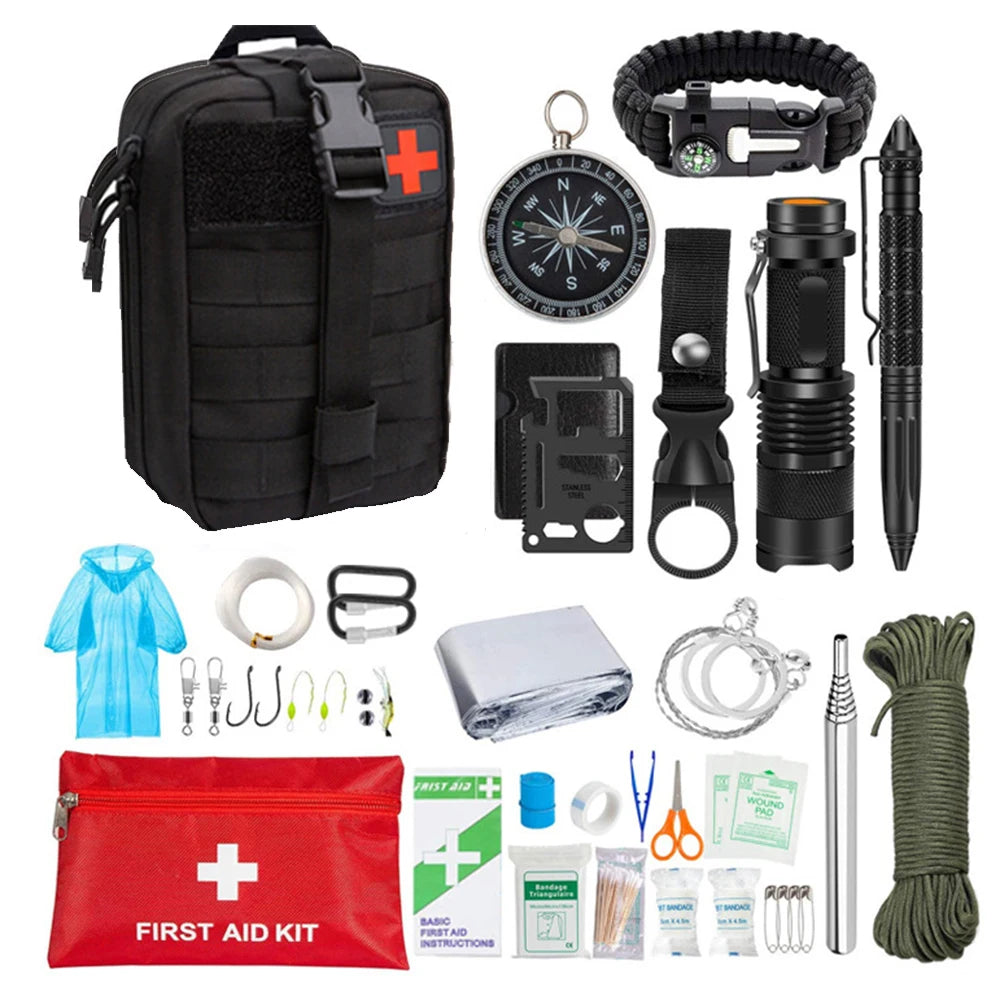
💡 See it in action outdoors
Portable first aid kit organization tips
Even the best kit becomes less effective if it’s disorganized. Smart packing ensures you can find what you need in seconds, not minutes.
- Group items by injury type (wounds, tools, protection)
- Use waterproof pouches for hygiene items
- Place frequently used items on top layers
- Restock after every trip immediately
For structured packing, Gear Organizers & Pouches help keep everything visible and accessible during emergencies.
Mini kit vs family friendly survival first aid kit for travel
A mini kit focuses on speed and portability, while a family-friendly survival kit is designed for broader coverage and group safety. Choosing between them depends on trip length, group size, and risk level.
| Feature | Mini First Aid Kit | Family Travel Survival Kit |
|---|---|---|
| Size | Very compact | Larger, multi-person |
| Coverage | Basic injuries | Expanded emergency care |
| Best Use | Solo or short trips | Family camping or road trips |
| Portability | High | Moderate |
Families often prefer solutions from Family, Kids & Group Outdoor for more complete trip readiness.
Real outdoor user experiences
Many travelers report that mini kits are surprisingly effective for everyday mishaps. One hiker shared that a simple blister patch saved a multi-hour trek, while another traveler used antiseptic wipes and bandages after a minor fall during a road trip stop.
- “Perfect for quick fixes on day hikes.”
- “Saved my trip when my kid scraped a knee at the park.”
- “Wish it had more tools for longer camping trips.”
These experiences highlight a consistent theme: convenience is the biggest strength, while depth of coverage depends on expectations.
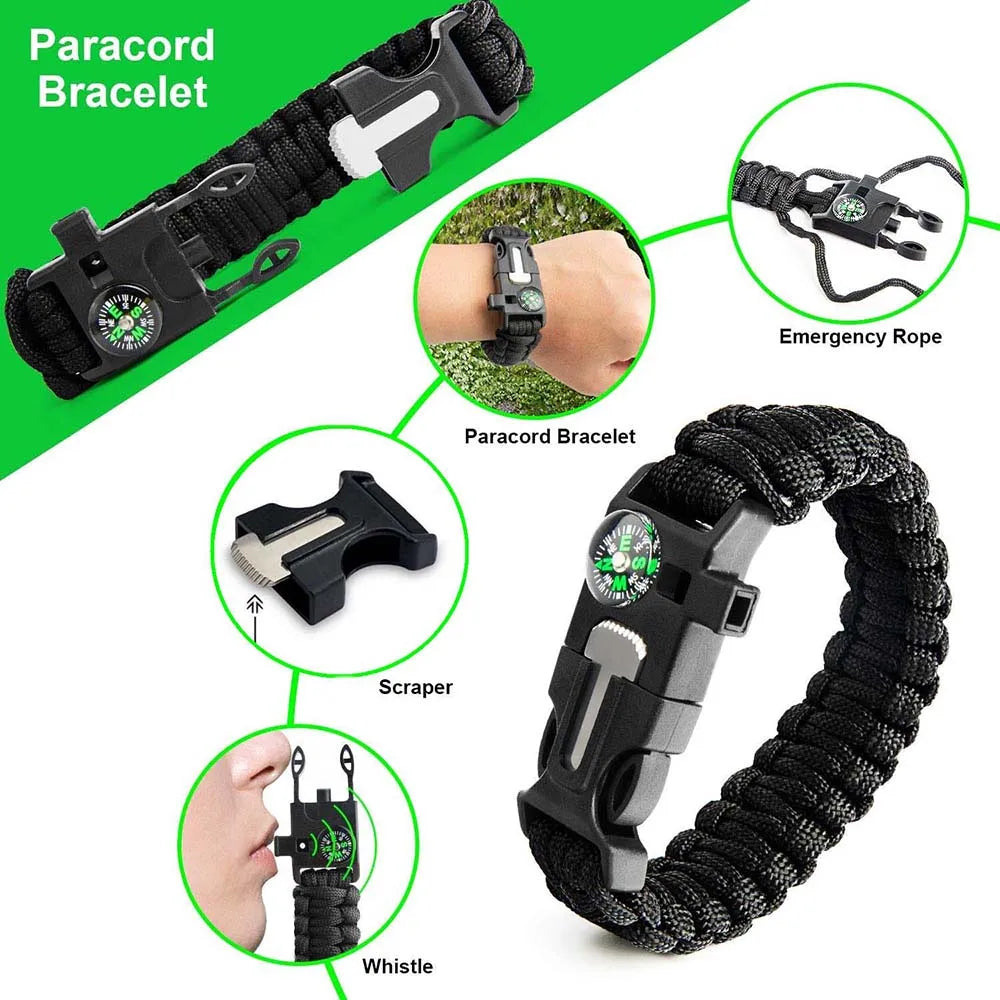
💡 See it in action outdoors
👉 Get yours now before your next trip and stay prepared for the unexpected.
What to look for before buying a mini first aid kit
Not all compact kits are built the same. Choosing the right one depends on durability, contents, and ease of use in real-world conditions.
- Water-resistant or waterproof casing
- Clearly labeled compartments
- Medical-grade supplies for wound care
- Lightweight but durable construction
Pairing your kit with items from Emergency Road Kits can further improve preparedness during travel-heavy lifestyles.
Mini First Aid Kit FAQ
Is a mini first aid kit enough for hiking?
Yes, for short hikes and minor injuries it is usually sufficient, but longer treks may require a larger kit.
What should be added to a mini kit?
Extra blister pads, pain relief tablets, and additional bandages are commonly added.
How often should I replace items?
Check and restock after every trip to ensure supplies are not expired or used up.
Can families use a mini kit?
Yes, but it is best as a backup to a more complete family travel kit for group safety.
Pillar Article: Best First Aid Kits For Survival Features That Matter Most
Other Related Articles:
Explore More:





