

Hydration Backpack For Cycling: Best Options Reviewed
Hydration Backpack For Cycling: Best Options Reviewed
Hydration backpack for cycling buyers often overlook how much pack design affects comfort, speed, and hydration consistency. This guide compares top options while covering best hydration strategies for cycling endurance, outdoor hydration tips for runners cyclists, and solutions for frequent thirst during outdoor cycling activities. Discover which features truly matter, which models deliver the best value, and the one mistake that could be costing you performance on every ride—ready to find out?
Does a hydration backpack for cycling really improve endurance?
Yes, a hydration backpack for cycling ensures hands-free, consistent fluid intake during rides. Properly designed packs reduce fatigue, prevent frequent thirst during outdoor cycling activities, and support best hydration strategies for cycling endurance. Lightweight, ergonomic packs let you ride longer, stay comfortable, and maintain peak performance.
⏱ 8 min read
Ever felt your performance drop halfway through a long trail ride because of dehydration? Or struggled to carry water bottles without discomfort? What gear actually makes cycling easier and more efficient? Choosing the right hydration backpack for cycling can solve both issues, keeping you energized and focused from start to finish.
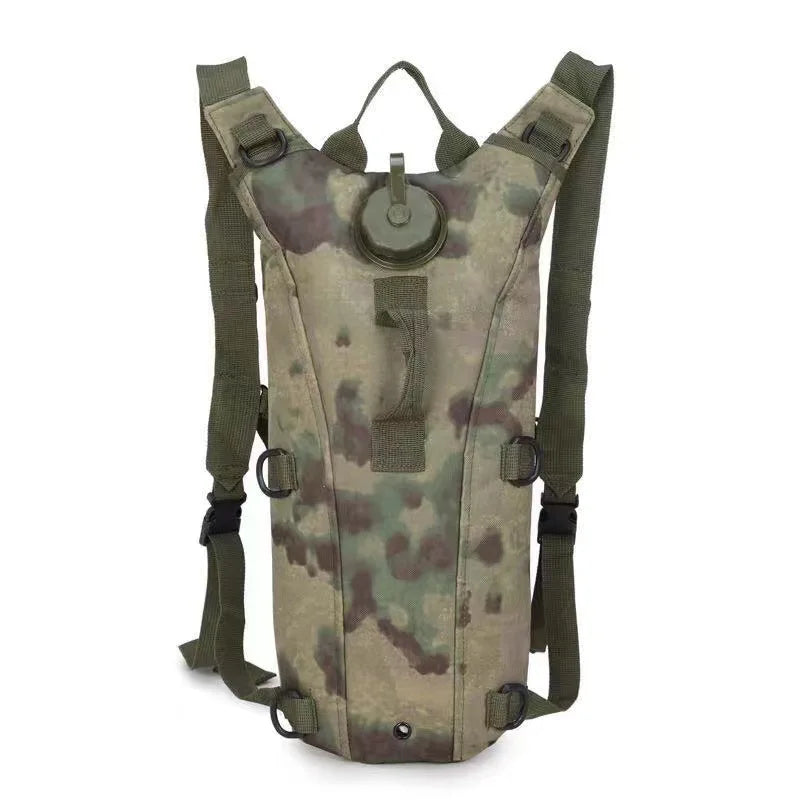
💡 See it in action
Why Hydration Backpacks Matter for Cyclists
Hydration backpacks are more than convenient water carriers—they are designed to integrate with your body motion, reduce strain, and make frequent hydration effortless. Riders experience less fatigue and fewer interruptions, which is crucial when implementing best hydration strategies for cycling endurance or addressing frequent thirst during outdoor cycling activities.
Benefits of Using a Hydration Backpack
- Hands-free drinking for safety on trails and roads.
- Even weight distribution reduces back strain and shoulder fatigue.
- Storage compartments for essentials like snacks, tools, and personal items.
- Compatibility with Hydration & Food solutions and Collapsible Water Bottles for refills on the go.
Top Features to Look For
Not all hydration backpacks are created equal. Key features can make the difference between an uncomfortable ride and an efficient, enjoyable one.
- Capacity: 1.5L to 3L reservoirs are typical for long rides.
- Fit & Adjustability: Chest and waist straps enhance stability during aggressive cycling.
- Ventilation: Mesh back panels reduce sweat buildup.
- Accessibility: Long drinking tubes with magnetic or clip-on holders keep hydration within reach.
- Storage: Small compartments for tools, snacks, and personal items support all-day rides.
- Durability: Waterproof or water-resistant materials protect contents during sudden weather changes.
Best Hydration Backpacks Reviewed
Each of the following packs has been selected for their design, comfort, and support of outdoor hydration tips for runners cyclists. Below is a side-by-side comparison:
| Model | Capacity | Best For | Pros | Cons |
|---|---|---|---|---|
| 3L Waterproof Hydration Pack | 3L | Long rides, wet conditions | Waterproof, ergonomic, multiple compartments | Heavier than minimalist packs |
| TrailBlazer 2L | 2L | Short to medium rides | Lightweight, ventilated, affordable | Limited storage space |
| EnduroPro 3L | 3L | Endurance cycling, bikepacking | Adjustable fit, high capacity, insulated tube | Pricey |
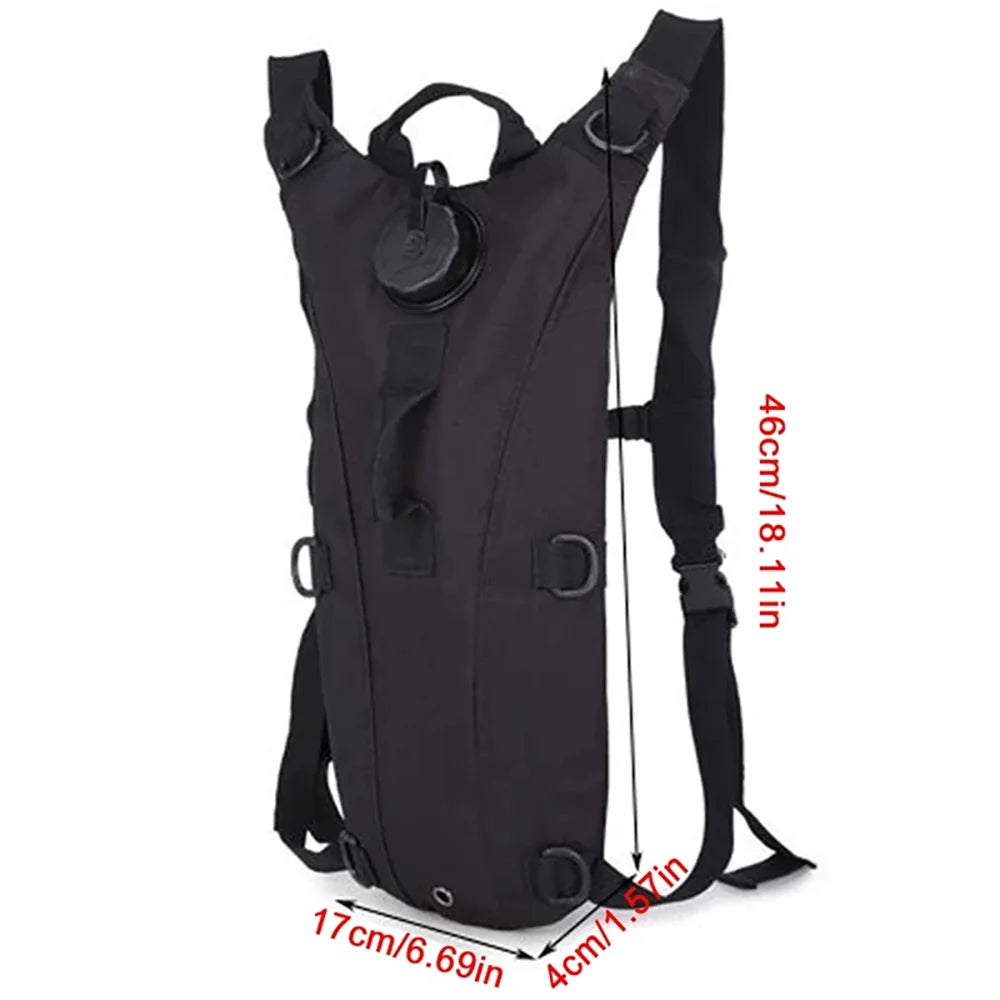
💡 See it in action
Pros and Cons Summary
- Pros: Hands-free hydration, better endurance, organized storage.
- Cons: Additional weight, learning curve for optimal fit, occasional cleaning required.
Hydration Tips for Cycling Endurance
Even the best hydration backpack for cycling won’t help if hydration strategies are poor. Follow these tips:
- Drink small amounts regularly rather than large volumes infrequently.
- Pre-hydrate before long rides.
- Incorporate electrolytes during endurance sessions to prevent cramping.
- Use insulated reservoirs or tubes to maintain water temperature.
- Carry easy-access snacks to maintain energy levels.
Pair your hydration backpack with Insulated Food Containers and Food Storage Bags & Containers for a complete endurance solution.
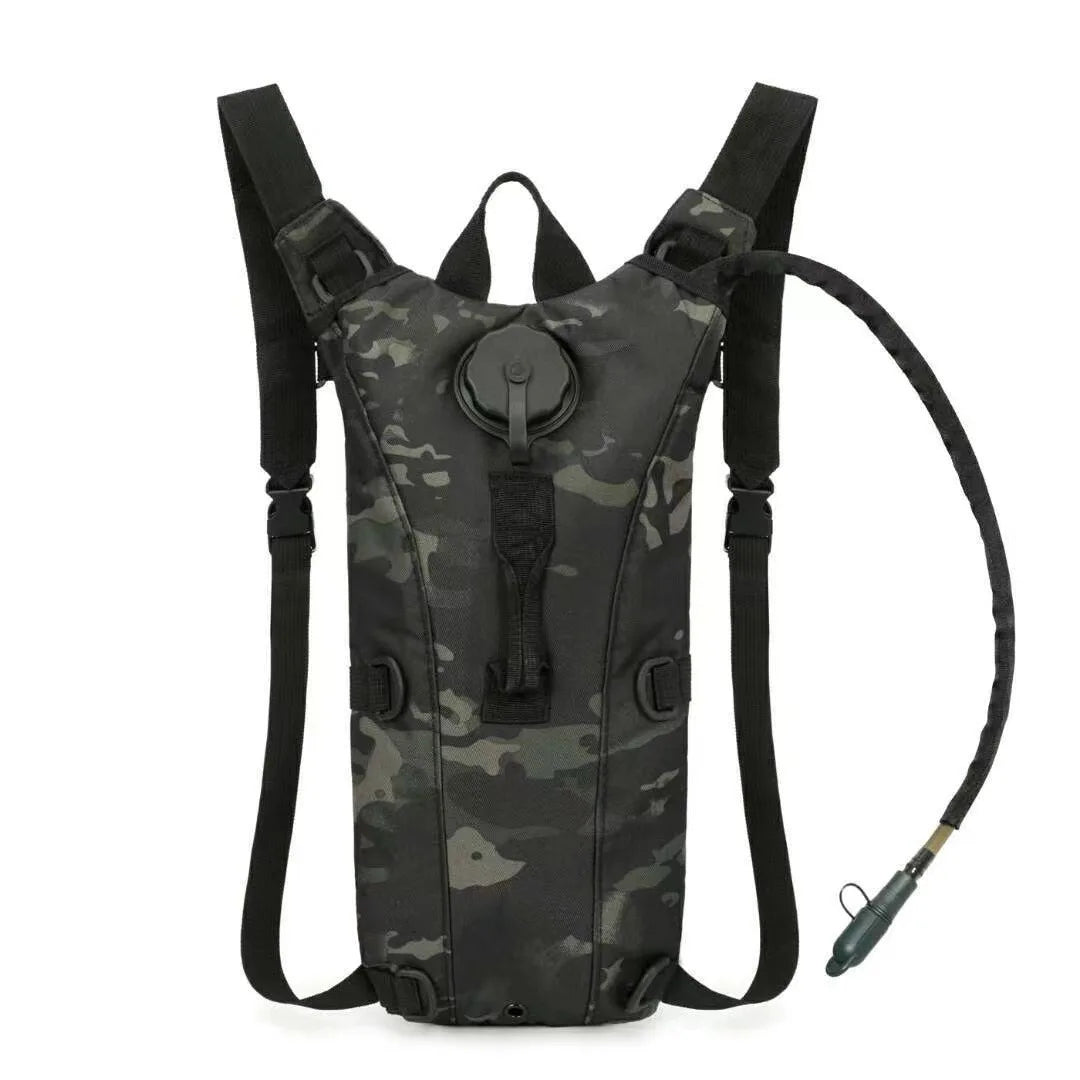
💡 See it in action
Integrating Hydration Backpacks Into Daily Rides
Consistency is key. Use your hydration backpack for cycling every ride, even short ones. Adjust straps to reduce chafing, clean reservoirs weekly, and pair with Lightweight Daypacks or Running Belts & Packs for multi-sport convenience. Riders report increased energy, reduced fatigue, and less frequent thirst during outdoor cycling activities.
FAQ
How often should I refill my hydration pack?
Refill every 45–60 minutes during moderate riding and every 30 minutes for intense sessions, depending on weather conditions and personal sweat rate.
Can I use my hydration backpack for other sports?
Yes, most packs are versatile enough for hiking, trail running, and even skiing, thanks to adjustable straps and ergonomic designs.
How do I clean my hydration bladder?
Rinse after each ride, use mild soap, and allow to air dry. For deeper cleaning, a cleaning kit with brushes is recommended.
Pillar Article: Best Rated Hydration Pack Reviews: Top Picks Compared 2026
Other Related Articles:
- Hydration Backpack 3L Comparison: Which One Is Best?
- Backpack Water Reservoir Vs Packs: Which Performs Better?
- Mountain Bike Hydration Backpack Comparison: Top Picks
- Hiking Hydration Backpack Review: Top Models Compared
Explore More:





