

Best Rated Hydration Pack Reviews: Top Picks Compared 2026
Hiking Hydration Backpack Review: Top Models Compared
What is a hiking hydration backpack and why use it?
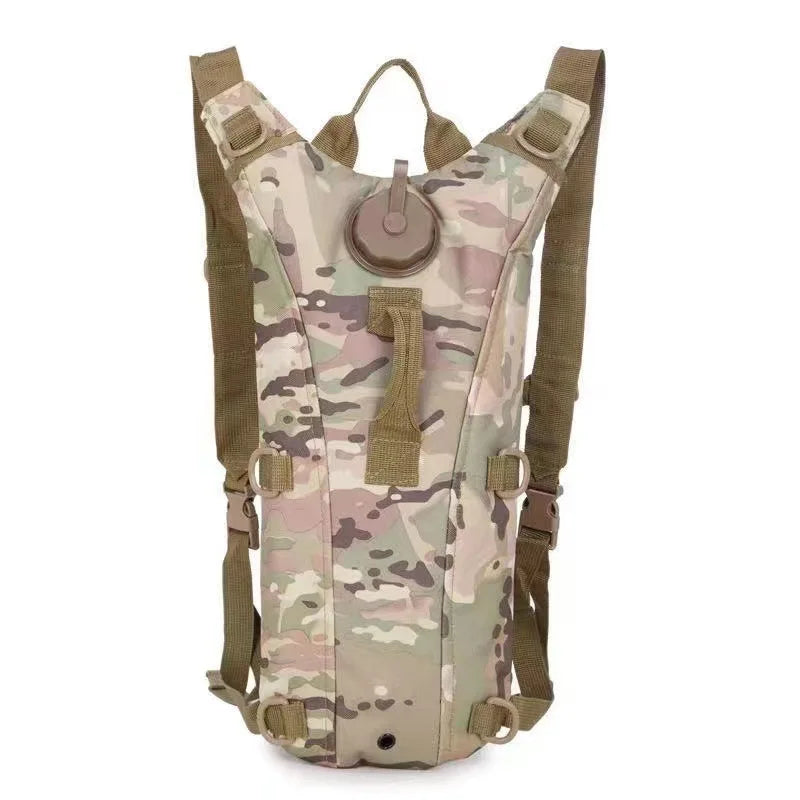
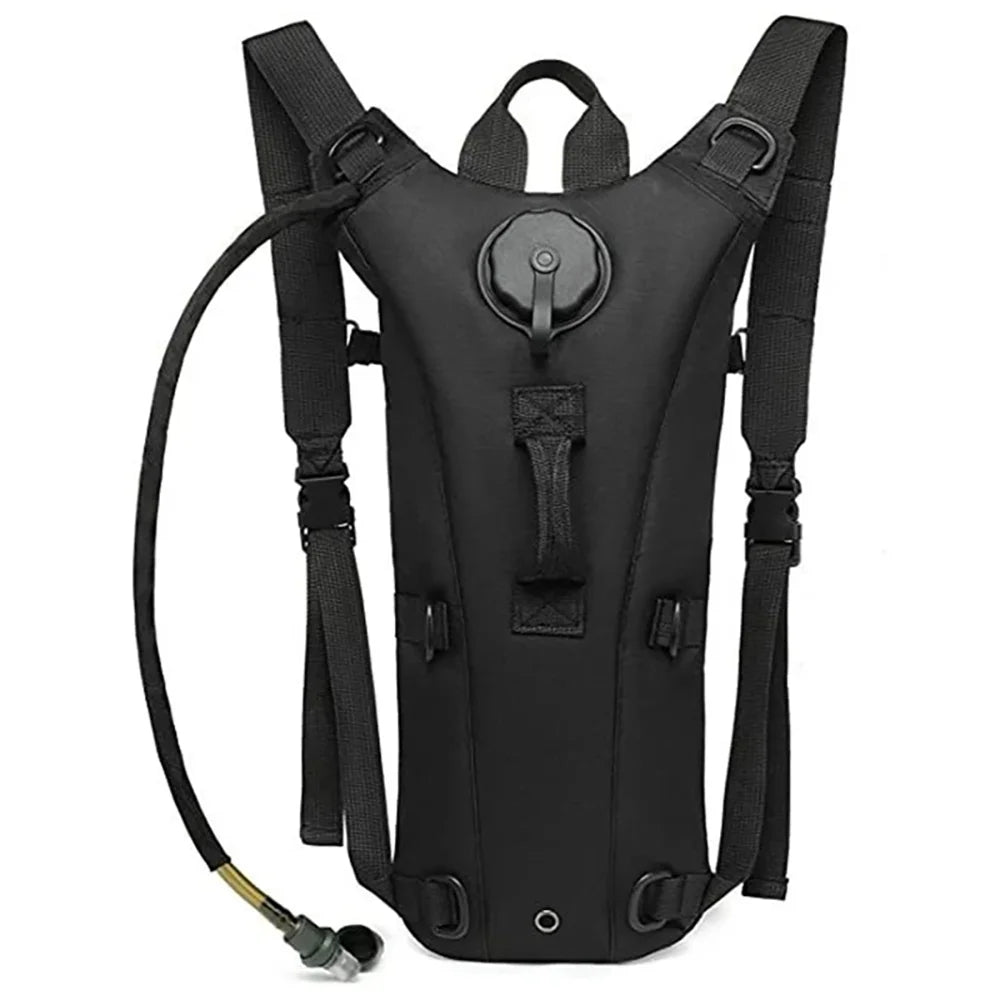
A hiking hydration backpack is a lightweight carry system designed with an integrated water reservoir that lets hikers drink hands-free while moving. A hiking hydration backpack improves hydration consistency, reduces stop time, and helps maintain energy on trails. It’s especially useful for long hikes where easy access to water can prevent fatigue and overheating.
Ever been halfway up a trail, feeling drained, only to realize you haven’t drunk enough water? What gear actually makes hiking easier without slowing you down or weighing you down?
💡 See it in action
Why a hiking hydration backpack changes the way you hike
A hiking hydration backpack changes the entire hiking experience by removing the need to stop, unpack bottles, or search for water. Instead, hydration becomes continuous and natural. This keeps your pace steady and your focus on the trail instead of your gear.
For many hikers, the difference is noticeable within the first mile. Sipping water through a tube encourages consistent intake, which helps prevent dehydration before it becomes a problem.
- Hands-free hydration improves trail efficiency
- Reduces dehydration risk on hot or long hikes
- Balances weight more evenly across the back
- Improves comfort during movement and climbing
For more trail-ready setups, explore Backpacking & Carry for supportive gear that pairs well with hydration systems.
Key features to look for in water reservoir packs for hiking
Choosing the right hydration pack depends on comfort, capacity, and durability. The best models balance water storage with lightweight design so they don’t slow you down on the trail.
Essential features checklist
- Water capacity between 1.5L and 3L for most hikes
- Leak-resistant bite valve for easy sipping
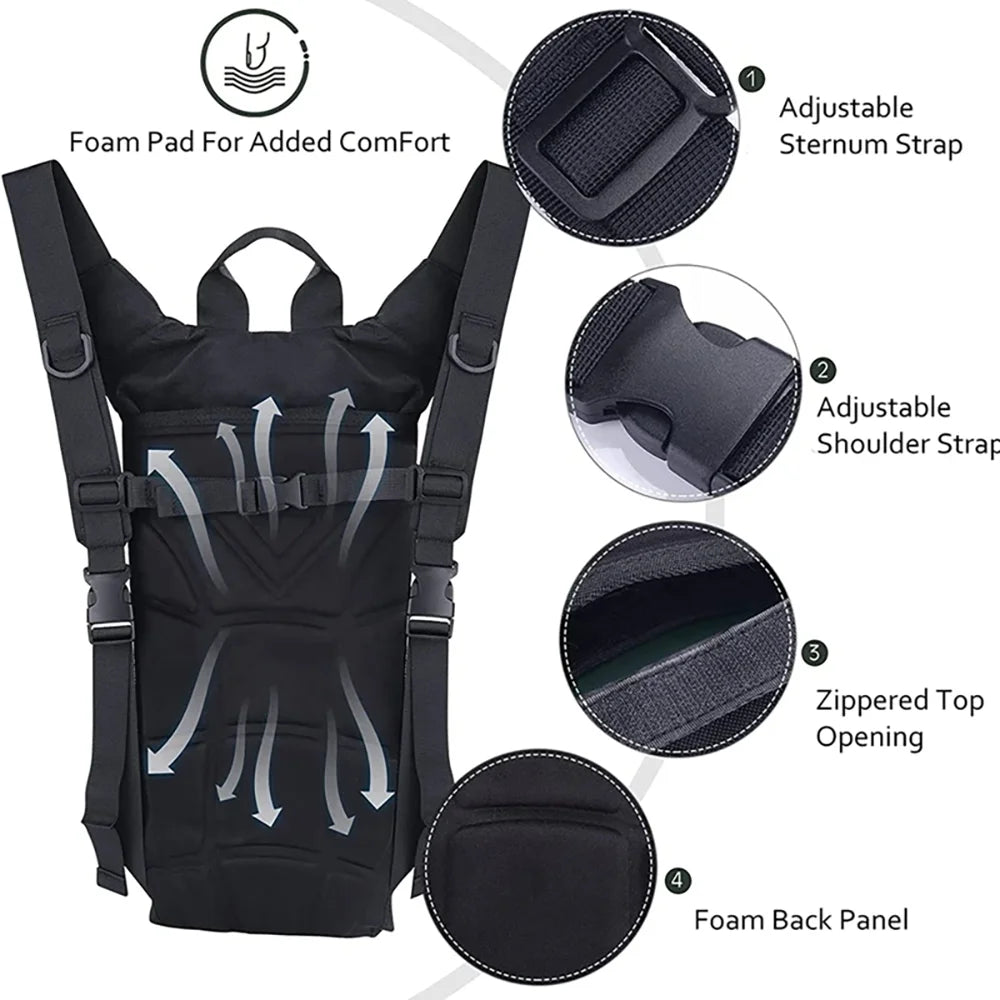
- Breathable back panel for heat control
- Adjustable straps for stable fit
- Durable, weather-resistant fabric
Many hikers also combine hydration packs with gear from Lightweight Daypacks for shorter trips or hybrid carry setups.
Top hiking hydration backpack comparison
| Model Type | Best For | Capacity | Key Advantage |
|---|---|---|---|
| Lightweight Trail Pack | Day hikes | 1.5L–2L | Ultra-light movement |
| All-Round Hiking Pack | Regular hikers | 2L–3L | Balanced storage + hydration |
| Extended Trek Pack | Multi-day trails | 3L+ | Maximum storage capacity |
Each option fits different hiking styles. If you prioritize speed and minimal weight, smaller systems work best. For longer adventures, larger reservoirs provide more flexibility and fewer refill stops.
How to choose lightweight hydration backpack systems for different hikes
Lightweight hydration systems are not one-size-fits-all. Your terrain, distance, and weather conditions all influence the best choice.
Short day hikes
For quick outdoor trips, focus on minimal weight and easy access. A compact reservoir paired with breathable straps keeps movement unrestricted.
Weekend hikes
Medium-capacity packs are ideal when you need extra water and small gear storage without bulk.
Multi-day treks
For extended hiking, durability and storage become just as important as hydration. Choose reinforced materials and larger reservoirs.
For added trail comfort, consider pairing with gear from Hydration & Food to keep both water and nutrition organized.
💡 See it in action
Hydration safety tips for long trails
Staying properly hydrated is essential for endurance and safety on hiking trails. Even mild dehydration can affect energy, focus, and decision-making.
- Drink small sips regularly instead of large amounts at once
- Refill your reservoir whenever water sources are available
- Monitor weather conditions and increase intake in heat
- Pair hydration with electrolytes on longer hikes
- Check tube flow before starting your hike
For additional safety essentials, explore Safety, Survival & Emergency to stay prepared for unexpected trail conditions.
Pros and cons overview of hydration packs
| Pros | Cons |
|---|---|
| Hands-free drinking while hiking | Requires cleaning after each use |
| Encourages consistent hydration | Can feel warm against the back |
| Even weight distribution | Limited water capacity compared to bottles |
| Improved trail efficiency | Tube maintenance needed over time |
Despite minor drawbacks, most hikers find hydration packs significantly improve comfort and endurance on the trail.
💡 See it in action
FAQ: Hiking hydration backpack
How much water should a hiking hydration backpack hold?
Most hikers benefit from a 2L–3L reservoir depending on trail length and climate. Hot weather or long hikes may require larger capacity or refill planning.
Are hydration backpacks better than water bottles?
Hydration backpacks allow continuous sipping without stopping, making them more efficient for active hiking compar
Related Articles:
- Hydration Backpack For Cycling: Best Options Reviewed
- Hydration Backpack 3L Comparison: Which One Is Best?
- Backpack Water Reservoir Vs Packs: Which Performs Better?
- Mountain Bike Hydration Backpack Comparison: Top Picks
- Hiking Hydration Backpack Review: Top Models Compared
Pillar Articles:





