

Backpack Water Reservoir Vs Packs: Which Performs Better?
Is a backpack water reservoir worth it for hiking?
A backpack water reservoir is a hydration system built into a backpack that lets hikers drink through a hose without stopping. The backpack water reservoir improves hydration efficiency, balances weight across the back, and reduces the strain caused by carrying multiple heavy bottles. It is especially useful for long-distance hiking where consistent water access and comfort significantly improve endurance and overall trail performance.
⏱ 6 min read
Imagine hiking uphill under the sun and constantly stopping just to grab a bottle of water from your pack. What gear actually makes camping easier when hydration becomes a challenge? That’s where modern hydration systems step in, changing how hikers carry and consume water on the trail.
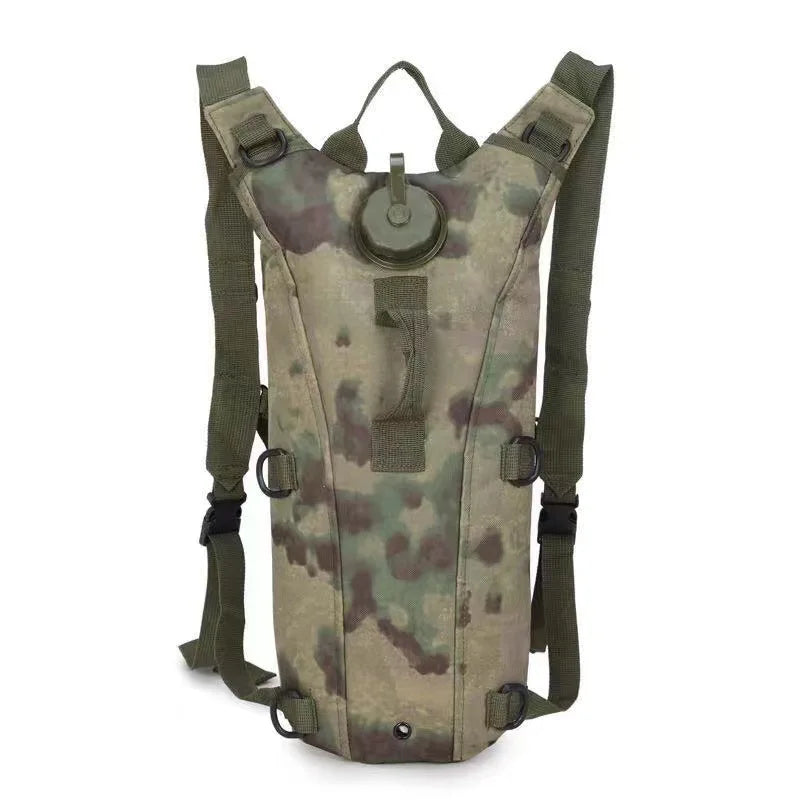
Backpack water reservoir systems are designed to make hydration seamless, hands-free, and balanced. Instead of digging through side pockets or dealing with shifting bottles, you sip continuously while moving. This guide breaks down how they compare with traditional bottles and which option performs better for different hiking styles.
Explore smarter outdoor hydration and comfort solutions built for long trails and unpredictable conditions.
💡 See it in action
Why backpack water reservoir improves hiking hydration
A backpack water reservoir delivers continuous hydration through a tube system, letting hikers drink without stopping or removing gear. The backpack water reservoir improves endurance by reducing interruption, distributing weight evenly, and encouraging more frequent hydration. This makes it especially effective for long, hot, or high-intensity hiking conditions where dehydration risk is higher.
- Hands-free drinking while moving
- Even weight distribution across the back
- Encourages consistent hydration habits
- Reduces need for frequent pack access
Many hikers report feeling less fatigued on steep trails because they no longer carry uneven bottle loads. Instead, water sits centered in the pack, improving balance and reducing shoulder strain over time.
Compare hydration setups and find what fits your hiking style and terrain best.
Backpack water reservoir vs water bottle hiking comparison
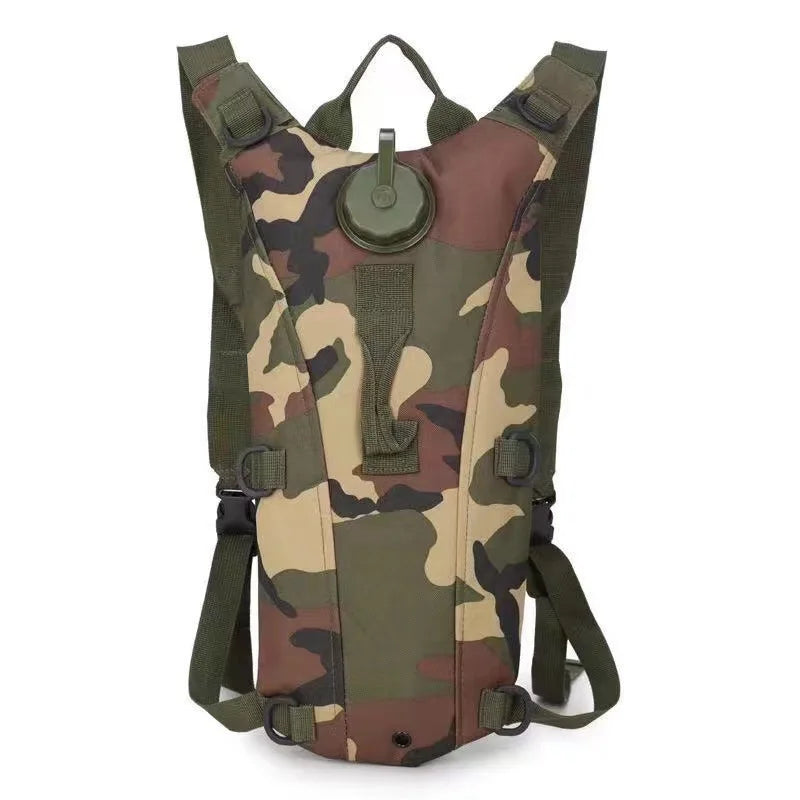
Choosing between a hydration system and traditional bottles depends on terrain, distance, and comfort preferences. Below is a practical comparison to help decide which works better for your hiking needs.
| Feature | Backpack Water Reservoir | Water Bottles |
|---|---|---|
| Ease of drinking | Hands-free, continuous sipping | Requires stopping or reaching |
| Weight balance | Evenly distributed | Often uneven or shifting |
| Refill convenience | Moderate | Easy and fast |
| Monitoring water use | Less visible | Highly visible |
| Best for | Long hikes, endurance trails | Short hikes, casual trips |
While bottles offer simplicity, hydration packs excel in performance-driven environments where movement efficiency matters most.
💡 See it in action
Packing water efficiently for hiking trips strategies
Packing water efficiently is essential for maintaining energy and avoiding overload. A well-planned hydration strategy can make or break a hiking experience, especially on multi-hour or multi-day trails.
- Use a hydration pack for primary water storage
- Supplement with lightweight bottles for backup
- Pre-fill reservoirs based on trail distance
- Balance water weight near the spine for stability
- Combine with gear from Backpacking & Carry for better load distribution
Efficient packing ensures you never overcarry water while still staying safe in remote areas where refilling may be limited.
When heavy water bottles for hiking trips become a problem
Heavy water bottles for hiking trips can quickly lead to shoulder fatigue, uneven posture, and slower movement on technical terrain. Unlike reservoirs that distribute weight centrally, bottles often shift during motion, increasing energy expenditure over time.
Common issues hikers face with bottle-heavy setups include:
- Strain on one side of the body
- Frequent stopping to access bottles
- Limited carrying capacity for long routes
- Poor balance on steep ascents or descents
Switching to a hydration-focused setup can significantly improve comfort, especially during extended trekking sessions.
Upgrade your hydration system for smoother, more efficient hiking experiences.
How to choose between hydration systems
Deciding between a backpack reservoir and bottles depends on your hiking style. Each system serves different needs, and the best choice often comes from combining both approaches.
- Short hikes: Bottles are simple and sufficient
- Long hikes: Reservoirs improve endurance and hydration flow
- Hot climates: Reservoirs encourage frequent drinking
- Urban trails: Bottles offer easier refills
For most serious hikers, a hybrid approach provides flexibility without sacrificing performance or convenience.
Recommended hydration solution for outdoor performance
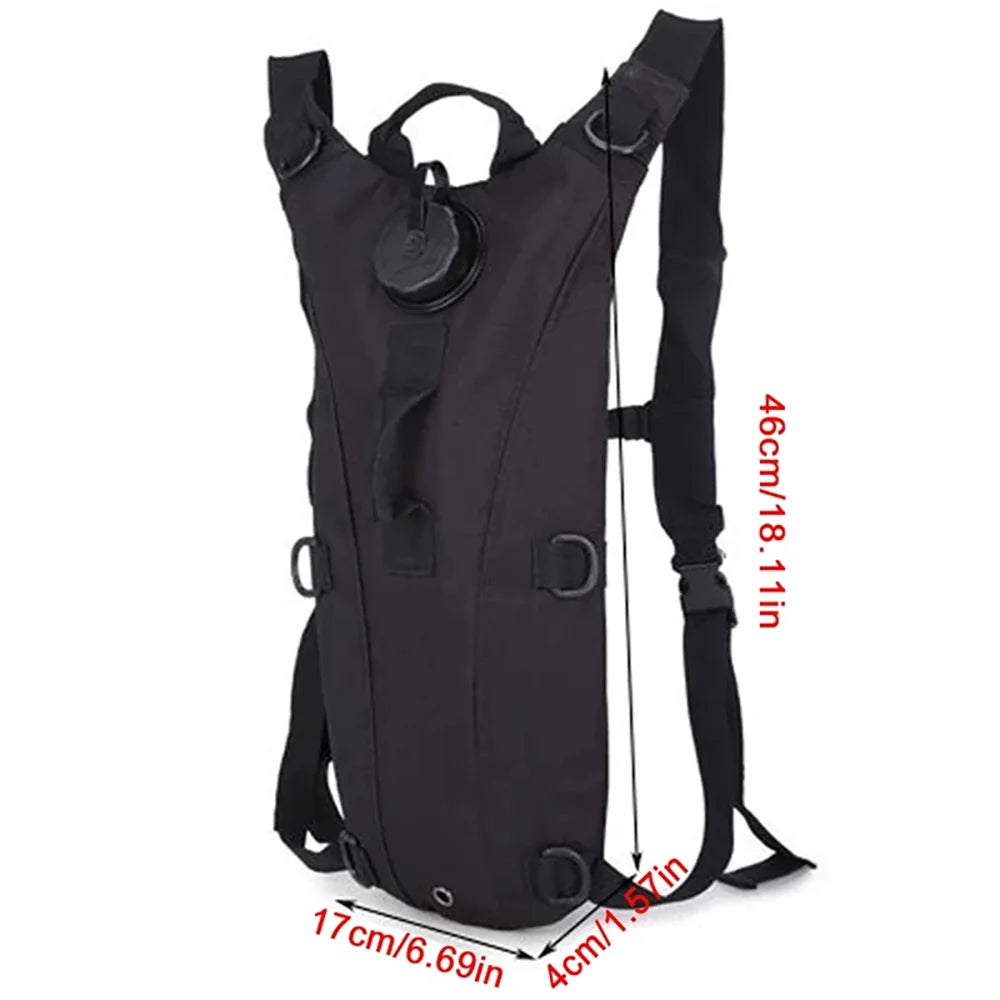
If you're looking for a balanced option that combines durability, capacity, and comfort, this system is designed for trail-ready hydration performance. It supports long-distance hiking while keeping water accessible at all times.
3L Waterproof Hydration Pack is built for hikers who need reliable water access without compromising mobility or pack balance. It fits seamlessly into most hiking setups and works well for both beginners and experienced trekkers.
Quick benefits:
- Large capacity for extended hikes
- Easy drinking tube system
- Lightweight and ergonomic design
- Suitable for mixed terrain adventures
💡 See it in action
Conclusion
Backpack water reservoir systems clearly outperform traditional bottles in long-distance hiking scenarios where efficiency, balance, and hydration consistency matter most. While bottles still have value for short or casual trips, reservoirs offer a more stable and performance-focused solution for serious outdoor adventures.
Choosing the right hydration system ultimately depends on your terrain, distance, and comfort preferences. Many hikers find that combining both creates the most flexible and reliable setup for any trail condition.
FAQ
Is a backpack water reservoir better than bottles?
Yes, for long hikes it offers better hydration flow, weight distribution, and convenience compared to traditional bottles.
How much water should I carry on a hike?
It depends on distance and climate, but most hikers carry 1.5–3 liters for moderate to long trails.
Can I use both bottles and a hydration pack?
Yes, combining both systems provides flexibility for refilling and backup hydration on longer routes.
Are hydration packs hard to clean?
Not usually. Most modern reservoirs are designed for easy cleaning with wide openings and removable tubing.
Pillar Article: Best Rated Hydration Pack Reviews: Top Picks Compared 2026
Other Related Articles:
- Hydration Backpack For Cycling: Best Options Reviewed
- Hydration Backpack 3L Comparison: Which One Is Best?
- Mountain Bike Hydration Backpack Comparison: Top Picks
- Hiking Hydration Backpack Review: Top Models Compared
Explore More:





