

Hydration Bag For Cycling: How To Set Up And Ride Comfortably
What is the best way to use a hydration bag for cycling?
A hydration bag for cycling works best when it is fitted snugly against your back, filled with the right amount of water, and paired with a consistent drinking schedule. Proper hose routing, balanced weight distribution, and refill planning help improve comfort, endurance, and focus on both short rides and long-distance cycling adventures.
⏱ 8 min read
Hydration Bag For Cycling: How To Set Up And Ride Comfortably
A hydration bag for cycling can make the difference between finishing a ride strong and struggling with fatigue, discomfort, or frequent thirst. Whether you're training for endurance rides, commuting, bikepacking, or exploring new trails, the right setup helps you stay hydrated without constantly reaching for a bottle. What if a few simple adjustments could make every mile more comfortable?
👉 Discover gear that makes long rides easier: Explore the Hydration & Food collection and find practical hydration solutions before your next adventure.
💡 See it in action
Why Use a Hydration Bag for Cycling?
A hydration bag for cycling allows riders to drink without removing their hands from the handlebars. This simple advantage encourages consistent hydration, which can support better energy levels, concentration, and overall ride comfort.
Unlike traditional bottles, hydration reservoirs often carry larger volumes of water, making them especially useful for long-distance rides, gravel adventures, mountain biking, and bikepacking trips.
Many cyclists report that they drink more frequently when water is accessible through a hose, reducing the chances of dehydration during demanding rides.
| Feature | Water Bottle | Hydration Bag |
|---|---|---|
| Hands-free drinking | No | Yes |
| Water capacity | Limited | Higher |
| Long ride convenience | Moderate | Excellent |
| Trail accessibility | Variable | Easy |
How to Set Up Your Hydration System Correctly
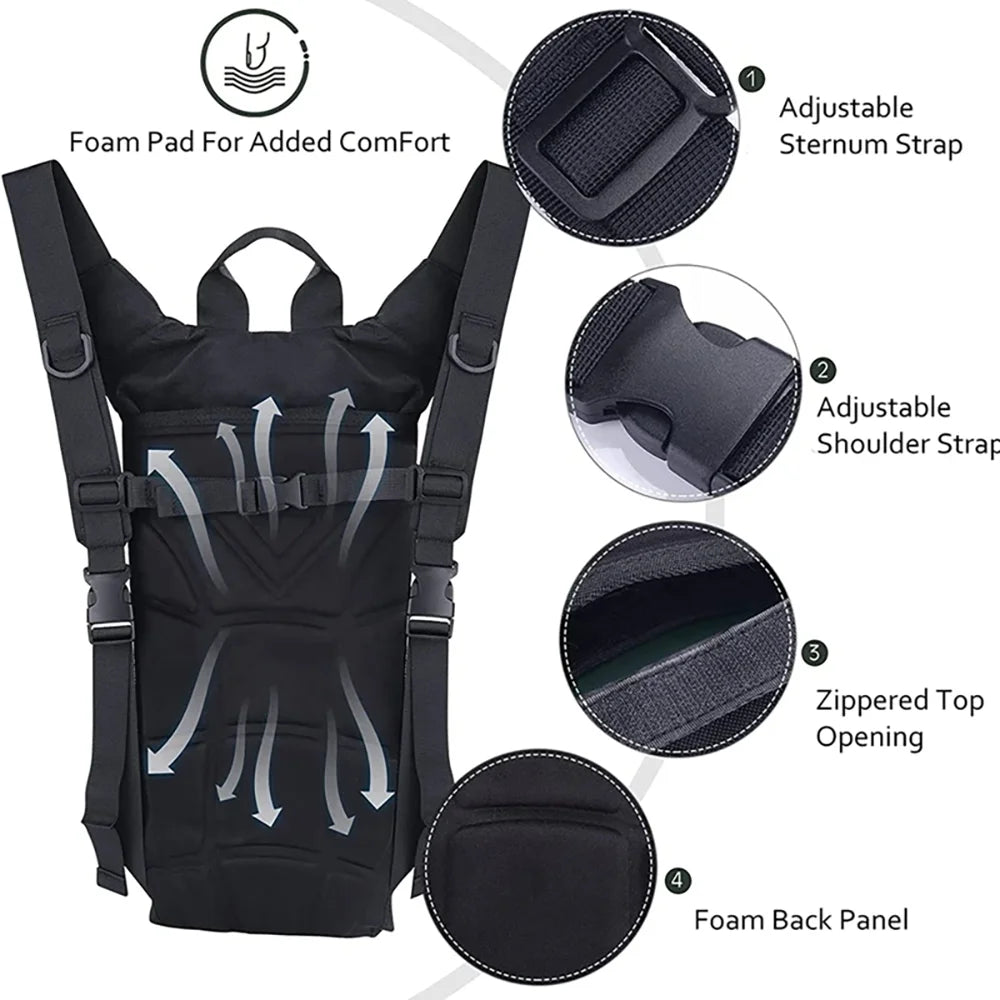
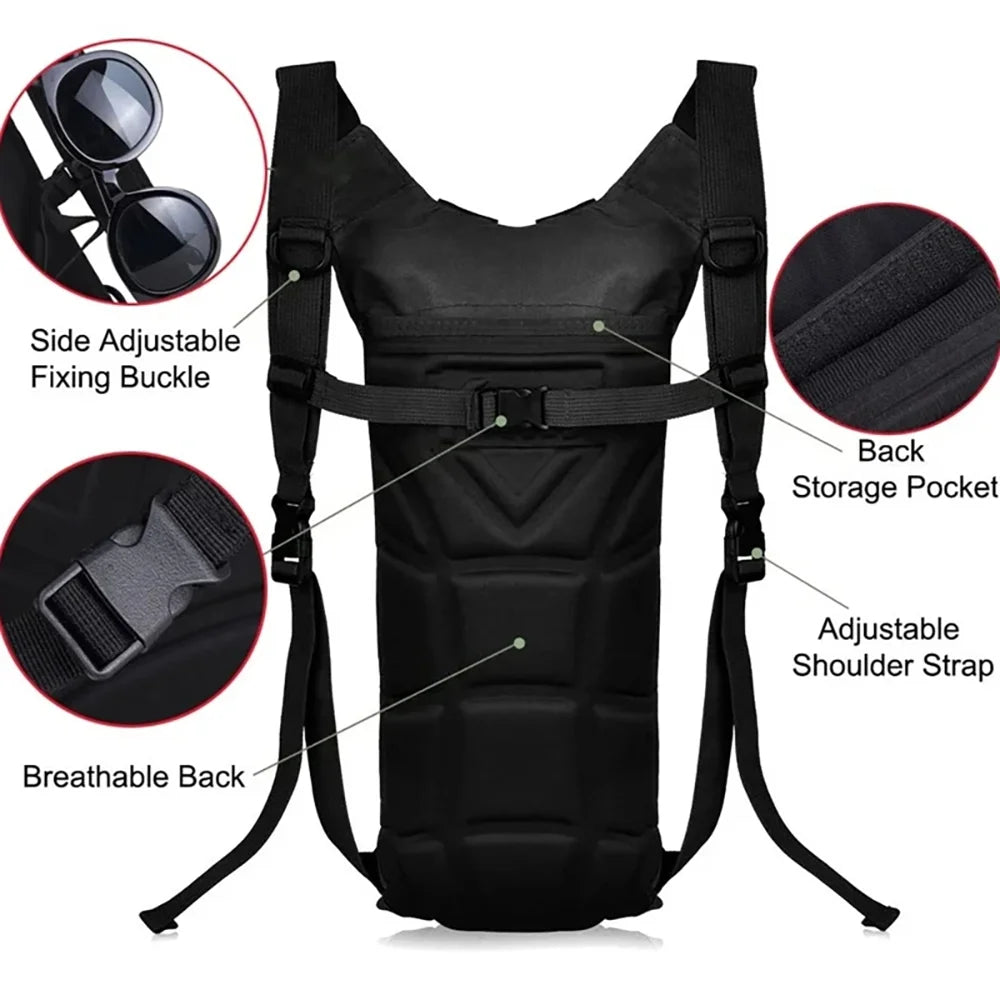
A hydration bag for cycling should sit securely against your upper back with minimal movement. The reservoir should be filled appropriately, the shoulder straps adjusted evenly, and the drinking tube positioned for easy access. A well-balanced setup reduces bouncing, improves comfort, and encourages consistent hydration throughout the ride.
The most common setup mistake is assuming all packs fit correctly right out of the box. Spending a few minutes adjusting the system can dramatically improve your experience.
Step 1: Fill the Reservoir Properly
- Rinse the reservoir before first use.
- Fill with enough water for the ride duration.
- Remove excess air when possible.
- Seal the reservoir completely.
Removing trapped air helps reduce sloshing and improves stability during rough terrain.
Step 2: Position Weight Close to Your Body
The heavier the water load, the more important proper positioning becomes.
- Tighten shoulder straps evenly.
- Adjust chest straps for stability.
- Keep the reservoir close to your back.
- Avoid overloading storage compartments.
Step 3: Route the Drinking Hose
The hose should be reachable without looking down or removing a hand from the bars for long periods.
Secure routing helps prevent snagging while riding through trails or traffic.
For riders carrying nutrition, repair tools, or electronics, accessories from the Gear Organizers & Pouches collection can help keep everything organized.
👉 Learn how to choose the right hydration setup: A well-fitted pack paired with a reliable reservoir can transform long rides from exhausting to enjoyable. Check out the 3L Waterproof Hydration Pack for a streamlined solution.
Common Hydration Mistakes Cyclists Make
Many cyclists experiencing frequent thirst during outdoor cycling activities are not necessarily carrying too little water. Often, the issue comes from hydration habits rather than storage capacity.
- Waiting until thirsty to drink
- Taking large, infrequent sips
- Ignoring weather conditions
- Using an uncomfortable pack setup
- Underestimating ride duration
What gear actually makes cycling easier? Often it's the equipment that removes friction from routine tasks. A hydration system that encourages frequent sipping is one of those upgrades.
For extended adventures where water access may be uncertain, many riders also carry backup solutions from the Personal Water Filters collection.
💡 See it in action
Best Hydration Strategies for Cycling Endurance
The best hydration strategies for cycling endurance focus on consistency rather than volume alone. Drinking small amounts regularly helps maintain hydration levels more effectively than waiting for signs of thirst.
Recommended Endurance Hydration Habits
- Take small sips every 10–15 minutes.
- Increase intake during hot conditions.
- Monitor energy and focus levels.
- Refill before running low.
- Pair hydration with appropriate nutrition.
Example Hydration Schedule
| Ride Duration | Suggested Approach |
|---|---|
| Under 1 Hour | Carry enough water for the entire ride |
| 1–3 Hours | Regular sipping schedule and planned refill options |
| 3+ Hours | Hydration plan combined with nutrition strategy |
Many endurance cyclists appreciate larger-capacity reservoirs because they reduce refill interruptions and help maintain momentum.
The 3L Waterproof Hydration Pack provides substantial carrying capacity while remaining compact enough for active riding.
How Better Fit Improves Cycling Comfort
Comfort is often overlooked until discomfort becomes a distraction.
A poorly fitted hydration pack may cause:
- Shoulder pressure
- Back fatigue
- Excessive movement
- Chafing
- Reduced efficiency
A properly adjusted system should feel stable during climbing, descending, and standing efforts.
Riders frequently share that reducing pack movement creates a noticeable improvement in confidence and overall ride enjoyment.
"After adjusting the chest strap and moving the reservoir closer to my back, the pack felt like part of my gear instead of extra weight." — Long-distance recreational cyclist
Recovery matters too. After challenging rides, many cyclists complement their routine with products from the Stretching & Recovery Tools collection.
Pre
Pillar Article: How To Clean Hydration Bladder Fast: Step-By-Step Guide For Safe Use
Other Related Articles:
- What Is A Hydration Backpack And How To Use It Properly
- Camping Hydration Pack: How To Use It For Multi-Day Trips
- Hiking Hydro Backpack: How To Pack, Fit & Use On Trails
Explore More:





