

What Is A Hydration Backpack And How To Use It Properly
What Is a Hydration Backpack and Why Do Outdoor Enthusiasts Use One?
What is a hydration backpack? A hydration backpack is a wearable pack that carries water in a built-in reservoir and delivers it through a drinking tube, allowing hands-free hydration while hiking, trail running, cycling, camping, or traveling. It helps reduce the difficulty staying hydrated during outdoor sports by making water access fast, convenient, and consistent.
⏱ 8 min read
What Is A Hydration Backpack And How To Use It Properly
What is a hydration backpack, and why are so many hikers, runners, cyclists, and campers switching to one? If you've ever stopped repeatedly to grab a water bottle, struggled with the difficulty staying hydrated during outdoor sports, or carried bulky gear on long adventures, a hydration backpack may be the solution. This guide explains how hydration systems work, compares hydration bladder vs hydration backpack systems, and shows you how to choose and use one properly for maximum comfort and performance.
Explore hydration solutions and outdoor essentials designed to keep every adventure comfortable and organized.
Have you ever reached the middle of a hike and realized you drank far less water than you should have? What gear actually makes staying hydrated easier without slowing you down?
💡 See it in action
What Is a Hydration Backpack?
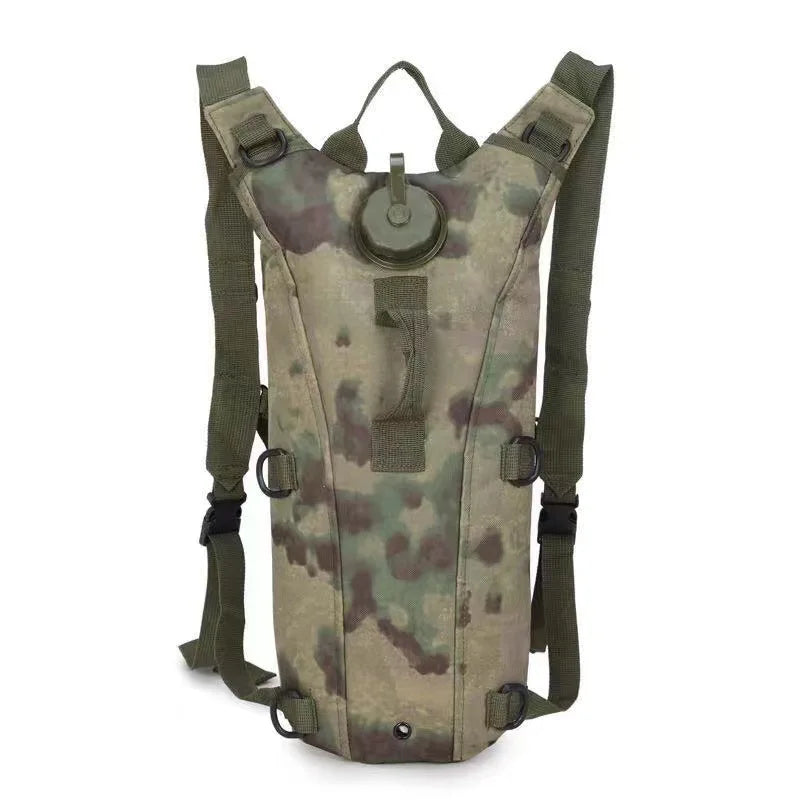
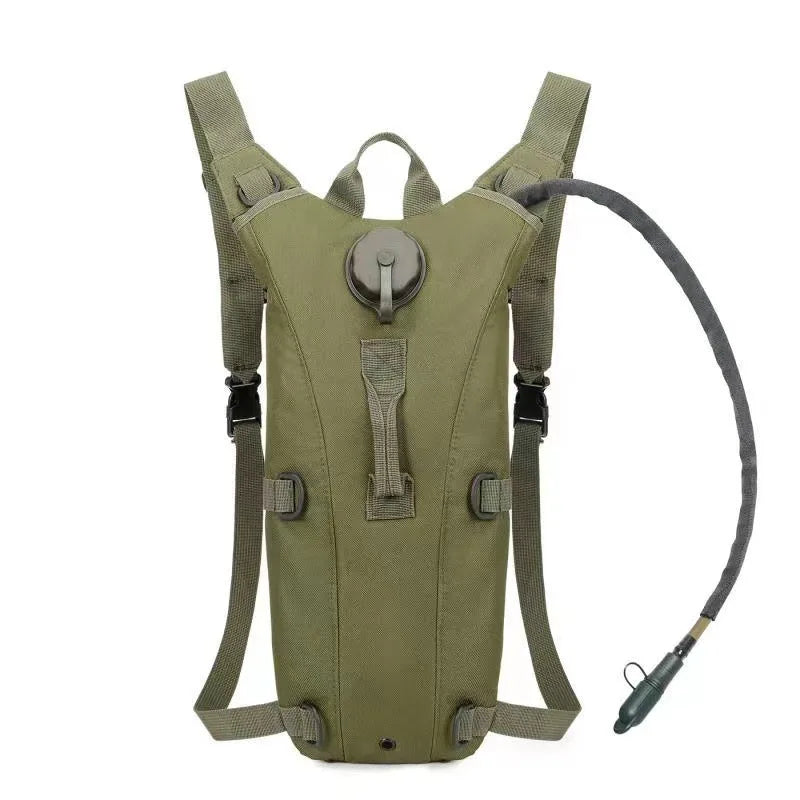
A hydration backpack is a specialized backpack that includes a hydration bladder, also called a reservoir, connected to a flexible drinking tube. Instead of stopping to remove a water bottle from your bag, you simply drink through the tube while continuing your activity.
Most hydration packs range from 1.5L to 3L in water capacity and often include extra storage compartments for snacks, keys, phones, first aid supplies, and outdoor essentials.
For example, a 3L Waterproof Hydration Pack can provide enough water for extended hikes, cycling sessions, trail runs, and weekend camping adventures while remaining lightweight and comfortable.
How Hydration Backpacks Make Outdoor Activities Easier
Stay Hydrated More Consistently
Easy access encourages frequent sipping throughout the day. This helps maintain hydration levels more effectively than waiting until you feel thirsty.
Keep Your Hands Free
Whether you're climbing steep trails, riding technical bike routes, or navigating uneven terrain, keeping both hands available improves safety and control.
Reduce Fatigue During Long Activities
Proper hydration supports endurance, concentration, and physical performance, especially during warm-weather adventures.
Carry More Than Water
Many users combine hydration packs with gear from Backpacking & Carry and Gear Organizers & Pouches collections to keep essentials organized during longer trips.
| Benefit | Advantage |
|---|---|
| Hands-free drinking | Drink without stopping |
| Better hydration habits | Encourages frequent sipping |
| Weight distribution | Improves comfort over long distances |
| Storage space | Carries snacks and essentials |
How a Hydration Backpack Works
- Fill the hydration bladder with water.
- Insert the bladder into the backpack compartment.
- Route the drinking tube through the designated opening.
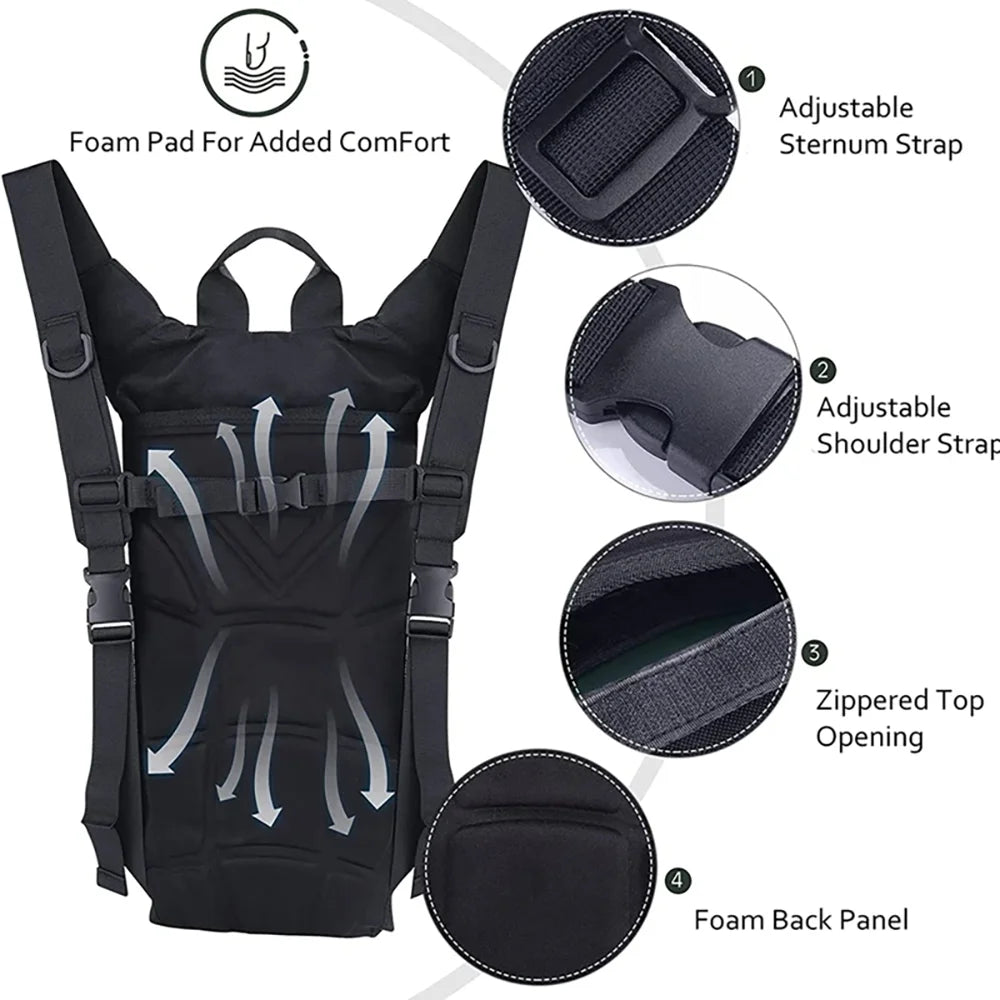
- Adjust the shoulder and chest straps.
- Drink through the bite valve whenever needed.
The system allows continuous hydration without interrupting your activity, making it especially useful during trail running, mountain biking, hiking, and long-distance walking.
Hydration Bladder vs Hydration Backpack Systems
One of the most common questions beginners ask involves hydration bladder vs hydration backpack systems.
| Feature | Hydration Bladder | Hydration Backpack System |
|---|---|---|
| Main Component | Reservoir only | Reservoir plus carrying pack |
| Storage Space | Minimal | Additional gear storage |
| Comfort | Depends on host backpack | Designed specifically for hydration |
| Convenience | Moderate | High |
| Outdoor Performance | Good | Excellent |
A hydration bladder is simply the water reservoir. A hydration backpack system includes the bladder plus a purpose-built backpack engineered for stability, comfort, and easy access.
For most hikers, runners, cyclists, and outdoor travelers, a complete hydration backpack system provides a more practical all-in-one solution.
Pair hydration equipment with essentials from Lightweight Daypacks and Running Belts & Packs for greater comfort on every adventure.
Guide Choosing Lightweight Hydration Backpack Systems
If you're researching a guide choosing lightweight hydration backpack systems, focus on these factors first.
Water Capacity
- 1.5L: Short runs and walks
- 2L: Moderate hikes and cycling
- 3L: Full-day adventures and warm-weather activities
Fit and Comfort
Look for adjustable shoulder straps, chest straps, and breathable back panels. A secure fit reduces bouncing and improves stability.
Storage Needs
Consider whether you'll carry snacks, electronics, emergency supplies, or extra clothing.
Weather Protection
Outdoor conditions can change quickly. Many adventurers pair hydration systems with products from Rain Ponchos & Capes, Weather Accessories, and Waterproof & Dry Bags.
Cleaning Access
Wide-opening reservoirs are easier to clean, dry, and maintain after each use.
💡 See it in action
How to Use a Hydration Backpack Properly
Step 1: Fill the Reservoir Correctly
Use clean drinking water and avoid overfilling beyond the manufacturer's capacity guidelines.
Step 2: Remove Excess Air
Before sealing the bladder, gently squeeze out trapped air. This reduces sloshing during movement.
Step 3: Position the Bladder Properly
Place the reservoir in the designated sleeve and ensure the tube exits correctly.
Step 4: Adjust the Fit
The pack should sit close to your back without excessive movement.
Step 5: Sip Frequently
Rather than drinking large amounts occasionally, take small sips every 10 to 15 minutes.
Step 6: Clean After Every Trip
Rinse thoroughly and allow all components to dry completely before storage.
Quick Outdoor Hydration Checklist
- Fill bladder before departure
- Inspect bite valve for leaks
- Check strap adjustments
- Pack backup water purification options
- Bring electrolyte supplements when necessary
Many experienced campers also carry equipment from Personal Water Filters and Hydration & Food collections for extended trips.
Common Mistakes to Avoid
| Mistake | Better Approach |
|---|---|
| Waiting until thirsty | Drink consistently |
| Ignoring cleaning | Wash after each use |
| Overpacking the backpack | Carry only essentials |
| Poor strap adjustment | Customize fit before activity |
| Using damaged tubing | Inspect regularly |
Outdoor users frequently report that proper fit and regular cleaning dramatically improve comfort and overall satisfaction with hydration systems.
Best Activities for Hydration Backpacks
Hydration backpacks perform exceptionally well during:
- Trail running
- Day hiking
- Mountain biking
- Camping trips
- Music festivals
- Adventure travel
- Long-distance walking
- Car camping excursions
For longer outdoor adventures, many users also carry complementary gear from First Aid Kits, Headlamps & Wearable Lights, and Portable Power Banks.
Traveler feedback consistently highlights the convenience of hands-free hydration, especially during hot-weather hikes where stopping frequently for water can interrupt momentum and reduce enjoyment.
💡 See it in action
Why a 3L Hydration Pack Is a Practical Upgrade
A larger-capacity system offers extended hydration support for full-day activities without requiring constant refills. The 3L Waterproof Hydration Pack provides a balance of water capacity, portability, and convenience for hikers, runners, cyclists, and campers who want reliable hydration throughout the day.
- Large water capacity
- Hands-free drinking access
- Comfortable weight distribution
- Suitable for multiple outdoor activities
- Easy integration with essential outdoor gear
Prepare for your next hike, run, cycling session, or camping adventure with dependable hydration support.
Conclusion
Understanding what is a hydration backpack is the first step toward improving comfort, endurance, and safety during outdoor adventures. Whether you're comparing hydration bladder vs hydration backpack systems or following a guide choosing lightweight hydration backpack systems, the key is selecting a pack that matches your activity level and hydration needs.
By using your hydration backpack correctly, cleaning it regularly, and drinking consistently throughout your activity, you'll be better prepared for everything from short trail runs to full-day hiking adventures.
Frequently Asked Questions
What is a hydration backpack used for?
A hydration backpack is used to carry water and provide hands-free hydration during hiking, running, cycling, camping, and other outdoor activities.
How much water should a hydration backpack hold?
Most outdoor users choose between 1.5L and 3L depending on activity duration, weather conditions, and personal hydration needs.
Is a hydration backpack better than carrying water bottles?
For many outdoor activities, hydration backpacks offer greater convenience because users can drink without stopping or removing gear.
How often should I clean a hydration bladder?
Clean and dry the bladder, tubing, and bite valve after every use to prevent odors, mold, and bacteria growth.
Can beginners use hydration backpacks?
Yes. Hydration backpacks are beginner-friendly and often make it easier to maintain healthy hydration habits during outdoor activities.
Pillar Article: How To Clean Hydration Bladder Fast: Step-By-Step Guide For Safe Use
Other Related Articles:
- Camping Hydration Pack: How To Use It For Multi-Day Trips
- Hydration Bag For Cycling: How To Set Up And Ride Comfortably
- Hiking Hydro Backpack: How To Pack, Fit & Use On Trails
Explore More:





