

How To Clean Hydration Bladder Fast: Step-By-Step Guide For Safe Use
Does a camping hydration pack really help on multi-day trips?
A camping hydration pack helps you carry and access water efficiently during multi-day trips by distributing weight evenly and allowing hands-free drinking. It reduces the risk of running out of water camping trips by making hydration consistent, measurable, and easier to manage across long distances.
Camping Hydration Pack: How To Use It For Multi-Day Trips
⏱ 7 min read — Struggling with how much water to carry on a long hike? Worried about running out mid-trail or carrying too much weight? A camping hydration pack simplifies everything—helping you stay hydrated, balanced, and focused on the adventure instead of constantly managing water.
Ever found yourself rationing water on day two of a hike, wondering if you miscalculated? What gear actually makes camping easier? The answer often starts with how you carry your water.
Explore essentials inside Camping & Picnic and upgrade your next trip.
💡 See it in action
Why a Camping Hydration Pack Makes Multi-Day Trips Easier
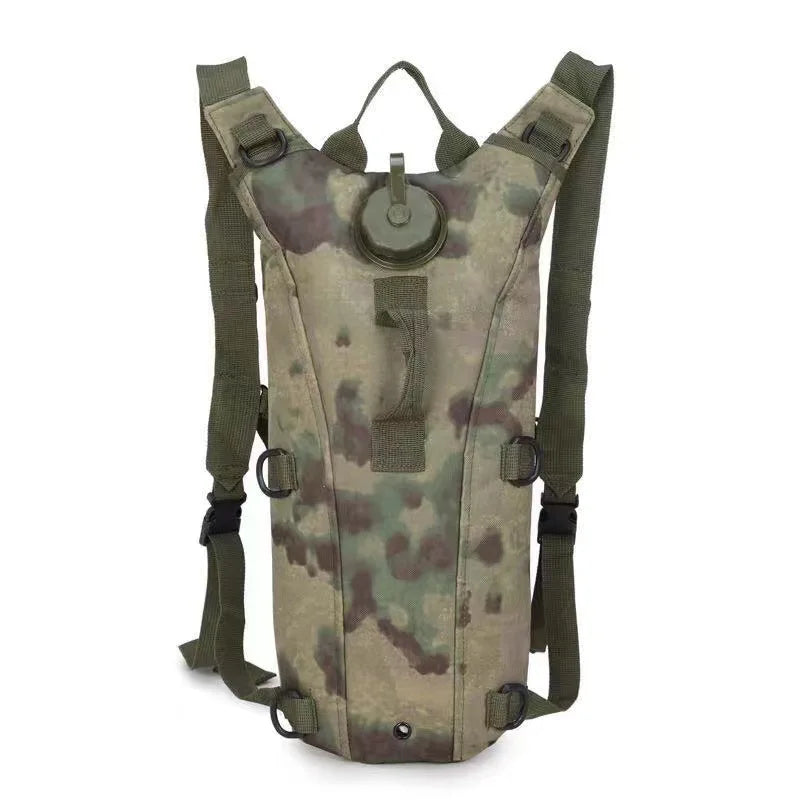
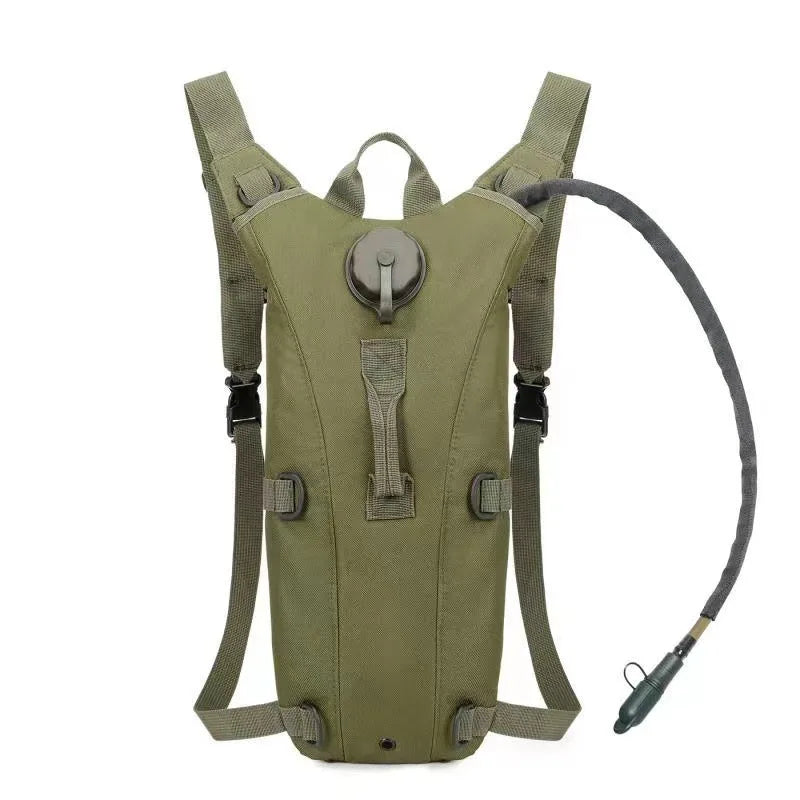
A camping hydration pack transforms how you drink water outdoors. Instead of stopping, unpacking, and guessing your intake, you sip consistently through a tube while walking.
- Hands-free hydration keeps your pace steady
- Even weight distribution reduces shoulder strain
- Clear reservoir tracking helps monitor water levels
- Encourages frequent hydration, preventing fatigue
Many hikers who switched from bottles report fewer dehydration issues and better endurance, especially on steep climbs.
How to Use a Camping Hydration Pack Step-by-Step
- Fill the reservoir properly: Use clean water and avoid overfilling to maintain balance.
- Secure it inside your pack: Use internal compartments or loops found in Backpacking & Carry systems.
- Route the drinking tube: Position it along your shoulder strap for easy access.
- Take small sips regularly: Drink every 10–15 minutes instead of large gulps.
- Refill strategically: Plan stops using streams with Personal Water Filters.
This method prevents dehydration spikes and helps maintain consistent energy levels.
How to Stop Running Out of Water Camping Trips
Running out of water is one of the most common and dangerous mistakes on multi-day hikes. The solution isn’t just carrying more—it’s carrying smarter.
- Calculate daily needs (approx. 2–4 liters depending on climate)
- Refill whenever possible, even if not empty
- Combine reservoir with backup from Collapsible Water Bottles
- Store extra in Waterproof & Dry Bags to prevent leaks
Experienced hikers often say: “If you see water, refill—don’t wait.”
Packing Water Efficiently for Hiking Trips
Efficient packing isn’t about carrying less water—it’s about optimizing space and weight.
| Method | Benefit | Best Use |
|---|---|---|
| Hydration Reservoir | Hands-free drinking | Active hiking |
| Collapsible Bottles | Expandable storage | Backup water |
| Filtered Refill | Unlimited source access | Remote trails |
Pair your hydration system with Compression & Packing Bags to keep gear organized and reduce bulk.
Browse smart hydration solutions in Hydration & Food.
Best Water Reservoir Packs for Hiking: What to Look For
Not all hydration packs are built the same. Choosing the right one can make or break your trip.
- Capacity: 2L–3L is ideal for multi-day hikes
- Durability: Leak-proof and puncture-resistant materials
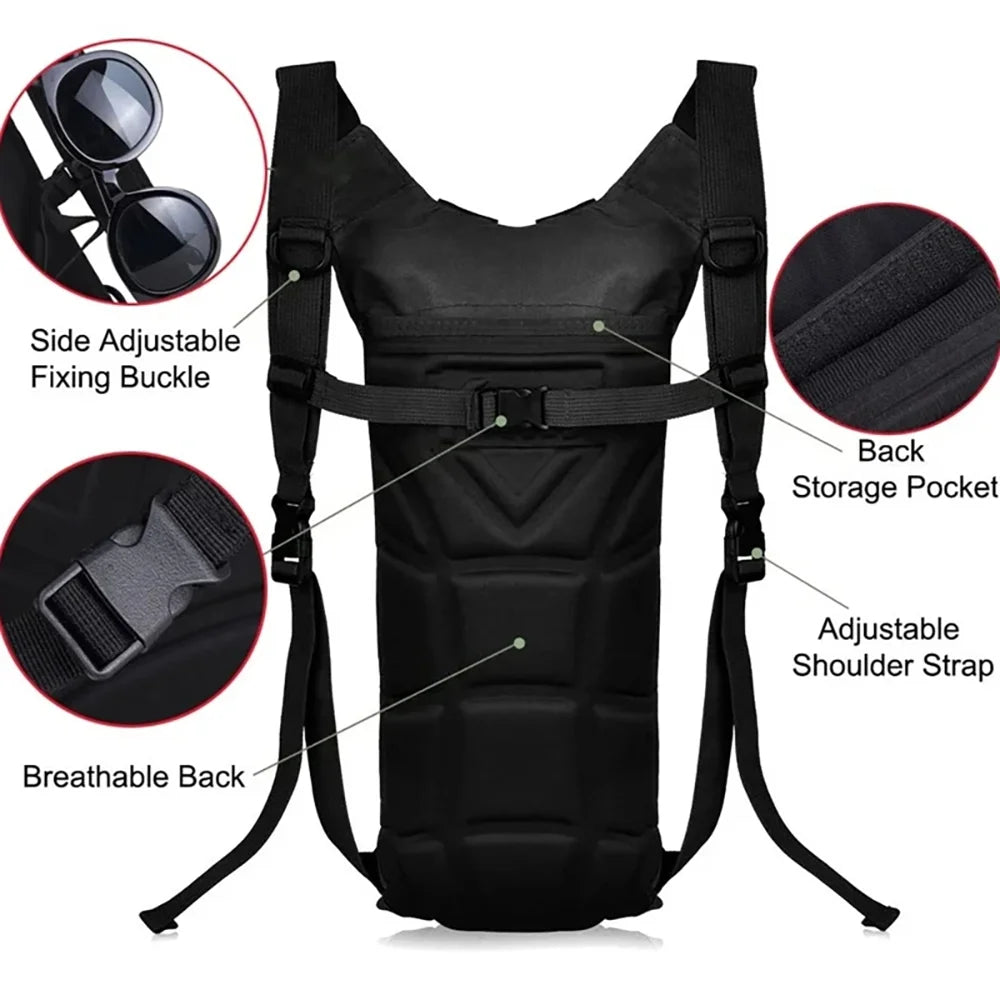
- Comfort: Breathable back panels and adjustable straps
- Storage: Extra compartments for snacks and tools
Look for compatibility with Lightweight Daypacks if you prefer modular setups.
Many outdoor travelers report that upgrading to a high-quality hydration pack reduced stops by 30% and improved overall hiking flow.
💡 See it in action
Real Trail Scenarios and Smart Hydration Strategies
Scenario 1: Hot desert hike
You sweat more than expected. A hydration pack allows constant sipping, preventing sudden dehydration.
Scenario 2: Mountain ascent
Steep climbs make stopping inconvenient. Hands-free hydration keeps your rhythm intact.
Scenario 3: Multi-day forest trek
Frequent water sources mean you carry less but refill often using filters.
- Always pair hydration packs with First Aid Kits for safety
- Use Headlamps & Wearable Lights for night hydration visibility
- Store food separately in Food Storage Bags & Containers
These small adjustments can dramatically improve comfort and safety.
Simple Hydration Checklist for Multi-Day Trips
- ✔ Fill reservoir before departure
- ✔ Carry backup water storage
- ✔ Pack a filtration system
- ✔ Monitor intake regularly
- ✔ Refill at every opportunity
💡 See it in action
Make Your Next Trip Easier and Safer
A camping hydration pack isn’t just gear—it’s a strategy. It helps you stay consistent, avoid running out of water camping trips, and manage weight efficiently.
Whether you're tackling a weekend hike or a multi-day expedition, the right hydration system keeps you focused on the journey—not the logistics.
Upgrade your setup with the 3L Waterproof Hydration Pack and stay prepared.
FAQs
How much water should I carry for a multi-day hike?
Most hikers need 2–4 liters per day depending on weather, terrain, and intensity. A camping hydration pack helps you track and manage this more easily.
Can I rely only on a hydration pack?
It’s best to combine it with backup storage like collapsible bottles and a filtration system for refilling safely.
How do I clean a hydration reservoir?
Rinse after each trip, use mild soap, and let it air dry completely to prevent bacteria buildup.
Is a hydration pack better than water bottles?
For active hiking, yes. It allows hands-free drinking and encourages consistent hydration compared to stopping for bottles.
Related Articles:
- What Is A Hydration Backpack And How To Use It Properly
- Camping Hydration Pack: How To Use It For Multi-Day Trips
- Hydration Bag For Cycling: How To Set Up And Ride Comfortably
- Hiking Hydro Backpack: How To Pack, Fit & Use On Trails
Pillar Articles:





