

Bpa Free Water Bladder: Key Benefits & Material Tech Explained
What is a BPA free water bladder and why does it matter?
BPA free water bladder refers to a hydration reservoir made without Bisphenol-A chemicals, ensuring safer drinking water during outdoor activities. A BPA free water bladder helps reduce exposure to harmful compounds while improving taste, durability, and flexibility. It is widely used by hikers and travelers who prioritize safe, clean hydration on long-distance adventures.
Bpa Free Water Bladder: Key Benefits & Material Tech Explained
A bpa free water bladder has become an essential piece of outdoor gear for hikers, campers, and travelers who want safe, convenient hydration without plastic taste or chemical concerns. Have you ever taken a sip of water mid-hike and noticed a strange plastic flavor or worrying odor? That’s exactly the problem modern BPA-free systems aim to solve through advanced material engineering and smarter design.
👉 Discover must-have camping gear for safer hydration and easier outdoor adventures
What is a BPA Free Water Bladder?
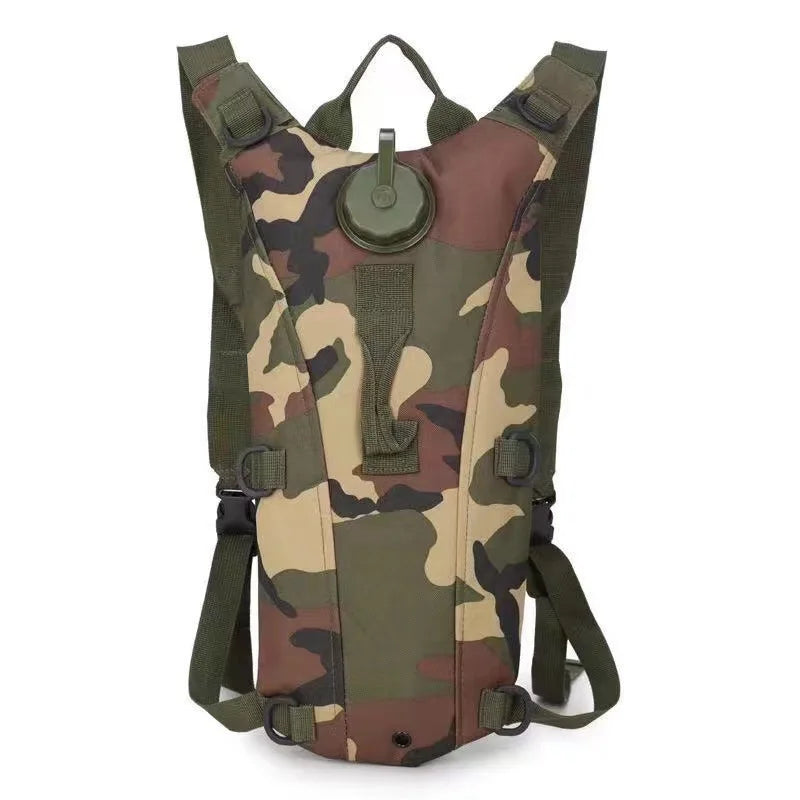
A bpa free water bladder is a flexible hydration reservoir designed for backpacks, made without BPA-based plastics. Instead, it uses safer polymers that reduce chemical leaching and improve water purity. These bladders are commonly used in hiking, cycling, and camping environments where clean hydration access is critical for performance and safety.
💡 See it in action
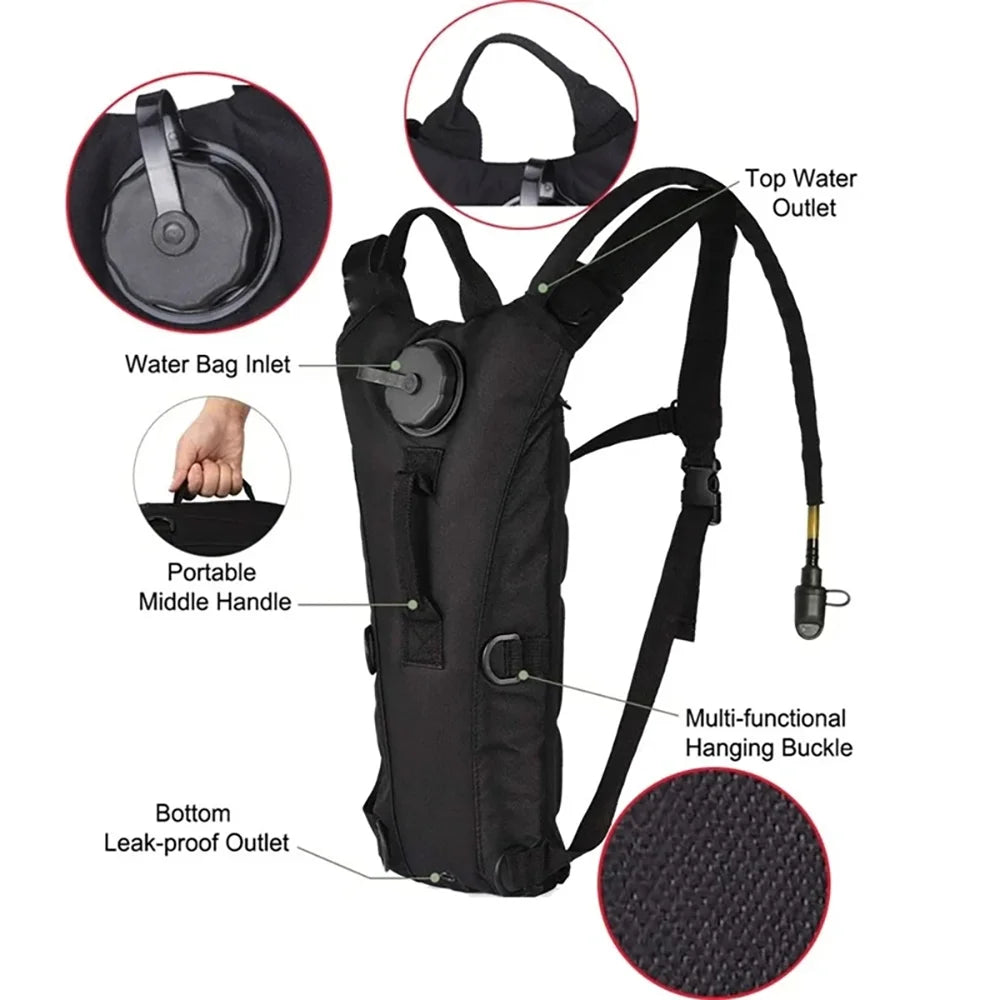
Unlike traditional bottles, hydration bladders integrate directly into backpacks, allowing hands-free drinking through a tube system. This makes them especially useful during long hikes, trail runs, or cycling routes where stopping frequently is inconvenient or unsafe.
👉 Learn how to choose the right hiking gear for comfort and safety on long trails
Key Benefits of BPA Free Hydration Systems
Modern BPA-free hydration systems are designed not just for safety but also for performance. They help maintain water quality, reduce odor buildup, and improve long-term durability in harsh outdoor environments.
- Improved water safety with BPA-free materials
- Better taste with reduced plastic odor
- Flexible design for backpack integration
- Lightweight structure for long-distance hiking
Many hikers choose systems like a BPA free hydration bladder 3L hiking setup because it provides enough capacity for full-day treks without adding unnecessary weight.
Why hikers prefer BPA-free hydration systems
Outdoor enthusiasts often report that BPA-free systems deliver a cleaner drinking experience. One backpacker noted that switching to a BPA-free bladder eliminated the “plastic taste” issue entirely during multi-day mountain hikes.
| Feature | BPA-Free Bladder | Traditional Bladder |
|---|---|---|
| Water Taste | Clean, neutral | Often plastic-like |
| Material Safety | High safety standards | May contain BPA |
| Durability | High with TPU | Moderate |
Material Technology Explained (TPU vs Alternatives)
One of the most important innovations in hydration gear is the use of TPU (thermoplastic polyurethane). A durable TPU hydration pack outdoor use system offers higher flexibility, abrasion resistance, and longer lifespan compared to older PVC-based materials.
TPU also performs better under temperature changes, making it suitable for both cold mountain environments and hot desert conditions. It maintains structure without cracking or leaking, which is essential for multi-day outdoor trips.
💡 See it in action
Material comparison overview
Choosing the right material affects hydration safety, comfort, and long-term reliability. Below is a simple comparison of common reservoir materials used in outdoor hydration systems.
- TPU: Flexible, durable, odor-resistant
- PVC: Cheaper but less safe over time
- Silicone blends: Lightweight but less rugged
For serious hikers and travelers, TPU-based systems remain the preferred option due to their balance of safety and durability.
How to Stay Hydrated While Hiking Safely
Understanding how to stay hydrated hiking safely is just as important as choosing the right gear. Dehydration can reduce endurance, increase fatigue, and even lead to dangerous conditions in remote environments.
- Drink small amounts consistently instead of large infrequent sips
- Monitor urine color as a hydration indicator
- Use electrolyte supplements for long hikes
- Refill from safe water sources using filters when needed
Hydration bladders make this process easier because they allow continuous sipping without stopping your movement, helping maintain steady hydration levels throughout your activity.
👉 Get yours now before your next trip and upgrade your hydration system
Hydration Bladder Feature Comparison
When selecting a hydration system, it helps to compare features that directly affect outdoor performance and comfort.
| Feature | Entry-Level Bladder | Advanced BPA-Free TPU Bladder |
|---|---|---|
| Material Safety | Basic plastic | BPA-free TPU |
| Capacity | 1–2L | Up to 3L+ |
| Durability | Moderate | High abrasion resistance |
| Taste Control | Variable | Consistently neutral |
For hikers covering long distances, a BPA free hydration bladder 3L hiking option is often ideal because it reduces refill frequency while maintaining manageable weight distribution in a backpack.
Real Outdoor Use Cases
Outdoor users rely on hydration bladders in a variety of real-world situations, from mountain trekking to urban trail running. The convenience of hands-free hydration becomes especially noticeable during intense activity.
One hiker shared that using a hydration reservoir during a 20km trail reduced fatigue because they didn’t need to stop repeatedly to reach a water bottle. Another cyclist highlighted improved performance during long rides due to consistent hydration access.
- Mountain hiking in hot climates
- Long-distance cycling routes
- Car camping and road trips
- Day hikes with steep elevation gain
For multi-use setups, pairing your bladder with gear from Backpacking & Carry helps optimize comfort and weight balance.
How to Choose the Right BPA Free Water Bladder
Selecting the right hydration system depends on your activity type, duration, and comfort needs. A well-designed bladder should feel lightweight, easy to refill, and resistant to leaks.
- Choose 2L for short hikes and day trips
- Choose 3L for long hikes or multi-day use
- Look for TPU construction for durability
- Check compatibility with your backpack system
For extended outdoor trips, combining your hydration system with items from Hydration & Food ensures efficient packing and better resource management.
Many adventurers also pair hydration systems with storage solutions like Camping Storage & Boxes to keep gear organized and accessible.
Product highlight for serious hikers
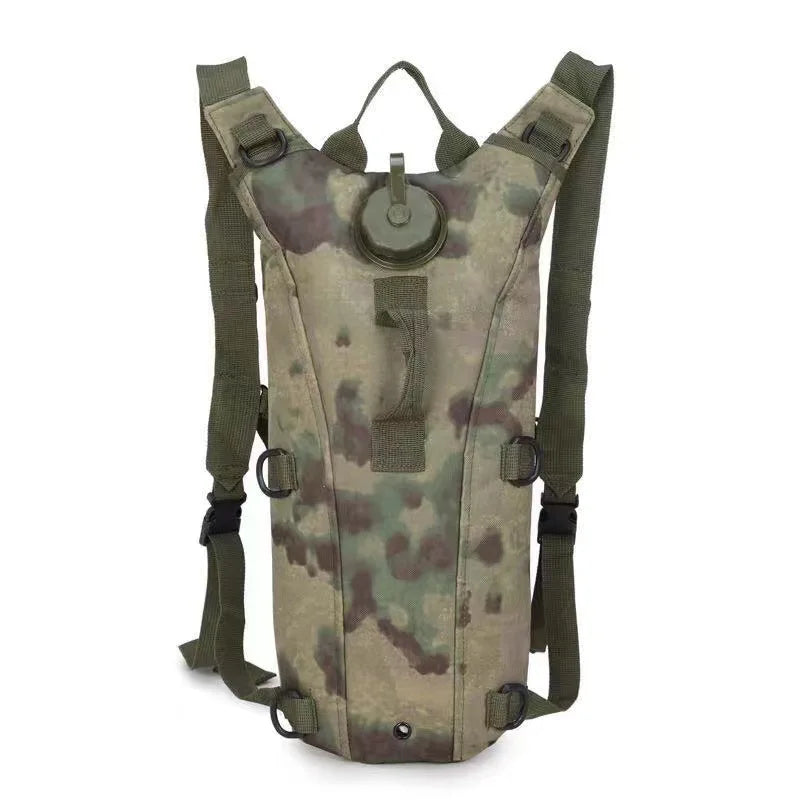
For those seeking a reliable all-in-one solution, the 3L waterproof hydration pack offers balanced capacity, BPA-free construction, and rugged outdoor durability designed for demanding trails and extended adventures.
💡 See it in action
Frequently Asked Questions
Is a BPA free water bladder safer than regular hydration systems?
Yes, BPA-free hydration systems reduce exposure to harmful chemicals and improve water taste, making them a safer choice for long-term outdoor use.
How long does a TPU hydration bladder last?
A high-quality TPU bladder can last several years with proper cleaning and storage, even under frequent outdoor use conditions.
Can I use a hydration bladder for hot weather hiking?
Yes, BPA-free TPU systems handle temperature changes well, making them suitable for both hot and cold environments.
How do I prevent odor buildup in my hydration bladder?
Rinse after every use, dry completely, and occasionally clean with mild baking soda solution to maintain freshness.
What size hydration bladder is best for beginners?
A 2–3L bladder is ideal for beginners, offering a balance between capacity and weight for most hiking conditions.
Pillar Article: Best Water Hydration Packs: Key Features That Boost Performance
Other Related Articles:
Explore More:





