

Mountain Biking Backpack Hydration: Brand Features And User Ratings
Mountain Biking Backpack Hydration: Brand Features And User Ratings
⏱ 7 min read
What is mountain biking backpack hydration and why does it matter?
Mountain biking backpack hydration is a hands-free water delivery system built into a riding backpack that lets cyclists drink easily while moving. The mountain biking backpack hydration system improves endurance, reduces fatigue, and keeps riders consistently hydrated on rough trails, making long rides safer, smoother, and more efficient in unpredictable outdoor conditions.
Hiking & Riding Comfort Starts with Smart Hydration
Ever struggled with stopping mid-trail just to grab water from your bag? Or felt drained halfway through a steep climb because hydration wasn’t easy enough? For riders and hikers alike, hydration design can make or break the experience. That’s why modern mountain biking backpack hydration systems are built for seamless access, comfort, and durability.
💡 See it in action
Key Features That Define Modern Hydration Packs
Today’s mountain biking backpack hydration systems are more than water storage. They integrate airflow design, ergonomic straps, and leak-resistant reservoirs. Riders now expect lightweight builds, stable fit on rough terrain, and materials that resist abrasion during long outdoor use.
- Hands-free drinking tube systems for continuous hydration
- Ergonomic load distribution for steep climbs
- Breathable mesh back panels for heat control
- Durable TPU hydration bladder construction
- Multiple storage compartments for tools and snacks
For better gear organization during trips, many riders pair hydration packs with Backpacking & Carry Solutions to balance load efficiency.
Hydration Pack Comparison Overview
| Feature | Basic Packs | Advanced MTB Hydration Packs | Premium Mountaineering Packs |
|---|---|---|---|
| Hydration Capacity | 1–2L | 2–3L | 3L+ |
| Comfort Fit | Moderate | High stability | Ergonomic pro-grade |
| Material Durability | Standard nylon | Reinforced TPU | Ultra-durable TPU + ripstop |
| Best Use | Short rides | Trail riding | Alpine expeditions |
Fixing Uncomfortable Hydration During Mountain Trekking
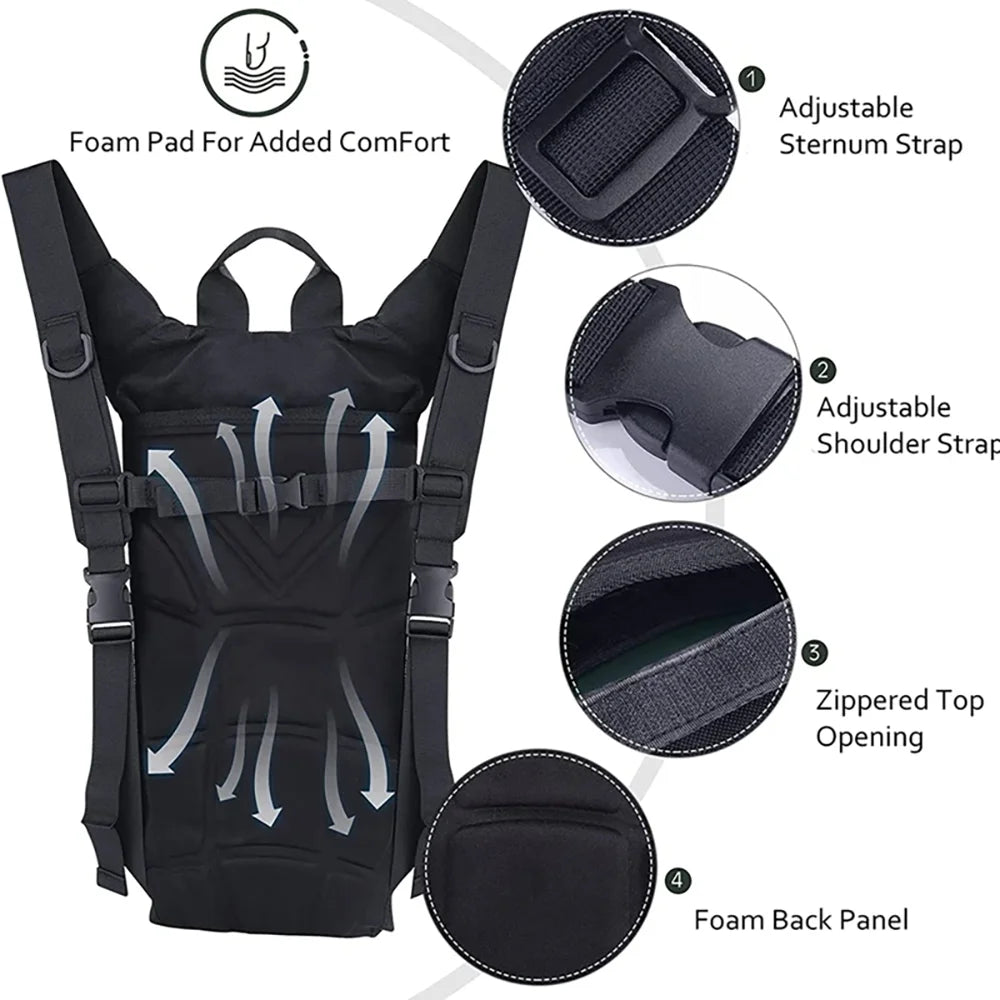
Many hikers report uncomfortable hydration during mountain trekking due to poor strap design, bouncing reservoirs, or awkward tube placement. These issues lead to reduced drinking frequency and faster fatigue on steep climbs or long-distance rides.
- Padded shoulder straps reduce pressure points
- Chest stabilizers prevent pack movement
- Side-access hydration tube improves drinking ease
- Balanced weight distribution prevents back strain
Choosing a system built for motion stability significantly improves endurance and enjoyment on rugged terrain.
Why Durable TPU Hydration Packs Matter Outdoors
High-performance riders increasingly prefer a durable TPU hydration pack outdoor use design because it resists punctures, temperature shifts, and repeated folding. TPU (thermoplastic polyurethane) is flexible yet strong, making it ideal for unpredictable outdoor conditions.
- Resists cracking in cold weather
- Handles high-pressure water flow
- Reduces taste contamination from plastics
- Lasts longer under rugged trail conditions
For extended outdoor trips, pairing hydration systems with gear from Hydration & Food ensures consistent performance and easy refueling.
💡 See it in action
User Ratings and Real Trail Feedback
Outdoor enthusiasts consistently highlight hydration backpacks as essential gear. Riders report better stamina, fewer breaks, and improved focus during technical climbs. Many reviews emphasize how hydration convenience directly affects performance.
| Feature | User Rating (Avg) | Feedback Summary |
|---|---|---|
| Hydration Ease | 4.8/5 | Quick access improves ride flow |
| Comfort | 4.6/5 | Stable even on rocky trails |
| Durability | 4.7/5 | TPU systems last multiple seasons |
One rider shared: “Switching to a hydration pack changed my mountain rides completely. I don’t stop nearly as often, and I feel more consistent on long climbs.”
How to Choose the Right Hydration Pack
Choosing the right system depends on terrain, trip duration, and load requirements. Riders should consider hydration capacity, fit stability, and storage layout.
- Choose 2–3L capacity for long mountain rides
- Check strap stability for downhill control
- Prioritize TPU bladders for durability
- Ensure easy-clean reservoir access
Lightweight options from Lightweight Daypacks are ideal for fast-paced trail riding and minimal load setups.
Best Hydration Packs for Mountaineering Trips
For alpine environments, hydration systems must balance insulation, durability, and carrying capacity. The best hydration packs for mountaineering trips often include reinforced stitching, thermal insulation for water reservoirs, and extra storage for emergency gear.
- Insulated hydration tubes prevent freezing
- Extra compartments for survival tools
- Reinforced back panels for heavy loads
- Weather-resistant outer shell
For rugged adventures, explore gear combinations with Weather Protection & Environment to stay safe in changing conditions.
Product Spotlight: Reliable Trail Hydration Performance
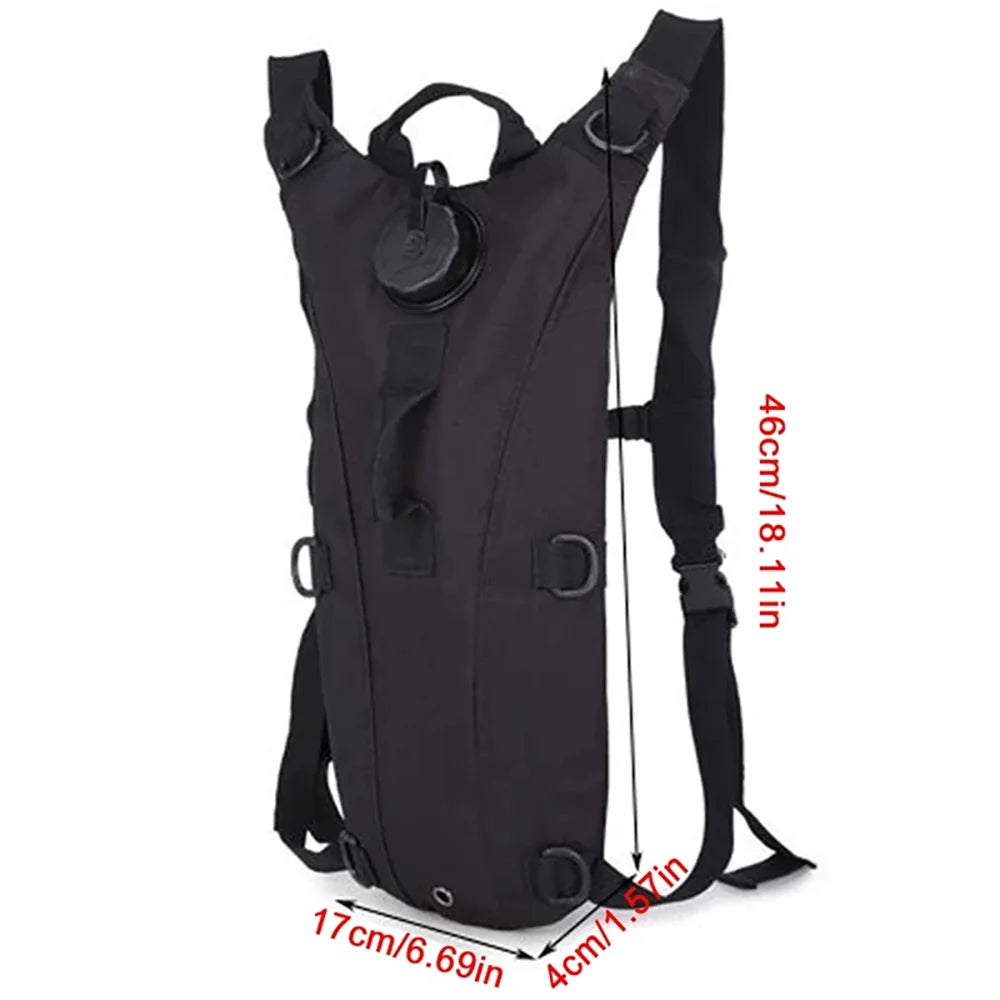
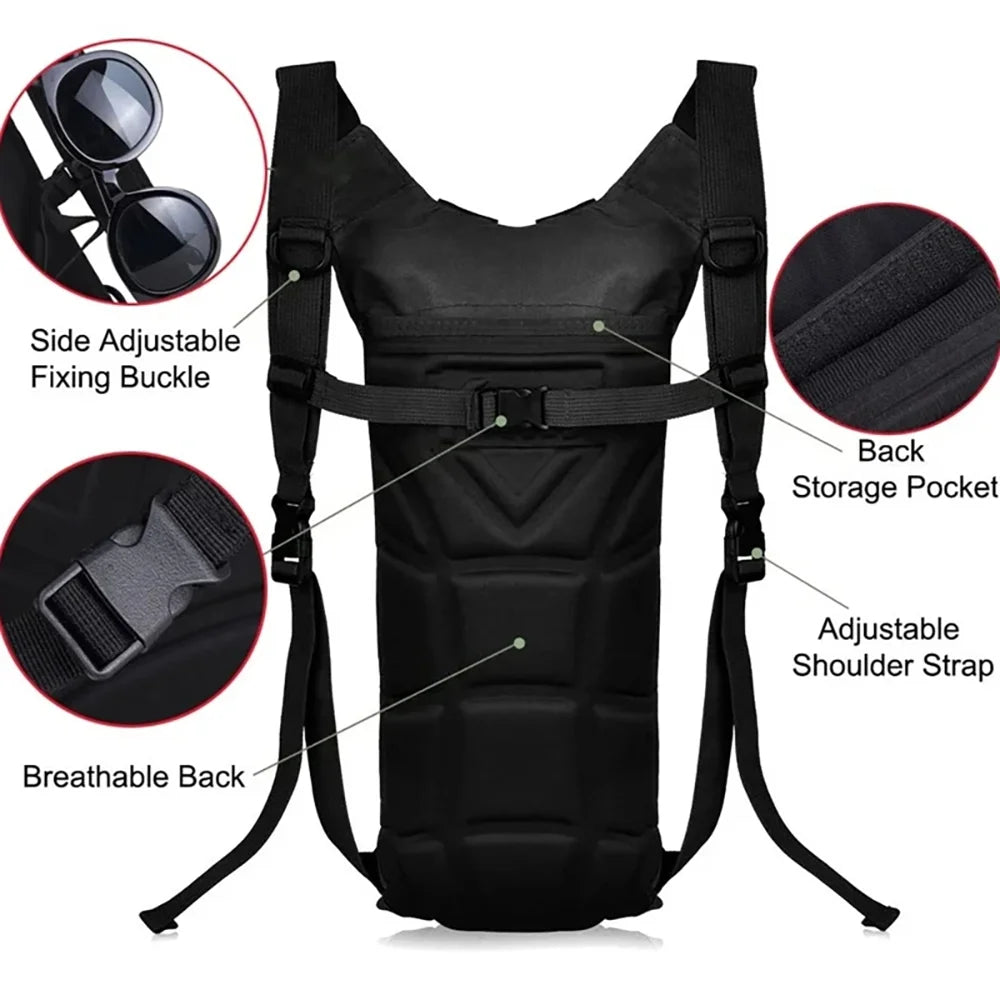
One standout option is designed for riders who need consistent hydration flow and rugged durability. Built for long-distance cycling and mountain terrain, it balances storage efficiency with a stable fit system that reduces bounce and improves comfort during steep climbs and fast descents.
👉 View 3L Waterproof Hydration Pack
💡 See it in action
Maintenance Tips for Longer Pack Life
Proper care extends the lifespan of hydration systems significantly. Cleaning and storage habits prevent mold, odor, and material breakdown.
- Rinse reservoir after every ride
- Air dry completely before storage
- Use mild cleaning tablets monthly
- Store in cool, dry environment
For long trips, pairing hydration gear with Camping Storage & Boxes helps keep equipment organized and protected.
FAQ
How much water should a mountain biking hydration pack hold?
Most riders use 2–3 liters for long trail rides. This capacity balances weight and hydration needs effectively.
Are TPU hydration packs better than standard plastic ones?
Yes, TPU packs are more durable, flexible, and resistant to wear, making them ideal for rugged outdoor use.
Can hydration packs be used for hiking and mountaineering?
Absolutely. Many models are designed for multi-sport use, including hiking, trekking, and alpine climbing.
How do I prevent leaks in my hydration system?
Regular cleaning, proper sealing, and avoiding overfilling help maintain leak-free performance.
What is the biggest benefit of hydration backpacks?
The biggest benefit is hands-free hydration, which improves endurance, comfort, and safety during outdoor activities.
Conclusion
Mountain biking backpack hydration systems have become essential for anyone tackling rough trails, long climbs, or unpredictable mountain weather. With better comfort, durable materials, and smarter hydration access, riders can focus more on performance and less on stopping for water. Choosing the right pack transforms every outdoor journey into a smoother and more enjoyable experience.
Pillar Article: Cyclist Hydration Pack Review: Top Brands Compared For Performance
Other Related Articles:
Explore More:





