

Lightweight Camping Hammock: How To Pack And Set Up Fast
Lightweight Camping Hammock: How To Pack And Set Up Fast
⏱ 9 min read
Does a lightweight camping hammock make setup faster?
A lightweight camping hammock can reduce setup time to under five minutes when packed correctly and paired with efficient straps, compact gear organization, and smart campsite selection. Lightweight systems also improve comfort, reduce backpack strain, and simplify sleep setup in crowded or uneven campsites during backpacking trips.
Lightweight camping hammock systems make fast shelter setup easier than most campers expect, especially when mastering a lightweight hammock setup for backpacking trips in tight campsites. From a limited space backpacking hammock setup to improving sleep quality outdoor hammock camping, the right approach also helps with securing hammock straps for outdoor safety while reducing pack weight and setup stress. A few smart packing tricks can cut setup time dramatically and change how comfortably you sleep outdoors—but which mistake slows most campers down?
Ever arrived at camp exhausted, only to spend 30 frustrating minutes untangling straps and searching for flat ground? Backpackers often carry more weight than necessary while still sleeping poorly outdoors.
A lightweight camping hammock changes that experience fast. With the right packing method and a few setup habits, you can create a comfortable sleeping space almost anywhere while keeping your backpack lighter and more organized.
👉 Discover must-have camping gear for quicker overnight setups and lighter backpacking trips.
Camping & Picnic | Hammocks & Straps | 2 Person Camping Hammock With Mosquito Net
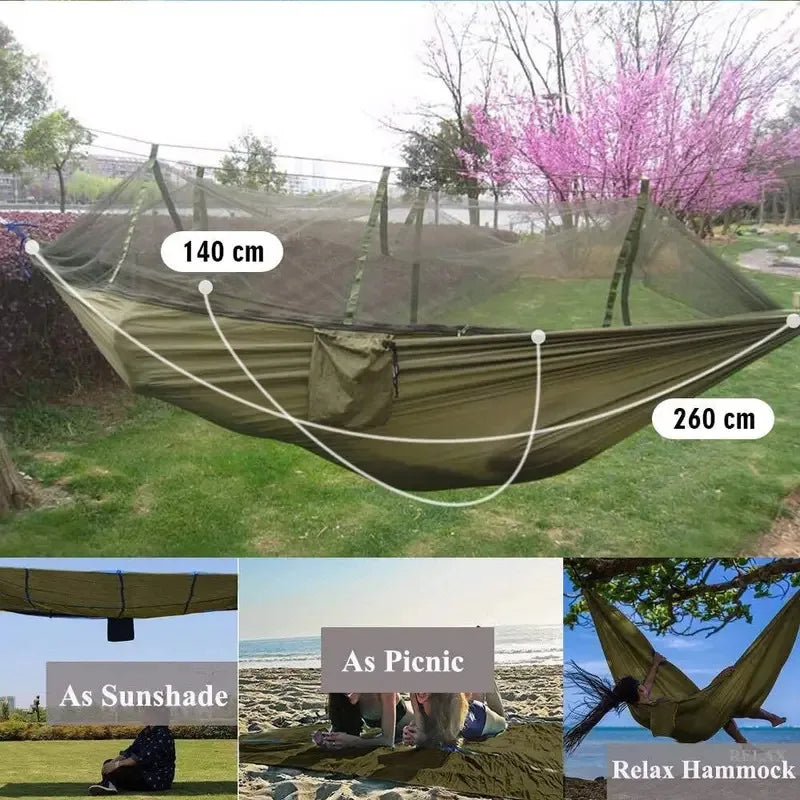
💡 See it in action
Why Lightweight Hammocks Make Backpacking Easier
A lightweight camping hammock eliminates the need for perfectly flat ground while reducing total shelter weight. Most backpackers save space, speed up setup, and improve airflow during warm-weather trips by switching from bulky tents to compact hammock systems.
Traditional tent camping often creates several problems:
- Heavy shelter weight
- Long setup times after dark
- Difficulty finding flat campsites
- Poor airflow in humid weather
- Wet ground discomfort
Modern backpacking hammock systems solve many of these issues with compact materials, quick-connect straps, and ultralight fabrics.
Many hikers also combine hammock systems with gear from Compression & Packing Bags and Waterproof & Dry Bags to keep camp organization simple during unpredictable weather.
What gear actually makes camping easier?
The biggest difference usually comes from gear that saves time repeatedly. Lightweight hammocks reduce setup stress every night, especially during multi-day backpacking trips where energy and daylight become limited.
| Feature | Traditional Tent | Lightweight Hammock |
|---|---|---|
| Average Setup Time | 10–25 minutes | 3–5 minutes |
| Flat Ground Required | Yes | No |
| Pack Size | Large | Compact |
| Airflow | Moderate | Excellent |
How a Smart Packing System Saves Time
A fast lightweight hammock setup for backpacking trips starts before leaving home. Poor organization creates unnecessary delays once you reach camp.
The fastest backpackers separate their gear into setup order.
- Keep hammock straps in an exterior pocket
- Store rain tarp separately for fast access
- Use dry bags for insulation layers
- Attach carabiners before packing
- Pack nighttime gear near the top of the backpack
Using organizers from Gear Organizers & Pouches and accessories from Hooks, Clips & Carabiners can significantly reduce campsite clutter.
Fast-packing tips experienced backpackers use
- Roll straps separately to prevent tangles
- Use color-coded bags for sleep gear
- Keep your tarp attached during rainy trips
- Practice setup at home before long hikes
One weekend hiker shared that switching to a compact hammock system cut their average evening setup from nearly 20 minutes to less than six.
👉 Learn how to choose the right hiking gear for faster camps and easier overnight comfort.
Backpacking & Carry | Lightweight Daypacks | 2 Person Camping Hammock With Mosquito Net
How To Set Up a Lightweight Camping Hammock Fast
A lightweight camping hammock setup becomes much easier when you follow the same repeatable process every trip.
- Select two healthy trees about 12–15 feet apart
- Wrap hammock straps at shoulder height
- Secure straps evenly on both sides
- Clip hammock into carabiners
- Adjust sag angle for comfort
- Add rain tarp if weather changes
For extra protection during changing weather, many backpackers also carry gear from Ground Sheets & Tarps and Weather Protection & Environment.
Best setup angle for comfort
Most hammock campers sleep better with roughly a 30-degree strap angle. This creates enough sag to support your back comfortably without excessive pressure points.
Improving sleep quality outdoor hammock camping often depends more on angle adjustment than expensive accessories.
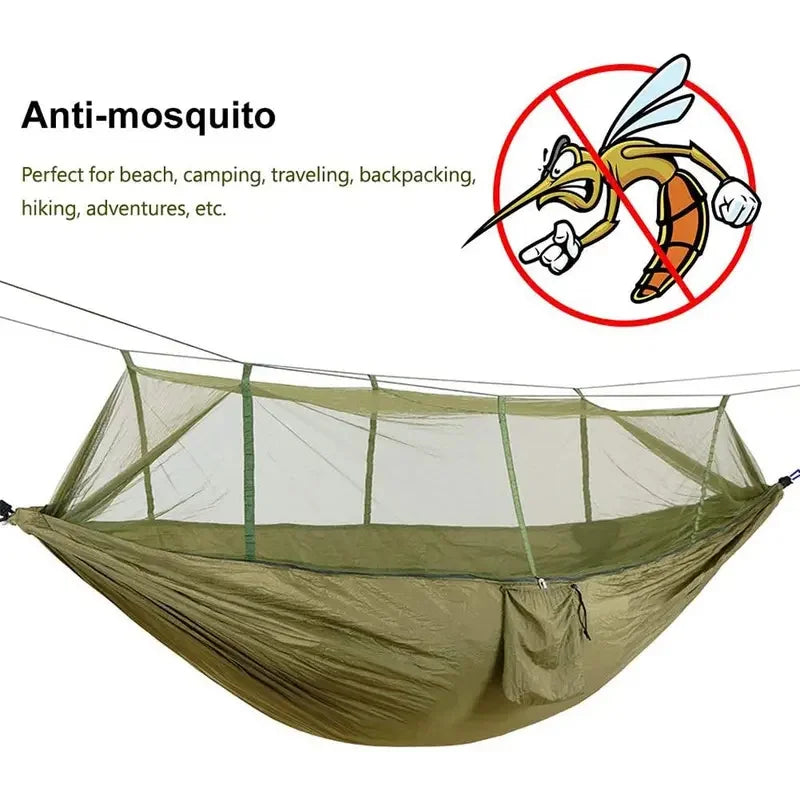
💡 See it in action
How To Handle a Limited Space Backpacking Hammock Setup
A limited space backpacking hammock setup becomes easier when you look beyond traditional campsite layouts. Hammocks work well in rocky terrain, narrow forest gaps, and uneven areas where tents struggle.
Compact campsites are common near lakes, crowded trails, and popular national parks.
To maximize small-space setups:
- Use shorter suspension straps when trees are close
- Choose lightweight tarp systems with adjustable coverage
- Angle the hammock diagonally across narrow gaps
- Store backpacks underneath using dry protection
Many campers improve organization further with Camping Storage & Boxes and Car Camping Accessories during mixed road-trip adventures.
How to avoid crowded campsite frustration
Arriving late often leaves limited tent space available. Hammocks provide flexibility because they do not rely on flat terrain. That flexibility can completely change stressful evenings after long hikes.
How Outdoor Hammock Camping Improves Sleep Quality
Improving sleep quality outdoor hammock camping is one of the biggest reasons many backpackers never return to tents.
Unlike rocky ground surfaces, hammocks naturally distribute body weight more evenly.
Sleep comfort improves further when combined with:
| Sleep Problem | Common Tent Issue | Hammock Benefit |
|---|---|---|
| Pressure points | Hard ground | Weight distribution |
| Heat buildup | Low airflow | Ventilation underneath |
| Uneven terrain | Rocky sleeping surface | Suspended sleeping position |
Several long-distance hikers report waking up with less stiffness after switching to lightweight hammock systems during multi-night trips.
Why Securing Hammock Straps Matters for Outdoor Safety
Securing hammock straps for outdoor safety prevents accidents, equipment damage, and tree harm. Wide straps distribute weight more evenly, reduce bark damage, and improve overall stability during overnight use.
One of the most common mistakes new hammock campers make is rushing strap placement.
Safe hammock strap practices
- Use tree-friendly wide straps
- Avoid damaged or dead trees
- Check knots before entering the hammock
- Keep straps dry when possible
- Inspect suspension points every trip
Additional safety gear from Safety, Survival & Emergency and First Aid Kits can also provide peace of mind during remote trips.
Campers who regularly backpack in wet climates often carry extra backup clips from Hooks, Clips & Carabiners to handle muddy or slippery conditions.
Essential Backpacking Hammock Packing Checklist
Fast setups depend heavily on carrying the right gear without overpacking.
Recommended lightweight hammock packing list
- Lightweight hammock system
- Tree straps and carabiners
- Rain tarp
- Compact sleeping insulation
- Headlamp for nighttime setup
- Dry bags for weather protection
- Portable water filtration
Useful companion gear includes:
Backpackers who prioritize ultralight setups often discover that reducing repeated campsite stress matters just as much as lowering total pack weight.
Hammock vs Tent for Fast Backpacking Camps
Both systems work well outdoors, but lightweight hammock systems offer major advantages for speed-focused backpackers.
| Camping Style | Best Shelter Choice | Main Advantage |
|---|---|---|
| Ultralight hiking | Hammock | Reduced weight |
| Dense forest camping | Hammock | Flexible setup locations |
| Open desert camping | Tent | Limited anchor points |
| Cold winter conditions | Depends on insulation | Weather management |
Many outdoor travelers eventually build hybrid systems using both tents and hammocks depending on climate and terrain.
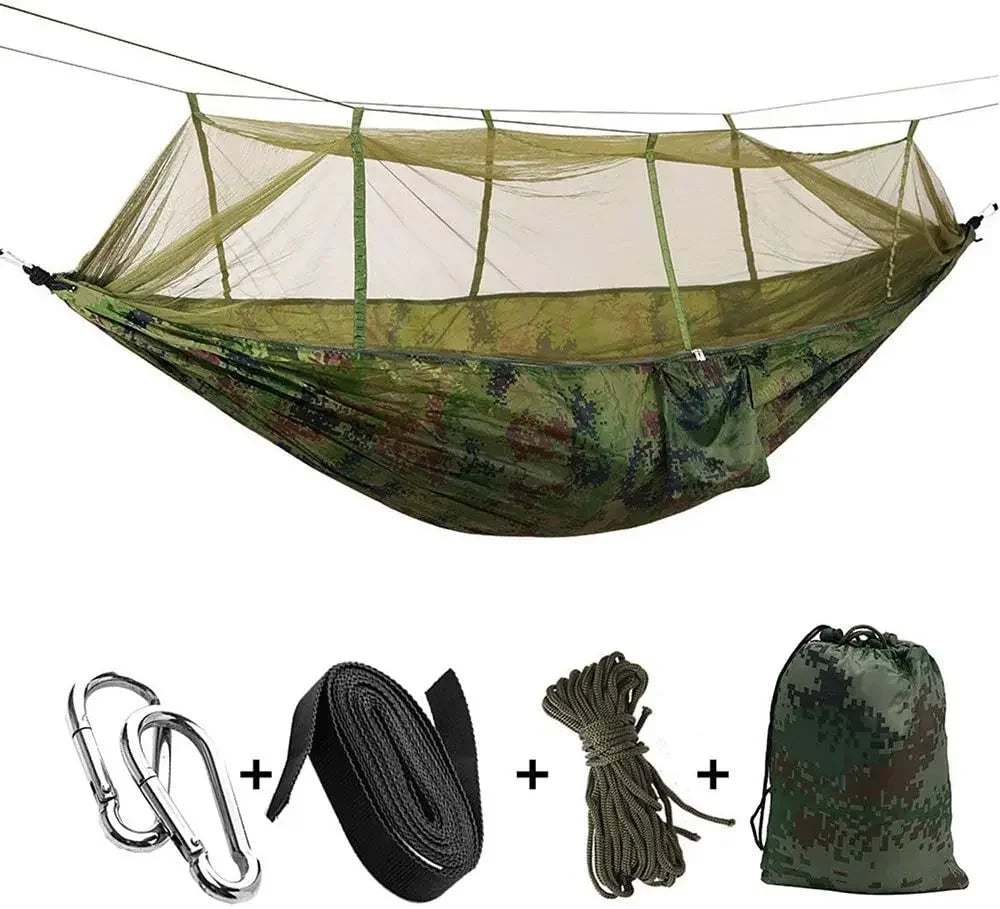
💡 See it in action
Common Lightweight Hammock Mistakes To Avoid
Even experienced campers sometimes make simple mistakes that slow down setup or reduce comfort.
Top setup mistakes
- Packing wet straps with dry gear
- Choosing trees too far apart
- Hanging straps too low
- Ignoring weather forecasts
- Skipping practice setups before trips
Small adjustments can dramatically improve comfort and speed.
One backpacker noted that practicing setup twice at home saved nearly 15 minutes during their first overnight mountain trip.
👉 Get yours now before your next trip and simplify every overnight camp
Pillar Article: Camping Hammock With Bug Net: How To Set Up For Bug-Free Sleep
Other Related Articles:
- Camping Hammocks With Bug Net: How To Set Up In 5 Steps
- Person Hammock With Bug Net: How To Install Without Hassle
- Mosquito Net Hammock Camping: How To Stay Bite-Free Outdoors
Explore More:





