

Waterproof Dry Bag For Kayaking Setup Guide For Beginners
Does a waterproof dry bag for kayaking really keep your gear dry?
A waterproof dry bag for kayaking keeps gear dry by using durable waterproof materials and a tight roll-top seal that blocks water entry. When packed and sealed correctly, it protects essentials like clothes, electronics, and food even during splashes, rain, or accidental submersion.
Waterproof Dry Bag For Kayaking Setup Guide For Beginners
Waterproof dry bag for kayaking is the simplest way to protect your gear, but most beginners still get it wrong. Learn how to keep gear dry kayaking with smart packing hacks, a sealing roll top bags correctly guide, and why choosing a waterproof dry bag backpack for kayaking can transform comfort and safety. We also break down the best waterproof dry bags for kayaking trips so you avoid costly mistakes—are you packing yours the right way?
⏱ 8 min read
Ever opened your bag after a perfect paddle—only to find soaked clothes, ruined snacks, and a dead phone? It’s one of the most frustrating beginner mistakes. Water gets everywhere. The difference between a great trip and a stressful one often comes down to one thing: how well you protect your gear.
What gear actually makes kayaking easier and stress-free?
A reliable waterproof dry bag setup solves that instantly. But only if you use it the right way.
👉 Discover must-have kayaking gear that keeps every trip stress-free
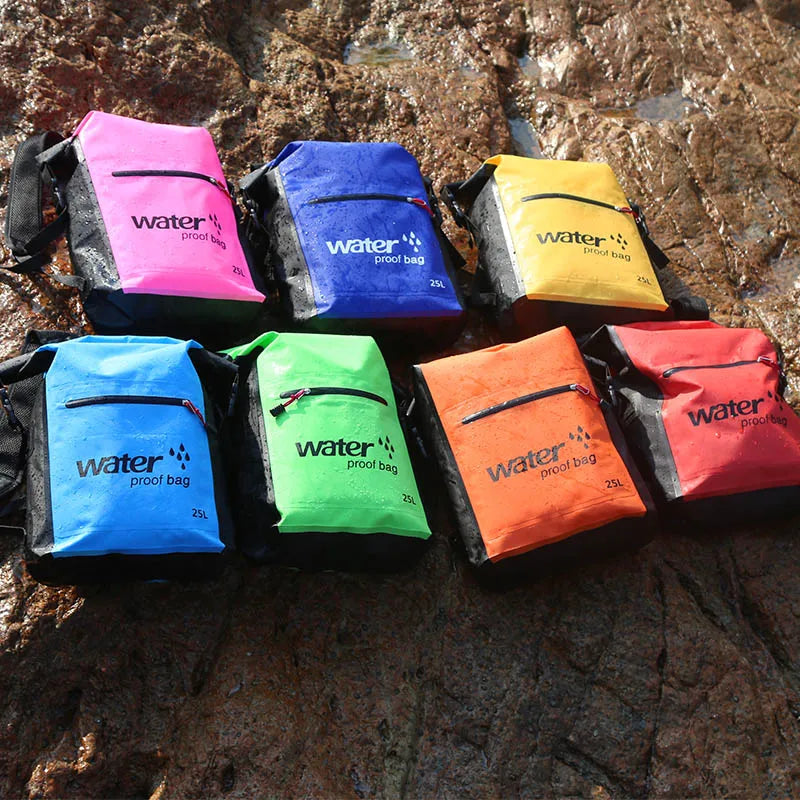
💡 See it in action
Why Waterproof Dry Bags Matter for Beginners
Kayaking introduces unpredictable conditions. Even calm lakes can turn choppy. Splash, rain, or accidental tipping happens more often than you expect.
Without protection, your gear is vulnerable:
- Phones and electronics can fail instantly
- Clothes stay wet all day
- Food becomes soggy and unusable
- Safety gear loses effectiveness
A waterproof dry bag for kayaking acts like a barrier between chaos and control. It gives you confidence to focus on the experience—not your gear.
How a Waterproof Dry Bag for Kayaking Works
A waterproof dry bag for kayaking uses thick waterproof fabric and a roll-top closure system to create an airtight seal. When rolled tightly and clipped, it prevents water from entering—even during splashes or short submersions—keeping your gear safe and dry throughout your trip.
Unlike regular backpacks, dry bags don’t rely on zippers. Instead, they use compression and folding.
- Heavy-duty materials block water penetration
- Roll-top creates pressure seal
- Clip locks the seal in place
- Air inside adds buoyancy
This design is simple—but extremely effective when used correctly.
Step-by-Step: Sealing Roll Top Bags Correctly Guide
If your dry bag leaks, it’s usually not the bag—it’s the seal.
- Align the opening: Flatten the top evenly before rolling
- Roll tightly: Roll at least 3–4 times downward
- Remove excess air: Compress gently before final roll
- Clip securely: Lock both ends tightly
- Test seal: Lightly press to check for air escape
This process takes seconds but makes a huge difference.
Quick checklist:
- No wrinkles in roll
- Minimum 3 rolls
- Firm compression
- Clips fully locked
Miss one step—and water finds a way in.
How to Pack Smart and Keep Gear Dry Kayaking
Packing isn’t just about fitting items—it’s about protection and access.
Layering Strategy
- Bottom: soft items (clothes, towels)
- Middle: food and medium gear
- Top: essentials (phone, snacks, maps)
Use Internal Organization
Combine dry bags with Gear Organizers & Pouches to separate items.
Double Protection for Valuables
- Electronics → small dry pouch inside main bag
- Documents → zip-lock + dry bag
Balance Weight
Even distribution prevents tipping and improves paddling efficiency.
Smart packing = faster access + better safety.
👉 Learn how to choose the right kayaking setup for your next trip
Why a Waterproof Dry Bag Backpack for Kayaking Changes Everything
Traditional dry bags protect gear—but carrying them can be awkward.
A waterproof dry bag backpack for kayaking solves that:
- Hands-free movement during launch and landing
- Even weight distribution reduces fatigue
- Quick access to essentials
- Comfortable for longer trips
It’s especially useful when:
- Walking to remote launch spots
- Switching between hiking and paddling
- Carrying heavier gear loads
This hybrid design combines convenience and protection.
Best Waterproof Dry Bags for Kayaking Trips
Not all dry bags are the same. Choosing the right one depends on your trip.
By Size
- 5L–10L: Essentials only (phone, snacks)
- 15L–25L: Day trips (clothes, food)
- 30L+: Multi-day adventures
By Material
- Lightweight: easy to carry, less durable
- Heavy-duty: rugged, long-lasting
By Use Case
- Backpack style → best for mobility
- Standard sack → best for storage
Explore more options in Backpacking & Carry for complete setups.
Dry Bag Comparison Table
| Type | Best For | Capacity | Comfort |
|---|---|---|---|
| Standard Dry Bag | Basic protection | 5L–30L | Low |
| Dry Bag Backpack | Mobility & comfort | 15L–30L | High |
| Heavy-Duty Dry Bag | Rough conditions | 20L+ | Medium |
Choosing the right type prevents frustration later.
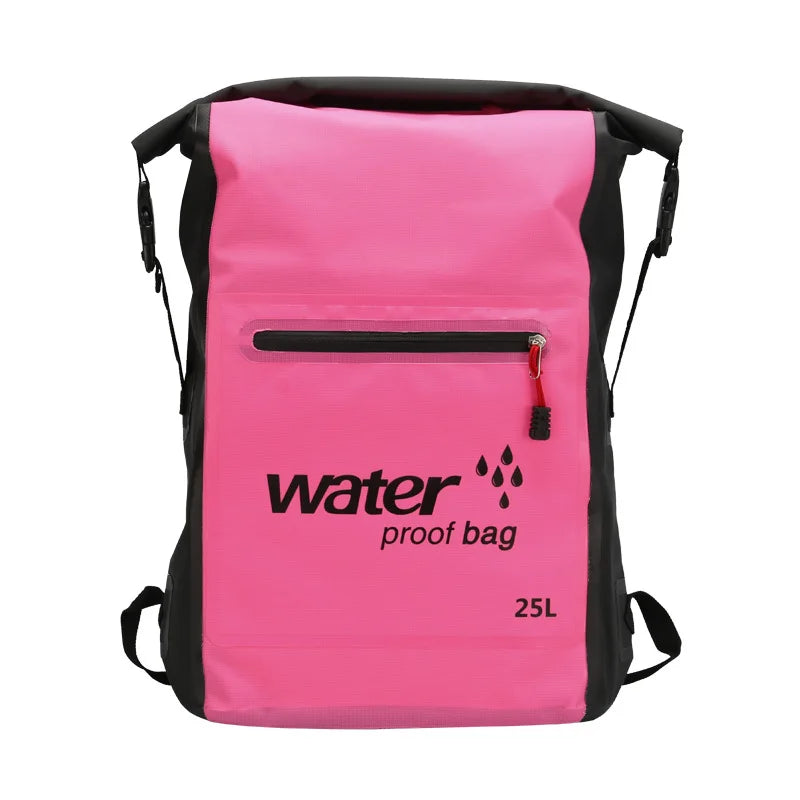
💡 See it in action
Common Mistakes Beginners Make
Even with the best gear, simple mistakes can ruin your trip.
- Not rolling the top enough
- Overpacking beyond capacity
- Ignoring air removal
- Mixing wet and dry items
- Using low-quality bags
Avoid these, and you instantly improve your experience.
Pro Tips from Real Kayakers
Experienced paddlers rely on small habits that make a big difference.
- Always test your seal before launch
- Keep frequently used items near the top
- Use multiple smaller dry bags instead of one large
- Attach bags using Hooks, Clips & Carabiners
- Store backup clothes in a separate sealed bag
Real feedback:
“Switching to a dry bag backpack completely changed my trips—no more juggling gear at the shore.”
“I used to think one roll was enough. Now I always do four—and my gear stays dry every time.”
Complete Kayaking Packing Checklist
- Dry bag (main)
- Backup waterproof pouch
- Clothes (sealed)
- Food in Food Storage Bags & Containers
- Water from Collapsible Water Bottles
- Safety kit from Safety, Survival & Emergency
This checklist ensures you’re prepared for real conditions—not just ideal ones.
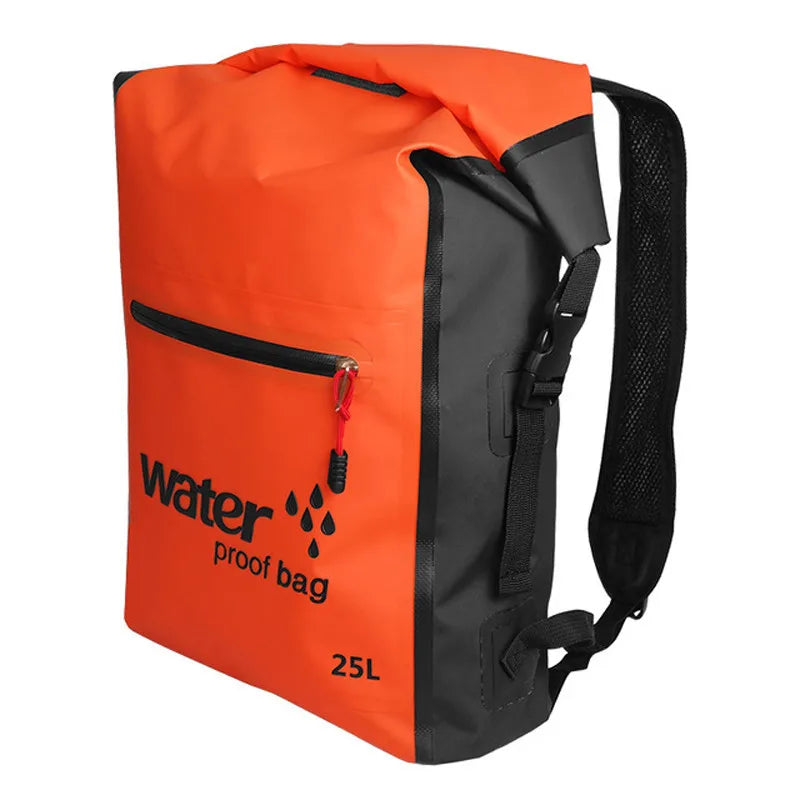
💡 See it in action
Why Beginners Upgrade After Their First Trip
Most beginners start with basic gear—and quickly realize the limitations.
Common upgrade reasons:
- Better comfort
- Improved waterproof reliability
- Easier organization
- More efficient packing
A waterproof dry bag backpack for kayaking often becomes the go-to solution.
👉 Get yours now before your next kayaking trip!
FAQ
How many times should you roll a dry bag?
At least 3–4 tight rolls are recommended to create a secure waterproof seal.
Can a dry bag fully protect electronics?
Yes, but double protection using smaller waterproof pouches inside is safer.
What size dry bag is best for beginners?
15L–25L is ideal for day trips, offering enough space without being bulky.
Are dry bag backpacks better than standard ones?
Yes, they provide better comfort, mobility, and weight distribution for longer trips.
Do dry bags float if dropped in water?
Most do, especially when sealed with some air inside, making them easier to recover.
Related Articles:
- Is Pvc Waterproof For Dry Bags And Outdoor Travel
- Waterproof Backpack Beach Packing Tips That Keep Gear Dry
- What Is A Dry Bag And How Do You Use One Properly
- How To Pack A Dry Bag Backpack Waterproof The Right Way
Pillar Articles:





