

Best Waterproof Bags For Kayaking Compared For 2026
Roll Top Waterproof Backpack Vs Dry Bag Backpack
⏱ 9 min read
Does a Roll Top Waterproof Backpack Actually Keep Gear Dry?
A roll top waterproof backpack protects clothing, electronics, snacks, and outdoor gear better than many standard dry bags during active travel. The roll-top seal reduces water entry during kayaking, hiking, and rainy trips while giving travelers a more comfortable carrying system than traditional cylindrical dry bags.
Choosing between a roll top waterproof backpack and a dry bag backpack can feel confusing when every product promises complete protection. Families on kayaking trips, hikers caught in storms, and travelers carrying cameras often discover too late that not every waterproof bag performs the same way. This guide compares real-world performance, comfort, storage, and durability so you can pack smarter before your next outdoor adventure.
Have you ever opened a bag after a rainy paddle trip only to find wet clothes, soaked towels, or ruined electronics?
That moment is exactly why many outdoor travelers are moving away from basic sacks and upgrading to a more practical roll top waterproof backpack for travel.
Explore practical outdoor storage and waterproof packing systems through Waterproof & Dry Bags and Backpacking & Carry collections before your next adventure.
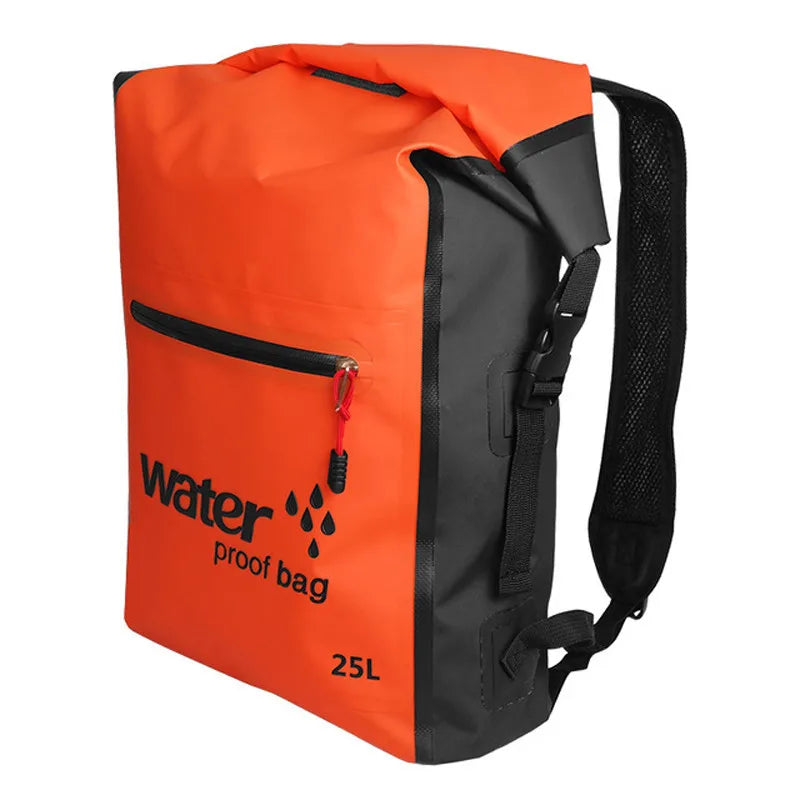
💡 See it in action
Why Travelers Switch to Roll Top Designs
A roll top waterproof backpack offers a better balance between waterproof protection and comfortable carrying. Unlike traditional tube-style dry bags, backpack models distribute weight evenly across the shoulders and back, making them easier to carry during long walks, beach crossings, and hiking trails.
Many travelers first notice the difference during active trips where constant movement matters more than simple water resistance.
Key advantages travelers mention most often
- Hands-free carrying during kayaking launches
- Better comfort on long hikes
- Faster gear organization
- Reduced shoulder strain
- More stable weight distribution
- Easier access to snacks, towels, and clothing
Parents on family kayaking trips especially appreciate backpack-style waterproof bags because they can carry extra snacks, dry clothes, and emergency gear while still helping kids near the water.
| Feature | Roll Top Waterproof Backpack | Traditional Dry Bag |
|---|---|---|
| Comfort for long carrying | Excellent | Limited |
| Organization pockets | Usually included | Minimal |
| Water resistance | Very strong | Excellent when sealed properly |
| Best for hiking | Yes | No |
| Best for quick water storage | Good | Excellent |
Roll Top Waterproof Backpack Vs Dry Bag Backpack Comparison
A durable 25L waterproof backpack dry bag usually performs best for travelers needing both waterproof protection and daily carrying comfort. Traditional dry bags remain useful for short paddling sessions, but backpack versions handle hiking, airport travel, beach walking, and full-day outdoor movement more effectively.
Outdoor travelers often assume all waterproof bags work similarly. Real conditions prove otherwise.
Where standard dry bags struggle
- Uncomfortable shoulder carry
- No airflow against the back
- Poor organization inside the bag
- Heavy pressure on one arm or shoulder
- Gear shifts constantly while walking
Where roll top waterproof backpacks perform better
- Balanced carrying system
- Secure chest and shoulder straps
- Better hiking stability
- More useful for airport travel
- Easier transition between water and land activities
Travelers combining kayaking with camping often pair waterproof storage systems with gear from Camping Storage & Boxes and Compression & Packing Bags to separate wet and dry equipment more efficiently.
What Happened During Real Family Kayaking Trips
Several tested dry bags handled light splashes well but failed during rough shoreline entries and heavy rain exposure. Backpack-style waterproof systems consistently protected electronics and clothing better because users sealed them more carefully and carried them more securely.
One family paddling trip highlighted a common mistake. A basic dry sack was clipped loosely to the kayak while crossing choppy water. Repeated splashes eventually leaked through a partially folded seal.
Meanwhile, the roll top waterproof backpack worn by another paddler stayed dry inside despite heavy rain and wet sand exposure.
Lessons learned from tested dry bags
- Roll the closure at least three times
- Avoid overfilling the bag
- Keep electronics inside secondary pouches
- Inspect seams after every major trip
- Rinse sand and saltwater immediately after use
Many experienced paddlers also recommend attaching emergency gear externally using accessories from Hooks, Clips & Carabiners.
Compare waterproof storage solutions with lightweight outdoor organization tools from Gear Organizers & Pouches and hydration systems from Hydration & Food.
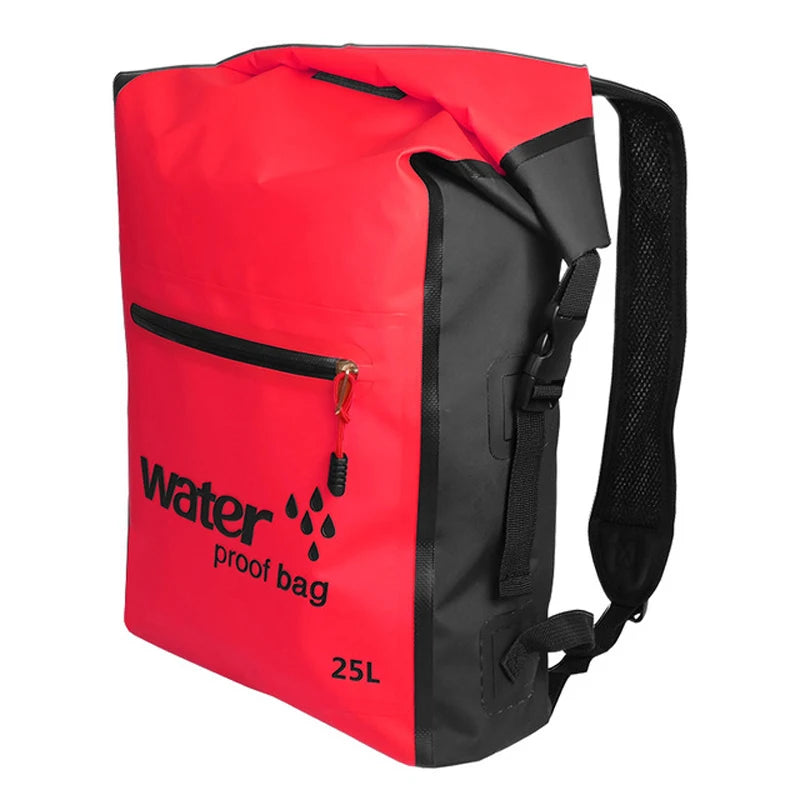
💡 See it in action
How Better Carry Comfort Prevents Heavy Wet Backpacks on Hiking Trips
Heavy wet backpacks on hiking trips quickly become exhausting when weight sits unevenly on the shoulders. Roll top waterproof backpacks reduce fatigue because they use padded shoulder straps, chest support, and more stable weight positioning.
Comfort becomes even more important after gear absorbs moisture.
Traditional dry bags often swing awkwardly during long walks from parking lots to campsites. Backpack systems remain more secure, especially on uneven trails.
Signs your waterproof bag is causing unnecessary strain
- Neck soreness after short hikes
- One shoulder carrying most of the weight
- Constant shifting while walking
- Poor ventilation against the back
- Difficulty balancing during slippery terrain
Many hikers pair waterproof packs with lightweight recovery items from Outdoor Comfort & Recovery and compact essentials from Foldable Travel Gear for longer outdoor weekends.
Which Bag Works Best for Different Outdoor Activities
Best for kayaking and paddleboarding
A roll top waterproof backpack works best when paddlers expect both water exposure and walking. It stays comfortable while transporting gear from parking areas to launch points.
Best for beach storage
Simple dry bags remain useful for short beach sessions where minimal carrying is needed.
Best for hiking and travel
The roll top waterproof backpack for travel performs better because it functions like a regular backpack while still protecting gear from rain and splashes.
Best for camping in wet weather
Travelers dealing with unpredictable storms often combine waterproof backpacks with equipment from Rain Ponchos & Capes and Ground Sheets & Tarps for complete weather protection.
| Activity | Recommended Option | Why |
|---|---|---|
| Family kayaking trips | Roll top waterproof backpack | Comfort + waterproof protection |
| Beach day | Standard dry bag | Quick storage simplicity |
| Travel adventures | Waterproof backpack | Easy airport and hiking carry |
| Car camping | Waterproof backpack | Better organization |
| River rafting | Heavy-duty dry bag | Maximum water resistance |
Features That Actually Matter in Wet Conditions
A waterproof label alone does not guarantee reliable protection. Construction quality matters far more than marketing claims.
Features worth prioritizing
- Welded seams
- Thick waterproof materials
- Padded shoulder straps
- Chest support strap
- External attachment loops
- Roll-top closure with secure buckles
- Reinforced bottom panels
Travelers carrying electronics during kayaking trips also benefit from combining waterproof backpacks with backup protection from Food Storage Bags & Containers.
Night paddlers frequently add lighting gear from Headlamps & Wearable Lights and emergency items from Safety, Survival & Emergency.
Smart Packing Checklist for Waterproof Adventures
Even the best waterproof system works better with smart packing habits.
Recommended packing setup
- Dry clothes in separate internal pouch
- Electronics wrapped individually
- Wet gear stored near top opening
- Food packed in sealed containers
- Emergency items clipped externally
- Power bank protected inside waterproof sleeve
Many travelers organize overnight supplies with gear from Portable Power Banks, Collapsible Water Bottles, and Car Organizers & Storage.
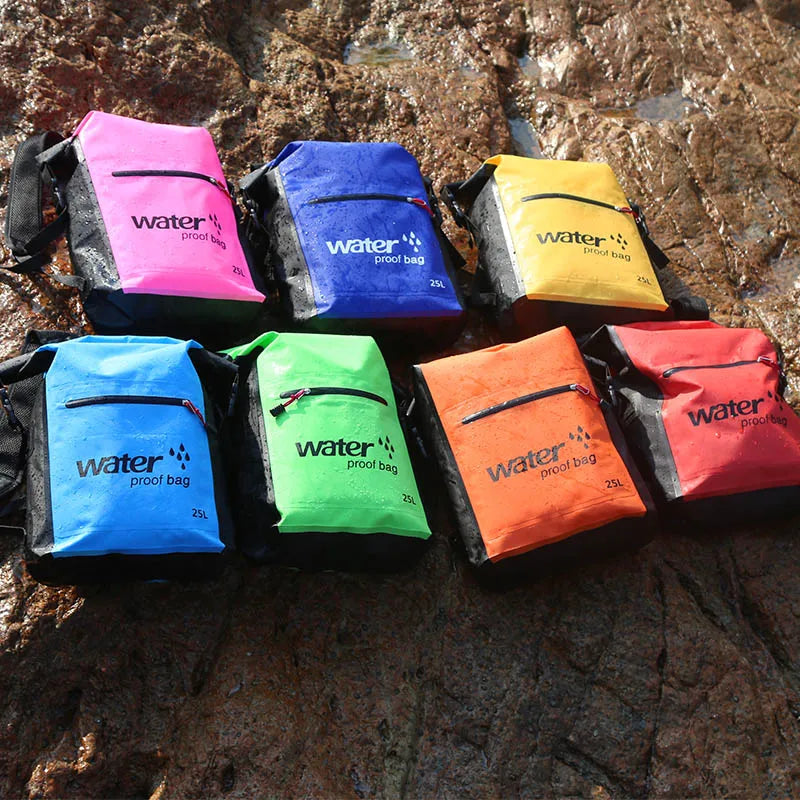
💡 See it in action
Dry Bag Backpack Vs Waterproof Duffel Bag
A dry bag backpack vs waterproof duffel bag comparison usually comes down to mobility versus storage capacity. Backpack models are easier to carry during outdoor movement, while duffel bags hold larger equipment loads for vehicle-based trips or boating storage.
Waterproof duffels work well for:
- Boat storage
- Large camping equipment
- Vehicle organization
- Bulky winter gear
Roll top backpacks work better for:
- Walking long distances
- Airport travel
- Family hiking trips
- Kayaking launch access
- Daily outdoor use
Travelers mixing road trips with water activities often combine backpack systems with supplies from Car Camping Accessories and Travel, Car & Road Trip.
Final Thoughts Before Your Next Trip
The best waterproof bag depends on how you actually travel. If your adventures include hiking trails, family kayaking trips, airport transfers, beach crossings, or wet campsites, a roll top waterproof backpack delivers better comfort and flexibility than many traditional dry bags.
Simple dry bags still work well for short paddling sessions and quick water protection. But travelers carrying heavier loads over longer distances usually appreciate the improved support and organization of backpack-style waterproof systems.
For many outdoor families, that difference becomes obvious after the first rainy trip where everything inside stays dry.
Explore the durable 25L waterproof backpack dry bag alongside practical outdoor essentials from Family Outdoor Bundles and Weather Protection & Environment.
FAQ
Are dry bag backpacks truly waterproof in real conditions?
Most quality dry bag backpacks resist rain, splashes, wet sand, and brief water exposure effectively when sealed correctly. Performance depends heavily on seam quality, closure design, and proper rolling technique.
What size waterproof backpack works best for family kayaking trips?
A 20L to 30L size usually works best for family paddling adventures because it holds towels, snacks, dry clothing, electronics, and emergency gear without becoming too heavy.
Can a roll top waterproof backpack replace a hiking backpack?
For shorter hikes and wet-weather trips, many travelers use a roll top waterproof backpack successfully. However, technical hiking routes may still require specialized hiking support systems.
Why do some waterproof bags still leak?
Leaks often happen because the roll-top closure was folded incorrectly, the bag was overfilled, or seams became damaged after repeated exposure to sand, saltwater, or rough handling.
Is a waterproof duffel bag better than a backpack?
Waterproof duffel bags carry larger gear loads, while waterproof backpacks provide better comfort and mobility for walking, hiking, kayaking access points, and travel movement.
Related Articles:
- Waterproof Backpack For Kayaking Reviews That Matter
- Waterproof Kayaking Backpack Reviews For Family Trips
- Dry Bag 35 Liter Or 20L? Which Size Fits Best
- Pvc Dry Bags Vs Tpu: Which Keeps Gear Safer
- Roll Top Waterproof Backpack Vs Dry Bag Backpack
Pillar Articles:





