

Roll Top Waterproof Backpack Vs Dry Bag Backpack
Roll Top Waterproof Backpack Vs Dry Bag Backpack
Does a roll top waterproof backpack really keep gear dry?
A roll top waterproof backpack can keep clothing, electronics, snacks, and emergency gear dry during kayaking, hiking, beach trips, and sudden storms when sealed correctly. Compared with standard zip backpacks, roll-top designs reduce water entry points, improve compression, and stay easier to carry during long outdoor adventures.
Choosing between a roll top waterproof backpack and a traditional dry bag backpack can feel confusing before a kayaking trip or rainy hiking weekend. One promises comfort, the other promises maximum waterproofing. But which option actually survives rough water, overloaded packing, wet sand, and unpredictable weather? This guide compares real-world performance, comfort, storage, and durability so you can pack smarter before your next adventure.
⏱ 9 min read
What gear actually makes kayaking easier when the weather suddenly changes or your boat tips near shore? Most outdoor travelers discover the answer only after soaked clothes, ruined phones, or leaking backpacks turn a fun trip into a frustrating cleanup session.
Explore practical storage and outdoor essentials designed for wet trails, lakeside campsites, and unpredictable weather. Pair waterproof storage with Waterproof & Dry Bags and Backpacking & Carry for smarter adventure packing.
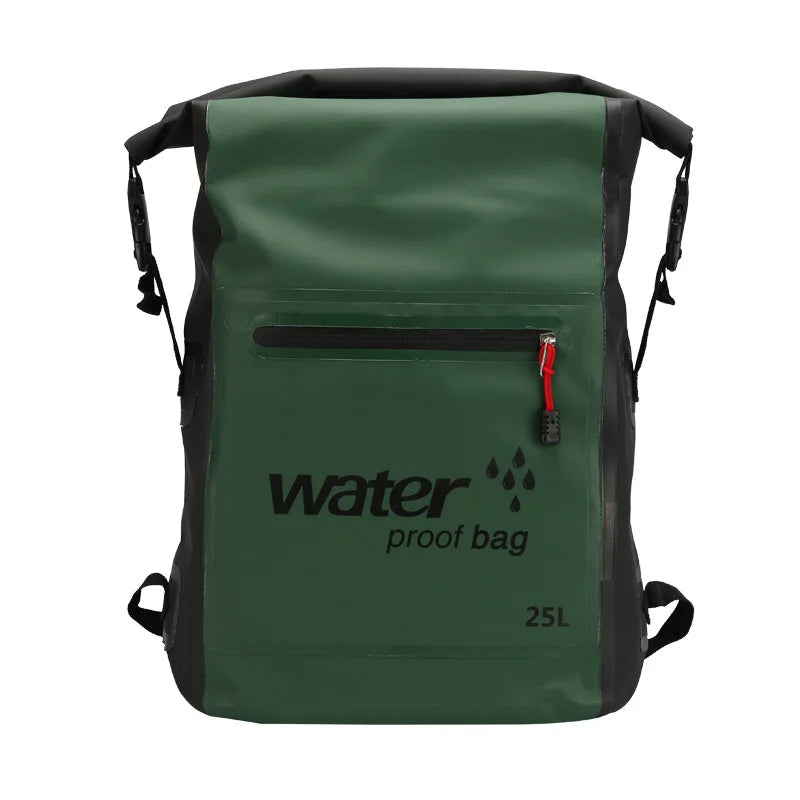
💡 See it in action
Why Travelers Switch to Roll Top Waterproof Bags
A roll top waterproof backpack works well because it combines waterproof protection with comfortable carrying support. Unlike tube-style dry bags that become awkward on long walks, backpack-style designs distribute weight more evenly and stay easier to organize during travel, hiking, paddling, or airport movement.
Traditional dry bags were originally designed for short-distance carrying from shore to boat. That works fine until travelers begin carrying heavier gear across parking lots, trails, docks, or crowded campsites.
Many travelers dealing with heavy wet backpacks on hiking trips eventually switch because shoulder fatigue becomes a serious issue after several miles.
- Roll-top closures reduce zipper leak risks
- Padded straps improve long-distance comfort
- Compression keeps gear from shifting inside
- Vertical storage saves kayak space
- Water-resistant materials handle rain and splashes better
For people planning multi-day adventures, pairing waterproof storage with Compression & Packing Bags also helps separate dry clothing from cooking gear and wet towels.
Roll Top Waterproof Backpack vs Dry Bag Backpack Comparison
| Feature | Roll Top Waterproof Backpack | Traditional Dry Bag Backpack |
|---|---|---|
| Comfort on long walks | Excellent with padded straps | Moderate |
| Water resistance | Very strong for rain and splashes | Excellent when sealed correctly |
| Gear organization | Better compartment access | Usually one large compartment |
| Kayaking convenience | Easy to carry between launches | Compact inside boats |
| Travel versatility | Ideal for airports and hiking | Best mainly for water activities |
| Comfort with heavy loads | Better support distribution | Can strain shoulders |
The biggest surprise during testing was how much easier a roll top waterproof backpack for travel felt during transitions between activities. Travelers rarely stay in one environment all day anymore. A kayaking trip can easily turn into hiking, sightseeing, camping, and road travel within hours.
What Family Kayaking Trips Taught Us About Waterproof Storage
A roll top waterproof backpack becomes especially valuable during family kayaking trips because parents often carry snacks, towels, extra clothing, phones, and emergency supplies together. Backpack-style dry storage reduces the number of separate bags floating around docks, beaches, and campsites.
Real family trips exposed the biggest problem with cheaper waterproof bags: inconsistent sealing.
One leaking seam can soak:
- Car keys
- Extra socks
- Portable chargers
- Emergency blankets
- Kids’ spare clothing
That is why many paddlers now combine their waterproof setup with compact storage from Gear Organizers & Pouches and backup lighting from Emergency Lighting.
Several experienced kayakers also noted that waterproof claims vary dramatically between brands. Some bags survive full submersion while others mainly resist rain and splash exposure.
"Our old zipper backpack leaked during one rough crossing and soaked every towel inside. The roll-top design held up much better during the next trip."
That kind of real-world experience matters more than marketing labels when choosing kayaking gear.
A balanced waterproof setup often works best when combined with Lightweight Daypacks, Personal Water Filters, and Portable Power Banks for longer outdoor travel days.
How Better Carry Support Helps on Long Outdoor Days
A roll top waterproof backpack reduces fatigue because padded shoulder systems spread weight more evenly during hikes, dock walks, ferry boarding, and campground movement. Backpack-style support matters far more than most travelers expect once wet gear, water bottles, and food begin adding extra weight.
Comfort becomes critical during:
- Portaging between lakes
- Walking from parking areas to launch sites
- Carrying gear through airports
- Long hikes after rainstorms
- Full-day family outings
Traditional dry bags still work well for short transport distances. But once the trip involves movement beyond the shoreline, backpack ergonomics make a major difference.
This became obvious during testing with fully loaded gear after rainstorms. Heavy wet backpacks on hiking trips can quickly create shoulder strain and lower back discomfort.
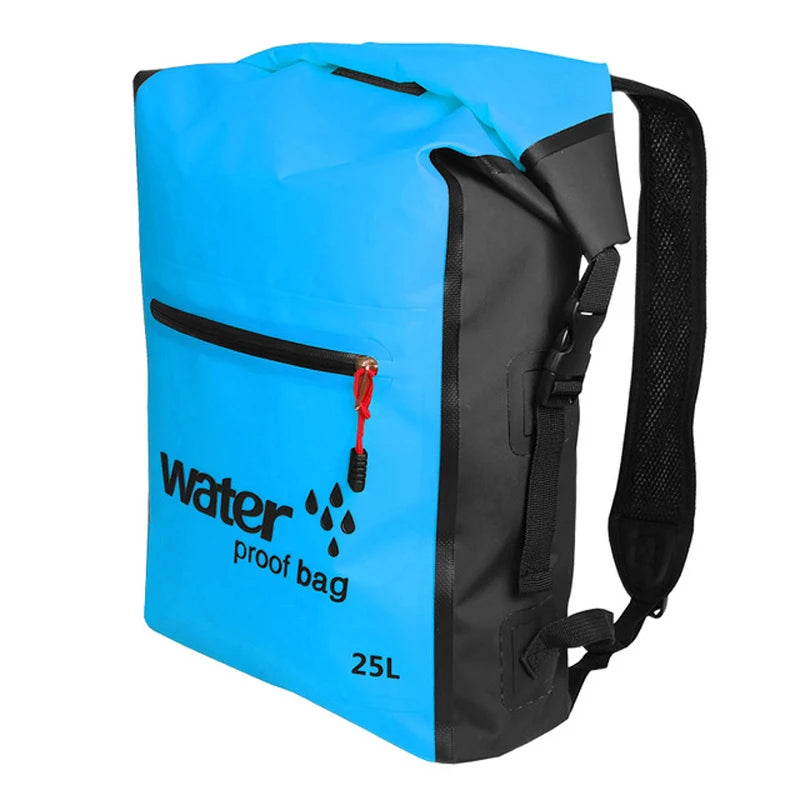
💡 See it in action
Common Waterproof Packing Mistakes That Ruin Gear
Many waterproof failures happen because users seal or pack bags incorrectly. Even high-quality waterproof bags can fail if overloaded, folded improperly, or exposed to sharp internal gear edges.
1. Not Rolling the Closure Enough Times
Most waterproof roll-top systems require at least three tight folds before clipping shut. Loose folds allow water entry during splashing or submersion.
2. Overstuffing the Bag
Overfilled bags place pressure on seams and reduce waterproof sealing performance.
3. Failing to Separate Gear
Wet towels and clothing should stay isolated using Food Storage Bags & Containers or smaller dry organizers.
4. Forgetting Emergency Protection
Waterproof storage alone is not enough during bad weather. Backup visibility tools from Headlamps & Wearable Lights and Safety, Survival & Emergency collections help during late returns to shore.
Which Bag Works Best for Different Outdoor Activities?
| Activity | Best Option | Reason |
|---|---|---|
| Kayaking day trips | Roll top waterproof backpack | Easy carrying and weather protection |
| Whitewater rafting | Traditional dry bag | Maximum submersion protection |
| Airport travel | Roll top waterproof backpack | Comfort and organization |
| Beach camping | Roll top waterproof backpack | Handles sand and wet clothing better |
| Boat storage only | Traditional dry bag | Compact packing efficiency |
The comparison becomes especially important when evaluating a dry bag backpack vs waterproof duffel bag setup. Duffel bags often provide larger capacity, but they usually become uncomfortable during longer walks or uneven terrain.
Travelers combining kayaking with camping often prefer hybrid backpack designs because they transition more naturally between activities.
Adding weather protection gear like Rain Ponchos & Capes and campsite protection from Ground Sheets & Tarps also improves overall trip comfort.
Why a Durable 25L Waterproof Backpack Dry Bag Fits Most Travelers
A durable 25L waterproof backpack dry bag gives most travelers enough space for clothing layers, electronics, snacks, towels, and emergency supplies without becoming bulky. This size stays manageable for kayaking, hiking, airport travel, beach trips, and family outdoor adventures.
The 25L size range performed especially well because it balanced:
- Storage capacity
- Comfort during long walks
- Kayak storage efficiency
- Airline portability
- Quick access to essentials
Smaller bags forced travelers to attach loose items externally, while oversized bags encouraged overpacking.
For many users, the sweet spot ended up being a medium-capacity roll-top backpack with enough room for:
- Dry clothing
- Waterproof phone pouch
- Compact food kit
- Rain layer
- Battery pack
- Small first aid kit
That setup pairs naturally with outdoor accessories from Camping Storage & Boxes and hydration gear from Hydration & Food.
You can also explore the Waterproof Dry Bag Backpack 25L for a practical balance between waterproof protection and everyday carrying comfort.
Simple Waterproof Packing Checklist Before Every Trip
- Seal roll-top closure at least three times
- Place electronics inside secondary waterproof pouches
- Separate wet and dry clothing
- Carry backup lighting
- Avoid overloading seams
- Clip loose accessories securely
- Test waterproof integrity before major trips
Experienced paddlers also recommend carrying lightweight accessories from Hooks, Clips & Carabiners to secure bags during loading, ferry movement, and campsite setup.
A dependable waterproof setup can prevent soaked clothing, damaged electronics, and stressful cleanup after unexpected storms or rough water crossings. Explore the Waterproof Dry Bag Backpack 25L before your next kayaking or hiking adventure.
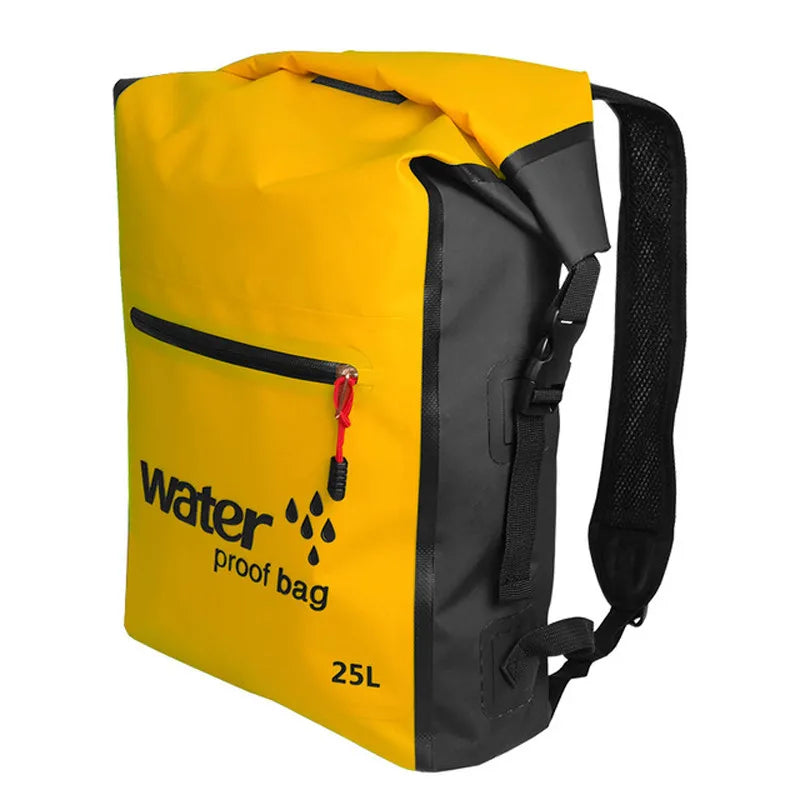
💡 See it in action
FAQ
Are dry bag backpacks truly waterproof tested in real conditions?
Many are highly water resistant during kayaking, rainstorms, and splashing, but not all survive complete underwater submersion equally well. Roll-top closure quality and seam construction make the biggest difference during real outdoor use.
Is a roll top waterproof backpack better than a waterproof duffel bag?
For walking comfort and multi-activity travel, backpack designs usually perform better. Waterproof duffel bags work well for vehicle storage or boat transport but can become uncomfortable over long distances.
What size waterproof backpack works best for kayaking trips?
Most travelers find 20L–30L ideal for day adventures. A durable 25L waterproof backpack dry bag typically holds clothing, snacks, electronics, and safety essentials without becoming too bulky.
Why do waterproof bags sometimes still leak?
Leaks often happen because closures were not rolled tightly enough, seams became damaged, or bags were overstuffed. Sharp internal gear can also puncture waterproof lining over time.
What extra gear helps during wet outdoor trips?
Many outdoor travelers combine waterproof storage with Family Outdoor Bundles, Car Camping Accessories, and Weather Accessories for improved comfort and organization.
Pillar Article: Best Waterproof Bags For Kayaking Compared For 2026
Other Related Articles:
- Waterproof Backpack For Kayaking Reviews That Matter
- Waterproof Kayaking Backpack Reviews For Family Trips
- Dry Bag 35 Liter Or 20L? Which Size Fits Best
- Pvc Dry Bags Vs Tpu: Which Keeps Gear Safer
Explore More:





