

What Is A Dry Bag And How Do You Use One Properly
What Is A Dry Bag And How Do You Use One Properly
⏱ 8 min read
What Is a Dry Bag and Why Do Outdoor Travelers Use One?
What is a dry bag? A dry bag is a waterproof storage bag designed to keep clothes, electronics, snacks, and camping gear dry during rain, kayaking, hiking, boating, and beach trips. Its roll-top seal blocks moisture, helping prevent water damage on camping trips gear while making packing more organized and stress-free.
What happens when rain soaks your extra clothes, phone charger, or sleeping gear halfway through an outdoor trip? One unexpected storm can ruin comfort fast. That’s why experienced campers, hikers, and road trippers rely on dry bags to protect essentials from water, mud, and sand. Whether you’re planning a weekend hike, family beach outing, or full camping adventure, understanding what is a dry bag and how to use one properly can save your gear, reduce packing stress, and make outdoor travel much easier.
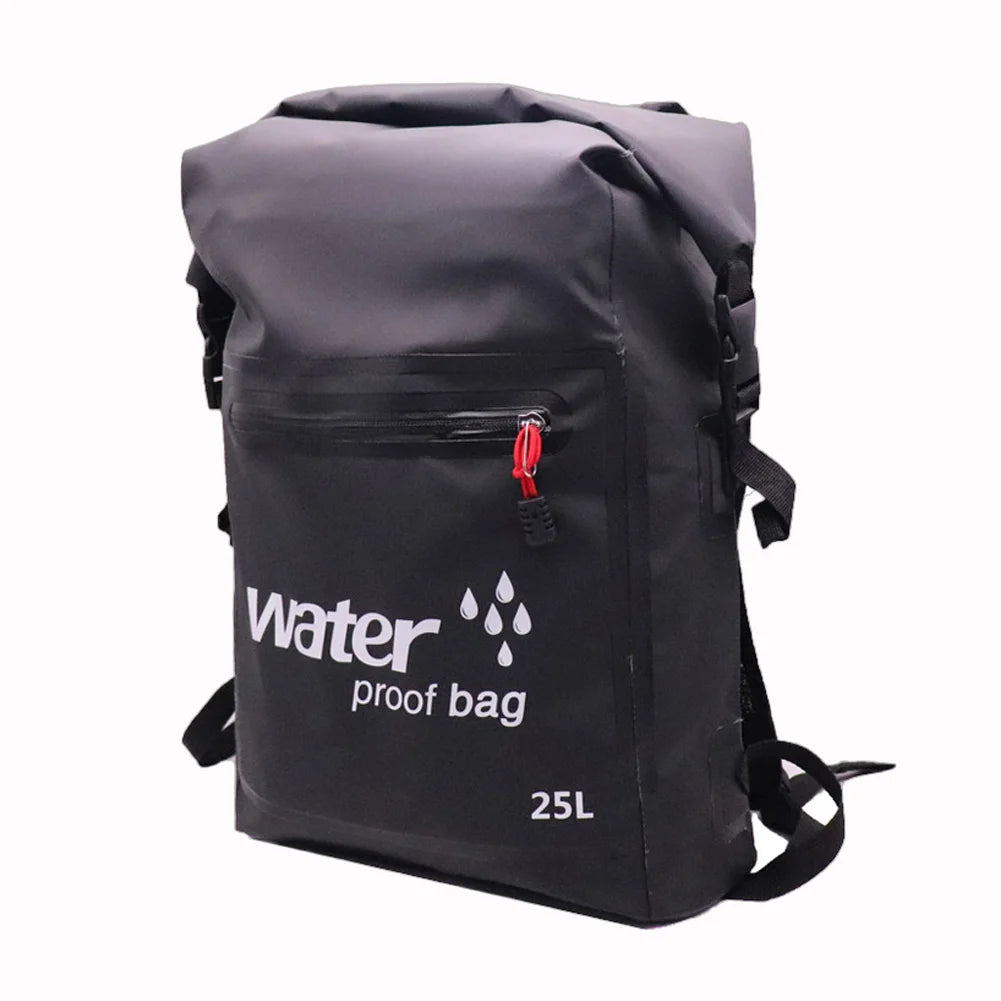
Protect clothes, electronics, and food during your next trip with a reliable waterproof dry bag backpack designed for wet weather travel and outdoor adventures.
💡 See it in action
How Dry Bags Make Outdoor Trips Less Stressful
A dry bag creates a waterproof barrier between your gear and the outside environment. Instead of worrying about sudden rain, splashing water, muddy campsites, or leaking coolers, you can focus on enjoying the trip.
Many outdoor beginners underestimate how quickly moisture spreads inside tents, backpacks, and vehicles. Wet socks become uncomfortable. Damp sleeping clothes ruin sleep quality. Water-damaged electronics can end a trip early.
That’s why many campers combine dry bags with gear from Waterproof & Dry Bags and Camping Storage & Boxes to keep essentials separated and protected.
Common problems dry bags help solve
- Protecting phones and chargers from rain
- Preventing wet clothes from contaminating clean items
- Organizing kids clothes in dry bags during family travel
- Keeping snacks dry during kayaking or boating
- Reducing packing chaos during road trips
- Preventing water damage on camping trips gear
What gear actually makes camping easier? For many travelers, a waterproof storage system ranks near the top because it protects almost everything else you bring.
How Do Dry Bags Actually Keep Water Out?
What is a dry bag without its sealing system? The secret is the roll-top closure. Instead of relying on zippers alone, most dry bags create a tight waterproof seal by folding the top several times before clipping it shut.
This simple design blocks rain, splashes, dirt, and moisture far better than ordinary backpacks or duffel bags.
| Feature | How It Helps |
|---|---|
| Roll-top closure | Creates a waterproof seal against rain and splashes |
| Durable waterproof fabric | Protects gear from moisture and mud |
| Compact design | Fits easily into kayaks, tents, or trunks |
| Multiple sizes | Helps organize gear efficiently |
| Shoulder straps or backpack style | Makes carrying gear easier during hikes |
Many outdoor travelers also pair dry bags with Compression & Packing Bags for better clothing organization and space-saving packing.
How to Use a Dry Bag Properly for Maximum Protection
Using a dry bag incorrectly is one of the main reasons gear still gets wet. Even high-quality waterproof materials cannot protect items if the bag is sealed poorly.
Follow these simple steps to avoid leaks and improve protection.
- Place gear inside without overstuffing the bag.
- Remove excess air before sealing.
- Fold the top down at least 3 times tightly.
- Clip the buckles securely together.
- Store electronics inside smaller protective pouches if possible.
Many experienced campers create separate categories inside their bags:
- Dry clothes
- Wet swimsuits
- Emergency supplies
- Electronics
- Food and snacks
- Kids items
This method keeps everything easier to find during emergencies or sudden weather changes.
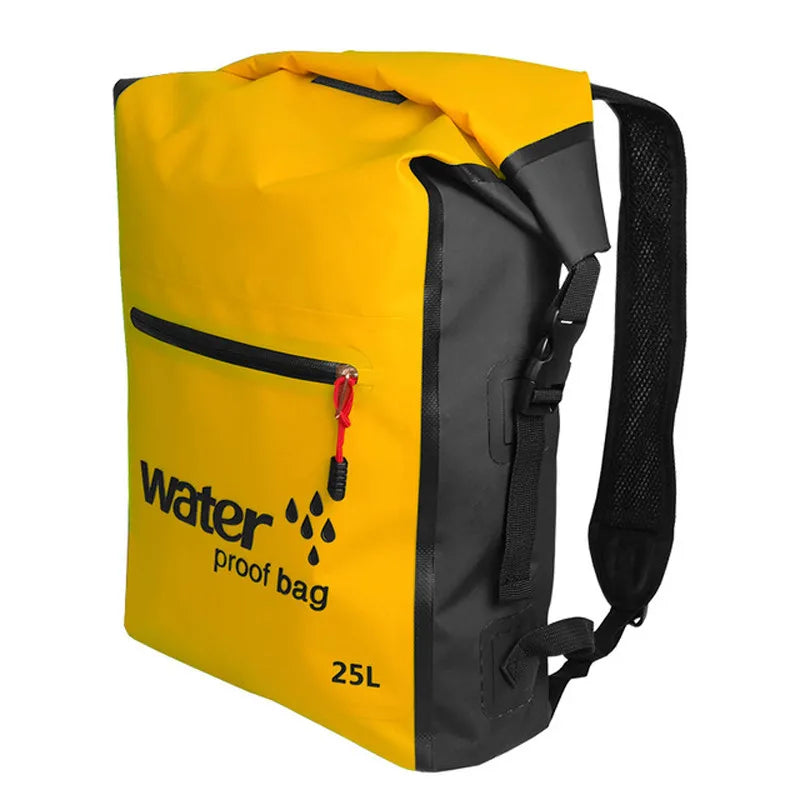
A properly sealed waterproof dry bag backpack helps hikers, campers, and beach travelers stay organized while protecting valuables from rain and splashes.
For even better weather protection, many travelers combine dry bags with Rain Ponchos & Capes and Ground Sheets & Tarps during stormy camping conditions.
💡 See it in action
Best Everyday Uses for Dry Bags Beyond Camping
Many people think dry bags are only for kayaking or boating, but they are useful in everyday life too.
Family beach trips
Keep towels, sunscreen, snacks, and electronics protected from sand and water while separating wet swimsuits from clean clothing.
Road trips in bad weather
A travel checklist for wet weather protection bags helps families stay organized during rainy rest stops and muddy outdoor breaks.
Gym and sports storage
Store sweaty workout clothes separately from clean items after training sessions or outdoor runs.
Organizing kids clothes in dry bags
Parents often use color-coded dry bags to organize outfits by day, activity, or child. This saves time during busy mornings outdoors.
Emergency preparedness
Store backup batteries, flashlights, first aid items, and documents safely during storms or unexpected flooding.
Outdoor travelers often combine waterproof storage with gear from Portable Power Banks, First Aid Kits, and Emergency Road Kits for better emergency readiness.
How to Choose the Right Dry Bag Size for Your Trip
Choosing the correct size depends on your activity length and what you plan to protect.
| Dry Bag Size | Best Use |
|---|---|
| 5L | Phone, wallet, snacks, keys |
| 10L | Extra clothes and small electronics |
| 20L | Day hiking and beach trips |
| 25L+ | Camping, kayaking, overnight travel |
An outdoor adventure waterproof dry bag pack with backpack straps is often more comfortable for hiking trails and long walks between campsites.
Many campers also combine dry bags with Lightweight Daypacks and Backpacking & Carry gear to improve comfort during longer trips.
Common Dry Bag Mistakes That Lead to Leaks
Even durable waterproof gear can fail when used incorrectly. Here are the most common mistakes outdoor beginners make.
Not rolling the top enough times
One or two folds are not enough. Most dry bags require at least three tight rolls for a secure seal.
Overpacking the bag
Stuffing the bag completely full prevents proper sealing and creates pressure on seams.
Leaving sharp gear exposed
Knives, tools, or metal edges can puncture waterproof materials if stored carelessly.
Assuming every dry bag is fully submersible
Some bags protect against rain and splashes but are not designed for deep underwater use.
Ignoring organization
Without separate compartments, finding gear quickly during storms becomes frustrating.
Many campers improve organization with Gear Organizers & Pouches and Hooks, Clips & Carabiners.
Simple Wet Weather Packing Checklist for Outdoor Travel
Preparing early makes rainy adventures much easier. Use this checklist before your next trip.
- Waterproof dry bag backpack
- Backup dry clothing layers
- Rain poncho or jacket
- Portable lighting
- Phone charging gear
- Emergency snacks
- Waterproof first aid supplies
- Separate bags for wet and dry items
Travelers often add support gear from Tent & Camping Lanterns, Foldable Travel Gear, and Car Camping Accessories to simplify rainy outdoor setups.
Why Travelers Prefer a Waterproof Dry Bag Backpack
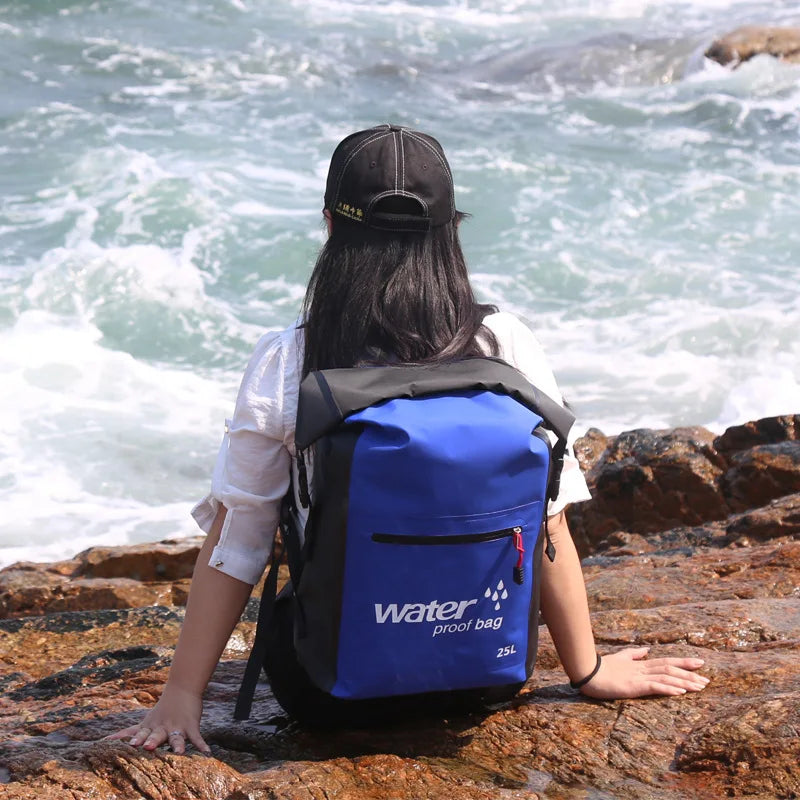
A backpack-style dry bag combines waterproof storage with hands-free comfort. This design works especially well for hiking trails, airport travel, paddleboarding, beach walks, and campground setups.
Many travelers say switching from standard backpacks to waterproof dry bags reduced stress during sudden storms and helped them stay organized throughout longer adventures.
One camper shared that after using a waterproof backpack during a rainy mountain trip, their spare clothes, camera, and sleeping gear stayed completely dry despite hours of heavy weather.
Another family used separate dry bags to organize kids clothes during a week-long road trip. They avoided messy suitcases and found packing much faster each morning.
💡 See it in action
Stay ready for rain, beach days, kayaking, camping, and road trips with a dependable waterproof dry bag backpack built for outdoor adventures and wet weather travel.
Conclusion
Understanding what is a dry bag can completely change the way you pack for outdoor travel. From preventing water damage on camping trips gear to organizing kids clothes in dry bags, these waterproof storage solutions help outdoor beginners stay prepared, organized, and comfortable.
Whether you enjoy camping, hiking, beach trips, kayaking, or road travel, a properly sealed dry bag protects the essentials that matter most. Combined with smart organization and weather-ready gear, it becomes one of the simplest ways to reduce stress during outdoor adventures.
FAQ
What is a dry bag used for?
A dry bag is used to protect clothing, electronics, food, and outdoor gear from water, rain, mud, and sand during camping, hiking, kayaking, boating, and travel.
Are dry bags completely waterproof?
Most dry bags are highly water-resistant when sealed properly. However, some models are designed for splashes and rain rather than full underwater submersion.
How do you seal a dry bag correctly?
Fold the top opening down tightly at least three times, remove excess air, and clip the buckles together securely to create a waterproof seal.
What size dry bag is best for camping?
Many campers prefer 20L to 25L dry bags because they can hold clothing, electronics, snacks, and emergency gear without becoming too bulky.
Can dry bags help organize family travel?
Yes. Many families use multiple dry bags to separate clean clothes, wet gear, snacks, and kids items during road trips, beach vacations, and camping adventures.
Pillar Article: Waterproof Dry Bag For Kayaking Setup Guide For Beginners
Other Related Articles:
- Is Pvc Waterproof For Dry Bags And Outdoor Travel
- Waterproof Backpack Beach Packing Tips That Keep Gear Dry
- How To Pack A Dry Bag Backpack Waterproof The Right Way
Explore More:





