

Waterproof Kayaking Bags Features That Actually Protect Gear
Waterproof Kayaking Bags Features That Actually Protect Gear
Do waterproof kayaking bags really protect gear?
Waterproof kayaking bags protect phones, clothing, snacks, electronics, and emergency supplies by blocking water, sand, and moisture during paddling trips. The best waterproof dry bags for kayaking trips combine welded seams, reliable roll-top closures, abrasion-resistant fabric, and secure carrying systems that stay sealed even during rain, waves, and accidental splashes.
⏱ 12 min read
Water can ruin a kayaking trip fast. One unexpected wave, one weak zipper, or one poorly sealed backpack can leave your clothes soaked, your phone destroyed, and your food unusable. That is why waterproof kayaking bags matter more than most paddlers realize. Whether you paddle calm lakes, coastal bays, or rough rivers, the right dry bag keeps your essentials protected while making every trip more organized, comfortable, and stress-free.
What gear actually makes kayaking easier when weather changes without warning? Reliable waterproof storage usually makes the biggest difference because it protects everything else you bring.
👉 Discover gear built for wet outdoor conditions before your next paddle trip.
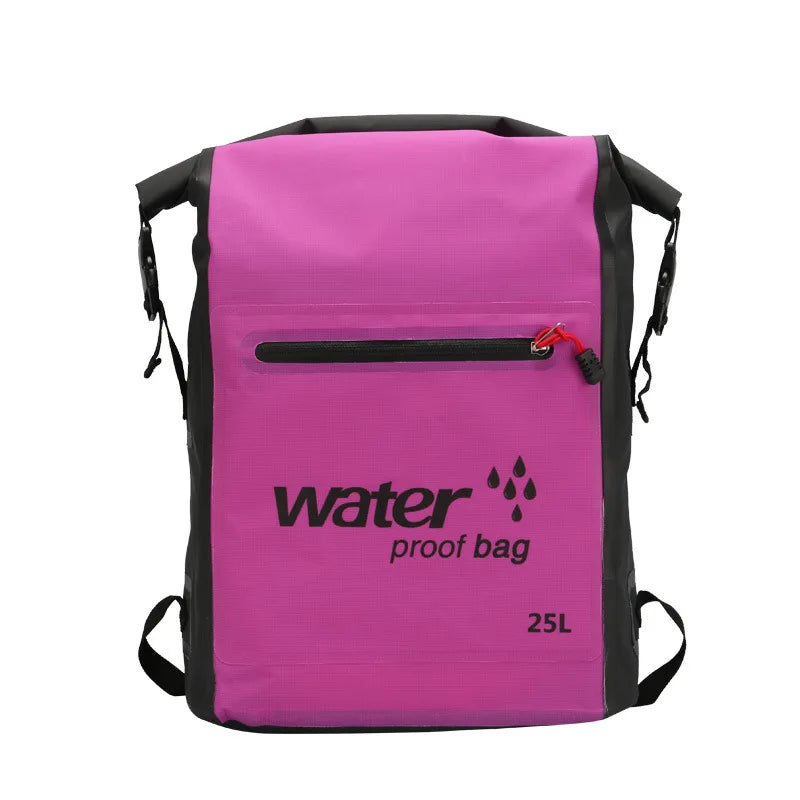
Waterproof & Dry Bags help organize essentials while protecting gear from rain, splashes, and accidental drops in shallow water.
💡 See it in action
Why Some Waterproof Kayaking Bags Still Leak
Waterproof kayaking bags fail for surprisingly simple reasons. Many paddlers assume any dry bag automatically protects gear in all conditions. Unfortunately, cheap materials, poor sealing systems, and bad packing habits often cause leaking bags during kayaking family adventures.
The most common issue is incomplete closure. Roll-top bags only work when rolled tightly several times before clipping. Even premium bags can leak if users rush the sealing process.
Another problem is seam quality. Stitched seams may resist light rain but eventually allow water inside after repeated exposure. Welded seams perform far better because they fuse material together instead of puncturing it with stitching.
Common Leak Causes During Kayaking Trips
- Loose roll-top closures
- Cheap zipper systems
- Thin PVC materials that crack over time
- Overstuffed bags stressing seams
- Sand trapped inside closure folds
- Punctures from hooks or sharp gear
- Incorrect backpack fit causing rubbing damage
Families often discover these issues during longer trips when repeated splashing slowly pushes moisture inside bags. Kids opening and closing compartments repeatedly also increases leak risks.
That is why many experienced paddlers prefer streamlined dry bags with fewer weak points instead of backpacks overloaded with external zippers and pockets.
Best Features That Actually Keep Gear Dry
Waterproof kayaking bags work best when they combine thick waterproof fabric, welded seams, secure closures, abrasion resistance, and balanced carrying comfort. The best waterproof dry bags for kayaking trips protect gear not only from rain and splashes but also from sand, impact, and repeated outdoor use across different weather conditions.
Not every feature matters equally. Some directly improve waterproof performance, while others mainly add convenience. Understanding the difference helps shoppers avoid paying for unnecessary extras.
Roll-Top Closures Create the Strongest Seal
Roll-top systems remain the gold standard for kayaking. They reduce zipper failure risks and create a tighter waterproof barrier when rolled correctly.
- Fold excess air from the bag
- Roll the top tightly at least 3 to 5 times
- Clip both ends securely
- Check for gaps before launching
This simple design works better than many expensive waterproof zippers during long kayaking days.
Welded Seams Resist Long-Term Water Exposure
Welded seams prevent slow leaks that often appear after repeated exposure to waves or heavy rain. Heat-welded construction eliminates stitch holes that eventually weaken under pressure.
For people carrying electronics, cameras, or extra clothing, welded seams can make the difference between dry gear and a ruined trip.
Thick Waterproof Materials Improve Durability
Durable waterproof fabrics matter because kayaking bags regularly scrape rocks, docks, gravel, and rough surfaces.
| Material Type | Water Resistance | Durability | Best Use |
|---|---|---|---|
| Thin Nylon | Moderate | Low | Light rain protection |
| PVC-Coated Fabric | High | High | River and lake kayaking |
| TPU Fabric | Very High | Very High | Frequent outdoor adventures |
Heavy-duty materials also maintain flexibility in colder weather, reducing cracking and seam stress.
How a Waterproof Dry Bag Backpack Makes Trips Easier
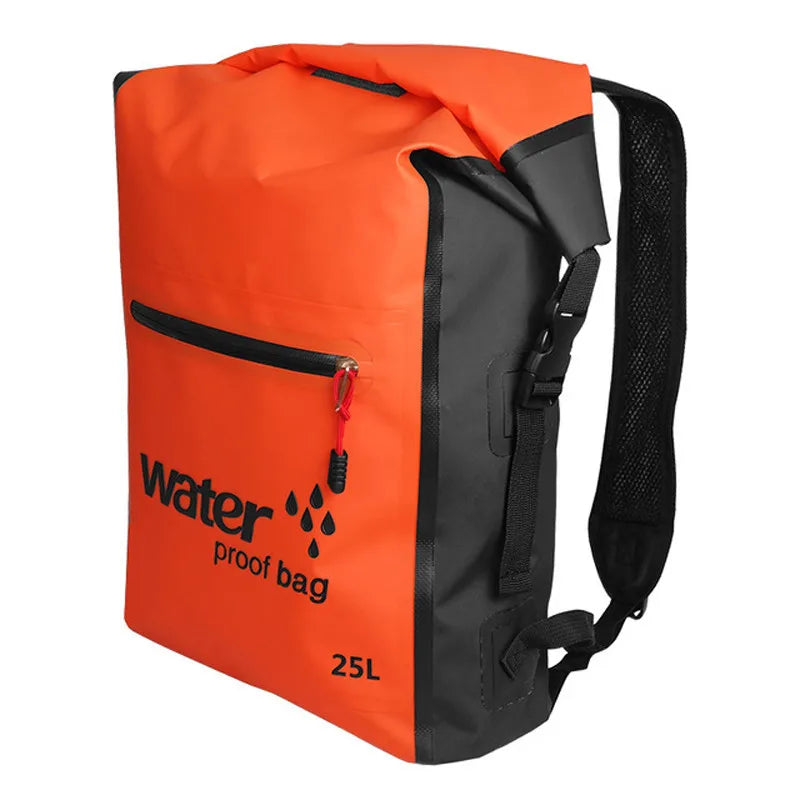
A waterproof dry bag backpack for kayaking combines water protection with hands-free portability. Unlike traditional dry sacks, backpack-style designs distribute weight more comfortably for hiking to launch points, portaging between rivers, or carrying gear through campsites and beaches.
Many paddlers underestimate how far they actually carry gear before reaching water. Parking lots, trails, rocky shorelines, and campsites all become easier with backpack straps.
The Waterproof Dry Bag Backpack 25L offers practical storage for day trips while reducing shoulder fatigue during long outdoor adventures.
Advantages Over Traditional Dry Sacks
- Better weight distribution
- Easier hiking between launch areas
- Comfortable for multi-stop adventures
- Quick access during breaks
- Improved organization
- Reduced hand strain carrying heavy gear
Paddlers exploring lakeside campsites often combine waterproof storage with gear from Backpacking & Carry systems to keep equipment organized during overnight trips.
👉 Learn how to choose the right outdoor storage setup for kayaking, hiking, and camping trips.
Pair waterproof backpacks with Gear Organizers & Pouches to separate electronics, snacks, tools, and emergency supplies.
Materials and Construction That Matter Most
Many shoppers focus only on waterproof ratings, but construction quality determines real-world performance.
Are dry bag backpacks truly waterproof tested under harsh outdoor conditions? The answer depends heavily on build quality and intended use.
Fabric Lamination Helps Prevent Hidden Moisture
Premium waterproof kayaking bags often use layered coatings that prevent water from soaking into outer fabric surfaces. This keeps bags lighter during rainstorms and improves drying speed afterward.
Cheaper bags may technically resist water initially but become heavier and weaker after repeated soaking.
Reinforced Bases Reduce Abrasion Damage
The bottom of a kayaking bag experiences constant stress from gravel, docks, and rough terrain.
Reinforced base panels help prevent:
- Small punctures
- Fabric thinning
- Corner leaks
- Premature seam wear
This matters especially during family adventures where bags get dragged, dropped, or overloaded.
Waterproof Hardware Adds Reliability
Corrosion-resistant buckles and clips improve long-term durability near saltwater or humid environments.
Outdoor travelers often combine waterproof storage with products from Hooks, Clips & Carabiners to secure bags safely inside kayaks or attach extra gear during travel.
💡 See it in action
Comparing Common Kayaking Bag Types
Choosing between different waterproof storage options depends on trip length, gear volume, and comfort needs.
| Bag Type | Best For | Pros | Cons |
|---|---|---|---|
| Traditional Dry Sack | Short trips | Lightweight and compact | Harder to carry long distances |
| Dry Bag Backpack | All-day adventures | Comfortable and versatile | Slightly heavier |
| Duffel Dry Bag | Camping trips | Large storage capacity | Less convenient while hiking |
| Waterproof Sling Bag | Quick access items | Easy access | Limited capacity |
For overnight kayaking trips, many paddlers combine waterproof backpacks with products from Compression & Packing Bags to maximize limited storage space inside narrow kayaks.
How Families Prevent Gear Disasters on Water Trips
Leaking bags during kayaking family adventures usually happen because families carry too many loose items without a storage system.
Parents often juggle:
- Extra clothes
- Snacks
- Phones
- Kids’ towels
- Medical supplies
- Water bottles
- Emergency layers
Without waterproof organization, wet gear spreads quickly between bags.
A Better Family Packing System
- Assign one waterproof bag per family member
- Separate electronics into inner pouches
- Use color-coded organizers
- Keep emergency clothing isolated from food
- Store first aid supplies near top access
Many outdoor families also pack safety gear from Family Outdoor Bundles for easier group organization.
Protecting Electronics During Kayaking
Phones, batteries, and GPS devices require layered protection.
Experienced paddlers often use:
- Internal zip pouches
- Waterproof organizers
- Shock-resistant cases
- Silica moisture packs
Reliable charging equipment from Portable Power Banks also helps during extended outdoor travel.
Smart Packing Checklist for Kayaking Adventures
The best waterproof kayaking bags become far more effective when packed correctly.
Must-Pack Items for Day Trips
- Quick-dry clothing
- Compact towel
- Waterproof phone pouch
- Snacks and hydration
- Sun protection
- Rain shell
- Emergency whistle
- Headlamp
- Backup dry socks
Hydration systems from Hydration & Food help paddlers stay organized during long hours on the water.
Cold Weather Kayaking Requires Extra Protection
Cold conditions increase risks because wet clothing can quickly become dangerous.
Additional cold-weather essentials include:
- Thermal layers
- Windproof gloves
- Emergency blankets
- Dry insulated socks
- Compact shelter tarp
Outdoor protection gear from Weather Protection & Environment helps prepare for changing conditions.
Are Dry Bag Backpacks Truly Waterproof Tested?
Waterproof kayaking bags can survive heavy splashes, rainstorms, and short water exposure when properly sealed, but not all models are designed for full underwater submersion. Truly dependable dry bag backpacks use welded seams, thick waterproof materials, reinforced closures, and abrasion-resistant construction tested against repeated outdoor exposure.
Marketing claims often confuse “water-resistant” with “fully waterproof.” That difference matters enormously on rivers, coastal water, or rough lake conditions.
What Real-World Testing Reveals
Field testing shows that premium roll-top waterproof backpacks usually perform extremely well during:
- Heavy rainstorms
- Wave splashes
- Wet sand exposure
- Accidental shallow drops
- River spray
However, prolonged underwater submersion can eventually allow moisture inside many backpack-style designs if pressure increases around seams or closures.
The One Feature Most Paddlers Overlook
Many buyers focus entirely on waterproof ratings while ignoring comfort and stability.
A poorly balanced backpack shifts during walking, increases fatigue, and rubs against surfaces more aggressively. Over time, friction weakens materials and creates leak risks.
That is why adjustable padded straps and ergonomic carry systems matter almost as much as waterproof materials themselves.
Outdoor User Experiences
Frequent kayakers often mention that the biggest improvement after upgrading bags is peace of mind.
“We stopped double-wrapping phones and towels once we switched to a better waterproof backpack. Everything stayed dry even after heavy rain and rough shoreline launches.”
“The shoulder straps made a huge difference during long walks between parking areas and launch points.”
Why Comfortable Carry Systems Matter
Many people buy waterproof bags based only on waterproof ratings. But carrying comfort determines whether a bag feels practical after several hours outdoors.
Ergonomic Design Reduces Fatigue
Better backpack systems distribute weight across the shoulders and upper back.
This helps during:
- Long shoreline walks
- Camping transitions
- Portaging between waterways
- Travel through crowded docks
- Beach access hikes
Paddlers often pair waterproof bags with compact gear from Lightweight Daypacks when carrying additional supplies.
Ventilation Panels Improve Hot Weather Comfort
Hot summer kayaking can quickly become uncomfortable when backpacks trap heat.
Ventilated back panels help reduce sweat buildup while improving airflow during long adventures.
Extra Gear That Works Well With Waterproof Bags
Smart kayaking setups involve more than just dry storage.
Useful Gear Pairings for Outdoor Trips
| Gear Type | Why It Helps |
|---|---|
| Headlamps & Wearable Lights | Improves visibility during sunrise or evening paddles |
| First Aid Kits | Protects against minor outdoor injuries |
| Collapsible Water Bottles | Saves space inside waterproof bags |
| Emergency Whistles & Signals | Important for group safety on open water |
| Rain Ponchos & Capes | Extra weather protection during storms |
👉 Get your gear protected before your next water adventure.
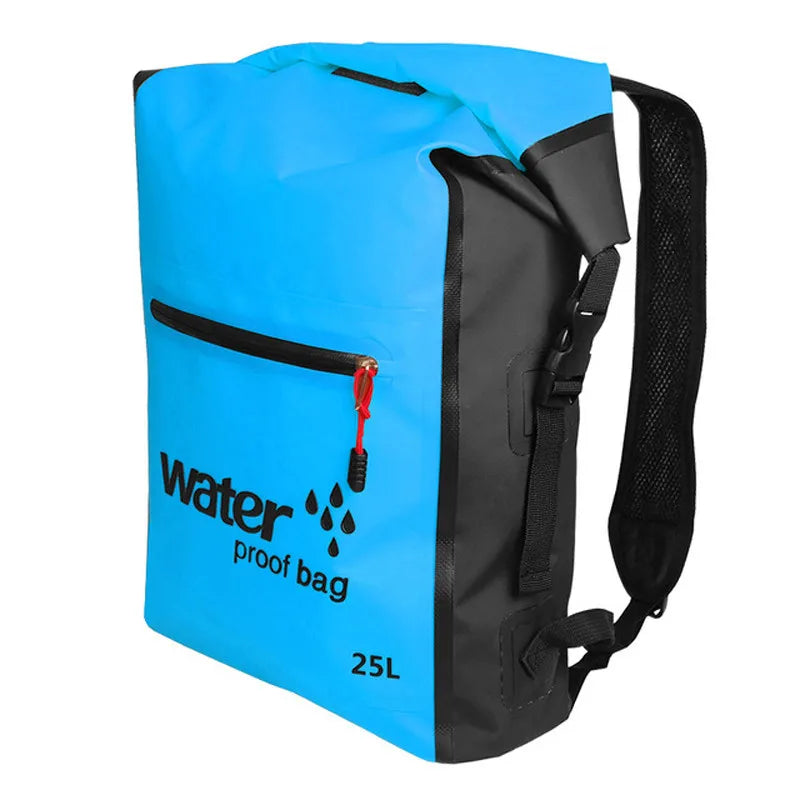
The Waterproof Dry Bag Backpack 25L helps keep clothing, electronics, and outdoor essentials dry during kayaking, camping, and travel.
How to Choose the Right Waterproof Kayaking Bag
The right bag depends on trip style, carrying distance, and gear volume.
Choose Capacity Based on Trip Length
- 5L to 10L: Essentials only
- 15L to 25L: Day kayaking trips
- 30L+: Overnight adventures
Families often benefit from multiple mid-sized bags instead of one oversized bag.
Always Inspect Seam Construction
Welded seams generally outperform stitched seams for long-term waterproof reliability.
Inspect corners carefully because stress points usually fail first.
Prioritize Comfort for Active Trips
If you hike, camp, or walk long distances before launching, backpack straps become essential.
For paddlers mixing kayaking with overnight camping, products from Camping & Picnic and Camping Storage & Boxes help create more organized outdoor systems.
💡 See it in action
Why Better Waterproof Storage Changes Every Kayaking Trip
Reliable waterproof kayaking bags do far more than protect gear. They reduce stress, improve organization, simplify packing, and make outdoor adventures feel smoother from start to finish.
The best waterproof dry bags for kayaking trips combine durable materials, welded seams, dependable roll-top closures, and comfortable carrying systems that perform consistently during real outdoor use.
Whether you paddle occasionally with family or spend weekends exploring rivers and coastlines, dependable waterproof storage helps protect the gear that keeps every trip safe, comfortable, and enjoyable.
FAQ
What size waterproof kayaking bag is best for day trips?
A 15L to 25L waterproof dry bag backpack for kayaking usually provides enough space for clothes, snacks, electronics, towels, and emergency gear during full-day outings without becoming too bulky inside the kayak.
Why do some dry bags leak during kayaking trips?
Most leaks happen because roll-top closures are not sealed properly, seams weaken over time, or bags become damaged from abrasion against rocks, docks, or rough surfaces.
Are dry bag backpacks truly waterproof tested for heavy rain?
High-quality dry bag backpacks with welded seams and roll-top closures perform very well during heavy rain, splashes, and rough outdoor conditions when sealed correctly.
What materials work best for waterproof kayaking bags?
TPU and PVC-coated fabrics usually provide the best balance of waterproof protection, durability, flexibility, and abrasion resistance for kayaking and outdoor adventures.
Can waterproof kayaking bags protect electronics safely?
Yes. Many paddlers safely store phones, cameras, batteries, and GPS devices inside waterproof kayaking bags, especially when combined with smaller internal waterproof pouches for added protection.
Related Articles:
- Outdoor Products Waterproof Bag Features Worth Paying For
- Pvc Waterproof Dry Bag Benefits For Rugged Outdoor Trips
Pillar Articles:





