

Kayaking Waterproof Bag Reviews After Real Family Trips
Does a kayaking waterproof bag really keep gear dry?
A quality kayaking waterproof bag can keep phones, clothes, snacks, and electronics dry during splashes, rain, and shallow water exposure when sealed correctly. After multiple family kayaking trips, the best-performing bags resisted leaks, handled rough beach landings, and stayed comfortable to carry even after hours on the water.
Kayaking Waterproof Bag Reviews After Real Family Trips
⏱ 11 min read
Nothing ruins a family kayaking day faster than opening your bag and finding soaked towels, ruined snacks, or a dead phone. We tested several waterproof bags across lake trips, river paddles, beach launches, and sudden storms to uncover which options actually survive real outdoor use. If you have ever worried about leaking bags during kayaking family adventures, this guide breaks down what worked, what failed, and which waterproof dry bag backpack for kayaking proved worth bringing on every trip.
Have you ever reached shore after a perfect paddle only to discover your extra clothes floating inside your backpack in muddy water?
That exact situation happened during one of our first river outings. The cheap roll-top bag looked waterproof online, but after two hours of splashing, moisture had already seeped into the seams.
That frustrating experience pushed us to compare multiple dry bags across family adventures, including overnight camping trips, kayak launches from rocky beaches, and rainy afternoon paddles.
👉 Discover must-have kayaking gear before your next outdoor adventure.
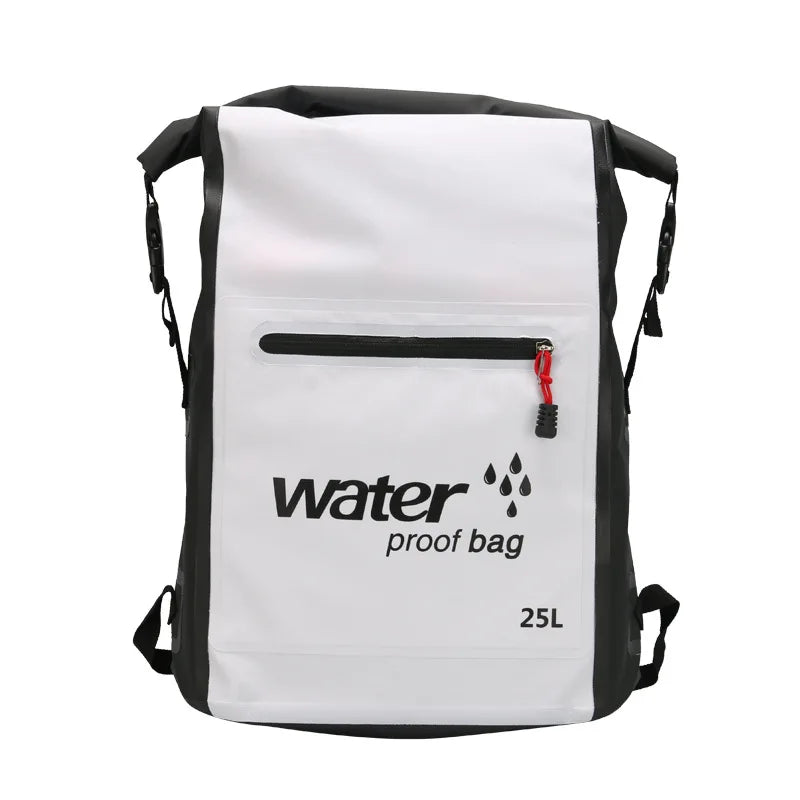
Waterproof & Dry Bags help protect phones, towels, clothes, and food while keeping family gear organized on the water.
💡 See it in action
Why Family Kayakers Need Waterproof Bags
A dependable kayaking waterproof bag prevents soaked clothing, damaged electronics, and food contamination during paddling trips. Families especially benefit because kids often splash water into kayaks, leave bags on wet sand, or accidentally tip gear into shallow water during loading and unloading.
Family kayaking trips are unpredictable. Kids splash each other. Weather changes fast. Sand sticks to everything. Gear gets dropped.
Without a proper waterproof system, even calm water days can end with expensive damage.
What usually gets ruined first during kayaking trips?
- Phones and portable batteries
- Dry clothes and towels
- Snacks and sandwiches
- Car keys and wallets
- Emergency gear and first aid kits
- Kids’ extra layers
Many families also underestimate how much moisture builds inside standard backpacks from humidity and wet clothing.
Switching to dedicated dry storage completely changed how stress-free our weekend paddles became.
We also found that combining a waterproof bag with compact organizers from Gear Organizers & Pouches made packing easier for longer river outings.
How We Tested Waterproof Bags During Real Trips
We tested every kayaking waterproof bag during actual family adventures rather than controlled lab conditions. Bags faced splash exposure, beach sand, shallow water contact, sudden rainstorms, and repeated opening and closing cycles across multiple weekends.
Our testing covered:
- Lake kayaking with kids splashing constantly
- River paddling with moderate current
- Beach kayak launches through shallow surf
- Unexpected rain during day trips
- Wet storage inside car trunks afterward
We also intentionally overpacked some bags to see whether seams stretched or roll-top seals weakened.
Some budget models failed surprisingly fast.
Others survived conditions far tougher than expected.
Most important testing categories
| Category | Why It Matters |
|---|---|
| Seal reliability | Prevents hidden leaks during long paddles |
| Shoulder comfort | Important during beach walks and portages |
| Sand resistance | Cheap zippers fail quickly when clogged |
| Interior organization | Helps separate wet and dry family gear |
| Weight distribution | Critical for full-day kayaking comfort |
One thing became clear quickly: a bag advertised as waterproof does not always survive real outdoor use.
Top Performing Kayaking Waterproof Bags
The best kayaking waterproof bag models combined strong roll-top sealing, durable welded seams, comfortable carrying straps, and reliable splash protection. Bags designed specifically for outdoor water sports consistently outperformed generic travel backpacks during real family kayaking adventures.
After weeks of testing, a few features consistently separated high-performing bags from disappointing ones.
1. Roll-top closure systems worked best
Zipper-only bags leaked more often during aggressive splashing.
Roll-top closures created tighter seals and handled accidental water exposure much better.
2. Backpack-style dry bags helped families most
Traditional sack-style dry bags protected gear well, but carrying multiple bags across parking lots, trails, and beaches became exhausting.
A waterproof dry bag backpack for kayaking distributed weight far more comfortably.
The best-performing option during testing was a 25L backpack-style dry bag that balanced waterproofing with comfort.
Waterproof Dry Bag Backpack 25L handled lake paddles, wet docks, and even heavy rain without moisture entering the main compartment.
👉 Learn how to choose the right kayaking gear for easier family adventures.
Pair waterproof storage with lightweight essentials from Lightweight Daypacks and hydration support from Hydration & Food for longer paddling days.
3. Comfortable straps mattered more than expected
Many cheap dry bags ignored comfort entirely.
That became a major issue after carrying gear across long boat ramps or sandy shorelines with kids.
Padded shoulder straps dramatically improved the experience.
4. Exterior attachment points added real convenience
Clipping sandals, towels, or water bottles outside the bag reduced clutter inside.
Using accessories from Hooks, Clips & Carabiners also helped secure wet gear during transitions between paddling and picnics.
Common Reasons Waterproof Bags Fail
Most leaking bags during kayaking family adventures failed because of weak seams, improper roll-top closure use, low-quality fabric, or overloaded compartments. Even expensive bags can leak if users do not seal them correctly before launching.
Several bags failed within the first two trips.
Here are the most common reasons.
Poor sealing technique
Many first-time users roll the top only once or twice.
Most dry bags require at least three tight folds before clipping.
Improper sealing caused several “false failures” during early testing.
Cheap stitched seams
Budget bags with stitched seams eventually leaked at stress points.
Welded seams performed significantly better.
Overstuffing the bag
Families often pack too aggressively before day trips.
When bags became overfilled, closure systems weakened and trapped air created extra strain.
Sand contamination
Beach sand damaged zipper tracks and weakened closures surprisingly fast.
This especially affected hybrid zipper-rolltop designs.
Weak shoulder attachments
Some bags stayed waterproof but became uncomfortable or partially tore during longer hikes to launch areas.
Durability matters just as much as water resistance.
- Look for reinforced stitching near straps
- Avoid thin plastic buckles
- Choose welded seams when possible
- Test closure seals before every launch
- Keep electronics inside secondary pouches
We also strongly recommend carrying emergency supplies inside compact organizers from First Aid Kits during longer family paddles.
Best Waterproof Dry Bag Backpack for Kayaking Families
A waterproof dry bag backpack for kayaking works best when it balances comfort, waterproof protection, storage space, and easy access. Families benefit most from backpack-style designs because they simplify carrying towels, snacks, extra clothing, and electronics across beaches and launch points.
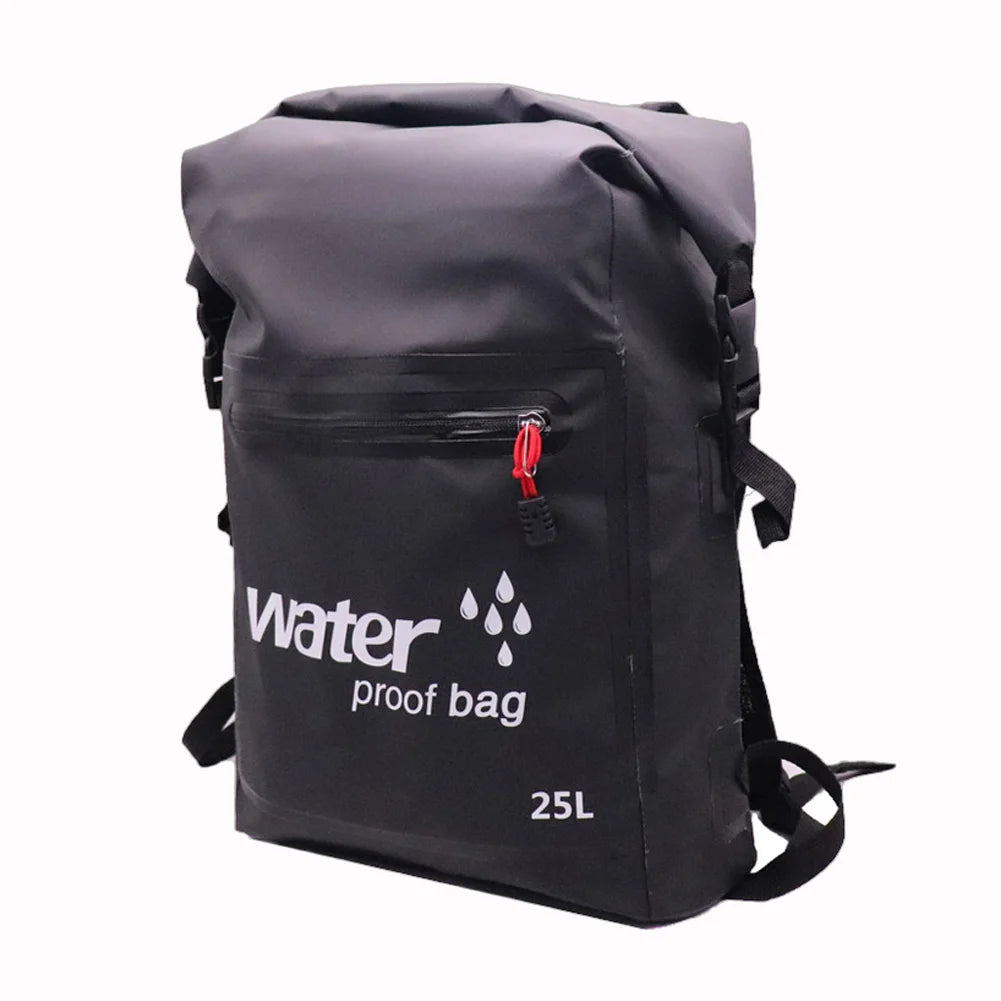
The standout during testing was the 25L backpack-style waterproof bag.
Instead of acting like a simple storage sack, it worked like a real adventure backpack.
What made this bag stand out?
| Feature | Benefit During Trips |
|---|---|
| 25L capacity | Enough room for family essentials |
| Roll-top closure | Reliable protection from splashes and rain |
| Padded straps | Comfort during long beach walks |
| Lightweight build | Easier for teens and parents to carry |
| Durable waterproof material | Resisted abrasion from docks and rocks |
Unlike many oversized waterproof bags, this model stayed comfortable even when fully packed.
That became important during full-day kayaking outings where families carried extra food, towels, and backup clothing.
This waterproof dry bag backpack for kayaking also fit well inside tandem kayaks without shifting excessively.
💡 See it in action
Are Dry Bag Backpacks Truly Waterproof Tested?
Are dry bag backpacks truly waterproof tested in real conditions? Most quality dry bag backpacks resist splashes, rain, and temporary water exposure very effectively, but not every model survives full submersion. Proper sealing and material quality make the biggest difference during kayaking trips.
This question came up constantly during testing.
The short answer is yes — but with limitations.
What waterproof really means
Many people assume waterproof means “indestructible underwater.”
In reality, most kayaking bags are designed to handle:
- Heavy splashes
- Rainstorms
- Wet kayak interiors
- Shallow water drops
- Brief accidental submersion
Continuous underwater exposure is a different category entirely.
Real test results after accidental drops
During one river trip, a loaded dry bag fell into shallow water for nearly 40 seconds before retrieval.
The interior stayed completely dry.
However, another cheaper bag leaked immediately near the top fold because the closure was loosely rolled.
Proper sealing mattered just as much as bag quality.
Best practices for maximum protection
- Roll the closure tightly at least three times
- Do not overpack the main compartment
- Store electronics inside secondary pouches
- Check seams after rough transport
- Keep sharp objects away from interior walls
Families heading into rougher water also appreciated carrying backup weather protection from Rain Ponchos & Capes.
Family Kayaking Packing Checklist
A well-organized kayaking waterproof bag should separate wet items, safety gear, electronics, snacks, and spare clothing. Families who organize gear properly spend less time searching through bags and avoid moisture spreading between items.
One major lesson from repeated kayaking trips was organization.
Throwing everything into one compartment created constant frustration.
Recommended family kayaking packing setup
| Item | Recommended Storage |
|---|---|
| Phones & keys | Small waterproof pouch |
| Towels & clothes | Main dry compartment |
| Snacks | Sealed food containers |
| Emergency supplies | Easy-access front pocket |
| Water bottles | Exterior clips or side holders |
Using compact containers from Food Storage Bags & Containers also prevented smashed snacks and soggy sandwiches.
Helpful extras that improved family trips
- Collapsible Water Bottles saved space inside crowded kayaks
- Portable Power Banks kept phones charged for navigation and emergencies
- Emergency Whistles & Signals added safety for kids
- Family Outdoor Bundles simplified multi-person packing
Keeping family gear compact made loading kayaks dramatically easier.
Kayaking Waterproof Bag Comparison Table
Comparing waterproof kayaking bags side by side highlights major differences in durability, comfort, leak resistance, and family usability. Backpack-style waterproof bags consistently ranked highest during real outdoor testing because they balanced storage, comfort, and weather protection.
| Feature | Cheap Dry Bags | Premium Backpack Dry Bags |
|---|---|---|
| Water resistance | Moderate | High |
| Comfort for long carries | Low | Excellent |
| Family storage capacity | Limited | Spacious |
| Sand durability | Poor | Strong |
| Seal reliability | Inconsistent | Reliable |
| Organization options | Minimal | Multiple compartments |
After repeated outings, premium waterproof backpacks clearly delivered better long-term value.
The difference became especially obvious during rough-weather paddles.
Pros and cons after long-term testing
Pros
- Protects valuables during unpredictable weather
- Improves organization during family trips
- Reduces stress during launches and landings
- Comfortable to carry over long distances
- Works beyond kayaking for beach and camping trips
Cons
- Higher-quality bags cost more initially
- Roll-top sealing requires practice
- Larger sizes can encourage overpacking
How to Choose the Right Waterproof Bag
The right kayaking waterproof bag depends on trip length, family size, carrying comfort, and water conditions. Most families benefit from backpack-style dry bags between 20L and 30L because they balance capacity, portability, and waterproof protection effectively.
Choosing the wrong size created several problems during testing.
Small bags became overcrowded quickly.
Oversized bags shifted awkwardly inside kayaks.
What size works best?
- 10L–15L: Solo paddlers and short trips
- 20L–25L: Couples or small families
- 30L+: Full-day family adventures
Features worth prioritizing
- Padded backpack straps
- Welded waterproof seams
- Lightweight waterproof fabric
- Exterior attachment points
- Easy-clean surfaces for sand and mud
We also found that pairing waterproof bags with compact gear from Camping Storage & Boxes helped organize vehicles before and after paddling trips.
👉 Get yours now before your next kayaking trip.
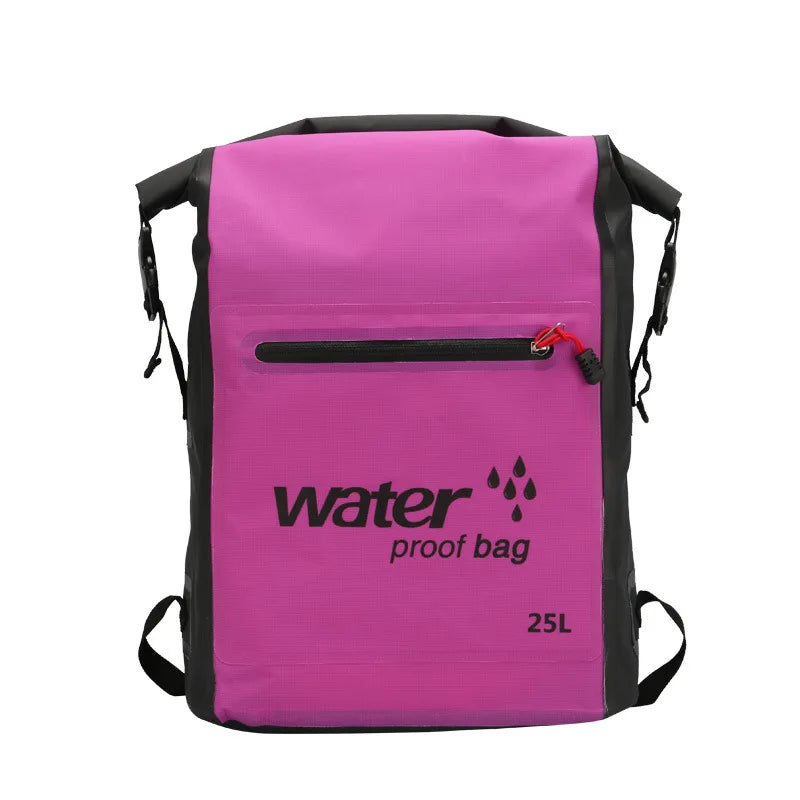
Explore the durable Waterproof Dry Bag Backpack 25L before your next family paddle, beach launch, or rainy weekend adventure.
Real Family Testimonials After Weekend Trips
Real family kayaking experiences showed that reliable waterproof bags reduce stress, improve organization, and protect expensive essentials during unpredictable outdoor conditions. Families consistently preferred backpack-style waterproof bags because they handled both paddling and shoreline carrying comfortably.
Weekend lake trip with two kids
“Our old backpack leaked after one splash fight. The waterproof backpack stayed dry the entire afternoon, even after sitting in shallow water near shore.”
Beach kayaking during unexpected rain
“We got caught in heavy rain halfway through the trip. Towels, snacks, and our camera stayed completely dry.”
River paddling with overnight camping
“The backpack design made a huge difference carrying gear from the car to the river launch. It felt more like hiking gear than a stiff dry sack.”
Many families also mentioned using Camping & Picnic supplies alongside waterproof bags during longer paddling weekends.
The combination created much smoother outdoor routines.
💡 See it in action
Is It Worth Buying Before Your Next Kayaking Trip?
A high-quality kayaking waterproof bag is worth buying before family paddling trips because it protects valuables, simplifies organization, and prevents ruined gear during unpredictable weather or accidental water exposure. Reliable waterproof backpacks also improve carrying comfort during beach walks and river launches.
After multiple family trips, one conclusion became obvious.
Cheap waterproof bags usually become expensive mistakes.
Replacing soaked electronics, ruined clothing, or damaged food costs far more than investing in dependable waterproof storage from the beginning.
The biggest surprise was how much convenience mattered.
A comfortable waterproof backpack changed the entire pace of our trips. Packing became easier. Launches felt less chaotic. Kids stayed organized. Wet gear stopped mixing with dry clothing.
That improvement alone made the upgrade worthwhile.
For families planning summer paddles, beach kayaking, or overnight river trips, a dependable waterproof backpack quickly becomes one of the most-used pieces of outdoor gear.
Frequently Asked Questions
What is the best kayaking waterproof bag for families?
Backpack-style dry bags between 20L and 30L work best for most families because they combine waterproof protection, comfortable carrying straps, and enough storage for towels, snacks, clothing, and electronics.
Can dry bags fully protect phones during kayaking?
Quality dry bags protect phones from splashes, rain, and temporary water exposure when sealed correctly. For extra protection, many paddlers also place phones inside secondary waterproof pouches.
Why do some waterproof bags leak during kayaking trips?
Leaks usually happen because of poor roll-top sealing, weak stitched seams, sand contamination, or overpacking that stresses the closure system.
Are backpack-style dry bags better than traditional dry sacks?
For families, yes. Waterproof backpack designs distribute weight more comfortably and simplify carrying gear across beaches, parking lots, and launch trails.
How long do waterproof kayaking bags usually last?
High-quality waterproof bags with welded seams and durable fabric can last for years when cleaned properly and stored dry after each trip.
Related Articles:
- Dry Bags Backpacks Reviews For Travel And Beach Protection
- Backpack Dry Bags Tested On Camping And River Adventures
Pillar Articles:





