

How To Pack A Hiking Bag For Stress-Free Trail Preparation
How To Pack A Hiking Bag For Stress-Free Trail Preparation
⏱ 9 min read
How to pack a hiking bag without hurting your back?
How to pack a hiking bag starts with balancing weight correctly and keeping essential gear easy to reach. Place heavy items close to your spine, lighter gear at the bottom, and emergency supplies near the top. This method reduces shoulder strain, improves stability, and keeps trail preparation simple even when a small hiking backpack lacks storage space.
Packing for a hike should feel exciting, not stressful. Yet many hikers end up with sore shoulders, messy backpacks, and forgotten essentials because they load gear the wrong way. Whether you are planning a quick day hike or a full weekend adventure, learning the best way to pack hiking backpack gear can completely change your outdoor experience. The right setup keeps your balance steady, protects your equipment, and makes every trail stop easier.
Have you ever reached into your backpack during a hike and realized your rain jacket was buried under snacks and tangled gear? One bad packing habit can slow down your entire trip.
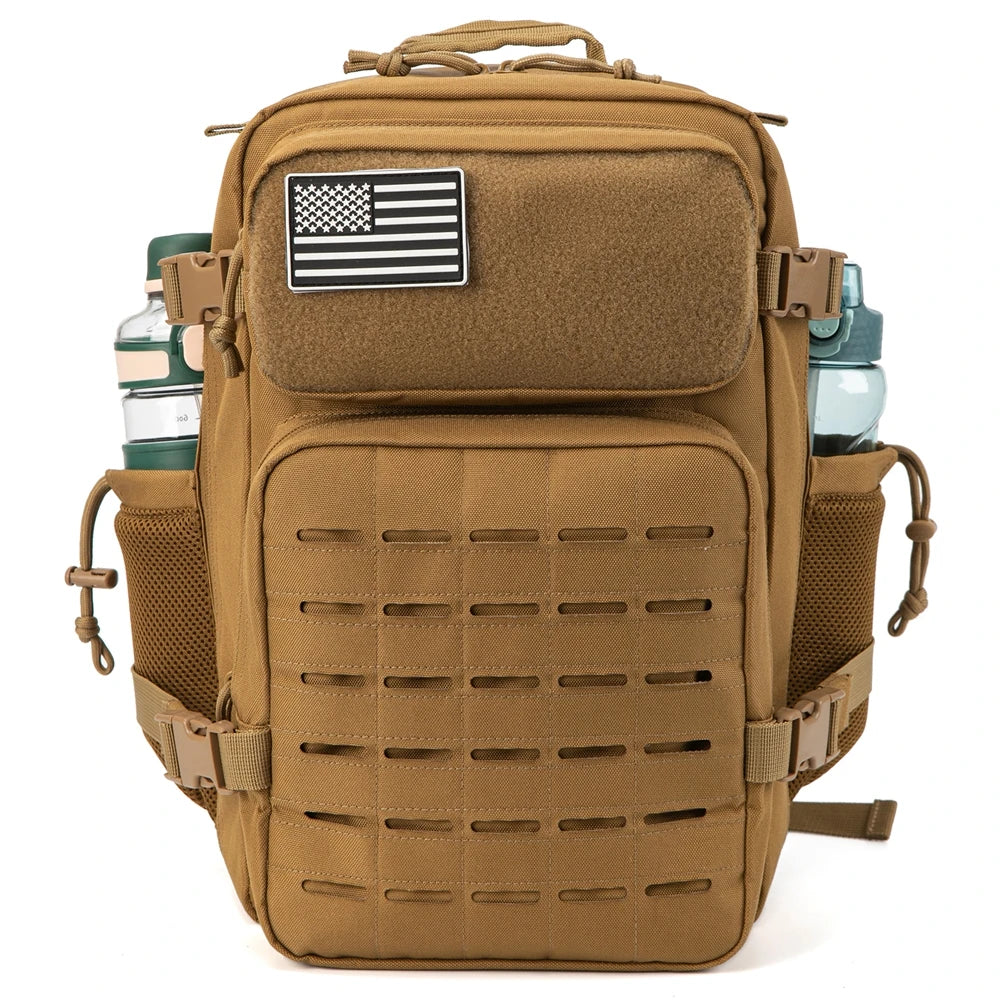
Explore the 25L Tactical Backpack Hiking Pack
💡 See it in action
Why Smart Backpack Packing Matters on the Trail
Knowing how to pack a hiking bag properly helps distribute weight evenly, reduce fatigue, and prevent back pain. Organized gear also improves safety because emergency supplies stay accessible during sudden weather changes or unexpected trail conditions. Smart packing turns hiking into a smoother and more enjoyable experience.
Many hikers focus only on what they pack instead of where they place each item. Poor weight distribution causes instability, especially on steep terrain. When gear shifts around inside the bag, every step becomes harder.
A properly packed hiking backpack helps you:
- Reduce shoulder and lower back strain
- Keep balance stable on uneven trails
- Access gear quickly during emergencies
- Protect fragile items from damage
- Avoid overpacking unnecessary equipment
| Poor Packing Habit | Trail Problem | Better Solution |
|---|---|---|
| Heavy gear far from spine | Back pain and instability | Keep weight centered near your back |
| Loose gear inside backpack | Shifting balance while hiking | Use packing cubes and compression bags |
| Emergency gear buried deep | Slow access during emergencies | Store essentials in top compartments |
Many experienced hikers pair their backpack setup with smart organization tools from Compression & Packing Bags and Gear Organizers & Pouches to keep supplies compact and easy to access.
Step-by-Step Guide on How to Pack a Hiking Bag
How to pack a hiking bag correctly means organizing gear by weight, priority, and frequency of use. Store lightweight gear at the bottom, heavy equipment near your spine, and quick-access essentials on top or inside outer pockets. This setup improves comfort, balance, and hiking efficiency on every trail.
-
Start with soft gear at the bottom
Sleeping layers, extra clothing, or lightweight blankets create a padded base. This helps cushion your back and protect heavier gear above. -
Place heavy gear near the center
Water reservoirs, cooking equipment, and dense items should stay close to your spine. This keeps the load stable while walking uphill or across uneven ground. -
Keep emergency items accessible
First aid supplies, headlamps, navigation tools, and rain gear belong near the top or inside outer pockets. -
Use side pockets wisely
Water bottles, snacks, and trekking accessories should stay within reach without removing your backpack.
Hikers often improve efficiency by combining lightweight gear with organization systems from Lightweight Daypacks, Collapsible Water Bottles, and Headlamps & Wearable Lights.
Best Weight Distribution Formula for Hiking Backpacks
- Bottom zone: soft and lightweight gear
- Middle zone: heavy dense items
- Top zone: frequently used essentials
- Exterior: only lightweight quick-access gear
One experienced hiker shared that reorganizing his backpack reduced shoulder soreness after just one weekend trip. Instead of carrying more equipment, he simply packed smarter.
See how this tactical hiking backpack improves organization
How to Handle a Small Hiking Backpack That Lacks Storage Space
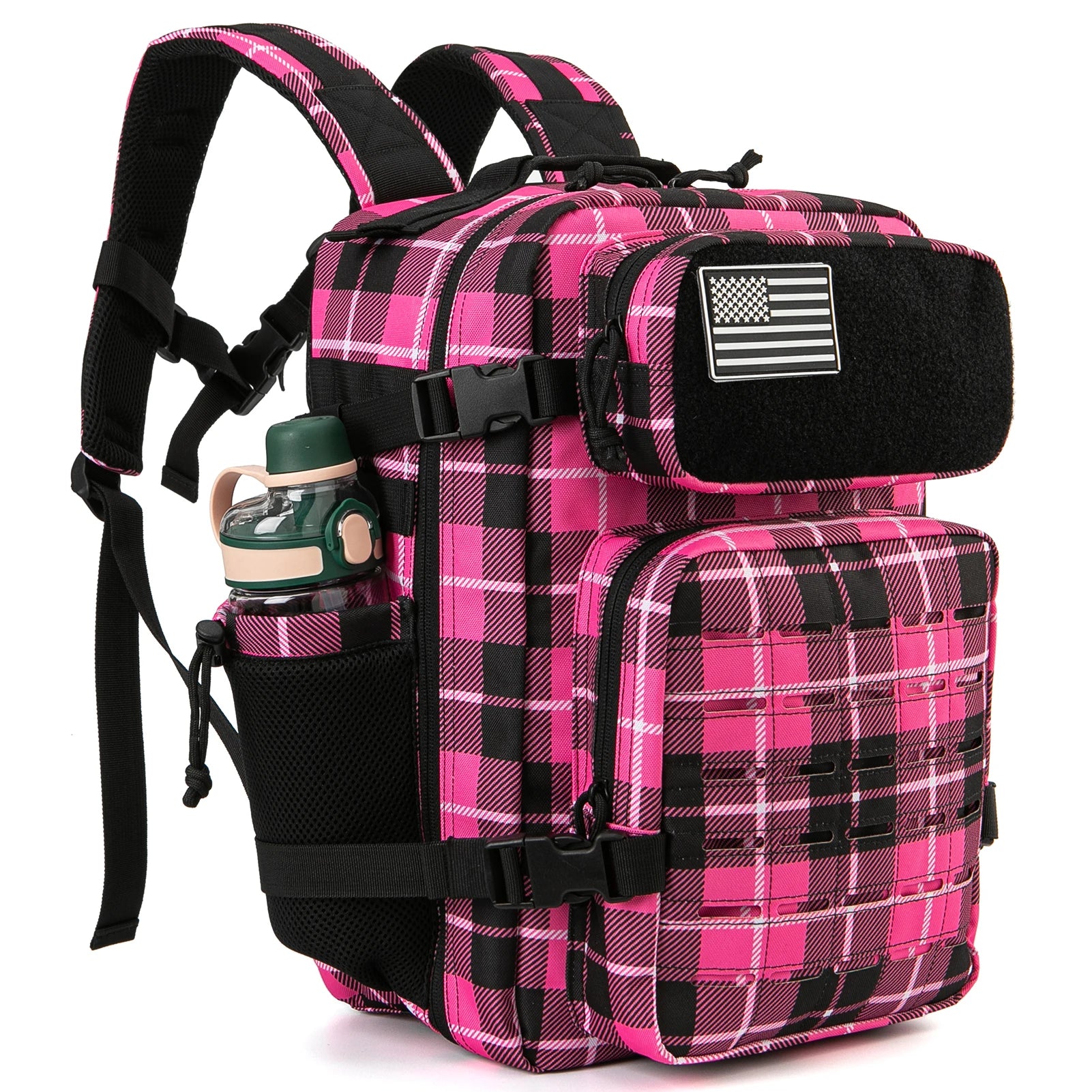
A small hiking backpack lacks storage space when bulky gear is packed inefficiently. The best solution is compressing clothing, limiting duplicate items, and attaching lightweight accessories externally using clips or modular systems. Strategic packing creates more usable room without increasing overall backpack weight.
Many hikers overpack because they prepare for every possible situation. In reality, compact gear selection matters more than backpack size.
Ways to Maximize Limited Backpack Space
- Roll clothing instead of folding it
- Use compression sacks for jackets and layers
- Attach lightweight accessories with carabiners
- Replace rigid containers with collapsible options
- Carry multi-use gear whenever possible
Outdoor travelers often save valuable space with products from Hooks, Clips & Carabiners, Waterproof & Dry Bags, and Food Storage Bags & Containers.
💡 See it in action
Compact Packing List for Day Hikes
| Must-Have Item | Why It Matters |
|---|---|
| Hydration system | Prevents fatigue and dehydration |
| Lightweight rain protection | Handles sudden weather changes |
| Emergency light source | Improves visibility after sunset |
| Compact first aid kit | Supports minor injury treatment |
For longer day hikes, many outdoor enthusiasts also bring portable essentials from Personal Water Filters, Portable Power Banks, and First Aid Kits.
How to Choose Durable Hiking Backpack Features
How to choose durable hiking backpack features depends on material strength, weather resistance, reinforced stitching, and comfort support. High-quality backpacks use water-resistant fabrics, padded shoulder straps, adjustable load systems, and reliable zippers that survive repeated outdoor use across rough terrain and changing weather conditions.
The best way to pack hiking backpack gear becomes much easier when the backpack itself supports comfort and organization.
Key Features That Improve Durability
- Water-resistant exterior materials
- Double-stitched seams
- Padded breathable back panels
- Reinforced zippers and buckles
- Adjustable chest and waist straps
Trail hikers dealing with wet weather often pair durable backpacks with protection gear from Rain Ponchos & Capes and Weather Protection & Environment.
The 25L Tactical Backpack Hiking Pack stands out because it balances compact organization with rugged durability. Multiple compartments, reinforced straps, and modular storage options make it easier to separate hiking essentials while maintaining comfort during long outdoor sessions.
Essential Hiking Packing Checklist
What gear actually makes hiking easier? Most experienced hikers focus on lightweight essentials that improve safety, hydration, weather protection, and comfort without overloading the backpack.
- Water and hydration system
- Energy snacks and compact meals
- Navigation tools or maps
- Emergency whistle and lighting
- Lightweight weather layers
- First aid kit
- Portable power bank
- Compact seating pad or recovery tools
Helpful additions for longer trips include equipment from Emergency Whistles & Signals, Camping Lights & Lanterns, and Outdoor Comfort & Recovery.
Upgrade your hiking setup with a smarter backpack system
Common Packing Mistakes That Ruin Hikes
Even strong hikers struggle when backpacks are packed poorly. Small mistakes can create major discomfort after just a few miles.
Most Common Hiking Bag Mistakes
- Carrying too much unnecessary gear
- Ignoring weather protection layers
- Packing heavy items too high or too far back
- Skipping hydration planning
- Using backpacks without proper support straps
One overlooked mistake is leaving emergency gear buried at the bottom of the backpack. During sudden rain or low-light conditions, every second matters.
Prepared hikers often combine trail essentials with products from Emergency Lighting, Safety, Survival & Emergency, and Survival Accessories.
💡 See it in action
Backpack Organization Tips That Save Time
Efficient backpack organization helps hikers spend less time searching for gear and more time enjoying the trail.
Quick Organization Strategies
- Group gear by category using separate pouches
- Keep hydration supplies isolated from electronics
- Store nighttime gear together for fast campsite setup
- Use waterproof bags for clothing and documents
Weekend hikers frequently use products from Camping Storage & Boxes, Lighting & Power, and Foldable Travel Gear to simplify setup and organization.
Prepare Smarter for Every Trail
Learning how to pack a hiking bag properly makes every adventure safer, lighter, and more enjoyable. Instead of stuffing gear randomly into your backpack, focus on weight balance, accessibility, and compact organization.
The best way to pack hiking backpack essentials is not about carrying more equipment. It is about carrying the right gear in the right place. Whether your small hiking backpack lacks storage space or you are searching for how to choose durable hiking backpack features, smarter preparation always improves the hiking experience.
From hydration systems to emergency gear and weather protection, organized packing keeps you ready for changing trail conditions while reducing stress before every trip.
FAQ
What is the best way to pack hiking backpack gear?
The best way to pack hiking backpack gear is placing heavy items close to your spine, soft gear at the bottom, and quick-access essentials near the top. This setup improves balance and reduces shoulder strain.
How do I pack a small hiking backpack efficiently?
Use compression bags, roll clothing tightly, and avoid duplicate gear. Attach lightweight accessories externally when possible to maximize internal storage space.
How much weight should a hiking backpack carry?
Most day hikers stay comfortable carrying around 10% to 20% of their body weight depending on fitness level, terrain difficulty, and trip duration.
What features make a hiking backpack durable?
Durable hiking backpacks usually include reinforced stitching, weather-resistant fabric, padded support systems, heavy-duty zippers, and adjustable load straps.
What should always stay accessible during a hike?
Water, snacks, rain protection, navigation tools, lighting, and first aid supplies should always remain easy to reach without unpacking your entire bag.
Pillar Article: How To Pack Your Backpacking Pack For Balance And Comfort
Other Related Articles:
- Backpack Bottom Compartment Use Guide: How To Organize Gear Fast
- Dry Bag 10 Liter Setup: How To Keep Essentials Fully Dry
- How To Attach Molle Pouches Step-By-Step For Secure Gear Setup
Explore More:





