

How To Attach Molle Pouches Step-By-Step For Secure Gear Setup
How To Attach Molle Pouches Step-By-Step For Secure Gear Setup
⏱ 8 min read
How do you attach MOLLE pouches securely?
How to attach MOLLE pouches correctly starts with weaving the pouch straps tightly through the backpack webbing row by row. A secure weave prevents bouncing, sagging, and loose gear during hiking or travel. Proper attachment also improves weight balance, faster access, and long-term durability on a durable hiking backpack with MOLLE system.
Learning how to attach MOLLE pouches can completely change the way you organize outdoor gear. Loose pouches, shifting weight, and tangled straps often turn simple hikes into frustrating experiences. With the right setup, your backpack becomes more balanced, secure, and easier to access whether you're hiking rugged trails, camping overnight, or organizing emergency supplies for road trips.
Have you ever reached for a flashlight or first aid kit only to realize your pouch shifted halfway down your backpack?
A properly configured MOLLE system solves that problem while improving comfort and gear accessibility. This guide explains how to attach MOLLE accessories properly, avoid common setup mistakes, and build a dependable outdoor loadout that stays secure for miles.
👉 Upgrade your outdoor setup before your next adventure.
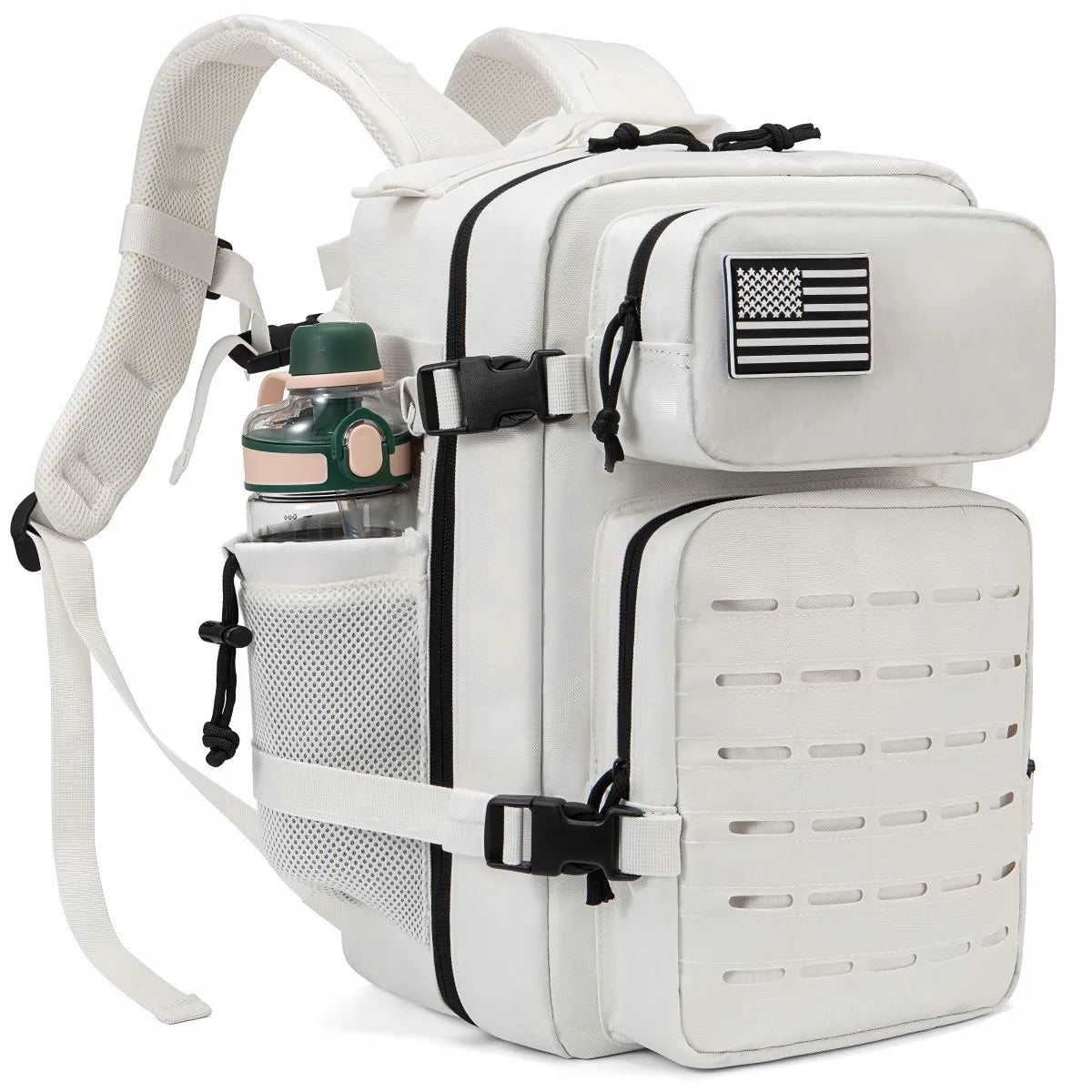
💡 See it in action
Why MOLLE Systems Work Better Outdoors
Traditional backpacks often force hikers to dig through one large compartment while essential tools stay buried underneath clothing or food supplies. MOLLE systems solve this by allowing modular organization.
You can place gear exactly where it makes sense:
- First aid kits on side panels
- Water gear near quick-access zones
- Flashlights on shoulder straps
- Cooking tools near lower compartments
- Emergency items in visible exterior pouches
A durable hiking backpack with MOLLE system also distributes weight more evenly. Instead of heavy gear swinging loosely, woven attachments lock equipment against the pack frame.
| Traditional Backpack Setup | MOLLE Backpack Setup |
|---|---|
| Loose accessories move around | Pouches stay tightly secured |
| Harder gear access | Faster organization |
| Limited customization | Flexible modular layout |
| Uneven weight distribution | Balanced carry comfort |
Many hikers combine MOLLE systems with Gear Organizers & Pouches to separate survival tools, electronics, and cooking accessories efficiently.
How To Attach MOLLE Pouches Step-By-Step
How to attach MOLLE pouches properly involves weaving straps tightly through both the pouch loops and backpack webbing. Secure weaving reduces movement, prevents sagging, and keeps heavy gear stable during hiking, camping, or travel. Tight attachment also helps protect equipment from bouncing damage over rough terrain.
-
Choose the right placement.
Attach frequently used gear where you can reach it quickly without removing the backpack. -
Align the pouch webbing.
Match the pouch straps with the MOLLE rows on your backpack. -
Thread the strap through the first webbing row.
Push the strap through the backpack row, then back through the pouch row. -
Continue weaving tightly.
Alternate between backpack and pouch rows until the strap reaches the bottom. -
Snap or secure the strap end.
Lock the strap firmly into place to eliminate movement.
Why weaving matters
One of the biggest mistakes beginners make is skipping rows during attachment. This creates loose gaps that cause pouches to swing while walking.
A proper weave creates:
- Better weight support
- Reduced shoulder fatigue
- Improved balance on uneven trails
- Longer pouch lifespan
- Less noise during movement
Pairing your setup with Compression & Packing Bags can also reduce internal shifting inside the backpack itself.
Recommended pouch arrangement
| Gear Type | Best Placement |
|---|---|
| First aid kit | Upper side panel |
| Water filter | Lower side area |
| Flashlight | Shoulder strap area |
| Cooking gear | Bottom rear panel |
| Navigation tools | Top front pouch |
Outdoor users often organize emergency supplies alongside First Aid Kits and Emergency Road Kits for hiking and vehicle travel.
👉 Build a cleaner and more organized hiking setup today.
See how this tactical backpack handles modular gear organization
Common MOLLE Attachment Mistakes
Even experienced hikers sometimes attach pouches incorrectly. Small mistakes often lead to uncomfortable loadouts and damaged straps over time.
1. Attaching heavy gear too high
Heavy tools near the top of the pack pull weight backward and strain shoulders. Keep dense gear lower and closer to your back.
2. Leaving unused straps loose
Dangling straps snag on branches, tent fabric, and vehicle doors. Tuck away excess webbing whenever possible.
3. Overloading one side
Uneven weight distribution creates imbalance during long hikes. Spread pouches evenly across the backpack.
4. Ignoring weather protection
Rain and mud can soak exposed gear quickly. Many hikers combine MOLLE setups with Waterproof & Dry Bags for better protection.
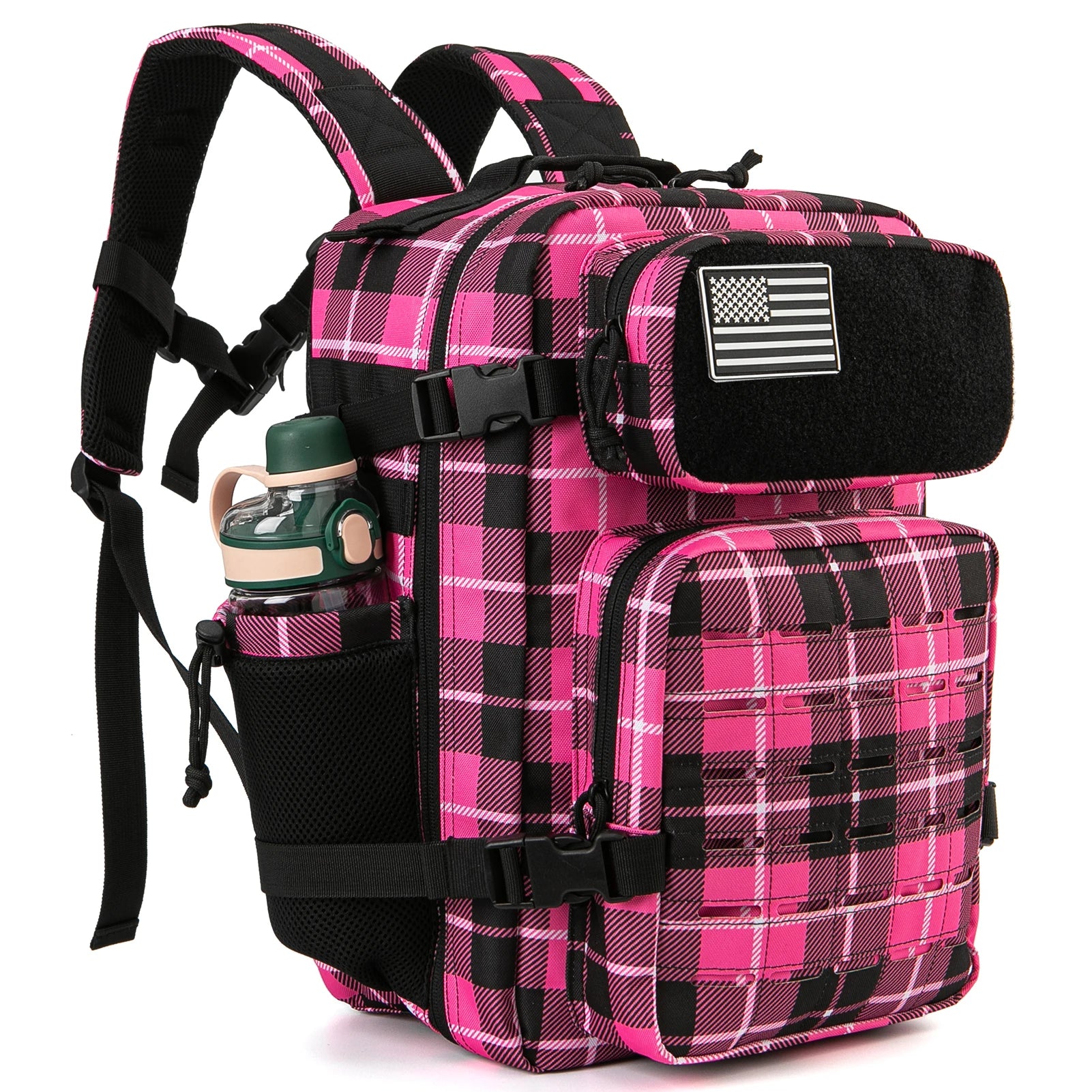
💡 See it in action
Best MOLLE Pouch Placement For Hiking Comfort
Smart placement improves both efficiency and comfort. Instead of attaching pouches randomly, think about movement, accessibility, and weight balance.
Front panel setup
- Maps
- Snacks
- Navigation gear
- Compact tools
Side panel setup
- Water bottles
- Filters
- Cooking fuel
- Rain gear
Shoulder strap setup
- Flashlights
- Emergency whistles
- GPS devices
Many outdoor travelers also attach accessories from Hooks, Clips & Carabiners for fast-access utility storage.
Balanced load checklist
- Keep heavier gear centered
- Avoid oversized side pouches
- Test your setup before long hikes
- Re-tighten straps regularly
- Remove unnecessary accessories
Tips For Choosing Tactical Daypack Setups
The best MOLLE configuration starts with the right backpack. Not every tactical pack handles weight equally well.
When comparing backpacks, focus on comfort, durability, and webbing quality instead of appearance alone.
Features worth prioritizing
| Feature | Why It Matters |
|---|---|
| Double-stitched MOLLE rows | Improves long-term durability |
| Padded shoulder straps | Reduces hiking fatigue |
| Ventilated back panel | Improves airflow |
| Water-resistant fabric | Protects outdoor gear |
| Wide waist support | Balances heavy loads |
A tactical backpack becomes even more versatile when paired with Camping Storage & Boxes during vehicle camping or longer outdoor trips.
For lightweight adventures, many hikers also combine tactical packs with Lightweight Daypacks for shorter excursions away from basecamp.
How to attach MOLLE accessories properly for long hikes
For long-distance hiking, secure only the gear you genuinely need outside the backpack. Too many external pouches create unnecessary bulk and can throw off balance on technical terrain.
Experienced hikers often keep:
- Hydration outside
- Emergency tools accessible
- Heavy gear centralized
- Sleep systems internal
If you're building a complete hiking system, products from Hydration & Food and Headlamps & Wearable Lights help improve organization and trail readiness.
👉 Prepare your backpack before your next camping or hiking trip.
Get the tactical hiking pack built for secure MOLLE attachments
Essential Gear Checklist For MOLLE Backpack Organization
A clean setup keeps outdoor travel smoother and safer. Here's a practical MOLLE packing checklist many hikers use.
- First aid pouch
- Portable flashlight
- Multi-tool
- Water filtration kit
- Emergency blanket
- Compact cookware
- Power bank
- Rain protection gear
You can expand your setup further using:
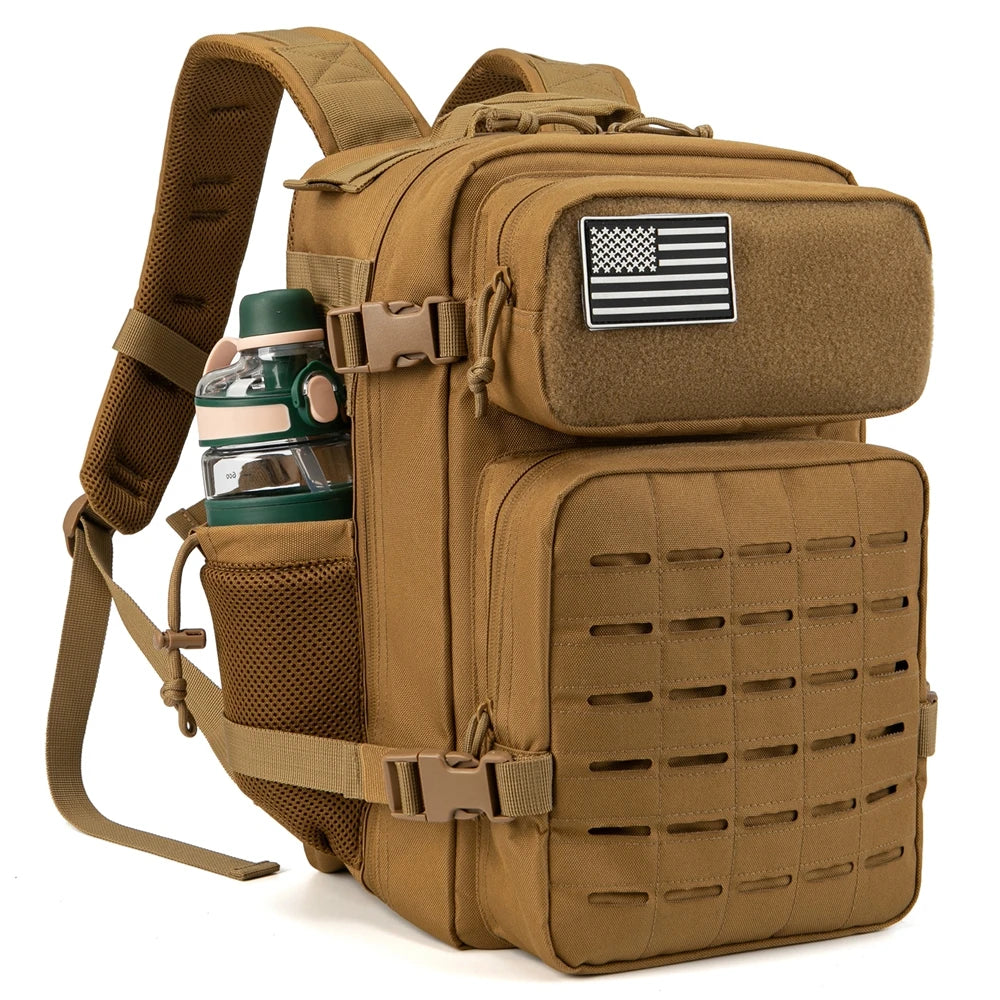
💡 See it in action
What Outdoor Users Say About MOLLE Setups
Many hikers report that properly attached MOLLE pouches dramatically improve trail efficiency.
"Once I learned the correct weaving method, my gear stopped bouncing completely during steep hikes."
"My first aid pouch used to loosen every trip. Tight weaving solved it instantly."
"The biggest improvement was faster access to gear without unpacking my entire backpack."
Whether you're preparing for hiking, camping, emergency travel, or road trips, a modular backpack system helps keep essential gear secure and accessible in changing outdoor conditions.
Build A More Reliable MOLLE Backpack Setup
Learning how to attach MOLLE pouches properly improves more than organization. It enhances balance, accessibility, comfort, and long-term gear reliability on every outdoor trip.
By weaving straps tightly, balancing weight carefully, and choosing a durable hiking backpack with MOLLE system, you create a setup that performs better in real outdoor conditions.
Whether you're heading into the mountains, preparing emergency supplies, or organizing camping gear for weekend travel, a secure MOLLE setup helps eliminate frustration and keeps essential equipment exactly where you need it.
Explore additional outdoor essentials through Backpacking & Carry and Safety, Survival & Emergency collections for even better trail preparation.
FAQ
How tight should MOLLE pouches be attached?
MOLLE pouches should fit tightly against the backpack with minimal movement. Proper weaving through every webbing row prevents sagging and improves stability during hiking.
Can MOLLE pouches damage a backpack?
Correctly attached MOLLE pouches typically do not damage backpacks. Problems usually happen when overloaded pouches strain weak stitching or poorly made webbing.
What is the best way to organize MOLLE gear?
Place frequently used items in accessible locations while keeping heavier gear close to your back for better balance and reduced fatigue.
Are MOLLE backpacks good for hiking?
Yes. A durable hiking backpack with MOLLE system allows customizable organization, secure storage, and improved gear accessibility during outdoor adventures.
Pillar Article: How To Pack Your Backpacking Pack For Balance And Comfort
Other Related Articles:
- Backpack Bottom Compartment Use Guide: How To Organize Gear Fast
- Dry Bag 10 Liter Setup: How To Keep Essentials Fully Dry
- How To Pack A Hiking Bag For Stress-Free Trail Preparation
Explore More:





